Patience & Endurance
The Pose You Can't Force Your Way Into
Some poses respond to effort. Push harder, hold longer, and they open up. Others don't work that way at all, they respond to time, and pushing harder on the wrong day just gets you hurt or stuck exactly where you started. Splits is the obvious example, nobody muscles their way into full Splits in a single session, no matter how hard they try.
These poses share that quality, forcing them doesn't speed things up, and often makes things worse. Crow Pose, Headstand, deep hip openers, they all reward showing up repeatedly far more than they reward intensity on any single day. Patience here isn't a virtue applied from outside the practice, it's a practical requirement the poses themselves impose.
There's no traditional centre this maps to specifically, this page is organized around a shared relationship to time rather than a shared physical mechanism. Some poses are quick. These aren't, and accepting that up front changes how they feel to practise.
Maybe it's a pose you've been working toward for months with what feels like no progress, or a general frustration with how slowly your body changes compared to how fast you'd like it to. Maybe you just need practice at not forcing something that isn't ready yet. These poses won't move faster because you want them to, and there's something genuinely useful in accepting that directly rather than fighting it.
The Long Game — Poses You Don't Rush
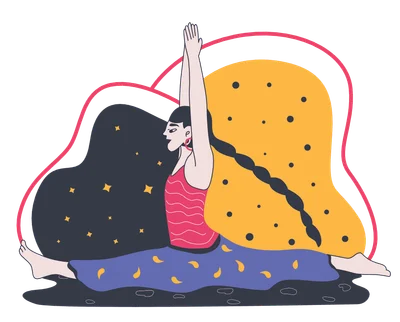
Hanumanasana
The single clearest example of a pose that responds to time and not effort. Forcing the descent risks real injury, and the only reliable path is showing up repeatedly and letting the hips open at their own rate.
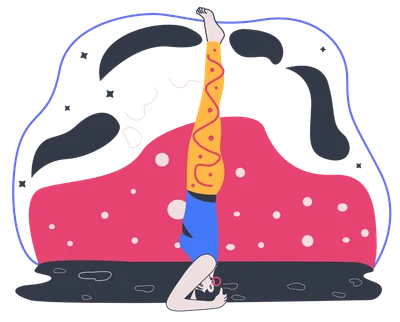
Sirsasana
A pose that takes real, patient practice to trust, both the strength and the nerve build slowly, and rushing it tends to produce fear rather than progress.
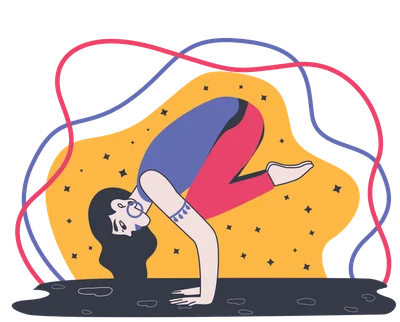
Bakasana
Most people fall out of this pose dozens of times before it holds. Each fall is part of how the balance and the confidence actually develop, not a sign of doing something wrong.
Held Steady — Patience in the Moment
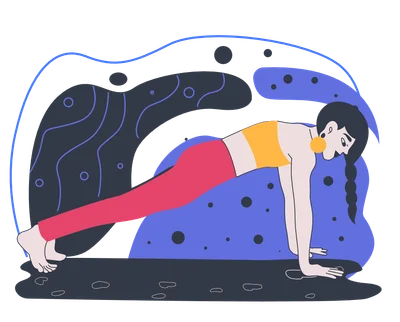
Utthita Chaturanga Dandasana
A pose that doesn't get easier with a single strong effort, it gets easier over weeks of showing up and holding it a little longer each time.
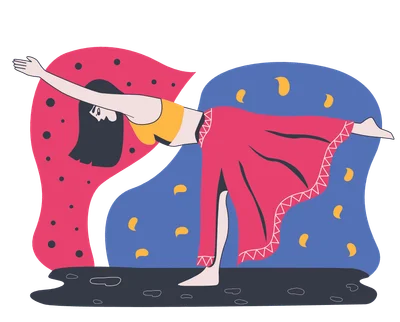
Virabhadrasana 3
A balance that wobbles constantly at first, and the instinct to fight the wobble usually makes it worse. Patience with the instability, rather than tension against it, is what actually steadies the pose.
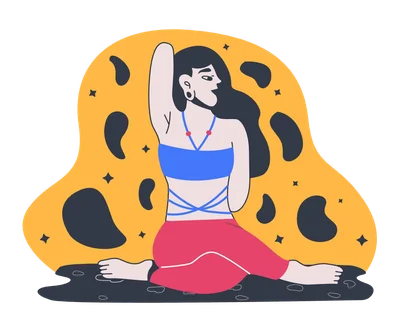
Gomukhasana
The shoulder bind rarely closes on the first attempt, sometimes not for a long time. A strap bridges the gap, and using one isn't a shortcut around patience, it's a way of practising it.
Small and Repeatable
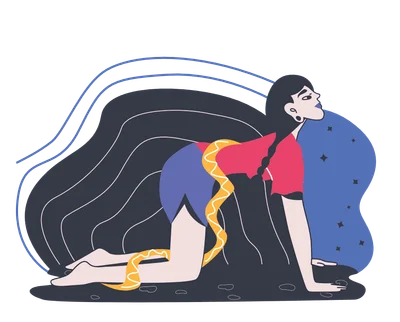
Bitilasana
A small, gentle backbend, not demanding on its own, but useful precisely because it can be repeated daily without strain, patience as a habit rather than a single hard session.
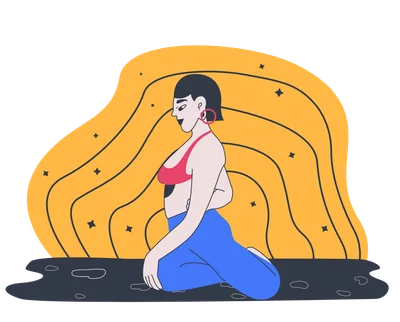
Bharadvajasana 1
A gentle twist that opens gradually with regular practice rather than all at once. Coming back to it often does more than holding it longer any single time.
Building Toward
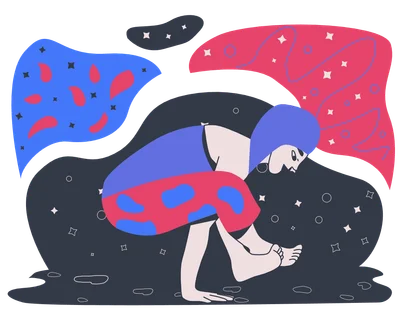
Bhujapidasana
An arm balance that depends on hip flexibility most people don't arrive with. The pose waits for the flexibility to catch up, not the other way around.
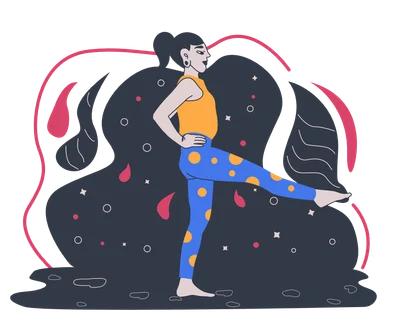
Eka Hasta Padangusthasana C
A demanding balance with the leg held to the side, usually one of the last standing balances people get comfortable with. It rewards the people who keep returning to it more than the people who try hardest once.
A 20-Minute Patience Sequence
Same idea as always. Not five random poses, there's a build to it: arrive with something small and repeatable, build through poses that ask for steadiness rather than force, meet a pose most people fall out of before it holds, then close on one that's honestly still a work in progress.
- 2Bharadvaja's Twist5 breaths each side
Build. Opening gradually, coming back rather than holding harder.
- 4Crow Pose5 breaths or a few honest attempts
Peak. A pose most people fall out of many times before it holds.
- 6Splitsas far as feels honest
Close. The clearest example on this whole site of a pose that answers to time, not effort.
Notice that the practice doesn't end on its hardest pose, it ends on the one most likely to still be a work in progress years from now. That's deliberate. Patience isn't about eventually arriving, it's about staying willing to keep practising something that hasn't arrived yet.
Teaching a Patience & Endurance Class
Say out loud that some poses take months or years, students often assume everyone else is progressing faster than they are, and naming the real timeline removes a lot of unnecessary pressure. Praise the return, not just the achievement, someone who comes back to a hard pose for the twentieth time without forcing it is doing the work correctly. Building a full class around this theme: the Sequence Builder lets you start from any of these poses and adjust hold times, order and how much standing versus floor work you want.
Open the Sequence Builder →Build Your Patience & Endurance Practice
Get my practiceFrequently Asked Questions
What makes a yoga pose good for practising patience?
Poses that genuinely can't be forced, ones where pushing harder either does nothing or causes injury. Splits and Crow Pose are the clearest examples, they respond to repetition over time, not intensity on one day.
How long does it realistically take to get poses like Splits or Headstand?
It varies enormously and depends on starting flexibility and strength, but months rather than weeks is normal for most people, sometimes longer. That's not a slow result, it's the usual one.
How long should I hold a patience pose?
As long as feels honest, then stop. Forcing extra seconds past that point tends to work against the pose rather than for it, especially with the deeper stretches.
Are these poses suitable for beginners?
Yes, with the understanding that some of them, Splits and Headstand especially, are meant to be worked toward over a long time, not achieved quickly. This is general information, not medical advice. See the medical disclaimer.