Self-Confidence
The Posture You Default To When You Feel Small
Watch how someone stands when they feel unsure of themselves. Shoulders forward, chest caved slightly, taking up as little space as possible, almost apologizing with their body before they've said a word. Confidence isn't really a feeling you can talk yourself into. It shows up in the shoulders and the spine before it shows up anywhere else.
A lot of these poses do the opposite on purpose, chest lifted, arms wide, legs planted and taking up real space. Some of that is just physical, an open chest changes how you breathe. But there's a reason coaches talk about posture before something difficult. The body seems to lead the mind here more often than the other way around.
In the old system this sits at Manipura, the solar plexus, the seat of will and personal power. Physically, a lot of these poses ask the core and the legs to hold something demanding without flinching. That's not a metaphor either. Doing something hard and staying steady through it is most of what confidence actually is.
Maybe it's a presentation, a difficult conversation, or just a day where you feel smaller than usual for no clear reason. Maybe it's the habit of shrinking, physically, in rooms where you feel out of place. These poses won't argue you out of self-doubt. What they do is give the body a different default to return to, chest open, spine long, feet planted, before the mind has caught up.
Standing Tall — Poses That Take Up Space
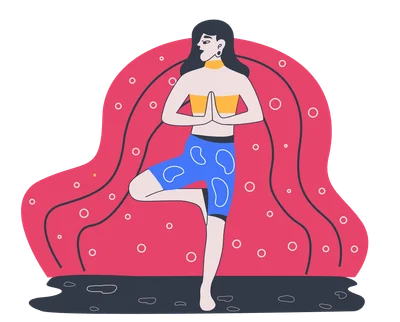
Vrkasana
Standing on one leg with the arms often raised overhead, taking up more vertical space than most people are used to claiming. Staying steady here is a small, physical rehearsal for staying steady anywhere else.
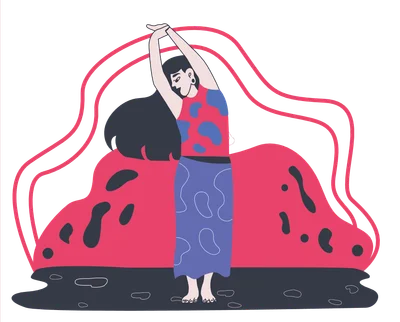
Parshva Tadasana
An upright base with a reach to the side, opening the ribs without collapsing the spine. It's a small pose, and a good reminder that posture doesn't need a big gesture to change something.
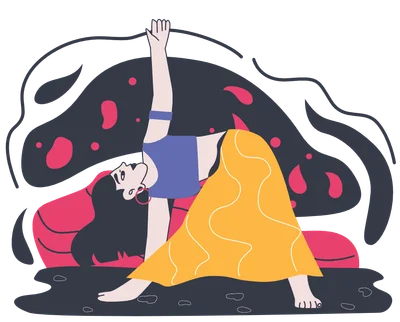
Trikonasana
A long, open line from the back foot to the raised hand, the chest turned fully open to the side. There's nothing folded or guarded about this shape, it's confidence as a literal body position.
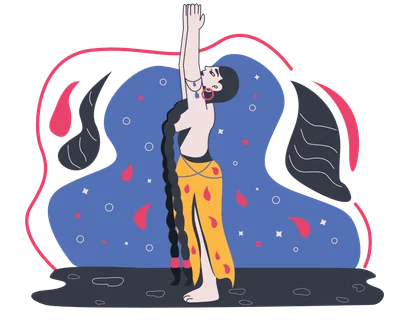
Urdhva Hastasana
Both arms reaching straight overhead, the whole body lengthened and visible. It's about as unguarded a standing shape as yoga has, nothing pulled in or protected.
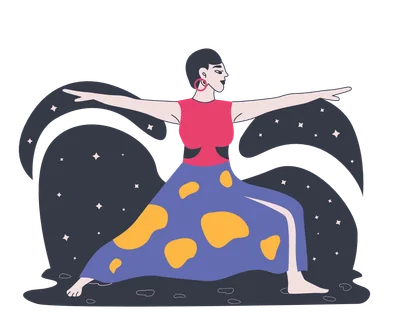
Virabhadrasana II
A wide, grounded stance with the arms spread wide and the gaze fixed forward, past the front hand. This is often the pose people picture when they hear the word warrior, and the name isn't just decoration.
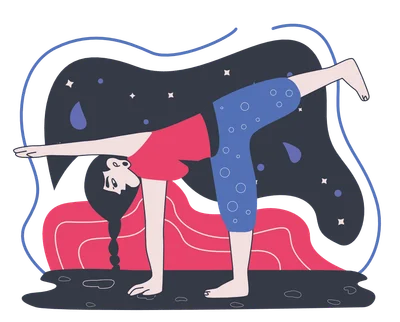
Ardha Chandrasana
One hand, one foot, and the body opened out fully into space with nothing to hide behind. Holding this steady takes real trust in your own base, which is most of what confidence requires anywhere.
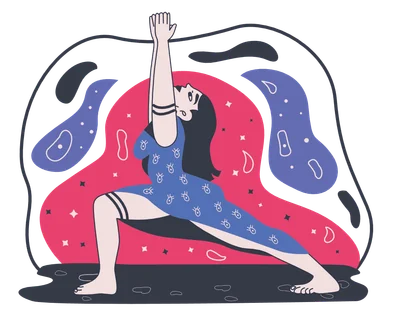
Virabhadrasana 1
A grounded lunge with the arms reaching overhead and the chest lifted toward the sky. The back heel pressing down is what lets the front of the body open this fully without losing the base.
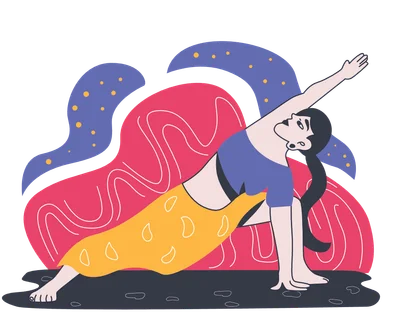
Utthita Parsvakonasana
A long diagonal line from the back foot to the reaching fingertips. It asks you to make yourself as long and as visible as possible, the opposite of shrinking.
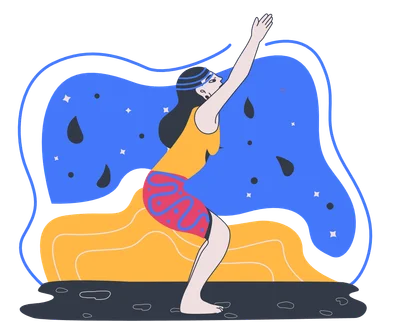
Utkatasana
A held squat with the arms overhead, and it burns, which is most of the point. Staying in something uncomfortable without backing out is a direct, physical form of self-trust.
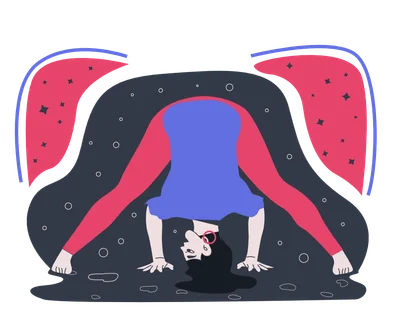
Prasarita Padottanasana
A wide, grounded stance folding forward, weight settling into the crown of the head. It looks vulnerable, upside down and exposed, and staying calm there is its own kind of confidence.
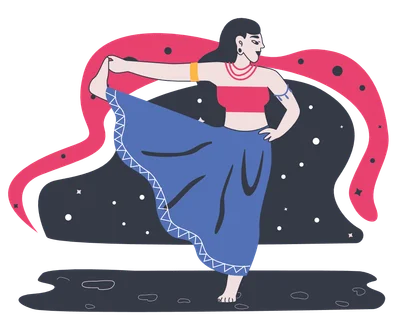
Utthita Hasta Padangusthasana B
A held leg extended out to the side, asking for balance without the option of a narrow, protected stance. There's nothing small about this shape.
Backbends and Chest Openers
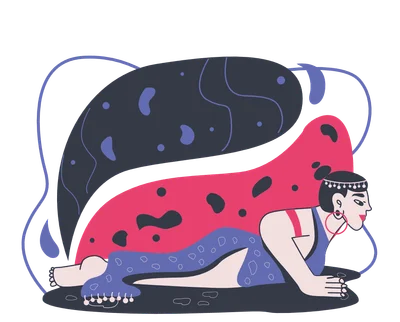
Ardha Bhujangasana
A small lift of the chest off the floor. It's gentle, but it's still an opening rather than a closing, and that direction matters more than the size of the movement.
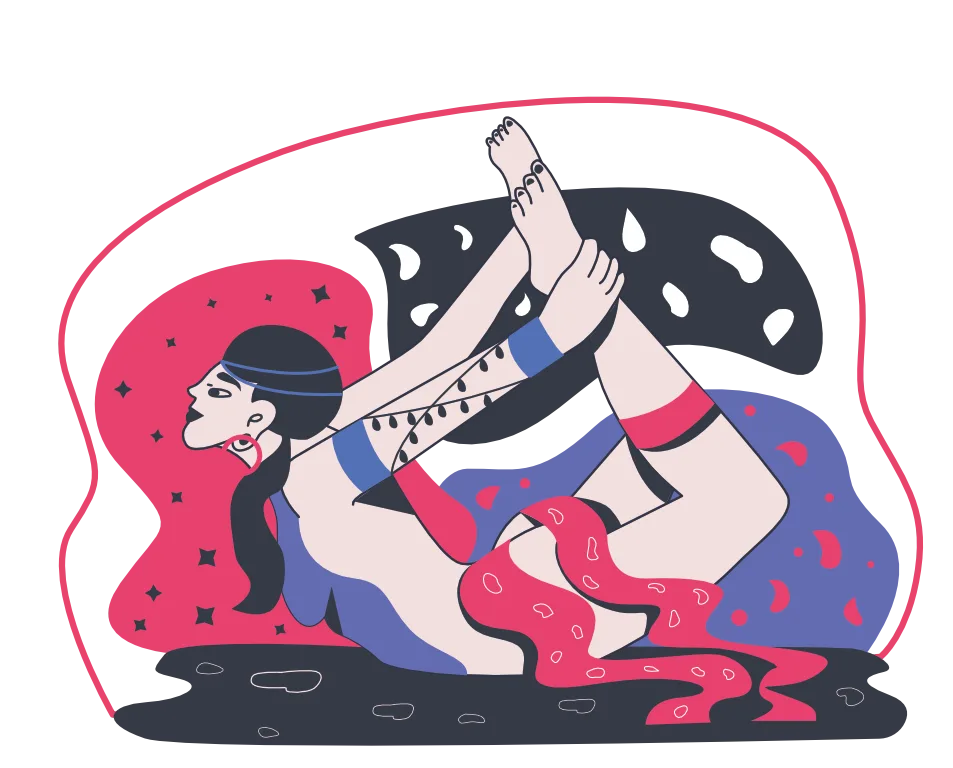
Dhanurasana
Chest and thighs lift together, the whole front of the body on display. There's nowhere to hide in this shape, which is exactly why it works on this particular list.
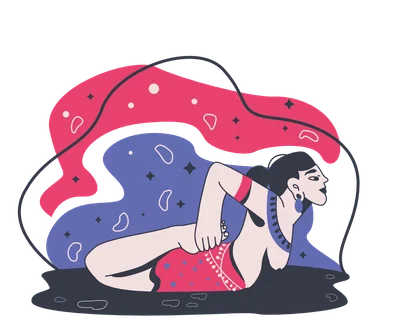
Bhekasana
An intense quad stretch that also opens the chest, held rather than rushed through. Staying with real discomfort instead of tapping out early is a rehearsal for exactly the kind of moment this page is about.
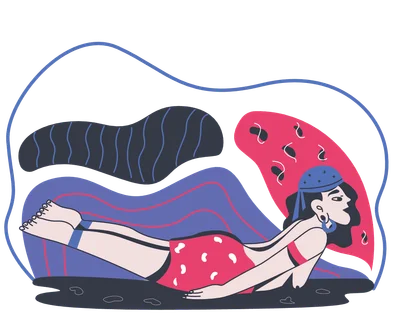
Shalabhasana
A backbend with no hands to lean on, just the back lifting the chest and legs together. It's entirely self-generated effort, nothing external holding you up.
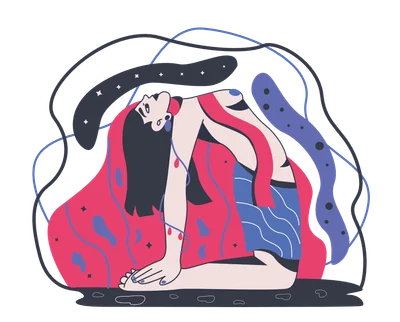
Ustrasana
A kneeling backbend that opens the entire front of the body, throat to hips. Most people find this one genuinely vulnerable to hold, which is precisely why it belongs here.
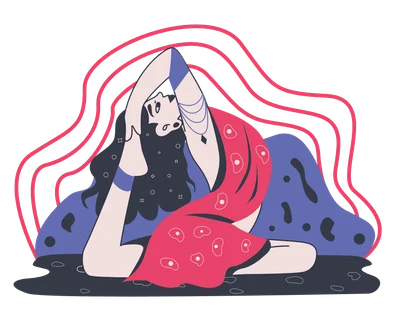
Eka Pada Rajakapotasana
A deep backbend from a kneeling hip opener, front shin angled across the mat. It combines two things that both take real trust, an open hip and an open chest, at the same time.
Kneeling — Holding a Shape You'd Rather Rush
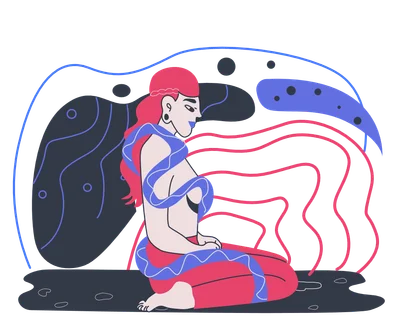
Virasana
Sitting between the heels with the spine tall. It doesn't look demanding, but staying upright here instead of slumping is a small daily choice about how much space you're willing to take.
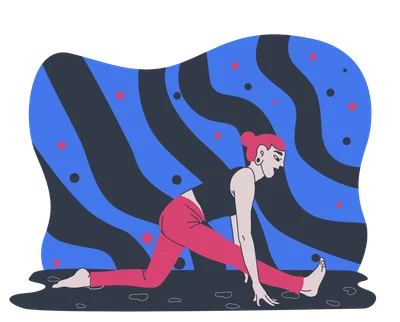
Ardha Hanumanasana
A hamstring stretch that asks you to fold forward slowly and stay there, rather than bouncing out of discomfort. Patience with something difficult is underrated as a form of confidence.
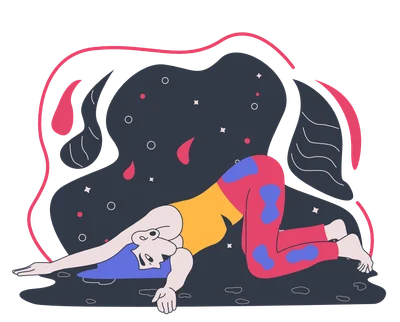
Parsva Balasana
A gentle twist with one arm threaded under the body. It's a quieter pose than most on this page, a reminder that confidence isn't always loud.
Arm Support and Inversions — Trusting Your Own Strength
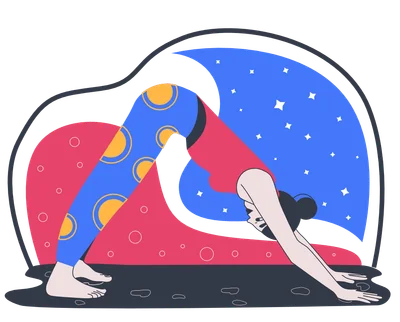
Adhomukha Shvanasana
Hands and feet pressed into the floor, the whole body forming a long, strong triangle. It's a foundational shape, and a good one to return to whenever a pose further down this list feels like too much.
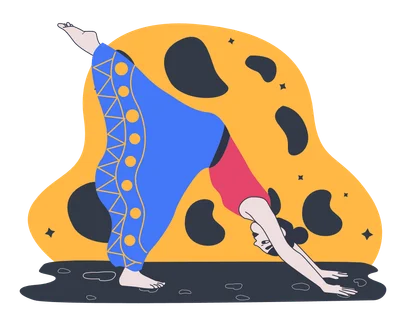
Eka Pada Adho Muhka Svanasana
One leg lifts, and the hands and remaining foot have to hold steady without the fourth point of contact. Losing a support and staying calm anyway is the whole exercise.
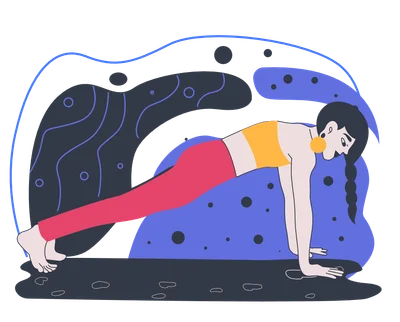
Utthita Chaturanga Dandasana
A straight-arm hold, simple and demanding at once. There's no technique to hide behind here, just the decision to keep holding it a few breaths longer than feels comfortable.
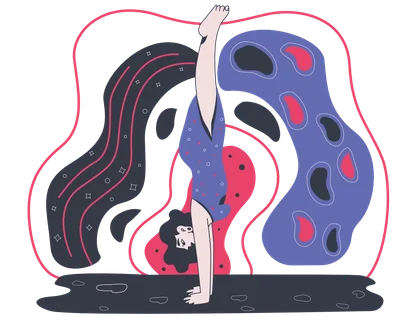
Adho Mukha Vrksasana
A full inversion, balanced entirely on the hands. Most people are afraid of this pose long before they're physically unready for it, which makes it as much about nerve as it is about strength.
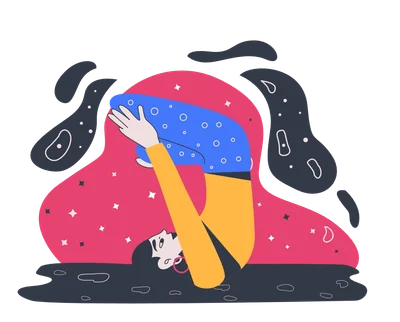
Urdhva Padmasana
Folded legs lifted upside down, usually from another inversion. It asks for commitment to a shape that offers no easy way to bail out halfway through.
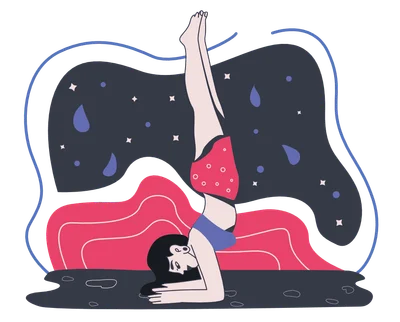
Pincha Mayurasana
An inversion balanced on the forearms, less stable than a handstand and more exposed for it. Getting comfortable with the wobble instead of fighting it is most of what this pose teaches.
Seated and Supine — Quiet Confidence
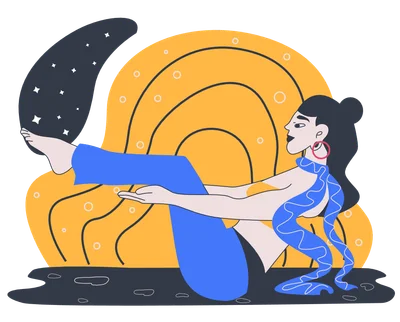
Paripurna Navasana
A held V-shape, balanced on the sitting bones with nothing to lean on. It's uncomfortable fast, and holding it anyway, without a visible strain on your face, is a quiet kind of composure.
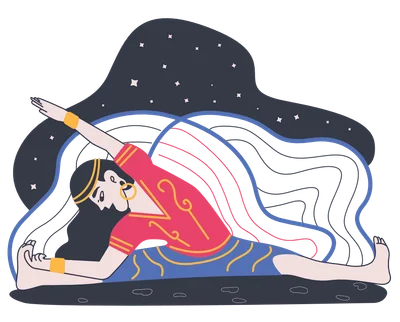
Parivrtta Upavistha Konasana
A wide seated stretch with a reach to the side, opening the ribs the same way the standing side bends do, just closer to the ground and slower.
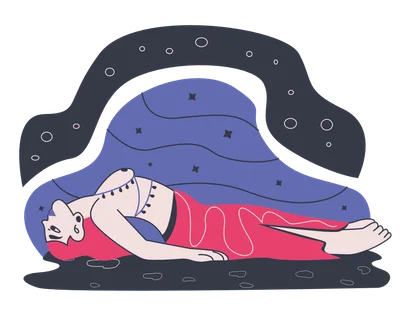
Matsyasana
The chest lifts and the head tips back, throat and heart both exposed. It's one of the more vulnerable-looking shapes on this page, and one of the more grounding to actually hold.
A 20-Minute Confidence Sequence
Same idea as always. Not five random poses, there's a build to it: arrive upright, build through poses that open the body more with each step, meet the pose with the least to hide behind, then prove the same point again lying down.
The practice builds toward the pose with the least to hide behind, Half Moon, arms and legs both extended into open space, and then proves the same point again in a different key, a backbend, then lying still with the chest still open. Confidence built this way tends to stick better than the kind you just decide to have.
Teaching a Self-Confidence Class
Cue the chest and the gaze specifically, not just alignment. Ask students to lift the sternum, widen the collarbones, look slightly up rather than down. Confidence-themed classes work best when you name what you're asking for physically rather than talking about confidence directly, the body doesn't need the concept explained to it. Building a full class around this theme: the Sequence Builder lets you start from any of these poses and adjust hold times, order and how much standing versus floor work you want.
Open the Sequence Builder →Build Your Self-Confidence Practice
Get my practiceFrequently Asked Questions
What makes a yoga pose good for building confidence?
Mostly shapes that open the chest and take up real space, standing poses with wide arms, backbends, balances with nothing to hide behind. Posture and mood run in both directions, and these poses lean on that.
Does standing differently actually change how confident you feel?
There's real disagreement in the research about how big the effect is, but the basic direction holds up, an open, upright posture tends to shift how you feel, at least somewhat, and it costs nothing to try.
How long should I hold a confidence pose?
Five to eight breaths on most standing poses, long enough that the first instinct to shrink or bail out passes and something steadier takes over.
Are these poses suitable for beginners?
Yes, start with Warrior II, Triangle Pose and Upward Salute. Handstand and Forearm Stand further down are worth building toward with support, not starting with. This is general information, not medical advice. See the medical disclaimer.
Related Practices