Asanaverse
yogasphere

Kriya Yoga: The Ultimate Guide to Sacred Practice and Inner Transformation

by Priya SharmaAugust 18, 2026 13 min
Kriya Yoga: The Ultimate Guide to Sacred Practice and Inner Transformation

Let's be real, most people hear "Kriya Yoga" and picture some mystical shortcut to enlightenment. I get it. But after years on the mat and even more years off it, sitting with my own breath, I can tell you it's something way more grounded and way more radical. This guide is my attempt to hand you what took me a long time to piece together myself: Kriya Yoga is literally the yoga of action, a set of specific techniques that fuse breathwork, meditation, and what old texts call inner alchemy. It's not passive contemplation. It's an engine. Yogananda, the teacher who brought this practice west, called it the highway to infinity, and honestly, that's not marketing talk. It's a precise, almost scientific method for accelerating your own evolution. Stick with me here, because what follows isn't theory. It's practice you can actually use.

What is Kriya Yoga? Understanding the Yoga of Action
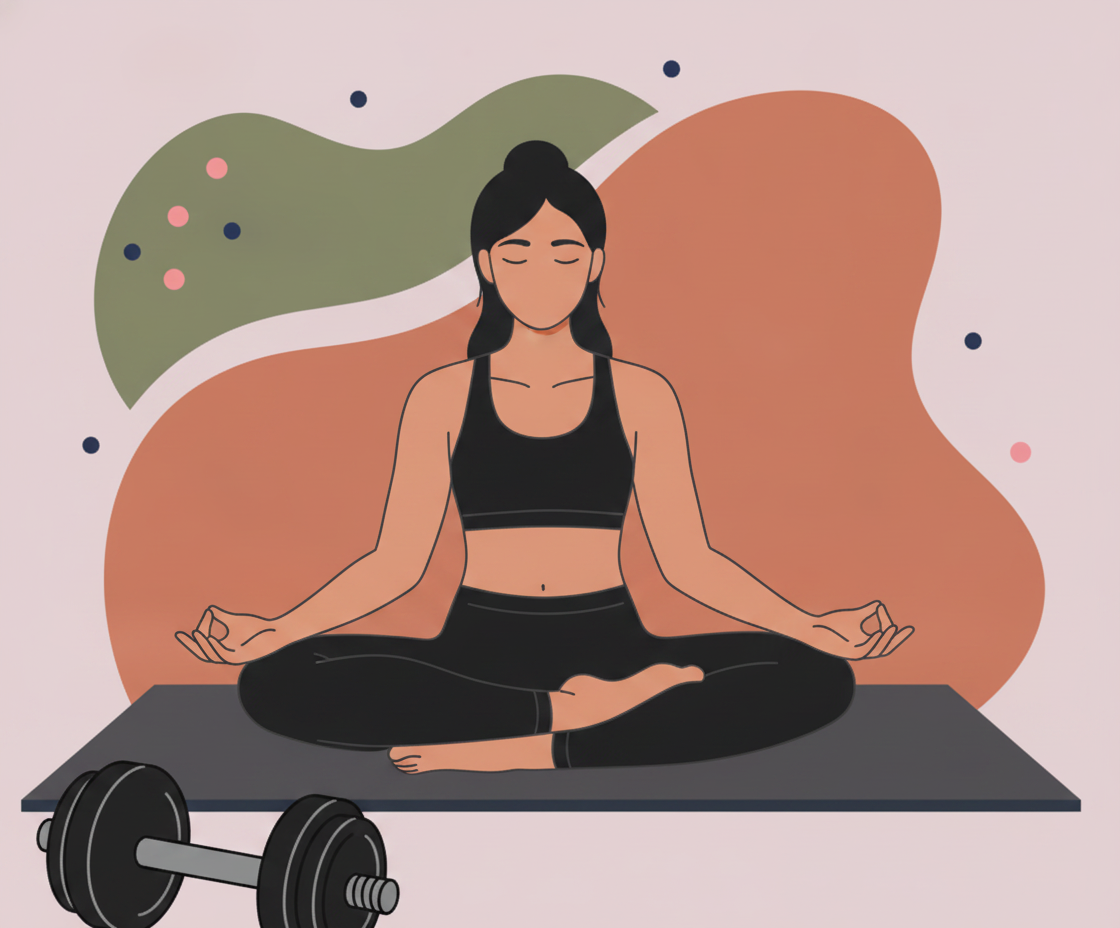
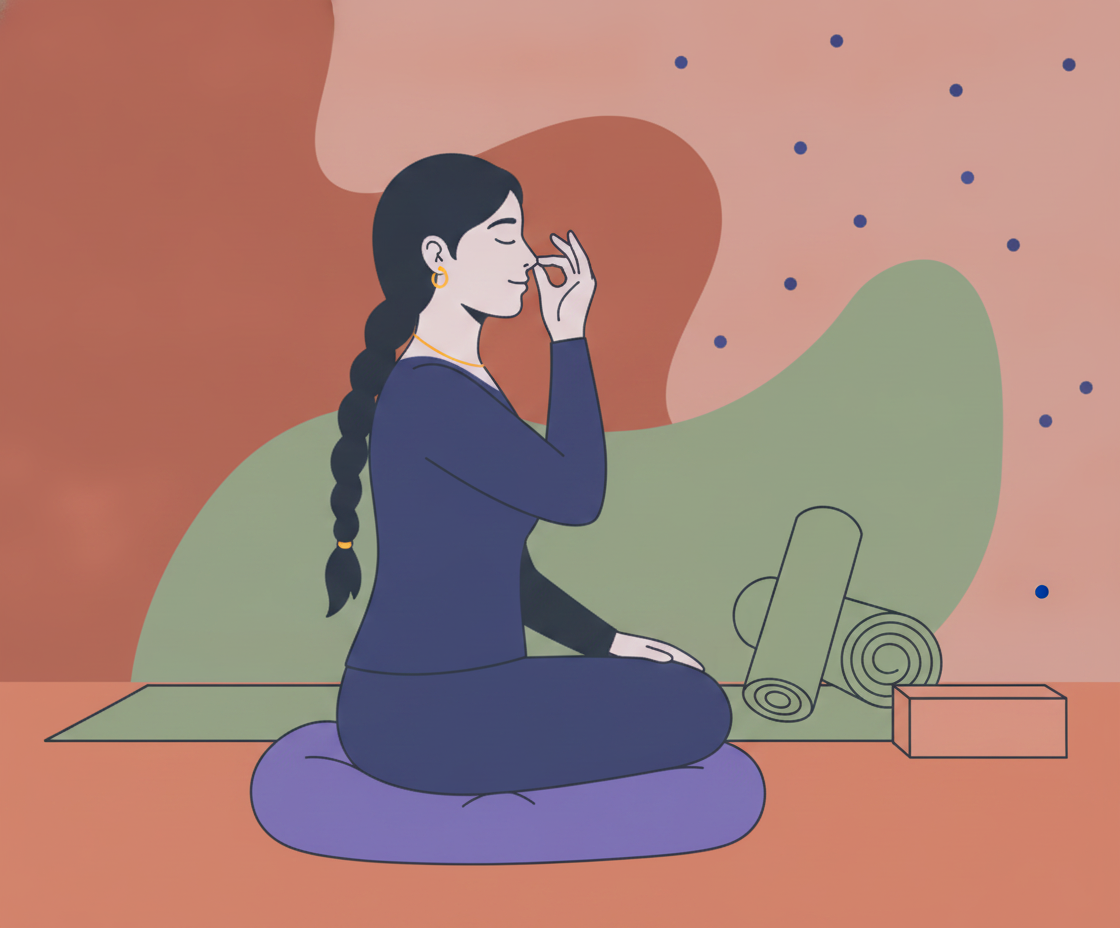
Illustration einer Person in aufrechter Sitzhaltung auf Yogamatte, Wirbelsäule leuchtend, subtile Energieströme sichtbar
Die Wirbelsäule als Energiekanal: Zentral für die Kriya-Yoga-Praxis

The Definition and Philosophy Behind Kriya

So what is Kriya Yoga, actually, once you strip away the mystique? The word Kriya comes from the Sanskrit root kri, meaning action. As the Yogawiki tradition puts it, Kriya Yoga literally means the yoga of action or the yoga of ritual, and it points toward unity and harmony. Not passive unity you wait for, but unity you build through deliberate, repeated action. That's the whole philosophical engine here: you're not asking the infinite to come to you, you're using breath, focused attention, and specific technique to move your own consciousness toward it.

Kriya Yoga in Ancient Texts and Modern Practice

Yoga Aktuial frames it well: Kriya Yoga means union with the infinite through a specific action or rite. That lineage runs from Lahiri Mahasaya, who received these techniques and taught them openly for the first time in modern history, through his student's students to Paramahansa Yogananda, who brought Kriya Yoga to the West. Yogananda called it, through the Self-Realization Fellowship teachings, the freeway to the infinite, a scientific meditation technique rather than blind faith. That framing matters. It's why so many students search for a proper kriya yoga anleitung today, something concrete, not just philosophy.

Why Kriya Yoga Differs from Other Yoga Paths

Here's where it gets practical for your own psychology. Ritualized, repeated action rewires neural pathways, this is basic habit formation science, and Kriya Yoga uses that mechanism on purpose. Every time you practice specific kriya yoga techniques involving controlled kriya yoga breathing, you're not just calming down, you're training your nervous system toward a new baseline. Compare that to Hatha, which works mainly through posture and body, or Bhakti, which works through devotion and surrender. Kriya Yoga pranayama directly manipulates pranic energy, your life force, which is why practitioners describe accelerated progress. If you're wondering about kriya yoga for beginners, know this: it's less about slow unfolding and more about focused, energetic transformation from day one.

The Foundational Techniques: Pranayama and Breathing Methods

Kriya Pranayama: The Sacred Breath Cycle

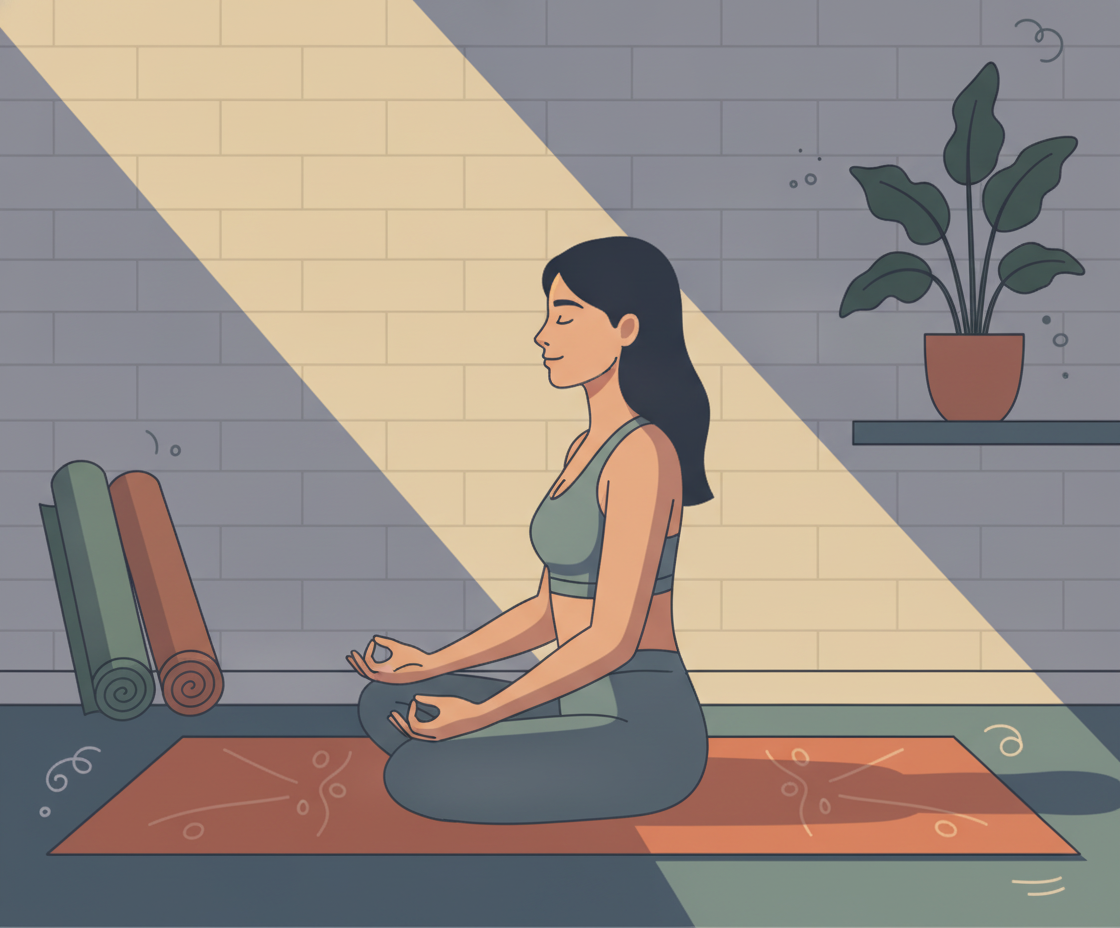
Here's the thing about kriya pranayama, the breathing method at the heart of this whole practice: it's not just deep breathing with better PR. It's a deliberate technique where you guide prana, the life force, up and down the spine in rhythm with inhalation and exhalation. Each cycle is supposed to move energy through the subtle channels that most of us leave completely dormant. This is the technique Paramahansa Yogananda brought to the West after founding the Self-Realization Fellowship in 1920, and it's still the backbone of what the SRF teaches today in its structured, three-technique curriculum. I sit my students in Sukhasana, Easy Pose, for this because the hips need to release without effort. Cross-legged and grounded, the spine stays naturally tall, and that's non-negotiable when you're circulating energy through it.
SchneidersitzAsanaSchneidersitzSukhasanaZur Asana →

Energetic Locks (Bandhas) in Kriya Practice

Bandhas are the part people skip and then wonder why nothing's happening. Think of them as internal valves. Mula Bandha at the pelvic floor, Uddiyana Bandha at the abdomen, Jalandhara Bandha at the throat. Engage them during specific points in the breath cycle and you stop prana from just leaking out the way water leaks from a cracked pipe. My teacher used to say bandhas turn a garden hose into a firehose. Same water, completely different intensity, because now it's contained and directed instead of dribbling everywhere. This is exactly the kind of detail that gets emphasized in hands-on settings like the Babaji's Kriya Yoga Sri Lanka Ashram, where initiation seminars, held in both English and Tamil, walk students through the timing of these locks step by step rather than leaving them to guesswork from a book.

How Breathing Affects Consciousness and Nervous System

This is where kriya yoga pranayama gets genuinely fascinating, and it's not just old texts talking. Slow, controlled breathing directly stimulates the vagus nerve, shifting you from sympathetic activation, that jittery fight-or-flight hum, into parasympathetic rest. A related technique, Sudarshan Kriya Yoga, uses cyclical breath patterns slowed down to around two to four breaths per minute, and it now has more than a hundred peer-reviewed studies behind it, mostly pointing to real reductions in stress markers and improvements in overall wellness. Research on breath regulation also points to increased coherence between brain hemispheres, which practitioners often experience as clearer intuition and sharper focus. I've seen this play out in community settings too, at places like the Maha Kriya Babaji Ashram in Kataragama, where local practitioners come in tense and scattered from daily life and leave meditation intensives visibly calmer, not because anyone promised them enlightenment, but because the nervous system did what it does when you give it a precise rhythm to follow. Casual breathing just keeps you alive. Kriya breathing, with its intention and precise rhythm, actually reorganizes how your nervous system talks to itself.
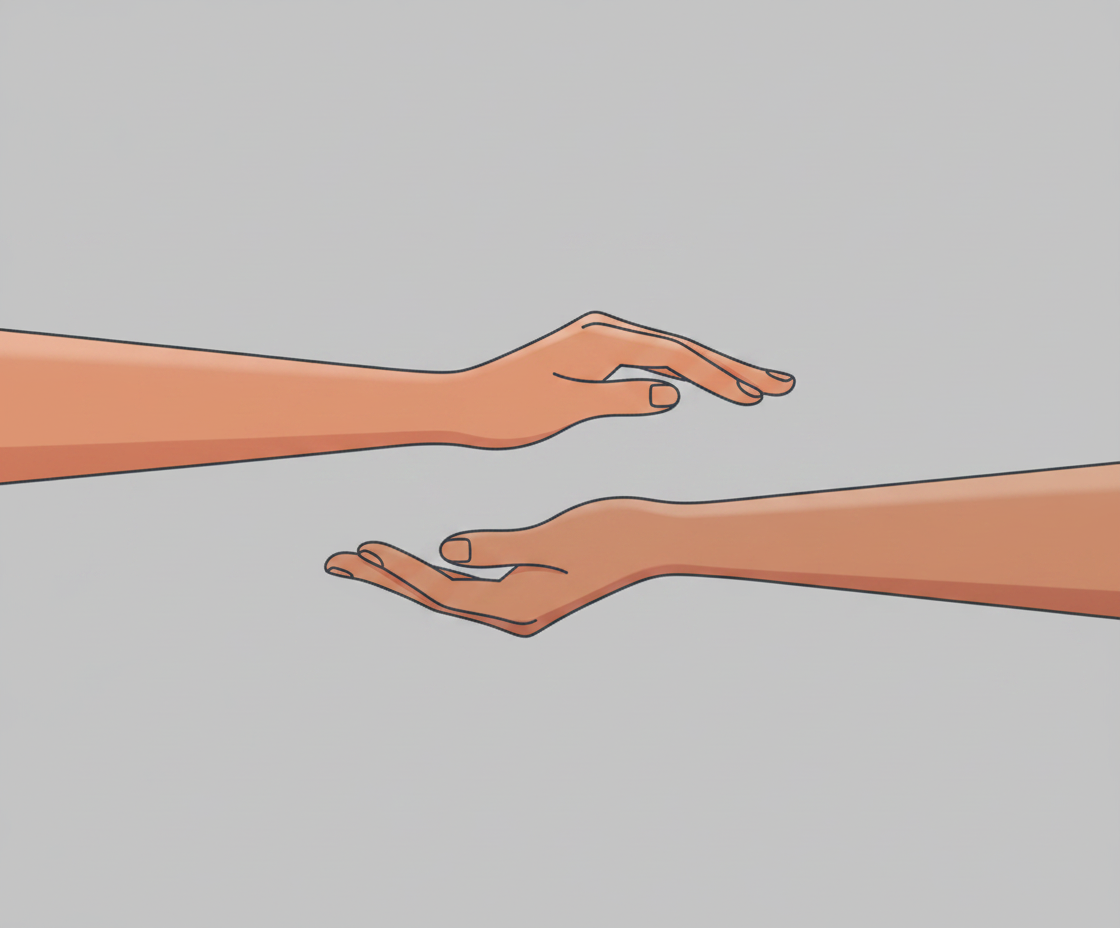
Illustration von Händen in Mudra-Position mit sichtbaren Energieflüssen, anatomische Bandha-Aktivierung dargestellt
Energetische Verschlüsse (Bandhas) aktivieren den Pranastrom

Kriya Yoga for Beginners: Starting Your Practice

Preparing Your Body and Mind for Kriya

Here's a misconception I hear constantly: that Kriya yoga is reserved for grizzled renunciates who've spent decades on a mountain somewhere. Nonsense. What is Kriya yoga at its core? A method, and methods are learnable. What it does ask for upfront is honesty about where you're starting. Spend a week just noticing your breath, your posture, your patience levels when things get uncomfortable. That noticing is the real prerequisite, not flexibility, not some mystical resume.

Psychologically, you're cultivating two things: patience and humility. Patience because pranic shifts happen in weeks and months, not in one dramatic Tuesday session. Humility because your ego wants fast results and Kriya doesn't negotiate with that. Show up anyway.

Essential Poses for Kriya Meditation

Spinal awareness is non negotiable in any kriya yoga anleitung worth following. Energy moves along the spine, and a collapsed or overarched back creates kinks in that circulation, literally and energetically. This is where Padmasana (Lotus Pose) earns its reputation as the classic seat for deep kriya work. The self locking structure of the legs keeps your base rooted while your spine naturally lengthens upward, giving prana a clean channel to move through.
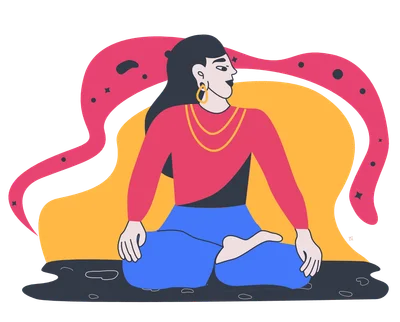
LotussitzAsanaLotussitzPadmasanaZur Asana →

If Padmasana feels like a hostage negotiation with your knees, and for most beginners it does, Sukhasana (Easy Pose) is your honest starting point. It supports the same relaxed alignment needed for kriya yoga pranayama and meditation without forcing joints that aren't ready. Sit on a folded blanket, lift your sitting bones slightly, and let your spine stack like vertebrae balancing coins.

First Steps in Daily Practice

Fifteen to twenty minutes daily beats ninety minutes once a week, every time. Consistency is what turns scattered kriya yoga techniken into an actual shift in your nervous system. Same time, same corner of the room if you can manage it. Your body starts recognizing the cue and settles faster each session.

One more thing nobody tells kriya yoga für anfänger enough: your dinner and your sleep schedule matter as much as your breath count. Heavy food and short sleep blunt the very sensitivity this practice depends on.
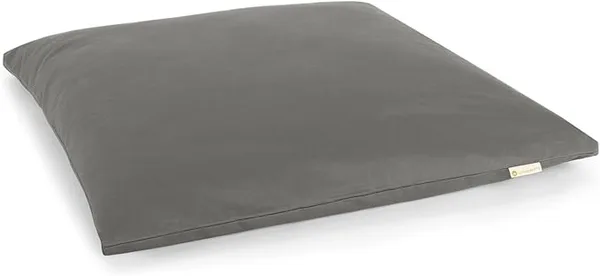
Lotuscrafts Meditationsmatte

Lotuscrafts Meditationsmatte

Shop on AmazonPrice: 70

Advanced Kriya Techniques: Energy Circulation and Inner Alchemy

After weeks of steady practice, once the basic kriya yoga techniken feel settled in your body, meaning you're not fumbling with the mechanics anymore, your teacher will introduce something bigger: circulating prana, the vital life force, through subtle pathways most people never sense in their whole life. This is where kriya yoga anleitung shifts from breath counting into what the old tantric texts call inner alchemy. Nothing mystical for the sake of mystery here. It's precise, almost engineering-like work with attention and breath.

The Microcosmic and Macrocosmic Orbits

The microcosmic orbit is a loop: energy rises up the spine through the central channel, arcs over the crown, and descends down the front of the body back to its starting point. You're basically training attention to travel a closed circuit instead of scattering everywhere. Paramahansa Yogananda, founder of Self-Realization Fellowship, called this the core of what he termed the kriya yoga pranayama technique, describing it as a scientific shortcut to expanded awareness rather than a slow crawl. The macrocosmic orbit extends that same loop outward, dissolving the felt edge between your body and the space around it. Most students I've worked with need months before that boundary softens even slightly, and that's completely normal.

Chakra Activation Through Conscious Breath

Specific breath ratios paired with mental focus on the chakras, the body's energy centers, aren't decoration on top of kriya yoga atmung. They're the mechanism. A slower exhale relative to inhale, held with attention at a particular center, changes nervous system tone in ways somatic psychology now describes through vagal regulation and interoception, your felt sense of your own body. Ancient tantric maps and modern nervous system research are pointing at the same territory from different centuries.

Experiencing Transcendent States

Illustration einer Person in stehender Haltung mit leuchtenden Chakren entlang der Wirbelsäule, umgeben von spiralförmigen Energieströmungen
Chakrenaktivierung und Energiezirkulation im Körper

Long-term practitioners describe kundalini awakening, expanded awareness, and moments where ego boundaries just fall away. Real, but not casual territory. This is what is kriya yoga at its most demanding, and it asks for a stable nervous system, honest self-assessment, and ideally a qualified teacher nearby. Rushing here helps nobody.

The Science and Spiritual Benefits of Kriya Yoga Practice

Here's the thing about Kriya Yoga: it's not just poetic language about union and inner fire. What happens in your nervous system during and after a real Kriya yoga practice is measurable, and that's what makes it worth taking seriously even if you're a skeptic who wants data before devotion.

Measurable Effects on Brain Function and Nervous System

Long-term practitioners of kriya yoga pranayama show increased alpha and theta wave activity on EEG readings, the same brainwave states associated with deep meditation, creative insight, and that pre-sleep drift where your mind gets loose and associative. Cortisol levels tend to drop with consistent practice, heart-rate variability improves, and the parasympathetic nervous system, your rest-and-digest mode, gets stronger and more accessible under stress. As Yoga Aktuell notes in a piece on the science of Kriya Yoga, Kriya Yoga means union with the infinite through a specific action or rite, and what's fascinating is that this ancient framing lines up with what modern nervous-system research keeps confirming. This isn't relaxation in the spa sense. It's active rewiring.

Spiritual Transformation and Consciousness Evolution

Ask any longtime practitioner what is kriya yoga actually doing to them and you'll hear less about breath ratios and more about clarity. People describe a felt sense of purpose sharpening, old reactive patterns loosening their grip, decisions arriving with less mental noise. Some call it intuitive knowing. Others just say life stopped feeling so sticky. Traditional teachings frame this as burning through karmic residue, the accumulated momentum of old patterns. I won't claim science has proven that part. But the subjective reports are consistent enough across students that I take them seriously as data too.

That felt sense of clarity practitioners describe is exactly what the mantra Om Namah Shivaya points to: surrender over control, stillness over noise, transformation over stagnation. As a daily reminder there is our Shiva shirt, so you carry that inner stillness with you long after you've left the cushion.

Om Namah Shivaya - The End of Illusion (BLACK)

Om Namah Shivaya - The End of Illusion (BLACK)

T-Shirt aus der Shiva-Kollektion. Mantra: Om Namah Shivaya. Transformation, Loslassen und Meditation — Wandel geschieht, wenn wir loslassen.

View nowPrice: 35

The Integration Process: Body, Mind, and Spirit

Lotuscrafts Yoga Block

Lotuscrafts Yoga Block

Shop on Amazon

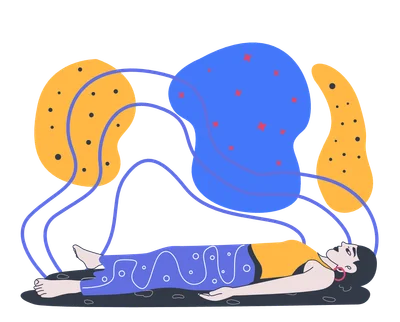
None of this sticks without integration, and that's where Savasana (Corpse Pose) earns its place at the end of every serious kriya yoga anleitung. Lying still after the energetic work lets the nervous system absorb what just happened instead of rushing back into doing mode. This is the paradox worth sitting with: Kriya works energetically, neurologically, and spiritually all at once, and it's genuinely active alchemy, not passive calm. The yoga of action reorganizes consciousness itself, and Savasana is where that reorganization quietly becomes permanent.

TotenstellungAsanaTotenstellungSavasanaZur Asana →

Your Journey Begins: Next Steps in Kriya Yoga Mastery

So where do you actually start? Not with a YouTube playlist at midnight, that much I can tell you. Kriya Yoga techniques carry real charge, and fumbling through them without guidance is like handling a live wire because you read the manual once. What you need is a teacher, a real one, and a bit of patience for the process to unfold properly.

Finding Authentic Lineage and Teachers

Look for lineages with actual transmission history, not influencers who learned kriya yoga pranayama from a forum. Organizations like Self-Realization Fellowship and established Yoga Vidya programs have structured, tested paths with initiation, ongoing support, and teachers who've walked the road themselves. Fragmented online sources give you fragments. A real lineage gives you a container that holds you when the practice gets intense, which it will.

Building a Sustainable Daily Practice

Pick a time, early morning works for most people, and protect it like you'd protect a doctor's appointment. Carve out a corner of your home, nothing fancy, just consistent: a cushion, maybe a candle, a space your nervous system learns to associate with stillness. Commit to a 40-day cycle once you've got proper kriya yoga anleitung from your teacher. Forty days isn't mystical numerology, it's roughly how long it takes your body to stop negotiating with the new habit.

Integration and Real-World Application

Here's the honest part: if your meditation cushion is peaceful but you're still snapping at your partner over dishes, something's incomplete. Real practice shows up as patience in traffic, honesty in hard conversations, less reactivity when someone pushes your buttons. That's the wirkung, the actual effect, of kriya yoga worth tracking, more than any blissful state you chase in silence.

Expect plateaus. Expect days where nothing feels like it's happening at all. This isn't kriya yoga for anfänger with quick fixes, it's a lifelong unfolding, and every teacher I respect describes their own practice as still beginning. Find your teacher, start your forty days, and just watch what quietly shifts underneath your ordinary life.

Sources & further links

Community

Your Experiences

Share your experiences with the community.

Comments are reviewed before publication.