Back Strength
The Muscles That Hold You Upright All Day
The back does an enormous amount of quiet, unglamorous work, holding you upright at a desk, catching you when you bend to pick something up, absorbing the strain of carrying a bag on one shoulder. It rarely gets trained on purpose, mostly because it's harder to isolate at a gym than the muscles you can see in a mirror.
Most of these poses work the back the way it actually gets used, extension against gravity, lifting the chest or the legs without the help of the arms pushing. Locust Pose and Bow Pose in particular ask the back to do the lifting entirely on its own, no hands pressing into the floor to help.
A fair number of these poses are also inversions and forward-leaning holds, which need real back strength just to keep the spine from collapsing, even though they don't look like backbends at first glance.
Maybe it's a lower back that complains after a day of sitting, or shoulders that round forward more than you'd like. Maybe it's just noticing that your back tires faster than your legs on a long day. Back strength tends to get ignored until it's the reason something else goes wrong, a strained lift, a slipped disc scare, and building it before that happens is the better order to do things in.
Prone Backbends — Where the Back Actually Lifts Itself
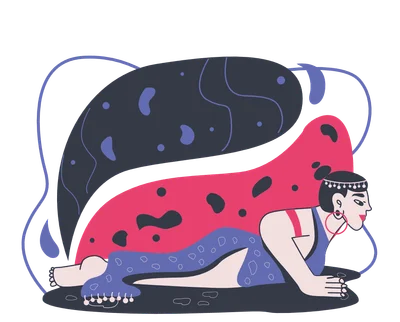
Ardha Bhujangasana
A small lift of the chest off the floor using the muscles of the back alone, no pressing through the hands to help. It's the gentlest version of exactly the strength this whole page trains.
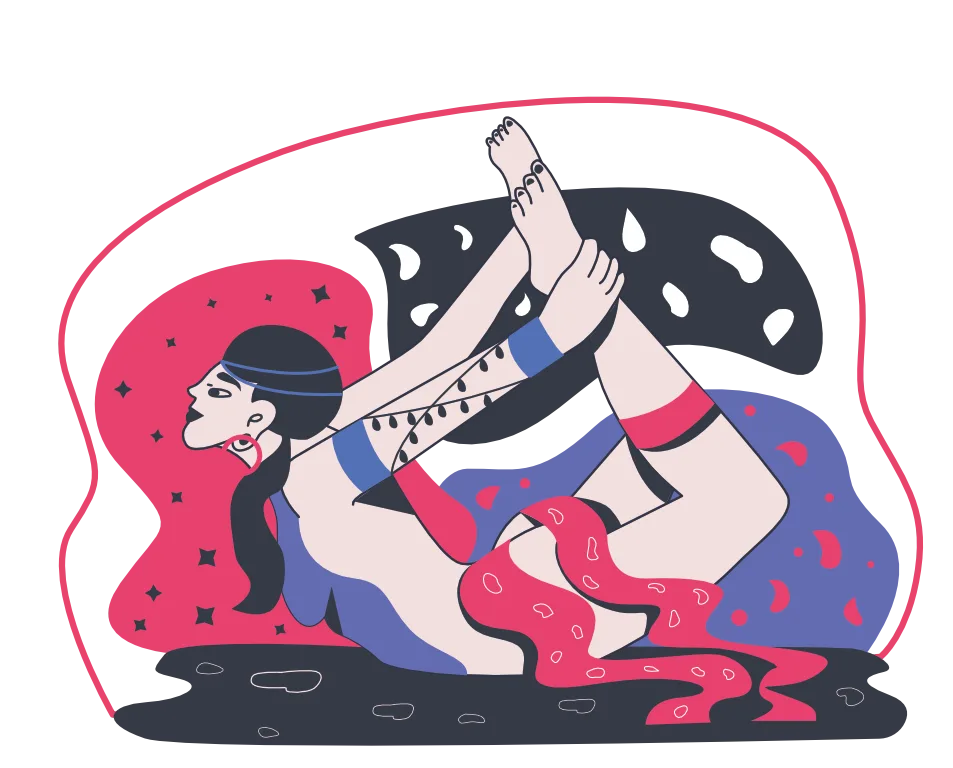
Dhanurasana
Chest and thighs lift together, held by the hands gripping the ankles, and the back has to do real, sustained work to keep both ends in the air at once.
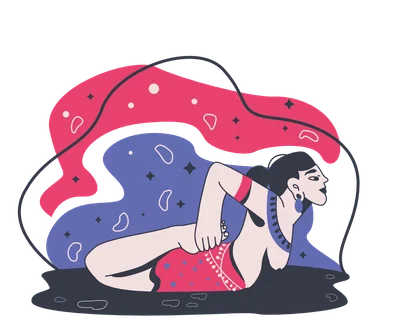
Bhekasana
An intense quad stretch that also demands the back stay lifted and engaged the entire time, not passively along for the ride.
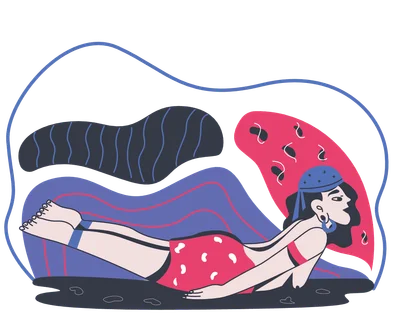
Shalabhasana
No hands to lean on here, just the muscles of the back lifting the chest and legs together. This might be the single most direct back-strength test on the whole site.
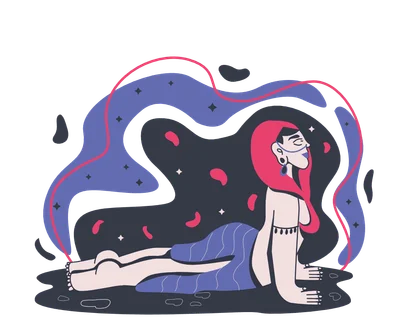
Bhujangasana
A deeper lift than Baby Cobra, and the temptation is to push up mostly with the arms. Keeping the lift coming from the back rather than the hands is the actual point.
Kneeling — Warming Up and Opening
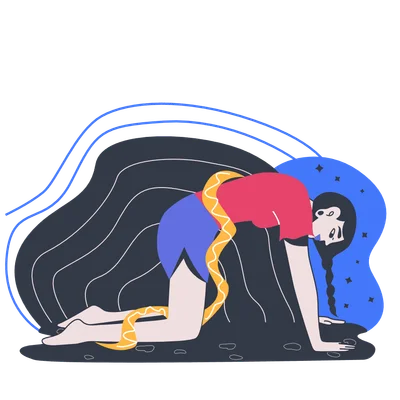
Marjaryasana
The spine rounding and arching slowly. It's a warm-up more than a strength pose on its own, but a back that moves well first tends to strengthen more safely after.
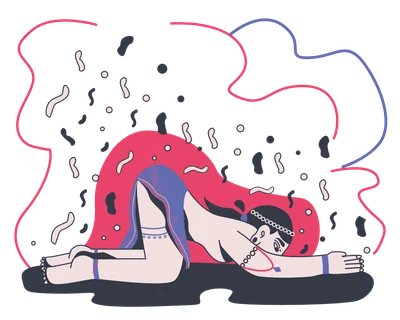
Anahatasana
Hips stay high while the chest sinks, a passive stretch through the muscles that the poses in the first group just worked hard. Strength and release belong in the same practice.
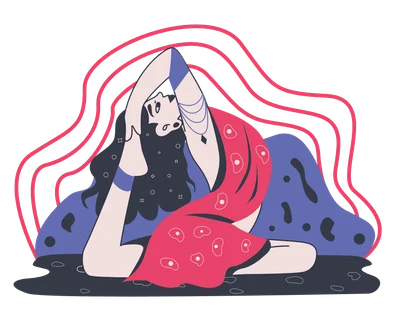
Eka Pada Rajakapotasana
A deep kneeling backbend, reaching back to hold the foot. The back has to stay actively engaged to support the reach, not just along for a passive stretch.
Supine Backbends

Matsyasana
The chest lifts and the head tips back, and the upper back does real work to hold that lift rather than letting the weight rest entirely on the crown of the head.
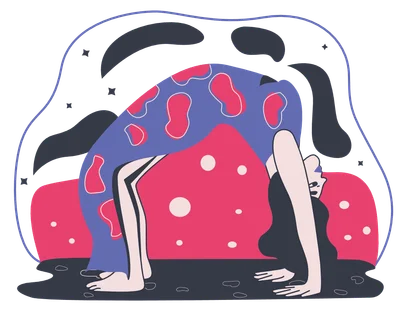
Urdhva Dhanurasana
A full backbend, pressing up from the floor into an arch. The back muscles work alongside the arms and legs here, not as much in isolation as the prone poses above, but genuinely tested all the same.
Inversions — The Back Holding You Upside Down
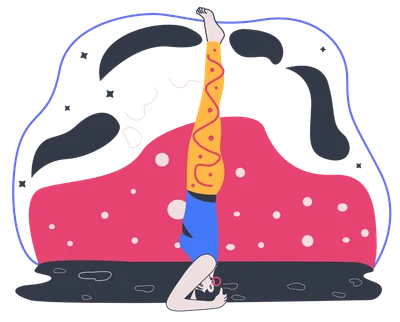
Sirsasana
It doesn't look like a back pose, but keeping the spine long and stacked while upside down takes real, sustained engagement through the whole length of the back.
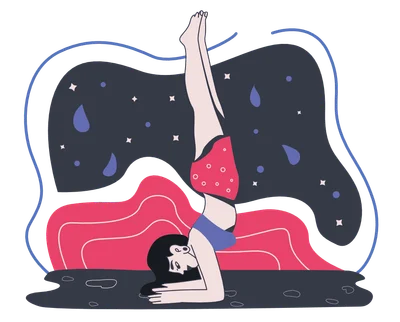
Pincha Mayurasana
The same demand as Headstand, with a less stable base through the forearms. The back has to work harder to keep everything aligned without the head as an anchor point.
Standing, Arm Support and Seated
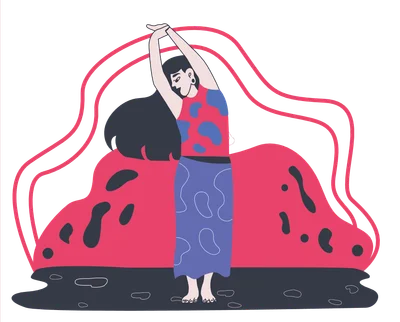
Parshva Tadasana
A gentle reach to the side from a standing base. The muscles along the side of the back have to engage to control the bend rather than just collapsing into it.
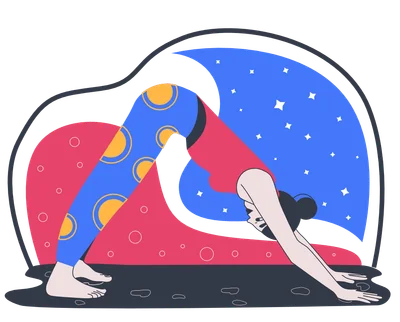
Adhomukha Shvanasana
It reads as a shoulder and hamstring pose, but the muscles along the spine are working to keep the back flat and long rather than rounding under the stretch.
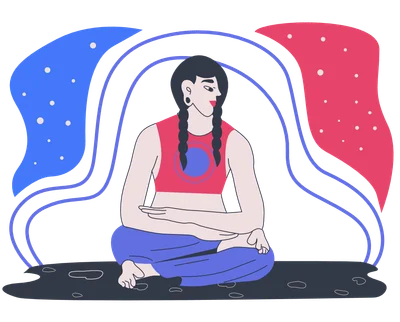
Agni Stambhasana
A deep hip opener, and the back has to stay lifted and engaged to keep the spine tall through an intense seated position, rather than slumping forward to escape it.
A 20-Minute Back-Strength Sequence
Same idea as always. Not five random poses, there's a build to it: arrive with movement, build through backbends of increasing intensity, each one lifting a little more on its own, then release into something passive before closing.
- 1Cat Pose8 rounds
Arrive. The spine warming up, rounding and arching before anything demanding starts.
The practice builds through three backbends of increasing intensity, each one asking the back to lift a little more on its own, before releasing into a passive stretch and a gentler supported backbend to close. Back strength responds well to that kind of graded build, rather than jumping straight to the hardest version.
Teaching a Back Strength Class
Cue the lift to come from the back itself, not from squeezing the glutes or yanking with the arms, most people substitute one of those two the first several times. Always pair a strengthening backbend with a release afterward, Locust Pose followed by Child's Pose or a gentle forward fold, the back needs both in the same practice. Building a full class around this theme: the Sequence Builder lets you start from any of these poses and adjust hold times, order and how much standing versus floor work you want.
Open the Sequence Builder →Build Your Back Strength Practice
Get my practiceFrequently Asked Questions
What makes a yoga pose good for back strength?
Mostly backbends that lift without the hands pressing into the floor to help, Locust Pose and Bow Pose in particular. The back has to do the actual lifting rather than being assisted by the arms.
Is it safe to strengthen the back with backbends if it already hurts?
Gentle backbends like Baby Cobra can help a mildly stiff back, but a back that's actively painful needs a professional opinion first, not a yoga sequence. This page assumes a back that's weak or tight, not injured.
How long should I hold a back-strength pose?
Five to eight breaths on most of these, and it's often better to repeat a shorter hold several times than to force one long hold with poor form.
Are these poses suitable for beginners?
Yes, start with Baby Cobra, Cat Pose and Fish Pose. Wheel Pose and the inversions further down are worth building toward. This is general information, not medical advice. See the medical disclaimer.
Related Practices