Breathing Capacity
The Breath You've Been Taking Without Noticing
Most people breathe into a small fraction of their actual lung capacity most of the day, a shallow rise in the upper chest, barely reaching the ribs, let alone the belly. Stress makes it worse, tightening around the ribs exactly when a fuller breath would help most.
These poses work mostly by opening the spaces breath needs to move into, the sides of the ribcage through side bends, the front of the chest through backbends, the whole shape of the torso through the way a forward fold or an inversion changes what the diaphragm has room to do.
This leans toward Vishuddha, the throat centre, tied to voice and to breath moving freely. Physically, the claim is simpler, a ribcage that can actually expand sideways and forward has more room to breathe into than one that's held rigid.
Maybe it's noticing you sigh a lot without meaning to, the body's way of grabbing a fuller breath than it's been getting. Maybe it's shortness of breath climbing stairs that feels disproportionate to the effort. These poses won't replace a doctor if something's actually wrong, but for an ordinary, tight, underused breath, opening the ribs and the chest tends to help more directly than trying to breathe harder.
Side Bends — Room for the Ribs
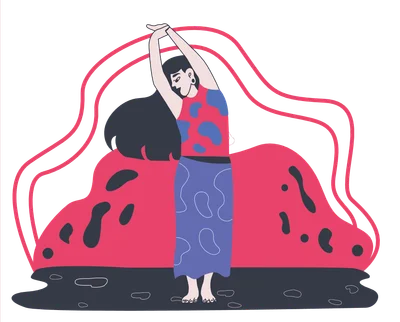
Parshva Tadasana
A gentle reach to the side from a standing base, stretching the ribs on one side apart. It's small, and a good place to notice how much room the ribcage actually has to expand into.
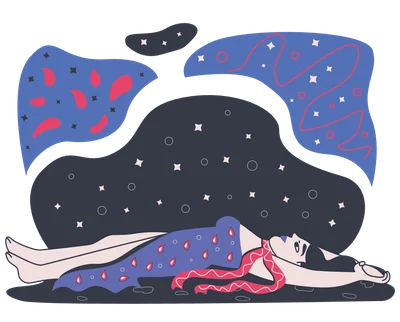
Bananasana
Lying flat and curving the whole body to one side. With gravity out of the equation, this reaches further along the side ribs than most standing side bends can.
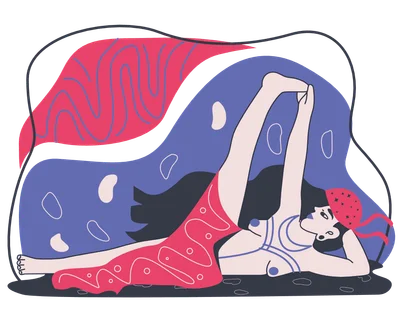
Anantasana
A side-lying balance that opens one whole side of the torso while the other stays grounded against the floor, a different angle on the same lateral space.
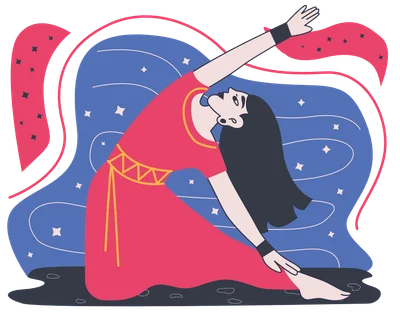
Parighasana
A kneeling side bend, stretching the ribs on one side while the kneeling leg stays grounded. It reaches the muscles between the ribs directly, the ones a shallow breath barely uses.
Backbends — Opening the Front of the Chest
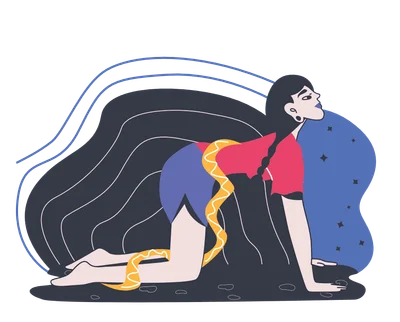
Bitilasana
A gentle backbend from hands and knees, lifting the chest and letting the belly soften down. It's often paired with Cat Pose, and the two together give the ribcage its most basic range of motion, front and back.

Bhujangasana
A deeper lift than Cow Pose, opening the front of the chest against gravity. The ribs get to expand forward in a way a rounded, protective posture never allows.
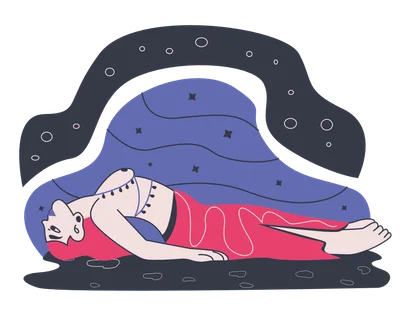
Matsyasana
The chest lifts and the head tips back, opening the throat and the front of the torso fully. It's one of the more direct chest-openers on this page, close to an inhale held in physical form.
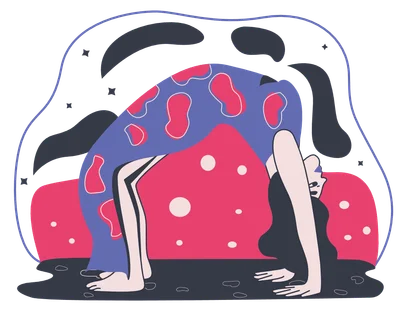
Urdhva Dhanurasana
A full backbend, and the chest opens more here than in almost any other pose on this site. It takes real preparation to reach safely, but the breathing space it creates is considerable.
Forward Folds — the Exhale's Natural Partner
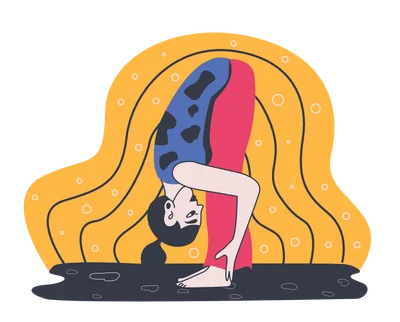
Uttanasana
A full fold that naturally empties the breath as the torso compresses forward. Letting the exhale lead into the fold, rather than fighting it, is most of what this pose asks.
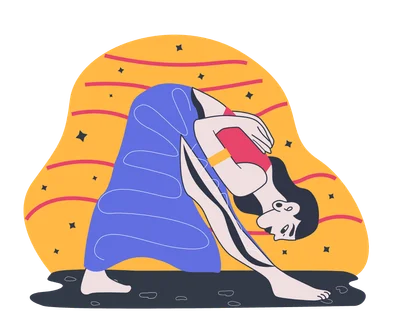
Parshvottanasana
A fold over a front leg, compressing the front of the torso gently. It's a useful counterbalance to the backbends elsewhere on this page, breath needs both directions.
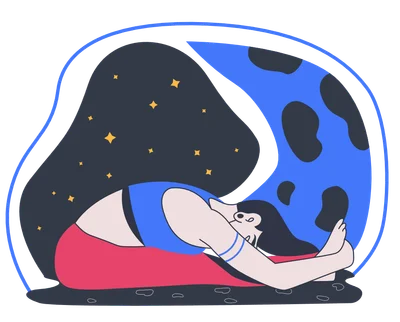
Pashimottanasana
A full seated fold, similarly encouraging the breath to empty as the torso folds down. The point isn't to force a deep breath here, it's to notice the exhale happening on its own.
Inversions — Changing the Mechanics Entirely
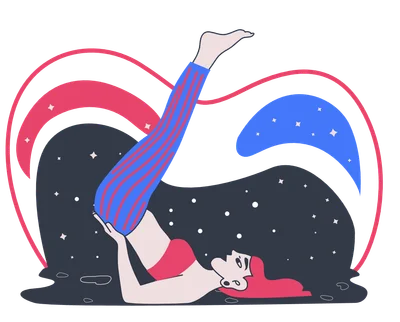
Viparita Karani
Lying with the legs up a wall shifts blood flow and changes the usual work the diaphragm does against gravity. Breath often slows and deepens here without any deliberate effort to make it.
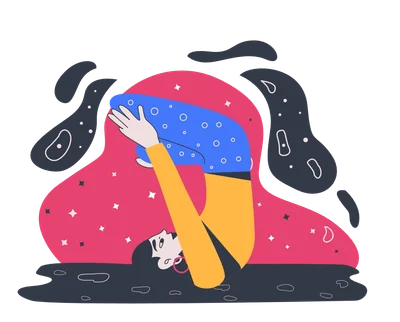
Urdhva Padmasana
Folded legs lifted upside down, usually from another inversion. Breathing here takes real awareness, since the usual relationship between the belly, the ribs and gravity is reversed.
A 20-Minute Breathing-Capacity Sequence
Same idea as always. Not five random poses, there's a build to it: arrive with movement, open the ribs sideways, then the chest forward, meet the deepest opening of the practice, then fold forward and finish upside down.
- 5Standing Forward Bend1 minute
Release. Letting the exhale lead into the fold rather than fighting it.
The practice opens the ribs sideways, then the chest forward, before folding forward to let the breath empty naturally and finishing upside down, where the whole mechanism works differently. Breathing capacity responds to variety like this more than to any single deep-breathing pose held on its own.
Teaching a Breathing Capacity Class
Cue the breath to lead the movement rather than the other way around, inhale to lift into a backbend, exhale to fold forward. Give people permission to breathe loudly, an audible breath is often a fuller one, and self-consciousness about the sound tends to shrink it back down. Building a full class around this theme: the Sequence Builder lets you start from any of these poses and adjust hold times, order and how much standing versus floor work you want.
Open the Sequence Builder →Build Your Breathing Capacity Practice
Get my practiceFrequently Asked Questions
What makes a yoga pose good for breathing capacity?
Side bends and backbends that open the ribcage and the front of the chest, plus inversions that change the usual mechanics of the breath. Forward folds matter too, they give the exhale somewhere natural to go.
Can yoga poses actually increase lung capacity?
They mostly improve how much of your existing capacity you actually use day to day, a tight, guarded ribcage often has room it's simply not accessing. That's a meaningful difference even without changing lung volume itself.
How long should I hold a breathing-capacity pose?
Five to eight breaths on most of these, with attention on the breath itself rather than the shape. The point is what the breath is doing, not how long the pose is held.
Are these poses suitable for beginners?
Yes, start with Cow Pose, Mountain Pose with Side Bend and Legs Up the Wall. Wheel Pose and the inversions further down are worth building toward. This is general information, not medical advice, and not a substitute for medical care for breathing difficulties. See the medical disclaimer.
Related Practices