Chest Opening
The Shape Stress Makes You Fold Into
Watch someone hunched over a phone, or bracing for bad news, or just cold, and the chest almost always does the same thing: it curls inward, shoulders rolling forward to meet it. It's a protective shape, useful in the actual moment of protecting something, and a problem when it becomes the default even when nothing needs protecting.
These poses work by doing the opposite on purpose, lifting the sternum, drawing the shoulders back and down, stretching the pectoral muscles that shorten from all that curling forward. Most are backbends, because extension is simply the direction the chest opens into.
A few poses here are forward folds, which looks contradictory until you notice the cue most teachers give, lead with the chest, keep it lifted and open even as the body folds down. The chest can stay open in a lot of shapes that don't look like opening at all.
Maybe it's shoulders that round forward more than you'd like by the end of the day, or a chest that feels tight without an obvious reason. Maybe it's just wanting the counter-stretch to hours spent curled over a screen. The chest tends to respond quickly to being opened regularly, this isn't a slow, months-long project.
Prone Backbends — The Direct Route
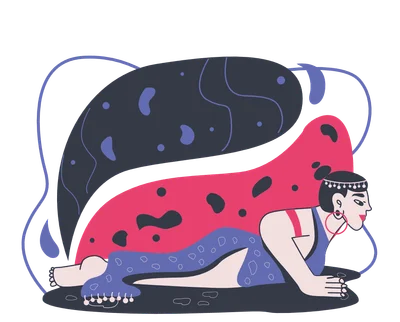
Ardha Bhujangasana
A small lift of the chest off the floor. It's the gentlest way into this whole page, and a good reference for what an open, unguarded chest actually feels like.
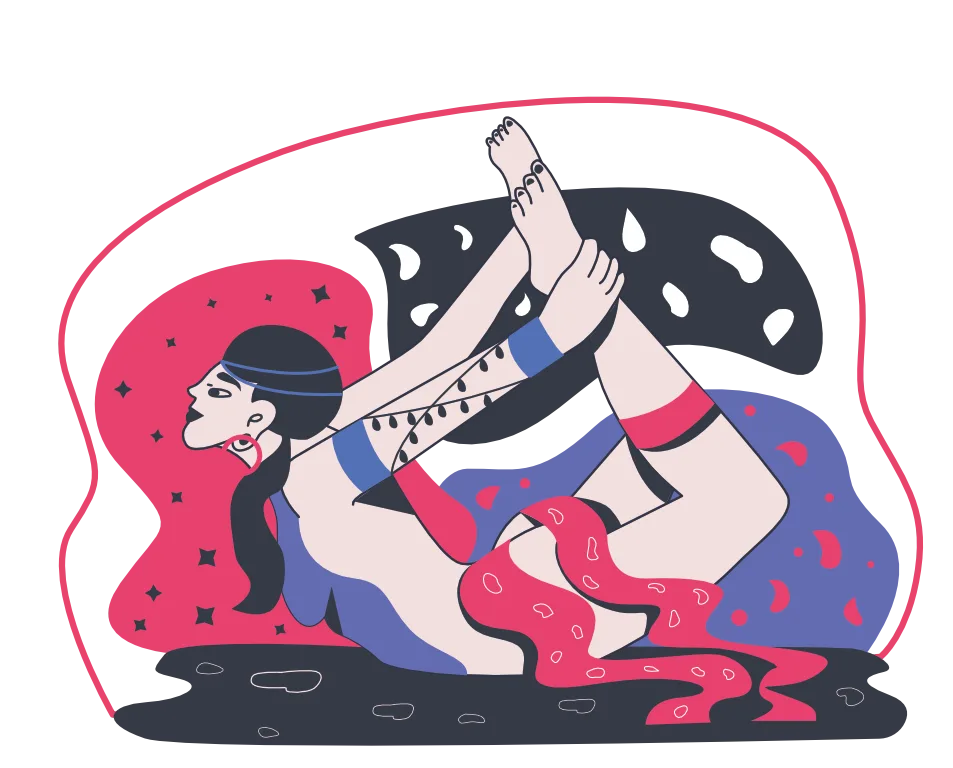
Dhanurasana
Chest and thighs lift together, held by the hands gripping the ankles. The chest opens more here than in the smaller backbends, with the whole front line of the body stretching at once.

Bhekasana
An intense quad stretch that also keeps the chest actively lifted throughout, not passively along for the ride.

Bhujangasana
A deeper lift than Baby Cobra, and the chest opens further the higher the lift goes, provided it's the back doing the work and not just the arms shoving up.
Kneeling — Gentle and Passive
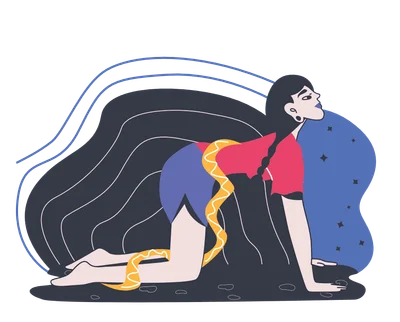
Bitilasana
A gentle backbend from hands and knees, the chest lifting as the belly softens down. Paired with Cat Pose, it gives the chest its most basic, repeatable opening.
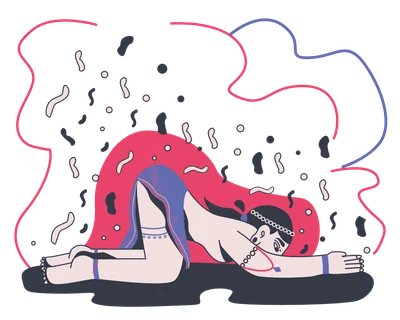
Anahatasana
Hips stay high while the chest sinks toward the floor, a passive stretch rather than an active lift. It reaches the same muscles as the poses above without asking for any effort to get there.
Standing and Supine — Chest Open Under Different Loads
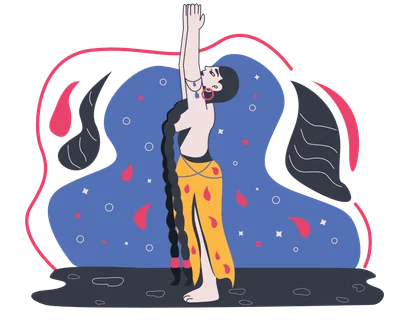
Urdhva Hastasana
Arms reaching overhead lengthens the whole front line, including the chest, in a way that's easy to do daily without much effort.
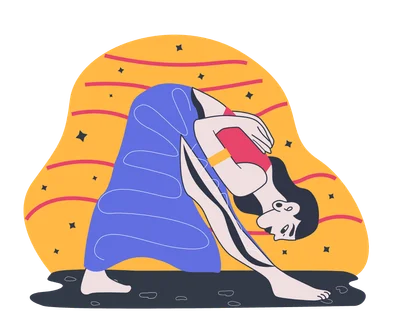
Parshvottanasana
Often done with the hands in reverse prayer behind the back, which opens the chest and shoulders directly, layered on top of the fold over the front leg.
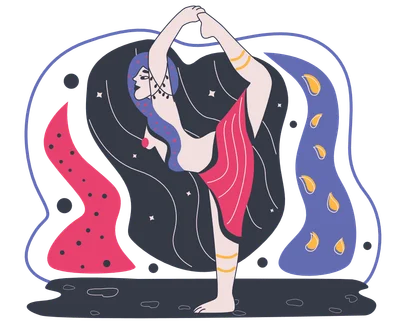
Natarajasana
The chest opens forward and up as one leg lifts and extends back. It's one of the more exposed, unguarded chest positions on this whole page.
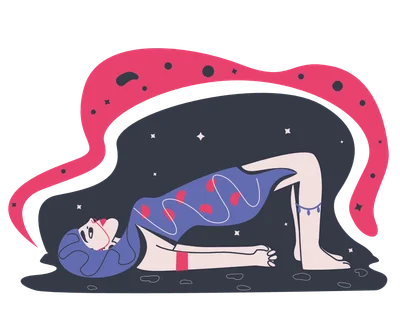
Setu Bandha Sarvangasana
The hips lift while the shoulders stay grounded, opening the chest from underneath rather than from the front, a genuinely different angle on the same stretch.
Arm Support and Seated — The Ones That Surprise You
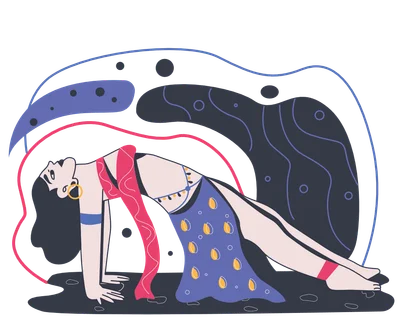
Purvottanasana
Hands and feet on the floor, the whole body lifted into a line facing away from where you can see. The chest opens fully here, supported by the arms rather than the back alone.
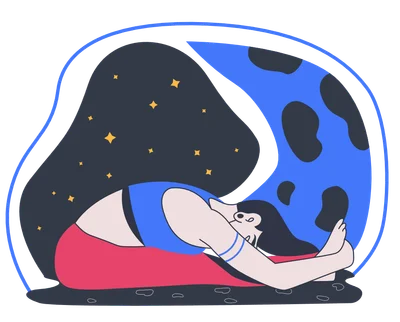
Pashimottanasana
It reads as a hamstring pose, but the common cue, lead with the chest rather than rounding the back, keeps the front of the torso open even as the whole shape folds forward.
A 20-Minute Chest-Opening Sequence
Same idea as always. Not five random poses, there's a build to it: arrive with movement, build through backbends that open the chest a little further each time, meet the deepest opening of the practice, then release and close from a different angle.
The practice builds through three backbends of increasing depth, each one opening the chest a little further, before releasing into a passive stretch and finishing with the chest opened from a completely different angle. The chest tends to open more willingly across a few varied shapes than under one long, forced stretch.
Teaching a Chest Opening Class
Cue the lift to come from the chest and the back, not from cranking the neck back, that substitution is common and it takes the stretch away from where it should be. Pair every chest-opening backbend with something neutral or gently forward afterward, the front of the body needs a chance to settle before the next pose. Building a full class around this theme: the Sequence Builder lets you start from any of these poses and adjust hold times, order and how much standing versus floor work you want.
Open the Sequence Builder →Build Your Chest Opening Practice
Get my practiceFrequently Asked Questions
What makes a yoga pose good for chest opening?
Mostly backbends, since extension is the direction the chest actually opens into. A few forward folds count too, when the cue is to lead with an open chest rather than rounding the back.
Is chest opening the same as heart opening?
They overlap a lot, but heart-opening usually points at the emotional side of these shapes, while this page stays with the physical mechanism, the pectoral muscles and the front of the shoulders specifically.
How long should I hold a chest-opening pose?
Five to eight breaths on the active backbends, longer, thirty seconds to a minute, on the passive ones like Heart-Melting Pose.
Are these poses suitable for beginners?
Yes, start with Baby Cobra, Cow Pose and Upward Salute. Bow Pose and Dancer Pose further down are worth building toward. This is general information, not medical advice. See the medical disclaimer.
Related Practices