Hamstring & Leg Flexibility
The Length the Legs Lose Without Noticing
Tight hamstrings are so common they've almost stopped counting as a problem, most people just accept a certain amount of pull behind the knees as normal. Quads shorten too, especially from a lot of sitting, the hip flexor and the front of the thigh both staying in a slightly folded position for hours.
This page splits fairly cleanly into the two big muscle groups doing most of the work, the hamstrings at the back of the leg and the quadriceps at the front, plus a handful of poses that ask for that length under a real standing or balancing load instead of a passive floor stretch.
Leg flexibility is more specific than hip mobility, this is about the length of individual muscles running the length of the thigh, not the range of the joint itself. Related, but not quite the same question.
Maybe it's hamstrings that stop a forward fold well before the back does, or a quad stretch that feels like it's barely moving. Maybe it's just wanting to touch your toes without bending your knees. These muscles respond to regular, patient stretching more than to one intense session, the length comes back gradually, not all at once.
Hamstrings — The Back of the Leg
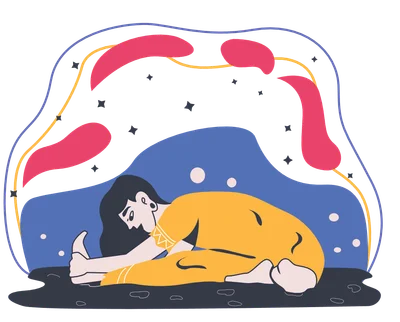
Janu Shirsana
One leg extends straight, the torso folding forward over it. This isolates one hamstring at a time, which makes it easier to notice a real difference between the two sides.
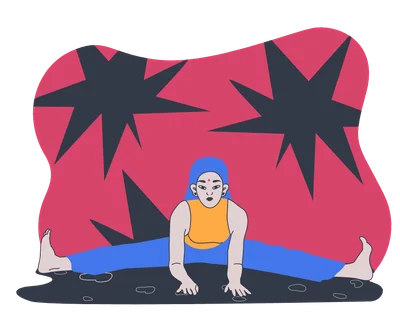
Upavistha Konasana
Both legs wide, folding forward between them. It reaches the inner hamstring and the adductors together, a slightly different angle than a straight-ahead fold.
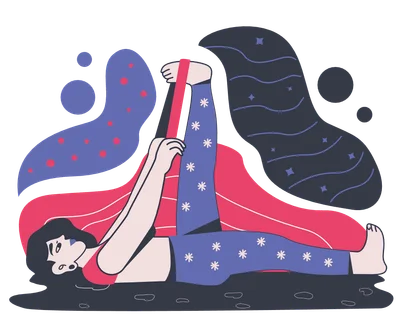
Supta Hasta Padangusthasana
Lying down removes the balance challenge entirely, so the hamstring gets the whole focus instead of splitting attention with staying upright.
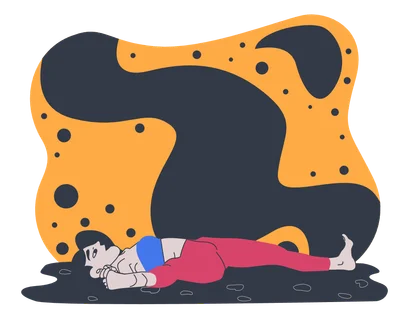
Supta Hasta Padangusthasana B
The same starting shape, leg opening out to the side instead, reaching a slightly different portion of the hamstring and the inner thigh.
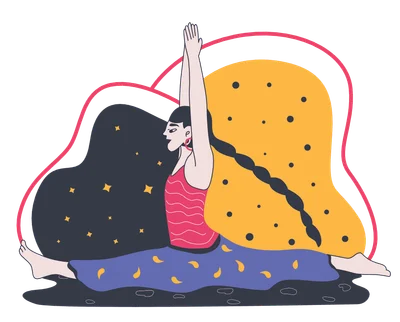
Hanumanasana
The front hamstring and the back hip flexor both stretch to their limit at once. It's usually the pose people spend months working toward, and the wait is normal, not a sign of tight hamstrings specifically.
Quadriceps — The Front of the Leg
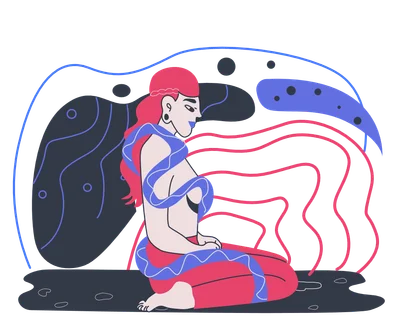
Virasana
Sitting between the heels stretches the quadriceps and the fronts of the ankles in a way most seated poses never reach.
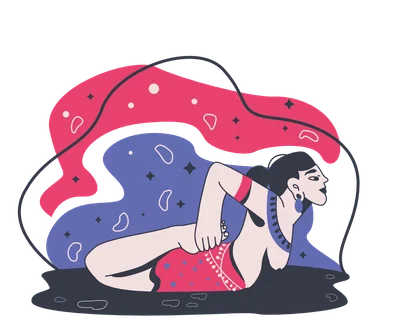
Bhekasana
One of the more intense quad stretches on the whole site, holding both feet at once. It's worth building toward gradually rather than forcing on day one.
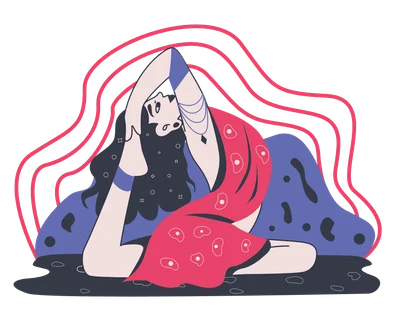
Eka Pada Rajakapotasana
The back leg's quadriceps stretches deeply as the shin angles across the mat and the chest lifts. It's a backbend and a quad stretch happening in the same shape.
Standing and Arm Support — Flexibility Under Load
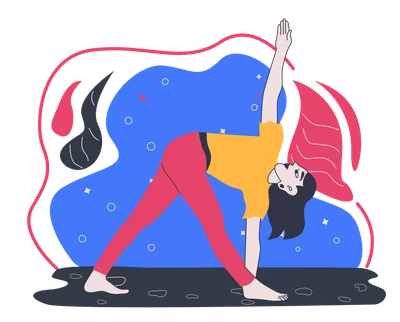
Parivrtta Parsvottanasana
A hamstring stretch over the front leg, made harder by the narrow stance and the twist added on top. The flexibility has to hold up under balance and rotation at once.
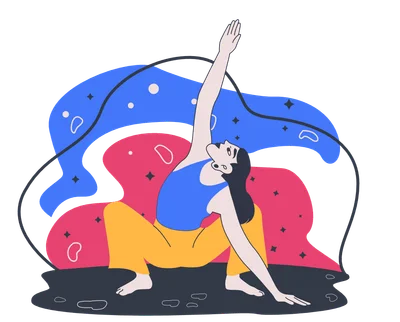
Parivrtta Malasana
A deep squat that stretches the calves and ankles as much as anything higher up the leg, a part of leg flexibility that's easy to overlook.
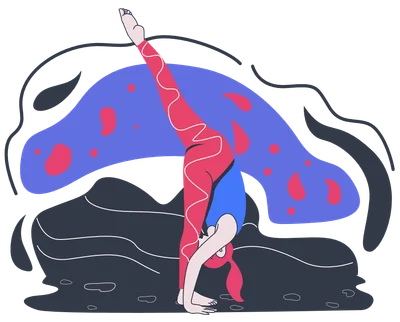
Urdhva Prasarita Eka Padasana
The lifted leg's hamstring stretches while the standing leg's hamstring holds the fold, both legs working the same muscle group in completely different ways at once.
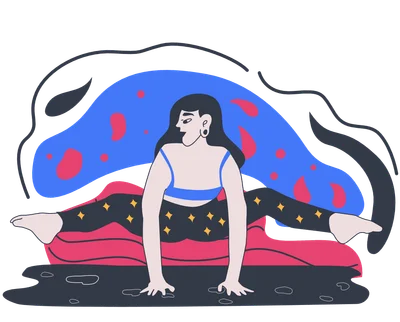
Tittibhasana
The legs straighten out fully while the hips lift off the ground, asking for hamstring length while the arms are also holding real weight, a rare combination.
A 20-Minute Leg-Flexibility Sequence
Same idea as always. Not five random poses, there's a build to it: arrive, stretch the hamstrings from three different angles, meet the deepest stretch of the practice, then release into a quad counter-stretch and close lying down.
- 2Head-to-Knee Forward Bend1 minute each side
Build. One hamstring at a time, easy to notice a real difference between sides.
- 3Wide-Angle Seated Forward Bend1 minute
Build. A wider angle, reaching the inner hamstring and the adductors.
- 4Splitsas far as feels honest
Peak. The deepest stretch of the practice, worked toward patiently, never forced.
- 5One-Legged King Pigeon1 minute each side
Release. The quadriceps of the back leg stretching, the opposite direction from everything before it.
- 6Reclining Hand-to-Big-Toe Pose1 minute each side
Close. Lying down, gravity doing the work instead of effort.
The practice moves through the hamstrings from three different angles, seated, standing, and finally lying down, before finishing with a supported version that lets gravity do the work instead of effort. Flexibility built this way tends to hold better than a single deep stretch pushed too far.
Teaching a Hamstring & Leg Flexibility Class
Warm the muscle before stretching it deeply, a few rounds of gentle movement before a static hold like Splits reduces the risk of pushing a cold muscle too far. Offer blocks or a strap for the hamstring poses especially, and remind students that tight hamstrings are common, not a personal failing. Building a full class around this theme: the Sequence Builder lets you start from any of these poses and adjust hold times, order and how much standing versus floor work you want.
Open the Sequence Builder →Build Your Hamstring & Leg Flexibility Practice
Get my practiceFrequently Asked Questions
What makes a yoga pose good for leg flexibility?
A direct, sustained stretch through either the hamstrings or the quadriceps, held long enough for the muscle to actually lengthen rather than just being asked to.
Why are my hamstrings so much tighter than the rest of my body?
Mostly sitting, which keeps the hamstrings in a shortened position for hours most days. They're also a large, commonly used muscle group, so tightness there tends to be noticed more than tightness elsewhere.
How long should I hold a leg-flexibility pose?
At least thirty seconds, up to a minute or two on the deeper stretches like Splits. Flexibility responds to sustained holds more than to quick, repeated pulses.
Are these poses suitable for beginners?
Yes, start with Head-to-Knee Forward Bend and Hero Pose, using a block or a strap if the stretch feels too intense. Splits and Firefly Pose further down are worth building toward. This is general information, not medical advice. See the medical disclaimer.
Related Practices