Overall Strength
The Kind of Strong That Doesn't Specialize
Gym training tends to isolate, one machine for the legs, another for the back, a third for the arms. The body doesn't actually work that way outside a gym. Carrying groceries up a flight of stairs uses your legs, your core, your grip and your shoulders more or less all at once, and that's the kind of strength this page is about.
None of these poses target one muscle group cleanly. Chaturanga asks the arms, shoulders, core and legs to hold a line together. Warrior III asks the standing leg, the core and the back all at once just to stay level. That overlap is the point, not a design flaw.
This tag sits closer to Muladhara than any other centre, mostly because so many of these poses are grounded, effortful standing and arm-support shapes. But the honest answer is that overall strength is less about one centre and more about everything working together.
Maybe it's noticing that everyday tasks, moving furniture, carrying a heavy bag, catching yourself when you trip, feel harder than they should. Maybe you've done plenty of isolated strength work and still feel weak in ways that are hard to name. These poses build the kind of strength that shows up in awkward, real-life positions, not just in a controlled gym movement.
Full-Body Holds — Everything Working at Once
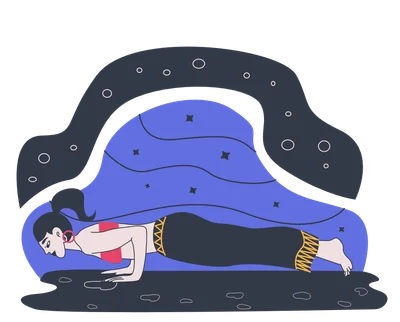
Chaturanga Dandasana
A low hover between plank and the floor, and there's no isolating one muscle here, the arms, shoulders, core and legs all hold the line together or the whole shape collapses.
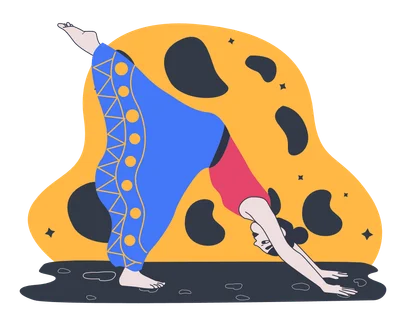
Eka Pada Adho Muhka Svanasana
One leg lifts from Downward Dog, and the arms, shoulders and standing leg all have to compensate together for the missing point of contact.
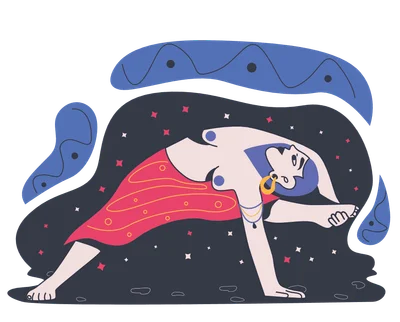
Visvamitrasana
A demanding arm balance with a deep side stretch, asking the arms to hold weight while the legs and core manage an extended, off-centre shape at the same time.
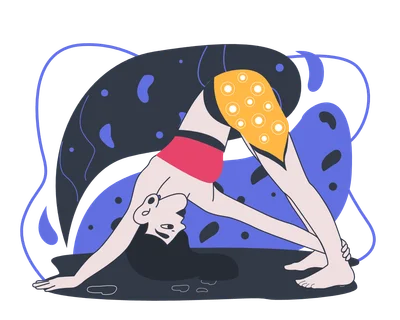
Parivrtta Adho Mukha Svanasana
A twist added to Downward Dog, one arm threading under the body. The base has to hold steady through the arms and legs while the spine does something else entirely.
Standing — Strength Through the Whole Chain
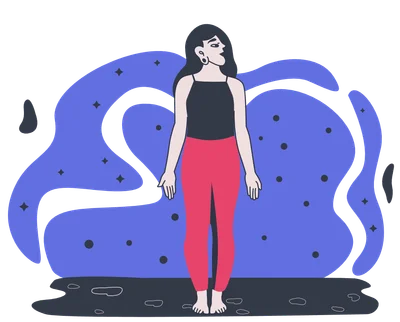
Tadasana
It looks like standing still, but holding genuinely even weight and posture uses small stabilizing muscles from the feet to the shoulders, all quietly working together.
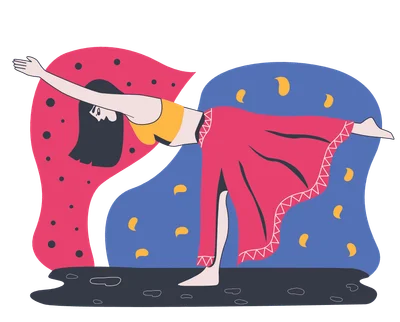
Virabhadrasana 3
The whole body balances parallel to the floor on one leg, and there's no single muscle group doing the work, the standing leg, the core and the back all have to hold the line at once.
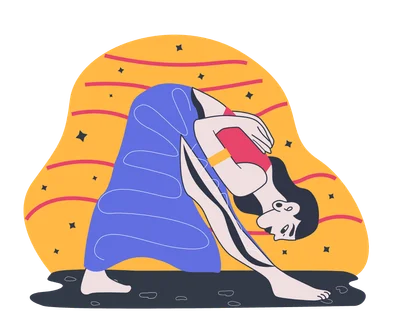
Parshvottanasana
A fold over a front leg with both feet planted evenly. The legs, the core and the back all have to cooperate to keep the spine long instead of collapsing forward.
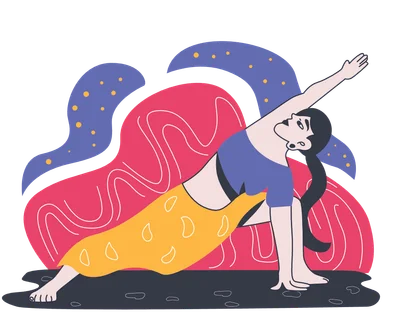
Utthita Parsvakonasana
A long diagonal line from the back foot to the reaching fingertips, using the legs, the core and the shoulders together to hold the extension.
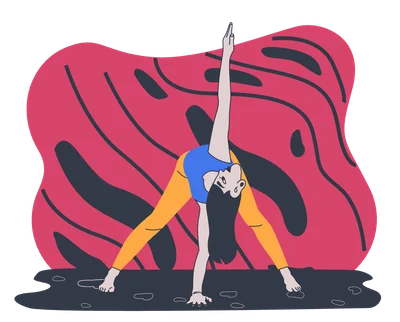
Parivrtta Prasarita Padottanasana
A wide stance with a full rotation and one arm reaching to the floor. The legs hold the base while the core and back manage the twist, nothing working in isolation.
Seated, Kneeling and Lying Down — Strength Without Standing
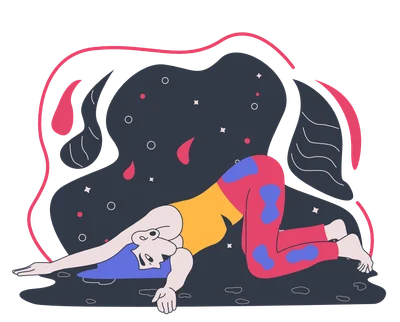
Parsva Balasana
A gentle twist from a kneeling position, and even here the shoulder and the core work together to control the reach rather than just collapsing into it.
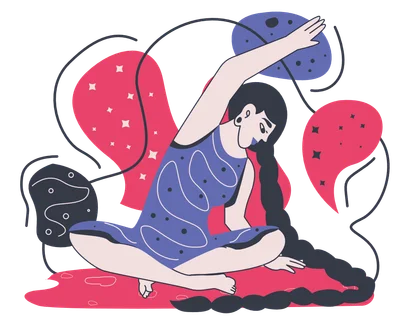
Parsva Sukhasana
A simple cross-legged seat with a reach to the side. The obliques and the shoulder both have to engage to hold the stretch rather than just leaning into it.
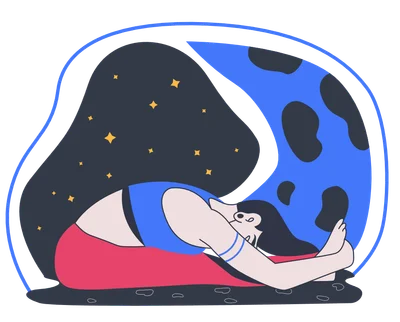
Pashimottanasana
A full seated fold, and holding the shape actively, rather than collapsing into it, uses the back and the core together to keep the spine from rounding completely.
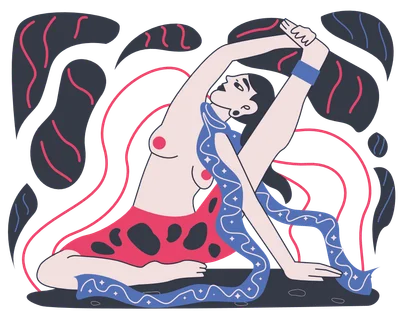
Sury Yantrasana
One leg extends fully overhead while the torso stays upright. Holding this takes real strength through the shoulders, the core and the standing hip all at once.
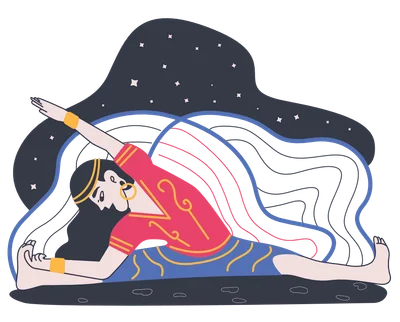
Parivrtta Upavistha Konasana
A wide seated stretch with a twist and reach combined, asking the core and the shoulders to hold the shape together rather than letting gravity take over.
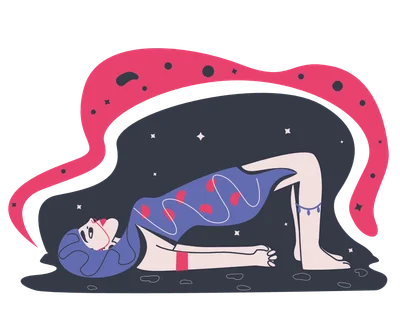
Setu Bandha Sarvangasana
The hips lift while the shoulders and feet stay grounded. The glutes, the hamstrings and the core all have to fire together to keep the lift from sagging.
A 20-Minute Overall-Strength Sequence
Same idea as always. Not five random poses, there's a build to it: arrive, build through poses that ask more muscle groups to cooperate each time, meet a balance that needs all of them at once, then release and close lying down.
- 1Mountain Pose1 minute
Arrive. Small stabilizing muscles from the feet to the shoulders, quietly working together.
- 3Extended Side Angle Pose5 breaths each side
Build. Legs, core and shoulders working together to hold the long line.
Notice how few of these poses let one muscle group do the work alone. That overlap, legs and core and shoulders all firing at once, is what makes this kind of strength transfer so directly into ordinary, real-life movement.
Teaching a Overall Strength Class
Resist the urge to isolate cues too much, "engage your core" and "press your back foot down" and "reach through your fingertips" all at once is a lot, but that layered attention is exactly what these poses are training. Building a full class around this theme: the Sequence Builder lets you start from any of these poses and adjust hold times, order and how much standing versus floor work you want.
Open the Sequence Builder →Build Your Overall Strength Practice
Get my practiceFrequently Asked Questions
What makes a yoga pose good for overall strength rather than one specific area?
Shapes that can't be held by one muscle group alone, arm balances, standing balances, deep lunges. If isolating one area would collapse the pose, several are working together.
Is overall strength different from targeted strength work like core or leg strength?
Yes, though they overlap. Targeted work isolates one area on purpose. Overall strength poses ask several areas to cooperate at once, closer to how the body actually moves through daily life.
How long should I hold an overall-strength pose?
Five to eight breaths on most of these, long enough that the cooperation between muscle groups actually has to hold rather than being a brief, easy position.
Are these poses suitable for beginners?
Yes, start with Mountain Pose, Pyramid Pose and Bridge Pose. Warrior III and the arm balances further up are worth building toward. This is general information, not medical advice. See the medical disclaimer.
Related Practices