Self-Awareness & Reflection
What You Actually Do, Not What You Think You Do
Most people have a story about themselves that's a few years out of date, more patient than they actually are, less anxious than they actually get, better at listening than they actually manage. The gap between the story and the actual behaviour is usually invisible until something forces you to watch yourself closely.
A yoga mat is a strange but effective place to do that. Hold a demanding pose and you'll notice things about yourself that have nothing to do with flexibility, whether you rush toward the edge of discomfort or back off before you need to, whether you hold your breath under stress, whether you compare yourself to whoever's near you without meaning to.
This sits at Ajna, the third eye, the seat of inner seeing rather than outer perception. The point isn't to judge what you notice. It's just to actually notice it, which turns out to be harder than it sounds.
Maybe it's a pattern you keep repeating without quite understanding why, in relationships, at work, with yourself. Maybe it's more general, a sense that you're not entirely sure how you actually feel about something until you've sat with it for a while. These poses create small, low-stakes situations where your habits show up in real time, which is a faster way to learn them than thinking about yourself in the abstract.
Seated Stillness — Where You Actually Notice Things
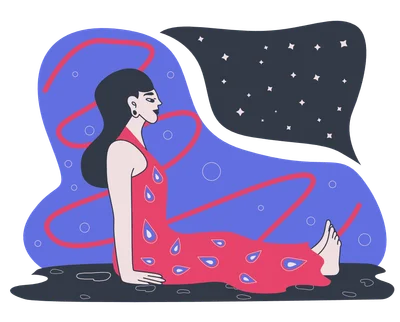
Dandasana
Simple sitting with the legs out straight, and a good place to notice whether your spine defaults to slumping the moment nothing's watching. Small, honest information.
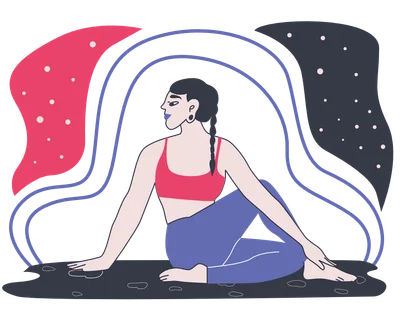
Ardha Matsyendrasana
A seated twist that reveals which side of your body moves more easily, almost always, one side is noticeably more resistant than the other, and most people have never checked before.
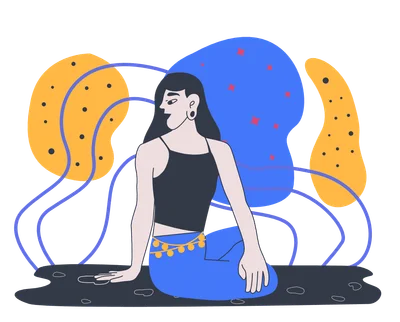
Parivrtta Sukhasana
A simple, gentle twist, useful for noticing how much you brace against a small amount of rotation before you've even reached your actual limit.
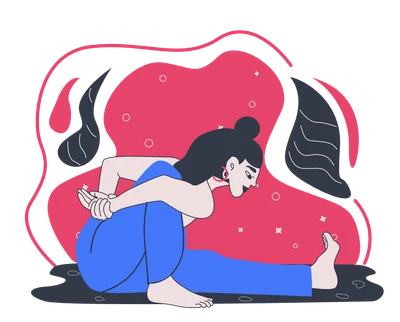
Marichyasana A
A layered pose, bent leg, extended leg, a bind. It's a good one for noticing whether you rush toward the final shape or actually build it in order.
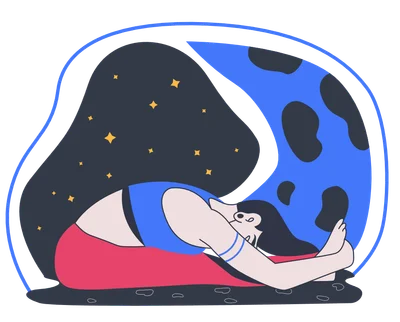
Pashimottanasana
A full seated fold, and a common place to notice impatience specifically, the urge to reach the feet rather than let the fold happen at its own pace.
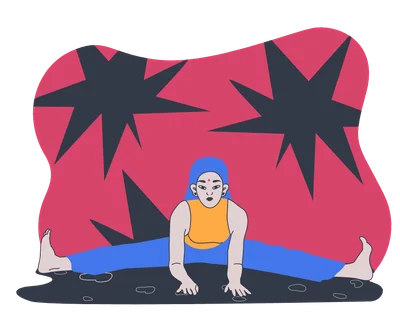
Upavistha Konasana
A wide-legged fold that takes time to open. It's a decent test of whether you can stay with something that isn't changing quickly.
Standing — Watching Your Own Habits Show Up
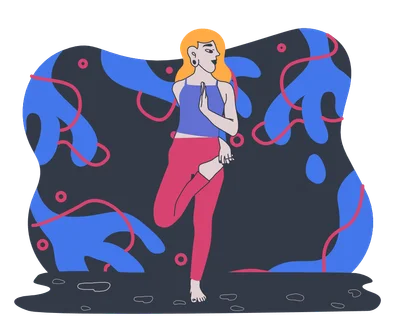
Vrkasana B
A standing balance, and a fast way to notice what your mind does the instant something gets slightly harder, whether it stays with the breath or jumps straight to frustration.
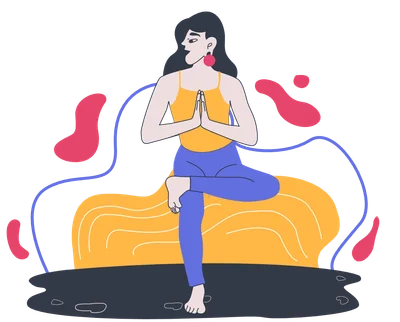
Eka Pada Utkatasana
A squat on one leg. It's a reliable place to notice whether discomfort makes you rush to finish the pose or actually stay present through it.
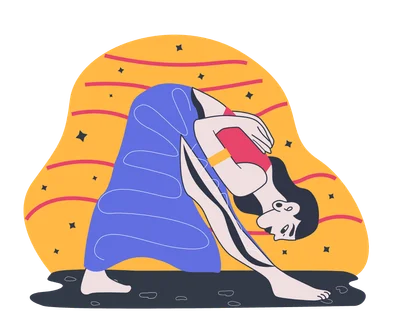
Parshvottanasana
A fold over a front leg, and a common spot to notice comparison creeping in, checking how deep the fold looks compared to someone else's in the room.
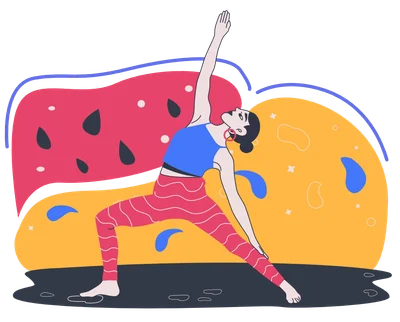
Shanti Virabhadrasana
A wide stance opening back over the front leg, exposing the chest. Noticing the urge to protect it, even in a completely safe room, is worth paying attention to.
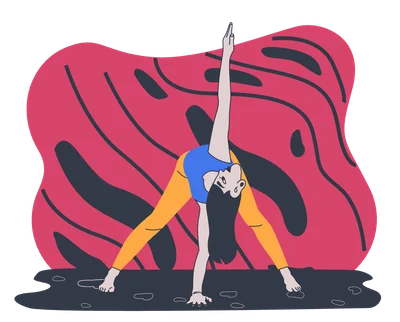
Parivrtta Prasarita Padottanasana
A wide stance with a full twist, and a good pose for noticing whether you actually breathe through a demanding shape or just hold your breath and wait for it to end.
Kneeling — Slow Enough to Notice
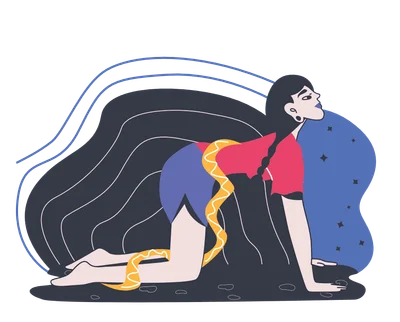
Bitilasana
A gentle arch through the spine, usually paired with Cat Pose. Slow enough to actually feel each vertebra move, if you're paying attention rather than going through the motion.
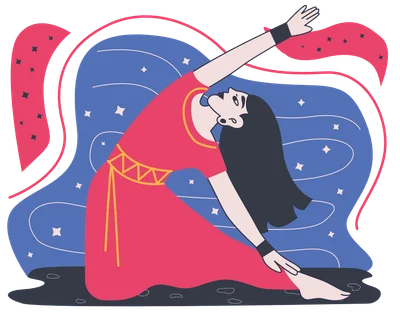
Parighasana
A kneeling side bend, and a good place to notice whether one side of your ribs opens more easily than the other, information most people have simply never gathered.
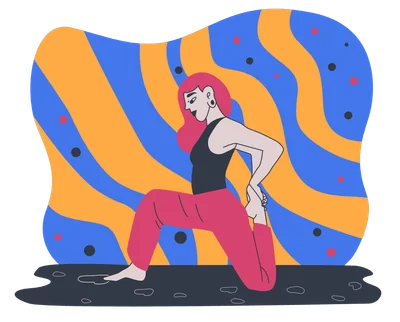
Eka Pada Rajakapotasana B
A deep, demanding shape, and exactly the kind of intensity that reveals whether you meet difficulty with curiosity or with a rush to escape it.
Inversions — A Different Vantage Point
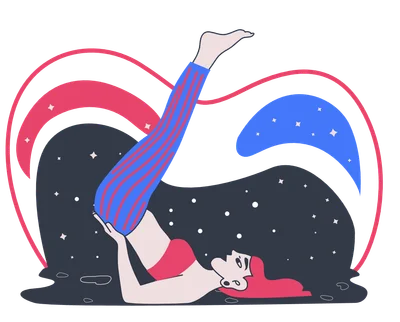
Viparita Karani
Legs resting up a wall, an unusually passive pose. It's a good one for noticing how uncomfortable you are with simply resting, without producing anything.
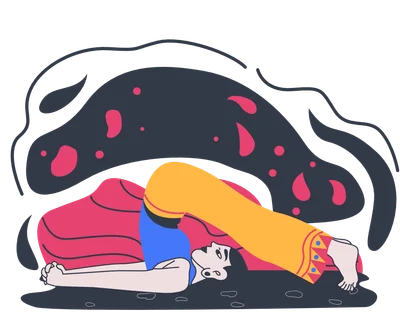
Halasana
Upside down and folded, a genuinely unusual orientation. Noticing the specific flavour of your discomfort here, is it physical, is it something else, is worth sitting with.
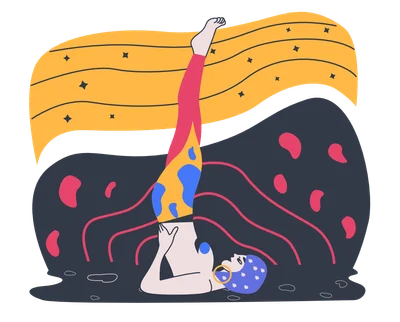
Salamba Sarvangasana
An inversion held with real support from the hands. A good place to notice whether you actually trust that support or keep trying to hold yourself up anyway.
Lying Down — Nowhere Left to Perform
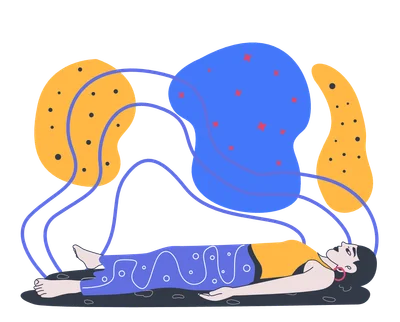
Savasana
Lying flat, doing nothing. With no physical task left to focus on, whatever's actually going on in your head tends to surface, which is exactly the point of including it here.

Supta Virasana
An intense stretch through the front of the thighs, usually needing real support. A good pose for noticing whether you can stay with sensation without immediately trying to change it.
Arm Balances — What Shows Up Under Pressure
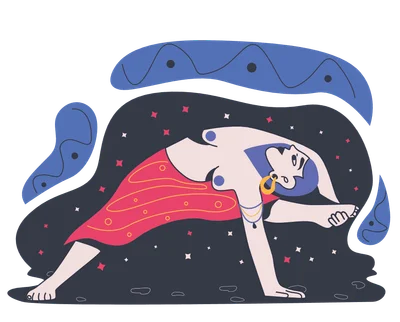
Visvamitrasana
A demanding arm balance, and a fast way to notice what your self-talk sounds like under real pressure, encouraging or critical, usually without you choosing it consciously.
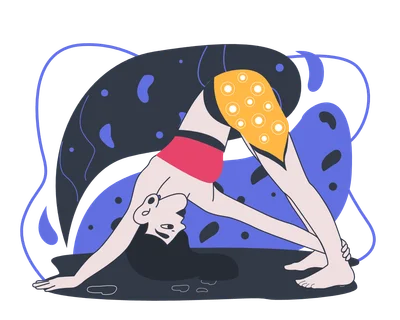
Parivrtta Adho Mukha Svanasana
A twist added to an already grounding shape. Worth noticing whether you reach for the deepest version immediately or actually build toward it.
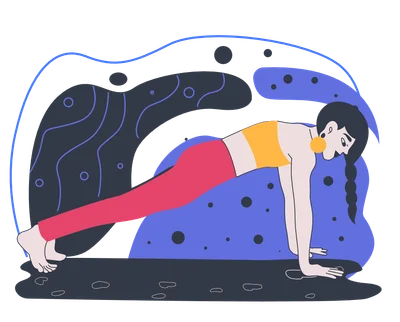
Utthita Chaturanga Dandasana
A simple, demanding hold. There's nowhere to hide here, which makes it a clean read on how you respond to sustained, unglamorous effort.
A 20-Minute Self-Awareness Sequence
Same idea as always. Not five random poses, there's a build to it: arrive, warm up while paying attention, meet something demanding enough to surface a real reaction, then rest long enough to notice what's left once the effort stops.
- 1Staff Pose1 minute
Arrive. Noticing whether the spine defaults to slumping the moment nothing's watching.
- 3Tree Pose B5 breaths each side
Build. Noticing what the mind does the instant something gets slightly harder.
- 4One-Legged King Pigeon B8 breaths each side
Peak. Meeting real intensity with curiosity instead of a rush to escape it.
- 5Seated Forward Bend2 minutes
Release. Noticing the urge to reach the feet rather than letting the fold happen.
Notice, across the practice, where your attention actually goes, to the sensation, to comparison, to impatience, to the story about how well or badly you're doing. That noticing is the actual practice here, more than any of the shapes themselves.
Teaching a Self-Awareness & Reflection Class
Ask questions rather than giving answers, "what do you notice right now" works better than telling students what they should be feeling. Leave real silence after a demanding pose, that's usually where the actual noticing happens, not during the pose itself. Building a full class around this theme: the Sequence Builder lets you start from any of these poses and adjust hold times, order and how much standing versus floor work you want.
Open the Sequence Builder →Build Your Self-Awareness & Reflection Practice
Get my practiceFrequently Asked Questions
What makes a yoga pose good for self-awareness?
Anything demanding enough to bring habits to the surface, impatience, comparison, holding the breath under stress, without being so intense that surviving the pose is all you can think about.
Isn't self-awareness more of a mental practice than a physical one?
It can be, but the body tends to reveal patterns faster and more honestly than thinking about yourself in the abstract does. A demanding pose is a real, immediate situation, not a hypothetical one.
How long should I hold a self-awareness pose?
Long enough that the initial reaction passes and something quieter, more honest, shows up underneath it, usually somewhere past the first minute on the more demanding holds.
Are these poses suitable for beginners?
Yes, the noticing matters more than the difficulty. Start with Staff Pose, Tree Pose B and Legs Up the Wall. This is general information, not medical advice. See the medical disclaimer.
Related Practices