Stress Relief
The Body Doesn't Know the Difference
Your nervous system can't tell the difference between a genuine emergency and a full inbox, a tight deadline, or an argument that's still replaying in your head hours later. The same stress response fires either way, faster breathing, tighter shoulders, a body quietly bracing for something that already happened or isn't actually happening at all.
Yoga doesn't argue with that response, it works around it. Slow, controlled breathing paired with certain shapes, forward folds, gentle backbends, inversions, seems to signal the nervous system directly that it's safe to stand down, faster than reasoning with yourself usually manages.
This sits at Muladhara, the root, mostly because the stress response itself is a very physical, very rooted thing, faster heart rate, tighter gut, cold hands. Meeting it with something equally physical tends to work better than meeting it with more thinking.
Maybe it's a specific stressor, a deadline, a difficult conversation coming up, or a general background hum that's been running for weeks without a clear source. Maybe your breathing's gone shallow without you noticing, or your jaw's been tight all day. These poses work directly on the physical stress response, which tends to be faster than trying to think calmly about a situation that isn't calm.
Backbends — A Physical Reset for the Chest
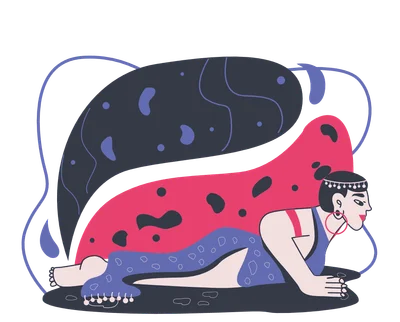
Ardha Bhujangasana
A small lift of the chest, gentle enough to repeat slowly with the breath. It opens the chest just enough to counter the collapsed, defensive posture stress tends to create.
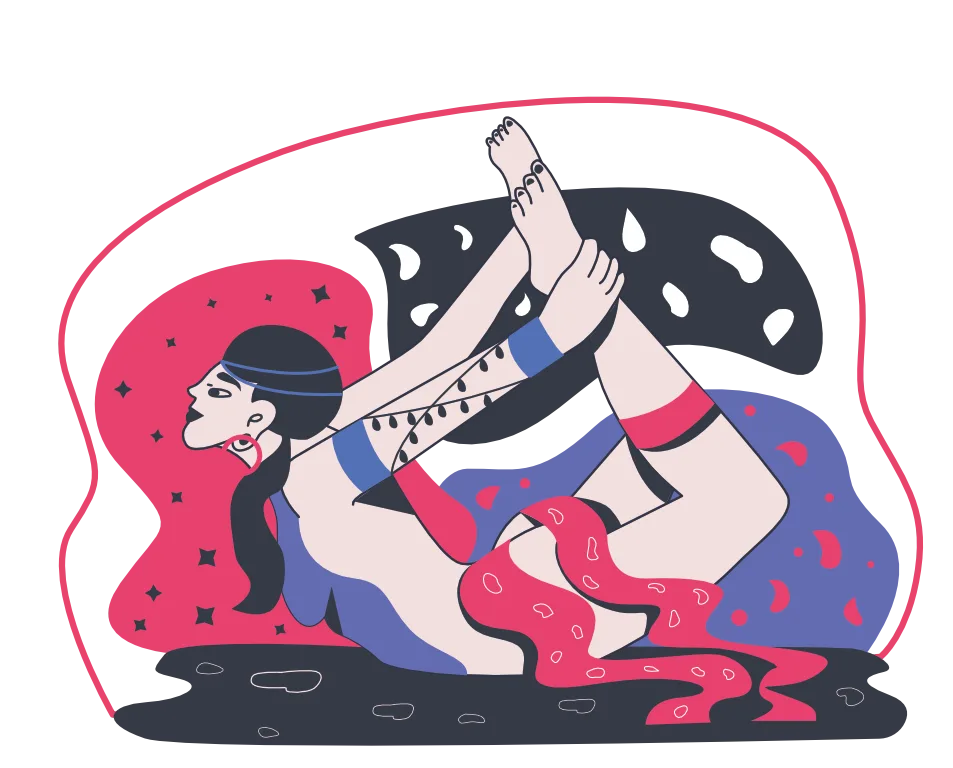
Dhanurasana
Chest and thighs lift together, and the effort required tends to override whatever the mind was spinning on a moment before. Hard to keep worrying about tomorrow while actively holding this.
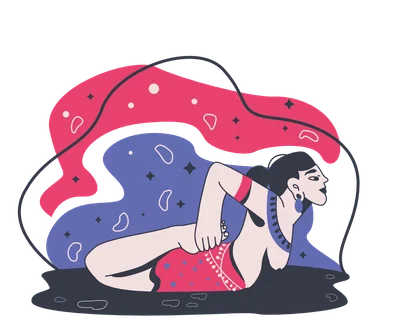
Bhekasana
An intense stretch that demands full attention just to stay in it. Stress often runs on autopilot, and this pose makes autopilot impossible for a few breaths.
Arm Support — Calm Built Through Strength
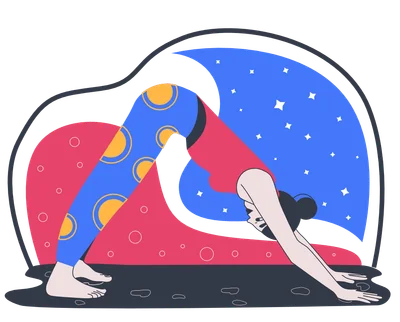
Adhomukha Shvanasana
An inversion of sorts, head below the heart, which has a genuine calming effect on its own. It's also the pose most people return to between everything else in a stress-relief practice.
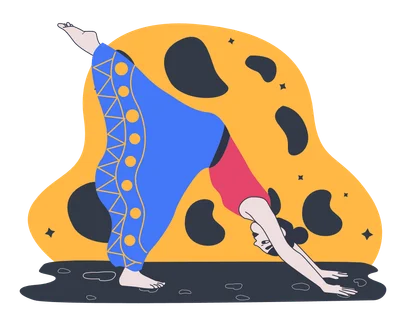
Eka Pada Adho Muhka Svanasana
The same calming inversion with one leg lifted, adding a small physical task that gives a racing mind something concrete to focus on.
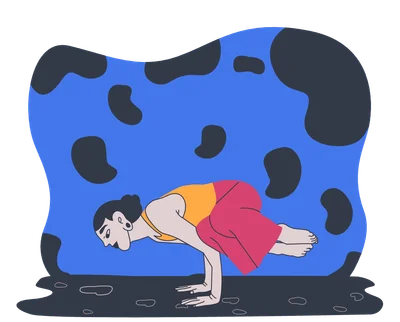
Parsva Bakasana
A demanding arm balance, included here for a specific reason, sometimes the fastest way out of a spinning mind is a physical challenge that requires total attention right now.
Kneeling — Where the Nervous System Actually Slows Down
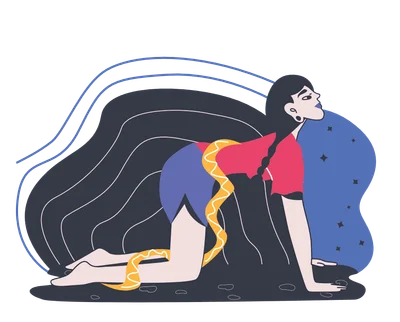
Bitilasana
A slow arch through the spine, usually paired with breath. The pairing of movement and breath is doing more of the calming work here than either one alone.
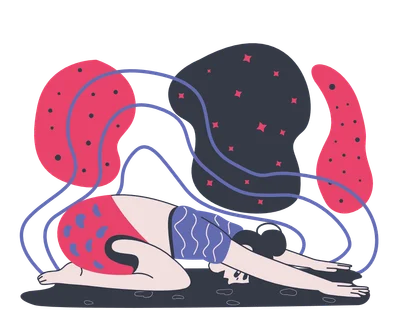
Balasana
Hips back, forehead down, one of the most reliable resting shapes in yoga. There's a reason it shows up in nearly every stress-relief sequence, it consistently works.
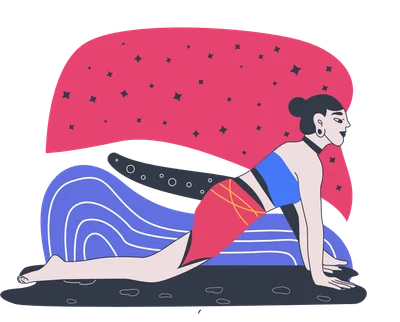
Utthan Pristhasana
A low lunge held long enough that the mind has time to actually catch up with the body and settle into the same slower pace.
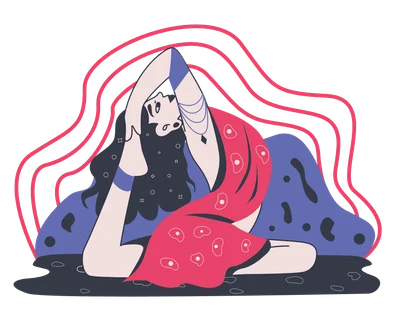
Eka Pada Rajakapotasana
A deep hip opener, and the hips are a common place for stress to physically collect. Releasing them directly tends to help more than addressing stress only in the head.
Lying Down — The Fastest Way Down
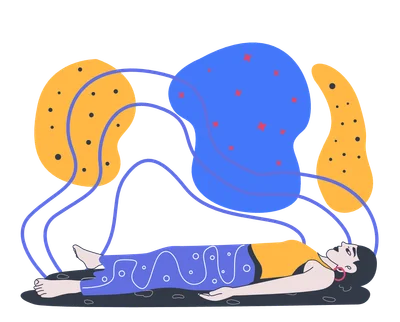
Savasana
Lying flat, doing nothing. This is usually the single most effective pose for lowering physical stress markers, mostly because there's finally nothing left to hold up or manage.
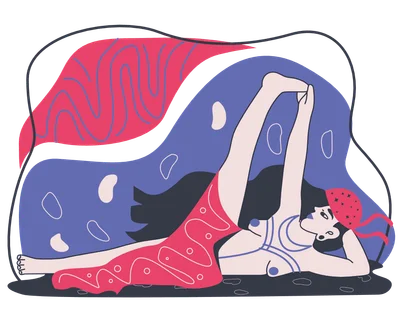
Anantasana
A side-lying balance, unusual enough to require just enough attention to interrupt a spiral of anxious thoughts.
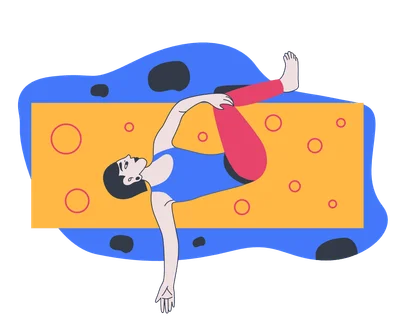
Jathara Parivartanasana
The legs fall to one side while the shoulders stay flat, a passive twist that releases tension without asking for any active effort.
Seated, Standing and Inverted
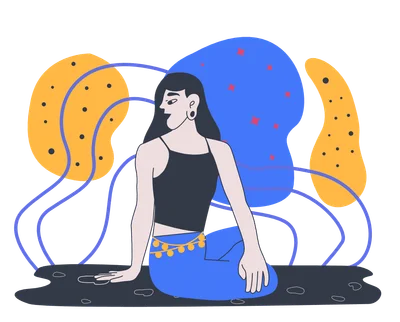
Parivrtta Sukhasana
A simple, gentle twist from a comfortable seat, easy enough to do slowly with long, deliberate breaths.
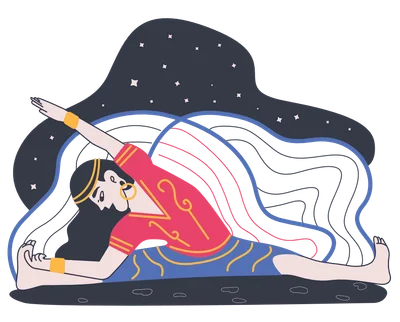
Parivrtta Upavistha Konasana
A wide seated stretch with a twist and a side bend, reaching further than the simpler version above for anyone who's ready for more.
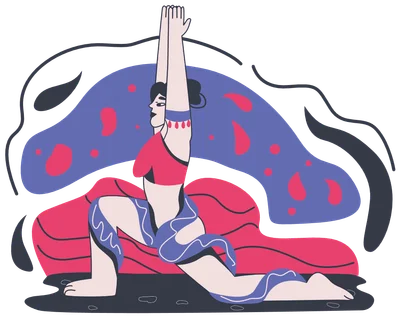
Anjaneyasana
A deep lunge that opens the front of the hip, a place that tightens noticeably under stress, whether or not anyone notices it happening.
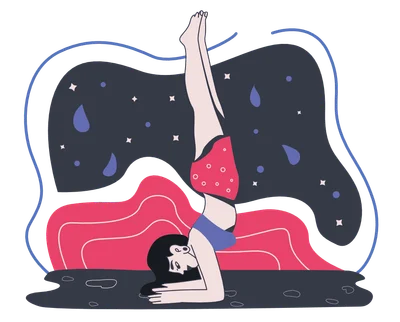
Pincha Mayurasana
An inversion that demands complete, immediate focus just to stay upright. It's an intense way to interrupt a stressed, scattered mind, more useful for some people than for others.
A 20-Minute Stress-Relief Sequence
Same idea as always. Not five random poses, there's a build to it: arrive, move slowly with the breath, meet a gentle backbend, then let the body settle further with each pose until it finally rests completely.
- 5Reclining Belly Twist1 minute each side
Release. A passive twist, releasing without asking for effort.
Nothing in this sequence is especially intense on purpose. Stress relief works better through repetition and breath than through a single demanding pose, so the whole practice stays gentle, right up to the full rest at the end.
Teaching a Stress Relief Class
Pace the breath more deliberately than usual, a slow four-count inhale and a slightly longer exhale does more here than any specific pose. Keep the room quiet and unhurried, a stress-relief class that feels rushed defeats its own purpose. Building a full class around this theme: the Sequence Builder lets you start from any of these poses and adjust hold times, order and how much standing versus floor work you want.
Open the Sequence Builder →Build Your Stress Relief Practice
Get my practiceFrequently Asked Questions
What makes a yoga pose good for stress relief?
Mostly gentle, sustained shapes paired with slow breathing, forward folds, supported backbends, inversions like Legs Up the Wall or Downward Dog. The breath usually matters more than the specific pose.
Why does yoga help with stress when nothing about the situation has changed?
Slow breathing and certain shapes seem to signal the nervous system directly that it's safe to stand down, which works faster than reasoning with an anxious mind usually does.
How long should I hold a stress-relief pose?
Long enough to take several slow, full breaths, usually thirty seconds to a minute, longer on the fully supported poses like Corpse Pose.
Are these poses suitable for beginners?
Yes, this is one of the more accessible pages here. Start with Child's Pose, Cow Pose and Corpse Pose. This is general information, not medical advice. See the medical disclaimer.
Related Practices