If you have ever finished a slow breathing practice feeling like someone plugged you into a wall socket, that buzzing aliveness has a name: prana. It's what you feel when prana wakes up in your system, the current yoga philosophy points to behind every thought, heartbeat, and sensation. In Prana II: Deepening Prana Through Pranayama and Meditation, we move past the basics. Prana I gave you the foundation, what prana is, where it moves, why your breath is the steering wheel. This piece is about the throttle. I have sat with students who could explain the five vayus, the directional flows of prana, perfectly on paper but had never actually felt their energy shift in real time. Pranayama, the yogic control of breath, and meditation are the tools that change that. They are not add-ons to your practice. They are how you access, amplify, and eventually steady this force on purpose.
Prana II Vertiefung: From Awareness to Energy Mastery
The Gateway: Understanding Prana as Conscious Energy
Detailaufnahme der Hände während einer Pranayama-Atemtechnik mit visualisiertem Energiefluss
Here's the shift that changes everything: prana stops being a nice idea you read about and becomes something you actually feel move. Most students start with a vague awareness, a sense that breath and energy are connected somehow. Prana II asks for more. It's the deliberate cultivation and amplification of vital life force through disciplined, repeated practice, not a one-off insight but a skill you build session after session.
In your prana yogapraxis, this energy moves through three interconnected layers: the physical body, the mind, and the subtle network of channels called nadis. Think of nadis as riverbeds. When they're clear, prana flows freely and you feel it as steadiness, warmth, alertness. When they're blocked by tension, poor breathing habits, or mental noise, that same energy stagnates. You feel foggy, flat, restless for no clear reason.
Why Deepening Matters: Beyond Surface-Level Practice
Knowing prana exists is not the same as working with it. That's the gap between casual awareness and embodied mastery. In the yogic tradition, meditation and mantra practice are understood to keep prana pure and steady, while pranayama is the practice that builds our capacity to actually hold and store it. Purification and capacity, that's the whole game right there, and both need consistent training, not occasional curiosity.
This is where pranayama meditation anleitung and steady seated practice become your two pillars. Across the classical texts and the living tradition of hatha yoga, asana, pranayama, and meditation are taught as complementary tools that together strengthen the flow of energy through the body and expand how much prana we're able to absorb and hold. Some places build this progression into their entire teaching structure. At Kailash Yoga Ashram in Rishikesh, the daily schedule threads pranayama practice between asana and meditation sessions, so students experience the layering directly instead of just reading about it. Yoga Vidya Mandiram, also in Rishikesh, runs a seven-day pranayama and yoga retreat with a curriculum built specifically around breathing techniques and energy balance, week by week. And Nirmal Yoga Rishikesh takes a slower, six-day arc: breath introduction first, then energy purification, then work with the nervous system itself. That order is not random. It mirrors exactly what the tradition teaches about prana moving through stages, from noticing, to purifying, to holding.
There's a psychological piece too. Working deeply with prana energie yoga stirs up sensation, sometimes intensity, sometimes stillness that feels unfamiliar. You need enough groundedness to stay curious instead of anxious when the body starts speaking louder. Art of Living, a well known yoga education resource, frames it simply: pranayama and meditation refine how life energy flows through the body, they don't force anything, they refine. And this isn't only tradition speaking. A peer reviewed study published on NIH/PMC, exploring the therapeutic benefits of pranayama, documented measurable effects including reduced stress markers, improved cardiovascular indicators, and calmer mental states in practitioners. That readiness, more than any technique, is what real prana vertiefung requires.
Pranayama as the Primary Tool for Prana Amplification
Once you've built that groundedness, breath becomes your main lever. Try this: sit still for a moment and just watch your next few breaths without changing anything. Notice how shallow it usually sits in the upper chest, how it clips short before it's even finished. Now lengthen it on purpose, slow the inhale, slow the exhale, and feel what happens. Something in the chest loosens. The shoulders drop half an inch you didn't know they had to give. That shift, right there, is pranayama starting to work. Most people breathe on autopilot their whole life, so the moment you start breathing on purpose, you're handing your nervous system an experience it has genuinely never had before.
How Pranayama Regulates and Magnifies Energy Flow
Think of your breath as the steering wheel for your entire energetic system. Fast, shallow breathing keeps you wired and scattered. Slow, full breathing settles the nervous system and opens up storage capacity for prana. This is exactly the mechanism behind the classic teaching that through asana, pranayama and meditation we strengthen our energy flow and actually increase the prana we're able to absorb. Pranayama isn't a breathing exercise bolted onto yoga, it's the bridge connecting your physical body to your energetic body.
Advanced Pranayama Techniques for Deepening Practice
Nadi Shodhana, alternate nostril breathing, clears and balances the nadis, the subtle energy channels, so prana moves without friction. Ujjayi, the ocean-sounding breath, builds internal heat and keeps you anchored during longer sits. Bhastrika, the bellows breath, floods the system with energy fast, useful when you're sluggish. Kumbhaka, breath retention, is where things get interesting: holding the breath forces prana to pool and expand rather than just pass through. Sit in Padmasana (Lotus Pose) for these, since it activates prana in the nadis and gives your spine the stability advanced retention work demands.
The Integration of Breath Awareness with Subtle Perception
Something shifts psychologically once breath stops being automatic. You start noticing tension patterns you'd normalized for years, the shoulder that creeps up, the jaw that clenches. Start in Sukhasana (Easy Pose), it centers prana and preps the mind for this kind of deep breath work without the extra intensity Lotus demands. Sit there, breathe intentionally, and you'll feel the subtle body speaking through sensation long before your mind can name it. That's real pranayama meditation guidance in action: not forcing stillness, but letting awareness catch up to what your breath already knows.
Pranayama fills the tank. Meditation decides what you do with the fuel. I've watched students build serious breath capacity and still feel scattered, because raw prana energie yoga without direction just sloshes around looking for an exit. Meditation is where that energy gets refined, not through force, but through the simple act of sitting still long enough for the mind to stop leaking.
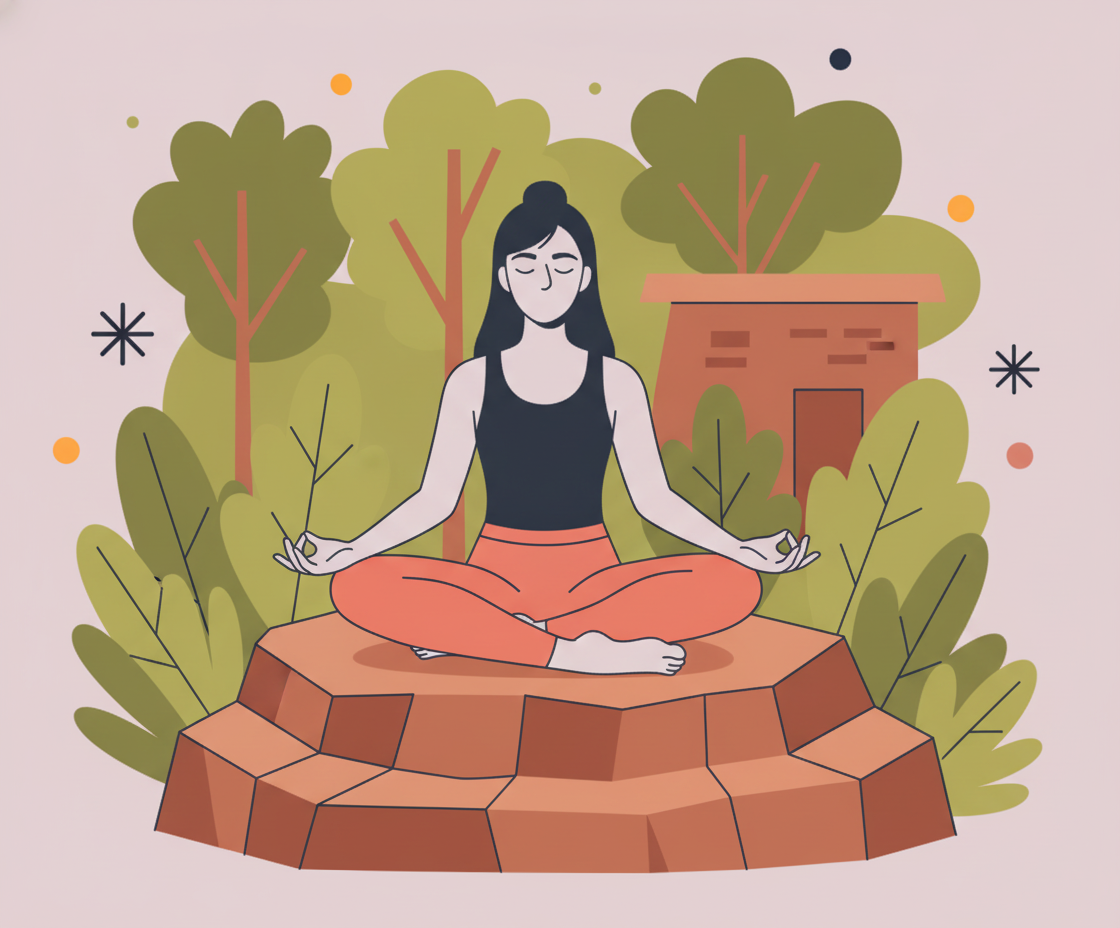
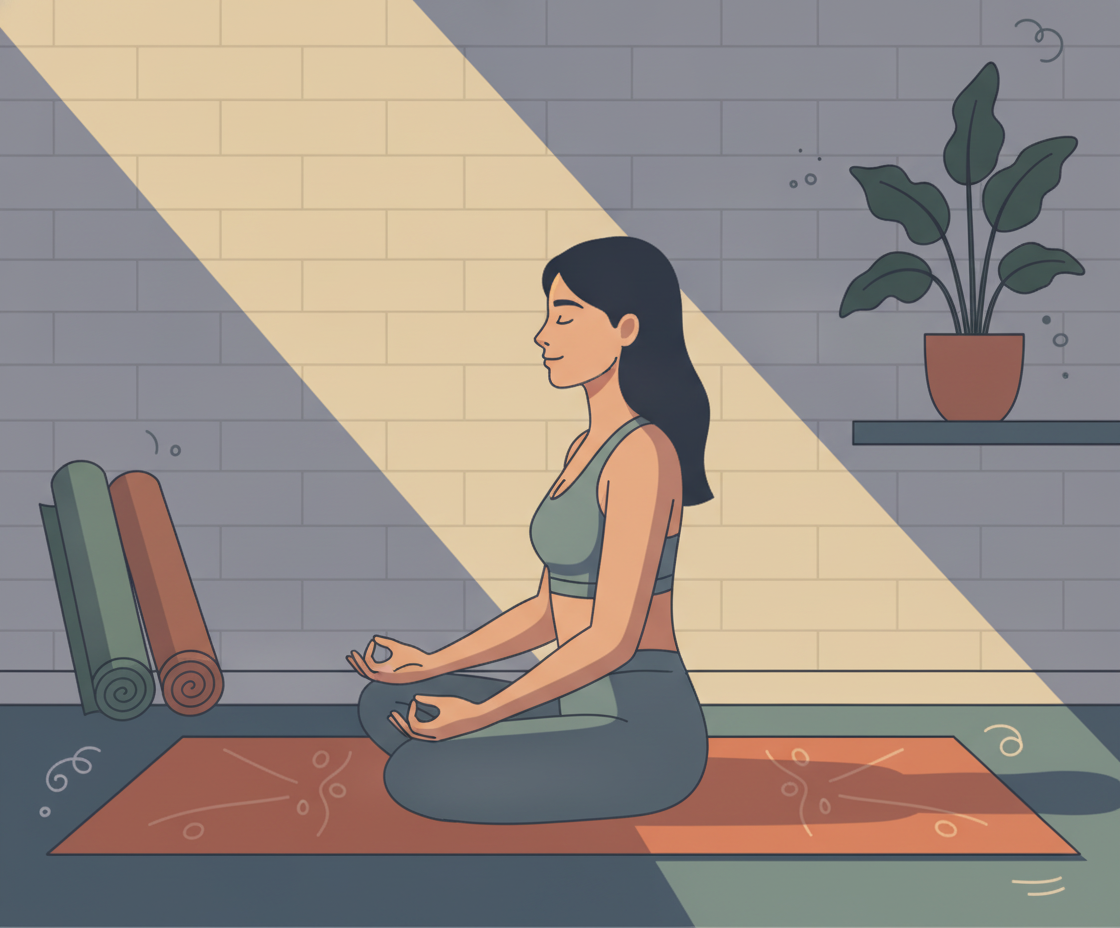
Stille Meditationsszene bei Morgenlicht mit natürlicher Umgebung im Innenraum
Meditation as Energy Refinement
Every scattered thought costs something. Your mind jumping between yesterday's argument and tomorrow's to-do list burns prana the same way a phone burns battery running fifteen apps at once. Meditation slows that leak. It's less about achieving blankness and more about giving your energy one direction instead of forty. Over time this steady focus turns raw vital force into something usable: clarity, patience, a kind of quiet strength that outside stress can't easily rattle.
Mantra Practice and Prana Purification
Japa, the repetition of mantra, has a real job in this process. Sound and rhythm give the mind something specific to hold, so it stops grabbing at random thoughts. As Yoga Vidya's teachings on Prana put it, meditation and mantra practice keep prana pure, while pranayama increases your capacity to store it in the first place. I tell students to think of mantra as a filter: it doesn't add energy, it removes the noise clouding what's already there.
This quieting of the mind through mantra is exactly what Om Namah Shivaya points to: surrender over control, stillness over noise, and the willingness to let go of what no longer serves your energy. As a daily reminder of that practice, there is our Shiva shirt, so you carry Shiva with you at all times, even off the mat.
The Role of Mental Stillness in Energy Conservation
Modern neuroscience talks about this in its own language, describing how a coherent, less chattering brain uses metabolic energy more efficiently. Yoga philosophy said the same thing centuries earlier with fewer wires attached. The obstacles you'll hit, restlessness, boredom, a mind that won't quit negotiating, are just prana still finding its shape. Sit with them instead of fighting them, and this prana vertiefung slowly turns stored energy into something closer to wisdom than mere charge.
The Subtle Body: Nadis, Chakras, and Prana Circulation
Understanding the Three Primary Energy Channels
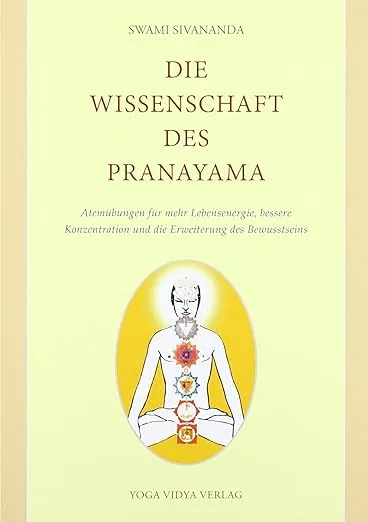
The classical texts describe a subtle body made of nadis, energy channels that carry prana the way blood vessels carry blood, except nothing shows up on an MRI. Three matter most in your prana yogapraxis. Ida runs along the left side of the spine, cooling and lunar. Pingala tracks the right, heating and solar. Sushumna runs straight through the center, dormant in most people until Ida and Pingala find balance. That balance is the entire game. You're not trying to boost one channel over the other, you're trying to get them quiet enough that energy can finally move up the middle.
Chakra Activation Through Integrated Practice
Chakras sit along Sushumna as points where prana pools and shifts character, turning raw charge into something more specific: groundedness at the root, creativity at the sacral, clarity at the throat. This is where pranayama meditation anleitung actually earns its keep. Breath work alone moves prana around, but it's rarely refined. As Yoga Vidya teaches it, meditation and mantra practice are what keep prana clean, while pranayama expands your actual capacity to hold it. You need both. One without the other leaves you either scattered or stagnant, and I've watched students plateau for months chasing just one half of that equation.
Recognizing Prana Movement in Daily Experience
Forget trying to visualize chakras like glowing wheels, that's a mental exercise, not a somatic one. Real prana energie yoga shows up as warmth spreading through the palms, a tingle climbing the spine after a strong pranayama round, or a sudden lightness behind the sternum during meditation. YogaEasy.de puts it simply: asana, pranayama, and meditation together strengthen your energy flow and increase the prana you're able to take in. That's not poetic language, it's a practical description of what you'll feel if you pay attention. Stop reading the map and start noticing the terrain under your own skin. The prana vertiefung you're after happens in the felt sense, not in the explanation of it, and every session you spend simply sensing rather than analyzing moves you closer to knowing your own subtle body from the inside out.
Integration and Stabilization: Asana and Savasana
Seated Poses as Foundations for Energy Work
Your prana yogapraxis lives and dies by the seat you build underneath it. Sukhasana and Padmasana aren't decorative poses you assume before the real work starts, they are the real work. A stable pelvis, a naturally long spine, hips that can stay open for fifteen or twenty minutes without screaming at you, all of this creates the physical container that lets subtle energy actually move instead of getting stuck fighting your own tension.
I've watched students with brilliant pranayama technique get almost nothing out of their practice because their hips were locked and their lower back was compensating the whole time. The breath can only go as deep as the body allows. So before you chase fancier breath ratios, spend real time in seated postures, even outside of formal practice, just to teach your joints what long stillness feels like.
Savasana: Anchoring Prana in the Physical Body
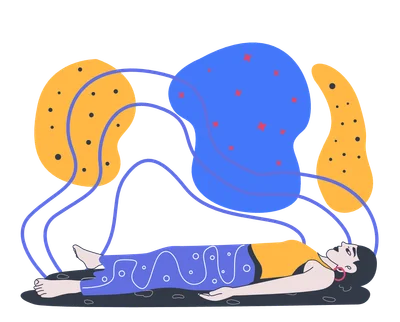
Savasana-Pose mit visualisiertem Energiefluss durch die zentralen Energiekanäle
After any serious pranayama meditation anleitung, Savasana, Corpse Pose, is non negotiable. This is where the nervous system actually encodes what just happened. You've stirred prana energie yoga through breath, maybe felt heat, tingling, or a shift in your inner space, and Savasana is the resting phase where that energy settles into tissue and memory instead of dissipating the moment you stand up and check your phone.
As one classic explanation of prana puts it, through asana, pranayama and meditation we strengthen our energy flow and multiply the prana we take in, but that multiplication only sticks if you give it somewhere to land. Skip Savasana and you've done beautiful work that evaporates. Five to ten minutes, completely still, is often what separates a fleeting sensation from actual pranayama wirkung that stays with you for hours.
Creating Sustainable Practice Rhythms
Real prana vertiefung isn't built on occasional intense sessions, it's built on showing up modestly but consistently. A shorter daily rhythm of seated posture, focused breath, brief meditation, and Savasana will transform your subtle body faster than sporadic marathon sessions ever could. Progress here is quiet and cumulative, which is exactly why it lasts.
Moving Forward: Your Prana II Practice
Creating a Personalized Deepening Protocol
Your prana yogapraxis doesn't need to be complicated. Pick one pranayama meditation anleitung that fits your nervous system right now, maybe alternate nostril breathing if you're scattered, or a slower ratio breath if you're wired and tired. Layer in five minutes of seated stillness and close with Savasana. That's it. Yoga Vidya puts it simply: meditation and mantra practice keep prana clean, while pranayama expands your capacity to actually hold it. Build from there, weekly, not daily overhauls.
Measuring Inner Progress Beyond the Physical
Forget chasing tingling palms or dramatic visions. Real prana vertiefung shows up as unglamorous, steady shifts: you catch yourself before reacting, your thinking clears faster after stress, you trust a hunch and it's right. YogaEasy notes that consistent asana, pranayama and meditation practice strengthens your energy flow and increases the prana you're able to absorb. That absorption isn't flashy. It's the difference between white noise and quiet focus by week six, not day two.
The Next Steps in Your Energy Mastery Journey
Once your foundation holds, you'll feel pulled toward more intense pranayama wirkung, retention practices, longer holds, subtler energy locks. This is exactly where working with a qualified teacher matters. Wikipedia's definition of pranayama centers on conscious regulation and deepening of breath through mindfulness and steady practice, not forcing intensity. Advanced techniques amplify that regulation, and amplification without guidance can backfire. Treat this as a lifelong study in self-inquiry, not a checklist to finish. Your daily practice, however modest, is the engine. Everything else, insight, resilience, philosophical clarity, grows from that consistent, unglamorous return to the breath.