Asanaverse

Phase 1 · Start, and Find Your Response

Part of the 12 Week Yoga Program for Type 2 Diabetes

30 Minute Yoga Sequence for Type 2 Diabetes

The first three weeks. Enough movement to matter, at a level where you can still learn how your body responds.

The reason movement works here is not complicated. Contracting muscle pulls glucose out of the blood, and it does that without needing insulin to open the door. That is why the yoga programmes that changed blood sugar in the trials were active ones, with standing poses, twists and back bends, rather than gentle restorative sessions. This is the introductory version of that: the full shape of the practice, at a lower dose, so you can see what it does to your numbers before you increase it.

30 min · Level 1

← Back to the full program
When it helps

For the first three weeks, three or four times a week, at whatever time of day suits you. Thirty minutes. A mat, a wall or chair within reach, and your meter. This runs alongside your diabetes treatment, not instead of it. If you take insulin or a sulfonylurea, check your blood glucose before you practise and keep fast acting carbohydrate within reach.

Metabolic effect

Standing poses and back bends put the large muscles of the legs and back to work, which is the part that takes glucose out of the blood.

Physical effect

Twists and back bends across the middle of the body, which is the pattern that runs through nearly every protocol in this research.

Learning

Take a reading before and an hour after a few times in these three weeks. Everyone responds a little differently and this is how you find out how you do.

Start seated

Three minutes to arrive and set a breathing rhythm you can keep while you move.

Easy PoseSukhasana
01
3 min

Easy Pose

Sit up, and breathe with a slight narrowing at the back of the throat so the breath makes a soft sound. Ujjayi breathing. Keep it going through the whole session.

A breath you can hear is a breath you can pace. It is also the breathing used in most of the protocols here.

Learn more about Sukhasana
Cat PoseMarjaryasana
02
1 min

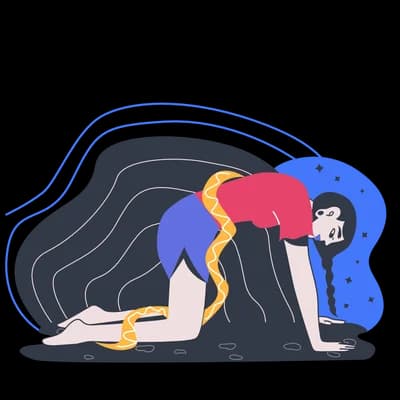
Cat Pose

Hands and knees, rounding the back as you breathe out.

Wakes up the middle of the body before the twists ask anything of it.

Learn more about Marjaryasana
Cow PoseBitilasana
03
1 min

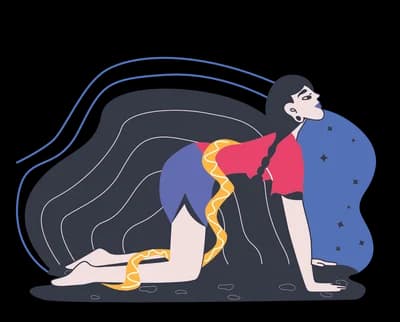
Cow Pose

Chest forward on the in breath. Move between the two, eight rounds.

The gentlest version of the movement the whole session is built on.

Learn more about Bitilasana

Stand up and work

This is the part that does the metabolic work. The legs are the largest muscles you have, and using them is the mechanism.

Chair PoseUtkatasana
04
45 sec, twice

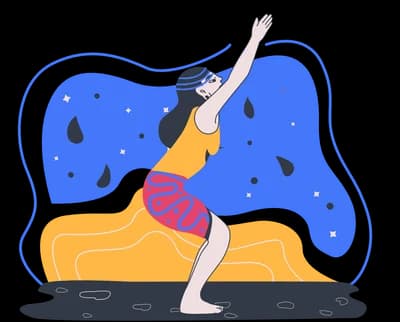
Chair Pose

Chair Pose, sitting back as if into a seat, arms wherever they are comfortable.

The biggest muscles in the body under load. Two sets of forty-five seconds is a real dose.

Learn more about Utkatasana
Extended Side Angle PoseUtthita Parsvakonasana
05
45 sec each side

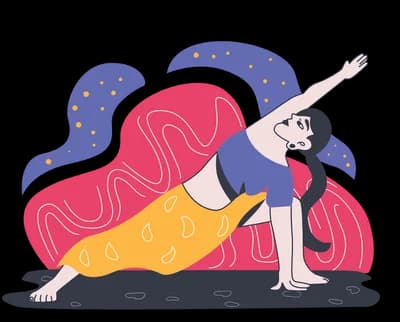
Extended Side Angle Pose

Side Angle, forearm on the thigh. Both legs working, one bent and one straight.

A long standing hold with the whole leg engaged, and enough to feel in the thighs.

Learn more about Utthita Parsvakonasana

Across the front and the middle

Back bends and a twist. This pattern turns up in nearly every yoga protocol studied in diabetes.

High Cobra PoseBhujangasana
06
30 sec, twice

High Cobra Pose

Face down, hands under the shoulders, lifting only as far as is comfortable. Never hold your breath.

Cobra appears in almost all of these protocols. Low and repeated beats high and once.

Learn more about Bhujangasana
Bridge PoseSetu Bandha Sarvangasana
07
45 sec, twice

Bridge Pose

On your back, hips lifting, feet pressing down.

The glutes and the backs of the legs, which are the other large muscle group worth loading.

Learn more about Setu Bandha Sarvangasana
Reclining Pigeon PoseSupta Kaptasana
08
1 min each side

Reclining Pigeon Pose

Ankle across the opposite thigh, both hands behind the back thigh, drawing gently in.

Something quiet after the working part, and it gets the hips after all the standing.

Learn more about Supta Kaptasana

Settle

Six minutes at the end. Legs up the wall, then flat.

Legs Up the WallViparita Karani
09
3 min

Legs Up the Wall

Legs up the wall. If you have proliferative retinopathy or have had recent eye treatment, skip this one and lie flat instead.

A gentle inversion that suits most people. The exception above matters and is worth knowing about.

Learn more about Viparita Karani
Corpse PoseSavasana
10
3 min

Corpse Pose

Flat on your back, breathing normally.

Three minutes, and a good moment to notice how you feel before you get up.

Learn more about Savasana

Integration

Three or four times a week through the first three weeks. Do the balance work near a wall, and if you have reduced sensation in your feet, look at them before and after each session, because a small injury you cannot feel is the thing worth catching early.