Asanaverse

Phase 1 · Three Weeks on Fatigue and Temperature

Part of the 12 Week Adaptive Yoga Program for MS Fatigue

30 Minute Yoga Sequence for MS Fatigue

Weeks one to three. Cool room, supported standing, and the breathing practice that has the largest single result in this field.

This program leads with fatigue, because that is where the evidence actually is. The first three weeks establish two things: how to keep your body temperature down while still moving, and a humming breath practice that produced the largest effect of any trial in this area. Everything standing has a wall or a chair, from the first session.

30 min · Level 1

← Back to the full program
When it helps

For the first three weeks, twice a week, at a time of day when your energy is usually better. Thirty minutes. A wall, a chair, a bolster and a blanket. Practise in a cool room, at a moderate intensity, with breaks. Around three quarters of people with MS get a temporary worsening of symptoms when body temperature rises, and it usually settles within a day. A wall or chair for every standing position. On a bad fatigue day, do less rather than none. This is for people who walk independently or with one stick, alongside neurological care rather than instead of it.

Fatigue

The best supported outcome in this whole field, with effects in the same range as general exercise training.

Temperature

Cool room, moderate pace, breaks built in. Managing heat is part of the practice rather than a note underneath it.

Physical effect

Hips, spine and legs, in supported positions with a wall or chair for anything upright.

Standing, wall or chair

Ten minutes upright with support in reach the whole time. Sit down whenever you want and continue from there.

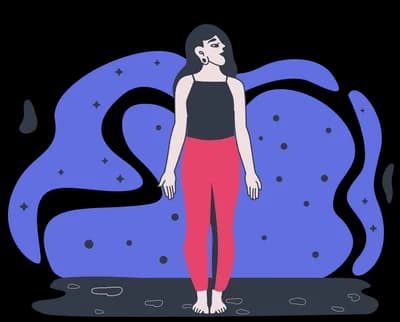
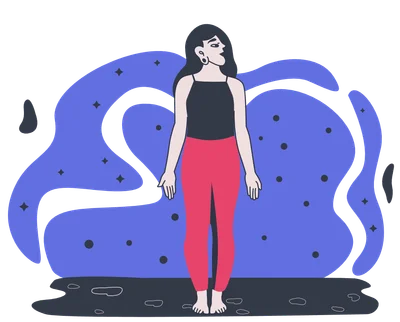
Mountain PoseTadasana
01
3 min

Mountain Pose

Feet hip width, one hand on a chair back or a wall. Room cool, window open if you can. Shift your weight slowly forward, back and side to side.

The reference position, with a hand on something from the very first session rather than as a later modification.

Learn more about Tadasana
Half Standing Forward BendArdha Uttanasana
02
2 min

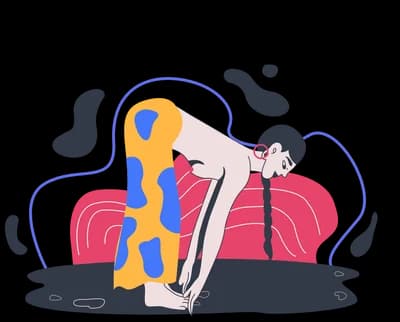
Half Standing Forward Bend

Hands on the back of a chair, stepping the feet back, hips over the heels, back long. Keep your head level with your heart rather than below it.

A long back with the arms taking weight. It is also the least tiring way to lengthen the back of the legs.

Learn more about Ardha Uttanasana
Upward SaluteUrdhva Hastasana
03
2 min

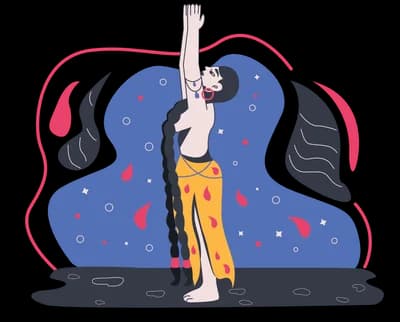
Upward Salute

Both arms lifting as far as they go, chair within reach. If one arm goes less far, lift it as far as it goes and stop there.

Overhead reach, and a check on how the two sides compare today. Not every day is the same and noticing that is useful.

Learn more about Urdhva Hastasana

Down to the floor

Fourteen minutes lower down. Every position here has a version that works on a chair if the floor is not available today.

Thunderbolt PoseVajrasana
04
2 min

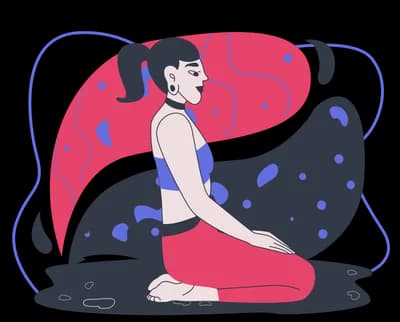
Thunderbolt Pose

Kneeling on a folded blanket, or sitting on a chair. Take your time getting down and use the chair to lower yourself.

The transition, taken slowly. Rushing it is where energy and balance both get spent.

Learn more about Vajrasana
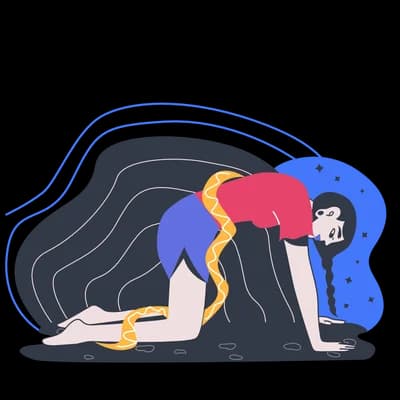
Cat PoseMarjaryasana
05
2 min

Cat Pose

On hands and knees, rounding the back on the out breath. Or seated, rounding forward over the thighs.

Spinal movement joined to the breath, in a version that does not need the floor.

Learn more about Marjaryasana
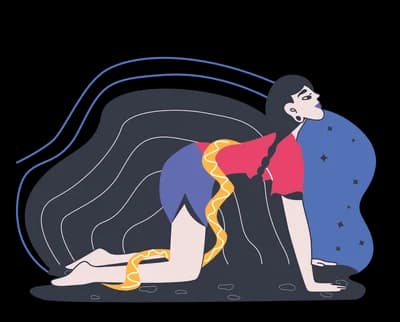
Cow PoseBitilasana
06
2 min

Cow Pose

Chest forward on the in breath. Move slowly between the two and stop if you start to feel warm.

The other direction. Slowly is not a style preference here, it is temperature management.

Learn more about Bitilasana
Bharadvaja's TwistBharadvajasana 1
07
2 min each side

Bharadvaja's Twist

Sitting, a gentle turn to one side, hands where they help. Small is fine.

Trunk rotation, unhurried and seated. The most useful movement per unit of effort in this whole session.

Learn more about Bharadvajasana 1
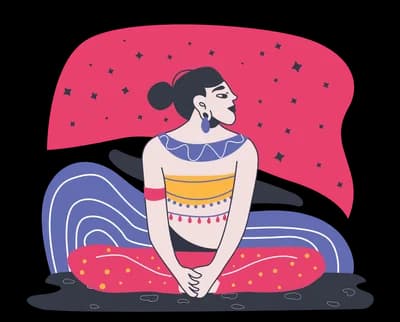
Butterfly PoseBaddha Konasana
08
3 min

Butterfly Pose

Soles of the feet together, knees resting on cushions, bolster behind you if lying back is comfortable.

The hips, with the props holding everything so nothing has to be held by muscle.

Learn more about Baddha Konasana

Where the fatigue work happens

Eight minutes lying down, with the humming breath. This is the part of the session with the strongest evidence behind it.

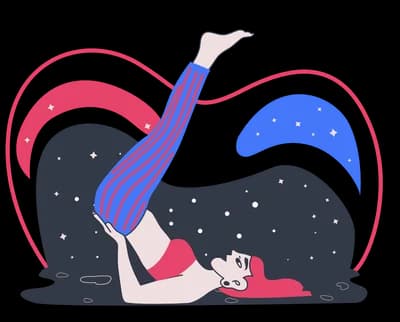
Legs Up the WallViparita Karani
09
5 min

Legs Up the Wall

Legs up the wall, or knees bent with the feet on the floor. Then the humming breath: in through the nose for about five seconds, out through the nose with a low hum for about fifteen. Ten to twenty rounds.

In a trial of that breathing practice on its own, fatigue fell substantially over four weeks while the control group did not change. It is the largest single result in this field.

Learn more about Viparita Karani
Banana PoseBananasana
10
1 min each side

Banana Pose

On your back, feet and shoulders drifting towards one side, a long curve. Nothing held.

A side stretch that takes no effort at all, on the way to the end.

Learn more about Bananasana
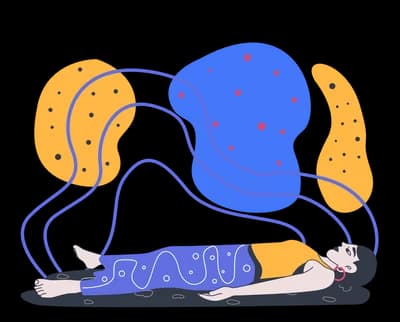
Corpse PoseSavasana
11
3 min

Corpse Pose

Lying flat, covered if the room is cool, a cushion under the knees. Get up slowly, in stages.

Three minutes still. In the trial protocol this program follows, every session ended this way.

Learn more about Savasana

Integration

Twice a week for the first three weeks, plus the ten minute fatigue sequence whenever it is needed. If fatigue is worse for several days after a session rather than better, that is a signal to reduce the dose rather than push through.