Balance & Stability
The Skill Nobody Practises Until They Need It
Balance isn't something most people think about until they lose it, a slip on ice, a missed step, catching yourself against a wall for no obvious reason. It's also one of the first physical abilities to quietly decline with age, well before strength or flexibility usually do, mostly because nobody trains it on purpose.
These poses work through a fairly specific mechanism, small, constant corrections made by the muscles around the ankle and the core, guided by input from the inner ear and from sensors in the joints themselves. Standing on one leg for thirty seconds is a genuine skill, and like most skills, it gets better with repetition and worse with neglect.
There's no chakra or vayu doing the heavy lifting here, this one's mostly mechanics. What yoga adds is a structured, repeatable way to practise something most people otherwise never train at all.
Maybe it's noticing you wobble more than you used to putting on socks standing up, or a near-miss on uneven ground that felt closer than it should have. Maybe you're just curious how steady you actually are. Balance responds well to regular, unglamorous practice, a few minutes standing on one leg most days does more than an occasional intense session.
The Basics — Balance Starts With the Feet
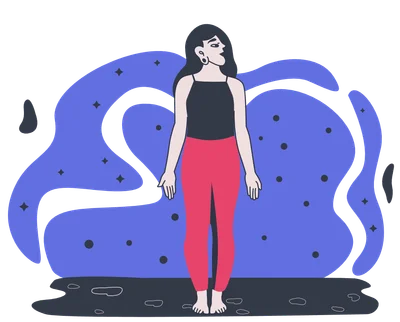
Tadasana
Standing on two feet sounds like nothing to practise, but most people distribute their weight unevenly without realizing it. This is the reference point everything else on this page gets measured against.
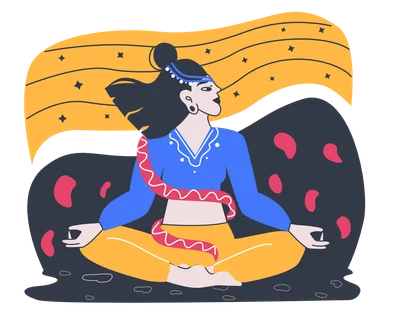
Sukhasana
A simple cross-legged seat, included here because balance isn't only about standing. Sitting upright without support, spine self-stabilizing, uses a related set of postural muscles.
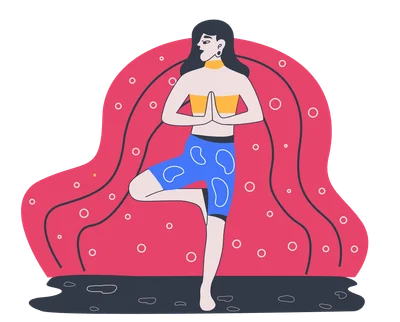
Vrkasana
The standard entry point into standing balance, one foot pressed into the standing thigh. It's simple enough to practise daily, which matters more here than difficulty does.
One-Leg Balances That Build the Skill
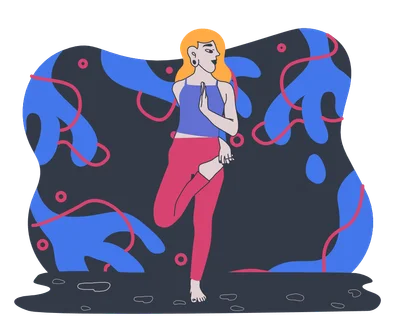
Vrkasana B
The raised leg turns out and drops lower than in standard Tree Pose, shifting the stabilizing demand from the ankle into the hip. A small change that meaningfully raises the difficulty.
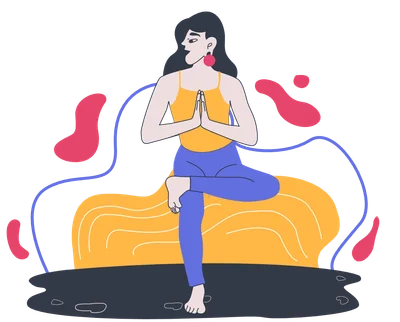
Eka Pada Utkatasana
A squat on one leg, combining balance with real muscular effort at the same time. Most balance poses ask for stillness, this one asks for stillness under load.
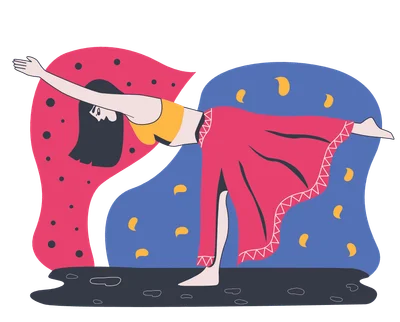
Virabhadrasana 3
The body tips forward until it's parallel to the floor, balanced entirely on one leg. This changes the relationship between your centre of gravity and your base more than almost any other pose here.
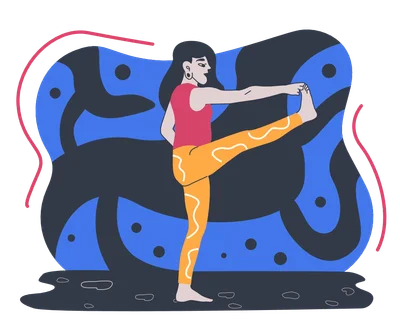
Eka Hasta Padangusthasana A
The lifted leg is held actively by the hand rather than resting passively against the body, which removes a support Tree Pose still allows.
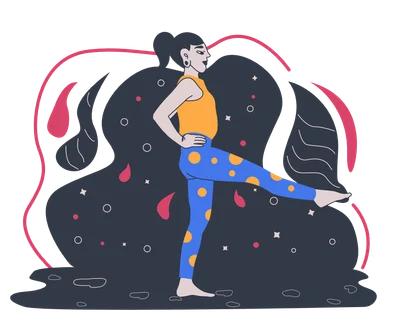
Eka Hasta Padangusthasana C
The held leg extends out to the side instead of forward, testing balance across a different plane of movement than most standing poses reach.
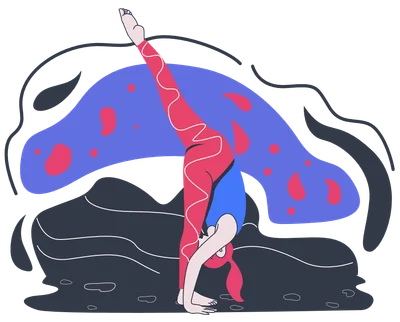
Urdhva Prasarita Eka Padasana
One leg lifts high behind you while the standing leg and the fold both stay controlled, and the shift in height changes what steady actually feels like.
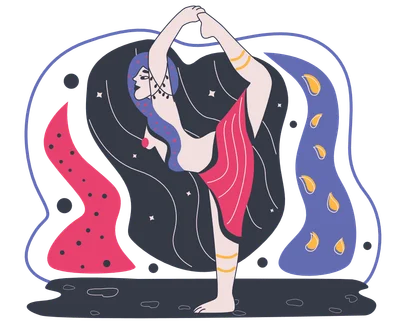
Natarajasana
One leg lifts and extends back while the chest opens forward, which pulls your centre of gravity further from the standing leg than most balances ask for.
Balance Plus a Twist
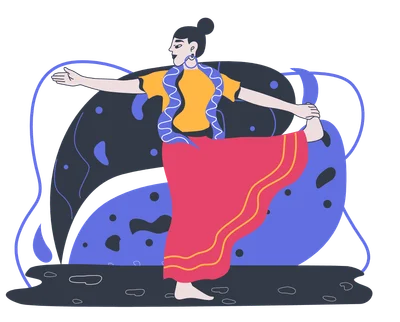
Parivrtta Hasta Padangusthasana
A held leg, a spinal twist, and a standing leg doing all the work underneath both. Adding rotation to a balance is a reliable way to make it noticeably harder.
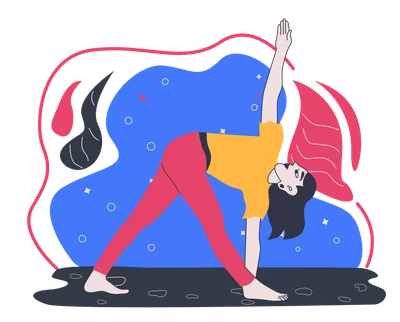
Parivrtta Parsvottanasana
A narrow-stance fold with a full rotation added. The narrow base leaves very little margin, so the twist has to be built slowly rather than forced.
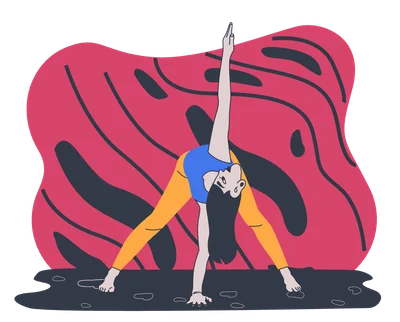
Parivrtta Prasarita Padottanasana
A wider stance than the pose above, which trades some of the balance challenge for a deeper twist. Different poses in this group ask for different ratios of the two.
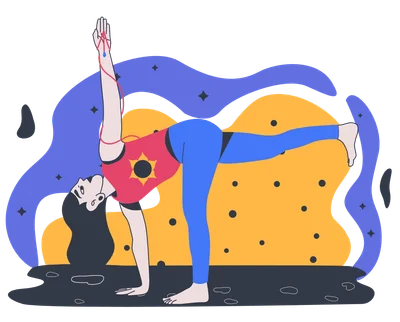
Parivrtta Ardha Chandrasana
One hand, one foot, and a full spinal rotation held together. This is one of the more demanding balances on the whole page, combining nearly everything the earlier poses ask for separately.
Lunges and Warriors — Wider Bases, Real Stability
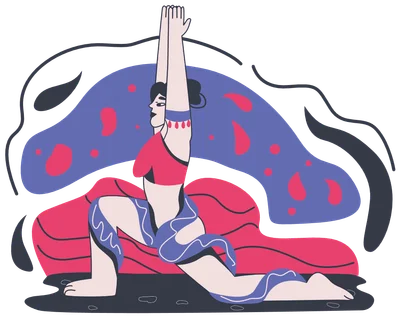
Anjaneyasana
A deep lunge with no back foot flat on the ground for support, which asks the front leg and the core to stabilize the whole shape together.
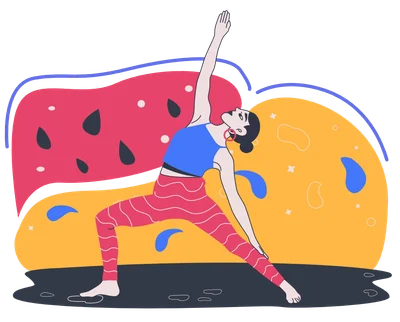
Shanti Virabhadrasana
A wide stance with the torso opening back over the front leg. The base is wider than the single-leg balances above, but holding the reach steady still takes real stabilizing effort.
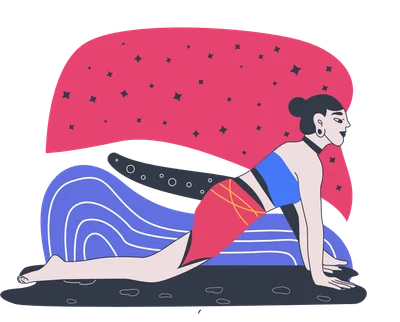
Utthan Pristhasana
A low lunge close to the ground, which lowers the centre of gravity and makes the balance easier, a useful place to practise the same stabilizing muscles with less risk.
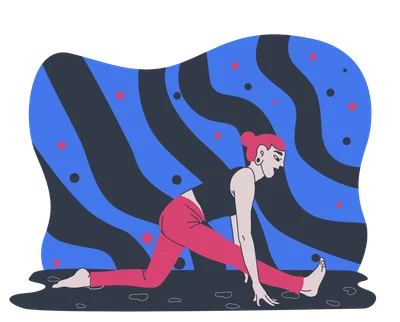
Ardha Hanumanasana
A hamstring stretch with the back knee down for support, but the front leg extended and unsupported still has to stabilize the whole position.
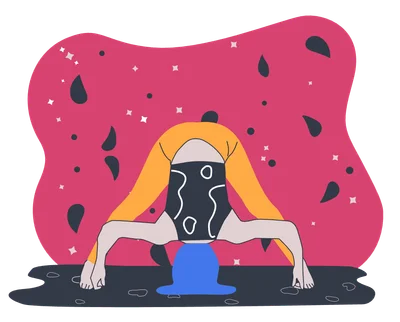
Prasarita Padottanasana D
A wide, two-footed stance, included here because a wide base still requires active stabilizing work, especially once the arms lift and shift the weight overhead.
Arm Balances — Balance Without Your Feet
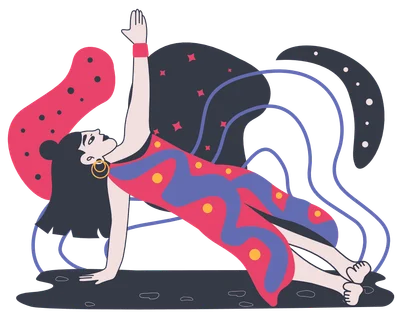
Vasisthasana
One hand, one foot, the whole body in a line. The balance challenge here runs through the wrist and shoulder rather than the ankle, a genuinely different stabilizing system.
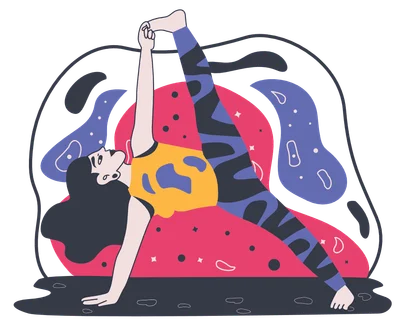
Eka Pada Vasisthasana
The same shape with a second leg lifted into the air, removing even more of the base. There's very little contact with the ground left to correct from.
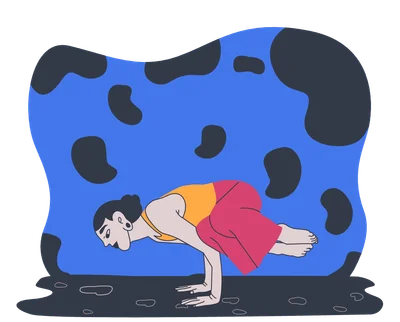
Parsva Bakasana
An arm balance rotated sideways, asking the hands to stabilize a twisted, off-centre shape. It's a different kind of balance than anything standing on the legs.
Supine and Inverted — A Different Kind of Balance
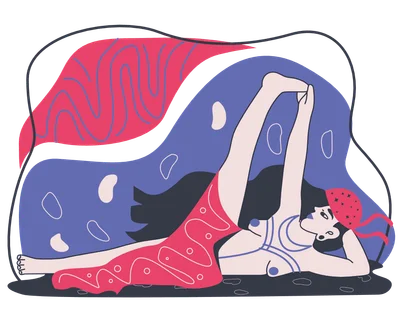
Anantasana
A side-lying balance, using the width of the body against the floor rather than a narrow standing base. It trains control in a completely different orientation.
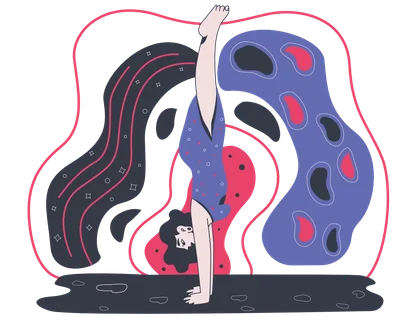
Adho Mukha Vrksasana
Balance runs entirely through the hands here, adjusted constantly through the fingers rather than the whole foot. It's the clearest example on this page of how balance changes when the base changes completely.
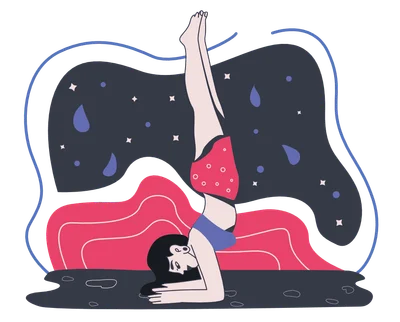
Pincha Mayurasana
An inversion balanced on the forearms instead of the hands, with a wider but less adjustable base than Handstand. The stabilizing work happens mostly through the shoulders here.
A 20-Minute Balance Sequence
Same idea as always. Not five random poses, there's a build to it: arrive on two feet, narrow the base with each pose, meet the pose that tips your centre of gravity furthest from your foot, then widen the base again before you finish.
- 1Mountain Pose1 minute
Arrive. Weight even across both feet, the reference point for everything after it.
- 2Tree Pose5 breaths each side
Build. The standard entry point, one foot pressed into the standing thigh.
- 3Standing Hand-to-Big-Toe Pose5 breaths each side
Build. The passive support of Tree Pose is gone, the grip has to stay active.
- 4Warrior III5 breaths each side
Peak. The body tips forward until it's parallel to the floor, balanced on one leg alone.
- 5High Lunge5 breaths each side
Release. A wider base, lower stakes, the same stabilizing muscles working differently.
The base gets progressively smaller through the middle of the practice, two feet, one foot, one foot with the body tipped forward, and then wider again by the end. Balance training works best with that kind of variation, not just repeating the hardest version over and over.
Teaching a Balance & Stability Class
Give students a wall or a chair to touch lightly if needed, using support isn't cheating, it's how the stabilizing muscles still get trained without the fear of falling taking over. Have people practise with eyes open on a fixed point first, closing the eyes removes a major balance input and should come later, not on day one. Building a full class around this theme: the Sequence Builder lets you start from any of these poses and adjust hold times, order and how much standing versus floor work you want.
Open the Sequence Builder →Build Your Balance & Stability Practice
Get my practiceFrequently Asked Questions
What makes a yoga pose good for balance and stability?
A narrow or unusual base of support, standing on one leg, an arm balance, an inversion, anything that forces small, constant muscular corrections to stay upright.
Why does balance get harder as people get older?
A combination of factors, slower muscle response, changes in the inner ear, less practice overall since most adults rarely stand on one leg outside of yoga. It responds well to training at any age, which is the main reason to bother with it.
How long should I hold a balance pose?
Long enough that the first wobble settles, twenty to thirty seconds on most single-leg poses. Falling out and resetting is normal and useful, not a failure.
Are these poses suitable for beginners?
Yes, start with Tree Pose, Mountain Pose and High Lunge, ideally near a wall. Handstand and the arm balances further down are worth building toward. This is general information, not medical advice. See the medical disclaimer.
Related Practices