Grounding & Centering
When You Feel Like You're Not Quite Here
Some days the ground doesn't feel especially solid. Thoughts move fast, plans for tomorrow crowd out whatever's happening right now, and even standing still you feel a little bit like you could tip over. That's not really about balance. It's about attention living somewhere other than your feet.
In Ayurveda this is Vata territory, the element of air and space, the dosha in charge of movement and the one most easily thrown off by travel, screens, or too much thinking. The poses here work against that in a pretty literal way, wide bases, low centres of gravity, weight settling down through the feet or the hands instead of hovering.
This is Muladhara, the root centre, and Apana Vayu, the downward current that governs elimination and letting go. You don't need to buy into either idea for the poses to do what they do. Stand with your weight even across both feet and something in the nervous system just settles.
Maybe it's racing thoughts that won't quiet down, or a body that feels light and scattered even standing still. Maybe it's the specific kind of restlessness that shows up after travel, or after too many hours behind a screen. This isn't really a flexibility problem or a strength problem. It responds better to weight, rhythm and repetition than it does to willpower.
Standing Balances — Root Through One Point
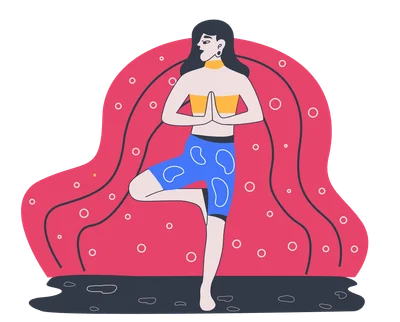
Vrkasana
One foot rooted, weight even across the heel and the ball of the foot, spine stacked and still. Nothing about it looks dramatic, and that's the point, grounding rarely does.
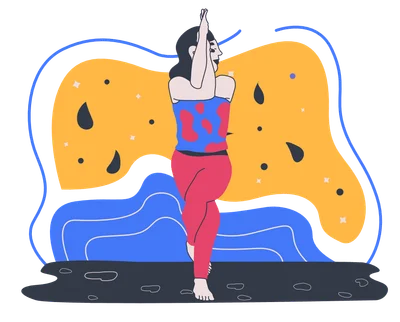
Garudasana
Arms and legs wrap in toward the centre, pulling everything into one narrow column instead of spreading out. There's something almost literal about it, the whole body gathering itself into a single, rooted line.
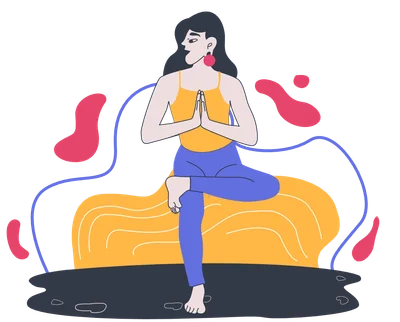
Eka Pada Utkatasana
A squat on one leg, which halves your base and asks the standing foot to do the work that two feet usually share. You feel exactly how much weight you're actually carrying through that one point of contact.
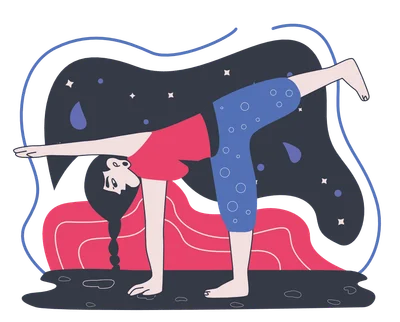
Ardha Chandrasana
One hand, one foot, and the body opened out into space. It doesn't look grounding at first, but the standing leg has to root harder here than almost anywhere else on this page just to keep the rest of the shape from tipping.
Standing Holds — Wide, Low, Stable
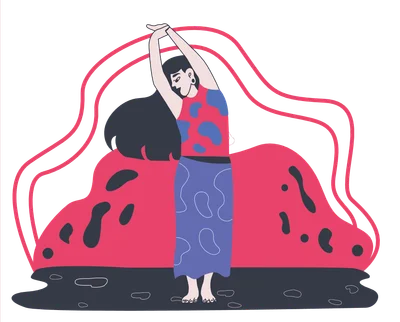
Parshva Tadasana
Mountain Pose is the reference point for every standing shape, feet planted, weight settled. Adding the side bend here doesn't disturb that. It tests whether the base actually holds while something moves above it.
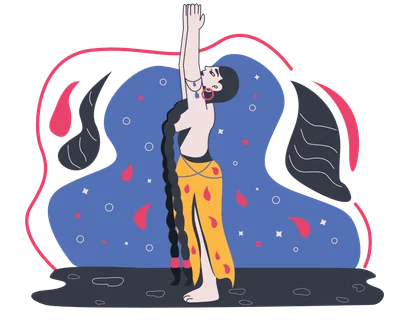
Urdhva Hastasana
The arms reach up, but the feet are doing the real work, pressing down as the rest of the body lengthens up. Grounding and reaching aren't opposites here, one makes the other possible.
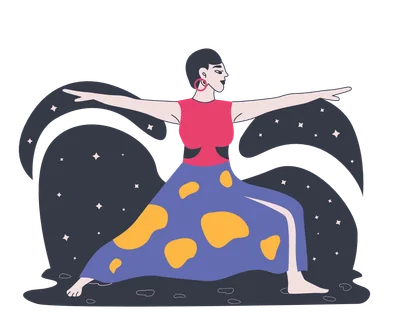
Virabhadrasana II
A wide, low stance held with the legs doing real work. The back foot pressing fully into the floor is where the grounding actually happens, not the front knee bending.
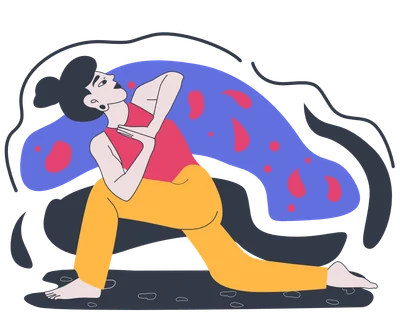
Parivrtta Anjaneyasana
A deep lunge with a twist added on top. The back foot has to stay rooted through the whole rotation, or the twist just pulls the whole stance off balance.
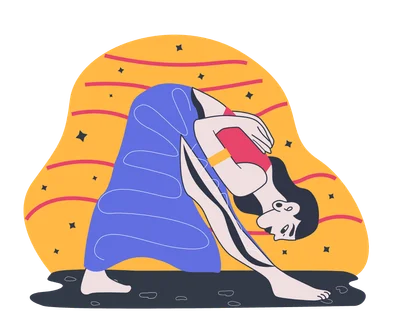
Parshvottanasana
A forward fold over a front leg, both feet planted evenly. Most of the effort here is in keeping the back heel down rather than letting it lift as the fold deepens.
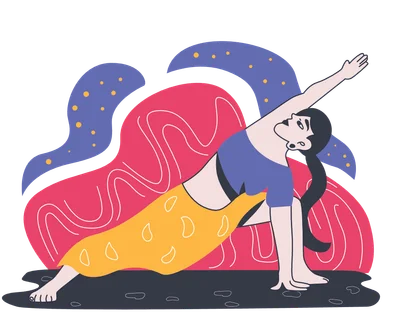
Utthita Parsvakonasana
A wide, low lunge with the torso extended out over the front leg. The back foot's outer edge pressing into the mat is what keeps the whole long line from collapsing.
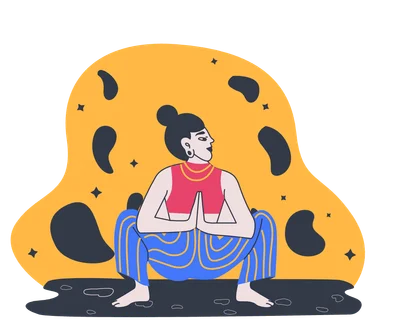
Malasana
A deep squat, about as low and wide a base as standing poses get. Most adults did this easily as children and lost the habit of it somewhere along the way.
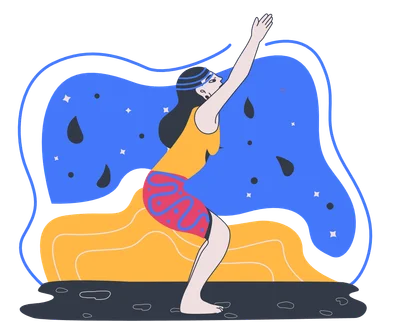
Utkatasana
A held squat, arms overhead, weight sinking back into the heels rather than forward into the toes. That weight distribution is the whole pose, more than the depth of the bend.
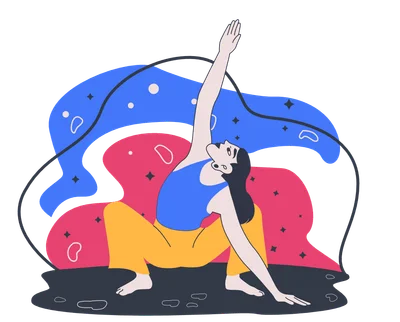
Parivrtta Malasana
The same deep squat with a twist layered on. Squat comfort has to come first, or the twist just pulls you up out of the grounded position instead of rotating within it.
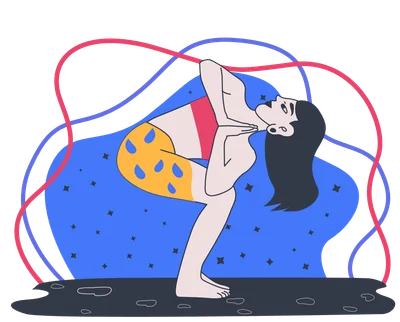
Parivrtta Utkatasana
A held squat with the spine twisted against the thighs. The feet have to stay planted through the rotation, which is harder than it sounds once the twist gets deep.
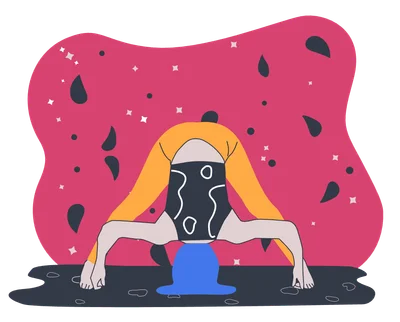
Prasarita Padottanasana D
A wide stance with real weight dropping into both feet and the crown of the head. Two points of contact with the ground instead of one, which is about as grounded as a standing pose gets.
Kneeling and Seated — Settling In
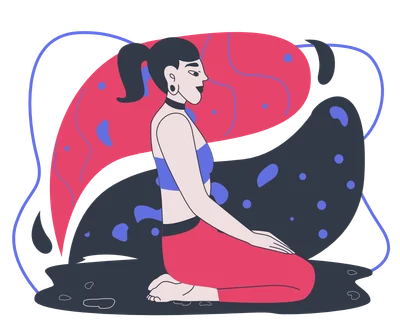
Vajrasana
A kneeling seat with a naturally long spine, traditionally used before meditation for exactly this reason. It asks very little of the body, which makes it an honest place to notice whether the mind has actually settled.
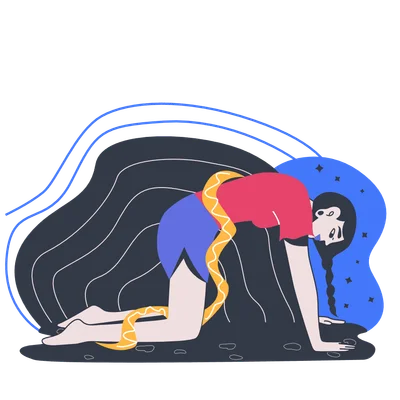
Marjaryasana
Hands and knees on the floor, four points of contact instead of two. There's something inherently steadying about that much ground beneath you, before the pose even starts to move.
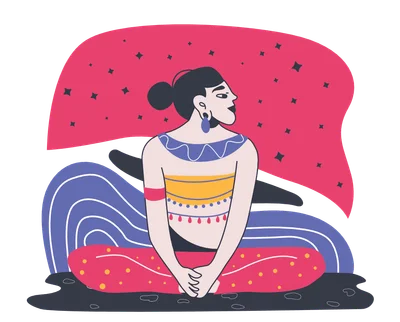
Baddha Konasana
Soles of the feet together, knees dropping toward the floor, sitting bones grounded beneath you. The lower half of the body settles heavy here in a way that's hard to get standing up.
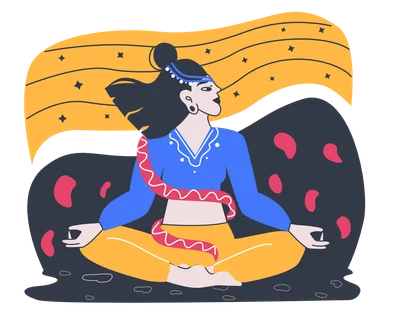
Sukhasana
The simplest seat there is, and often the plainest test of whether you can actually sit still. No physical challenge to blame a wandering mind on, just the sitting bones on the floor and whatever comes up.
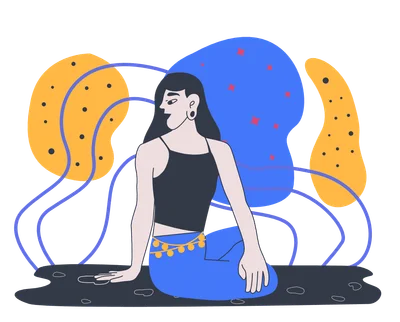
Parivrtta Sukhasana
The same simple seat with a gentle twist added. The sitting bones have to stay grounded through the rotation, or the twist ends up happening in the shoulders instead of the spine.
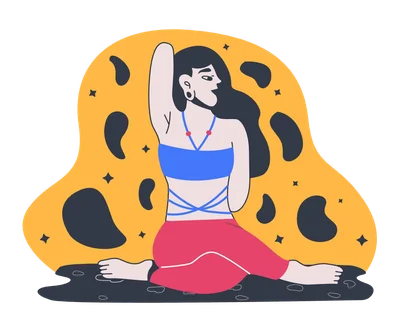
Gomukhasana
One knee stacked over the other, sitting bones pressed into the floor beneath a fairly demanding hip position. Staying grounded through something uncomfortable is its own kind of practice.
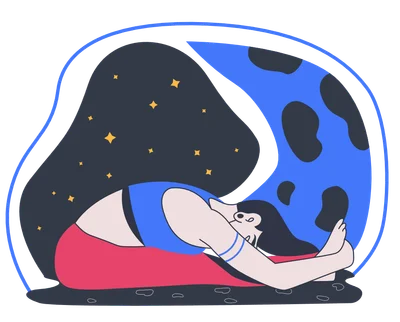
Pashimottanasana
A full seated fold, weight settling down through the sitting bones even as the torso reaches forward. The grounding happens in what stays still while everything else moves.
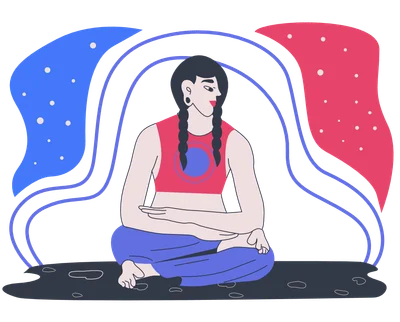
Agni Stambhasana
Shins stacked, sitting bones planted. It's intense on the hips, and staying present with that intensity instead of shifting around is part of what makes it grounding rather than just uncomfortable.
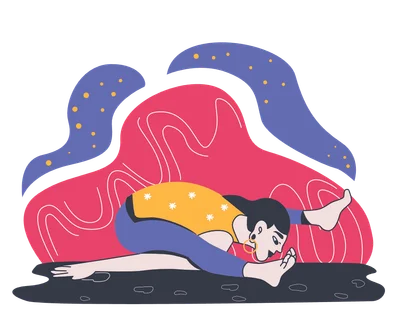
Kurmasana
A deep fold with the legs over the shoulders, about as low to the ground as a seated pose gets. There's nowhere lower to go from here, which is its own kind of settling.
Arm Support — An Unexpected Kind of Grounding
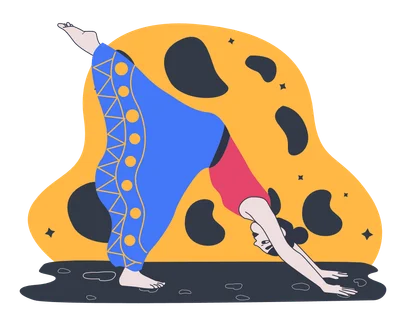
Eka Pada Adho Muhka Svanasana
One leg lifts from Downward Dog, but the two hands and one standing foot left on the ground have to root harder to make up for it. Losing a point of contact makes you notice the ones you still have.
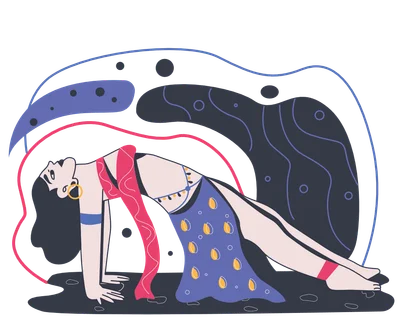
Purvottanasana
Hands and feet pressed into the floor, the whole body lifted into a straight line between them. The grounding here is active, not passive, pressing down is what creates the lift.
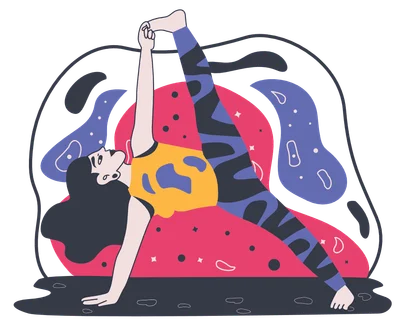
Eka Pada Vasisthasana
One hand, one foot on the ground, and a second leg lifted into the air. What little contact you have with the floor has to be completely committed, there's no halfway version of this.
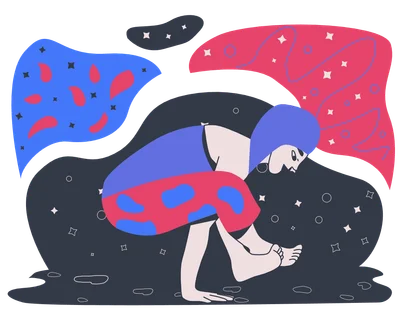
Bhujapidasana
The hands root into the floor while the rest of the body lifts and hovers above it. It's a strange kind of grounding, everything held up by two points that refuse to move.
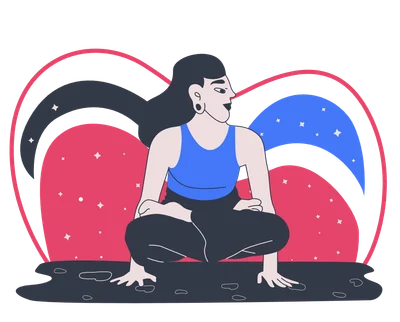
Tolasana
Hands planted, the whole body lifted off the mat. The hands have to be more grounded here than almost anywhere else on this page, since they're the only thing between you and the floor.
Lying Down and Upside Down
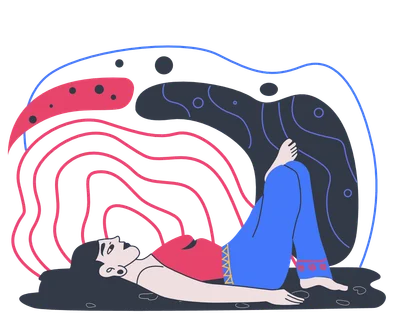
Supta Kaptasana
Lying on your back removes the standing challenge entirely, so the weight of the body against the floor becomes the whole experience instead of something to maintain.
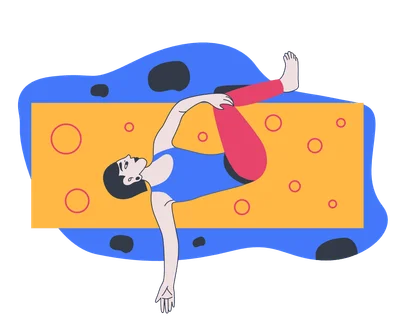
Jathara Parivartanasana
Shoulders stay pressed into the floor while the legs fall to one side. The grounding is in what doesn't move, the twist only works because the upper back stays anchored.
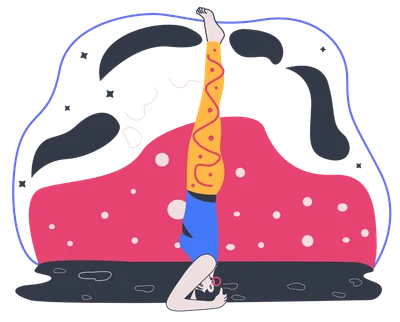
Sirsasana
It sounds like the opposite of grounding, being upside down, but the base here, forearms and crown of the head, has to be more stable and more rooted than in almost any standing pose. You're just building the root in a different direction.
A 20-Minute Grounding Sequence
Same idea as always. Not five random poses, there's a build to it: arrive low and steady, work up to the one balance that asks the most from your standing leg, then spread back out and finally lie down against the floor.
- 1Thunderbolt Pose1 minute
Arrive. A kneeling seat with almost nothing to negotiate, just settling in.
- 2Garland Pose8 breaths
Build. A low, wide squat, about as much contact with the ground as a standing pose allows.
- 4Half Moon Pose6 breaths each side
Peak. The standing leg has to root harder here than anywhere else in the sequence.
- 5Butterfly Pose1 minute
Release. Sitting bones down, knees open, the lower body settling heavy again.
- 6Reclining Pigeon Pose2 minutes each side
Close. Lying down, as much of the body touching the floor as possible.
The practice moves from a low, wide base to the one point of contact in Half Moon Pose, then spreads back out and finally lies down flat against the floor. By the end there's no more balancing required, just as much of you touching the ground as possible.
Teaching a Grounding & Centering Class
Cue weight distribution explicitly. Most students don't know where their weight actually sits until you name it, heel versus toe, one foot versus the other. Grounding classes reward slower transitions, rushing between these poses tends to undo the effect before it settles. Building a full class around this theme: the Sequence Builder lets you start from any of these poses and adjust hold times, order and props.
Open the Sequence Builder →Build Your Grounding & Centering Practice
Get my practiceFrequently Asked Questions
What makes a yoga pose grounding?
A wide, stable base and even weight distribution, standing poses with both feet planted, deep seated folds, or poses that bring the body low and close to the floor. Anything that asks you to notice contact with the ground rather than fight gravity.
Why does an inversion like Headstand count as grounding?
Because the mechanism is the same even though the orientation is flipped, a small, completely stable base carrying the whole weight of the body. The forearms and head have to root the way feet normally do.
How long should I hold a grounding pose?
Longer than a flowing vinyasa hold, five to ten breaths minimum on the standing poses, longer on the seated ones. Grounding needs time to actually register.
Are grounding poses suitable for beginners?
Most of them, yes, Tree Pose, Mountain Pose and Easy Pose are all good starting points. This is general information, not medical advice. See the medical disclaimer.
Related Practices