Circulation & Lymph Flow
The Blood That Pools When You Sit Too Long
Sit for long enough and blood pools in the lower legs, the muscles that normally help pump it back up toward the heart doing nothing. That heavy, slightly swollen feeling by the end of a long flight or a desk-bound day isn't imagined, it's mechanical, gravity winning by default when nothing pushes back.
Two mechanisms do most of the work here. Inversions use gravity in the opposite direction, letting blood that's pooled in the legs flow back down toward the heart instead of fighting to get there. And compression poses, a wrapped limb, a deep squat, a twist, work more like a wring-and-flush, squeezing an area and then releasing it, pushing stagnant blood out and letting fresh blood back in.
This leans toward Vishuddha in a few of the deeper inversions, but the honest throughline is mechanical, not energetic. Gravity and compression, used deliberately, move blood that's otherwise happy to sit still.
Maybe it's legs that feel heavy and swollen after a long flight or a day spent mostly sitting, or hands that go a little cold and numb more easily than they should. Maybe it's just wanting to counter hours of stillness with something that actually moves blood around. These poses work quickly, most people notice a difference within the practice itself, not weeks later.
Inversions — Sending Blood Back the Other Way
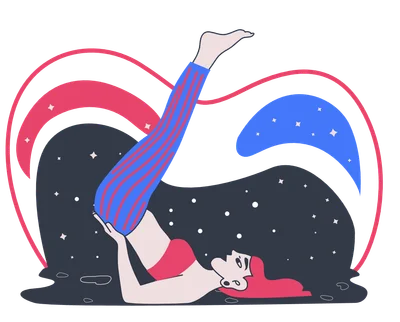
Viparita Karani
Legs resting up a wall, letting gravity pull pooled blood back down toward the heart instead of fighting to return it. This is usually the gentlest and most immediately noticeable pose on this whole page.
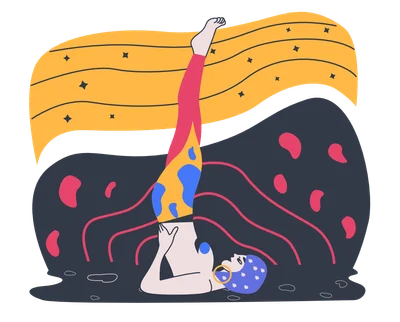
Salamba Sarvangasana
A fuller inversion than Legs Up the Wall, reversing the usual pull of gravity on the whole lower body at once, not just the legs.
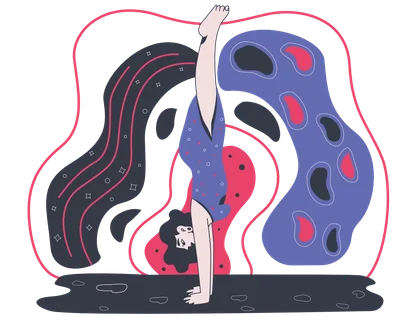
Adho Mukha Vrksasana
A full inversion balanced on the hands, sending blood toward the head and upper body in a way almost nothing else in daily life does.
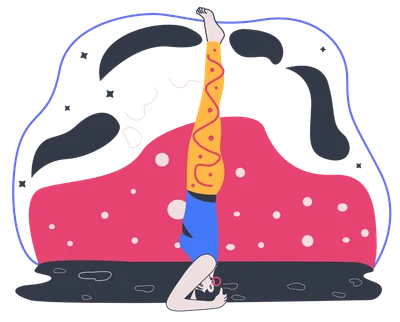
Sirsasana
The classic full inversion, held longer than a handstand typically allows, which gives the reversed blood flow more time to actually matter.
Compression and Release — the Wring-and-Flush Poses
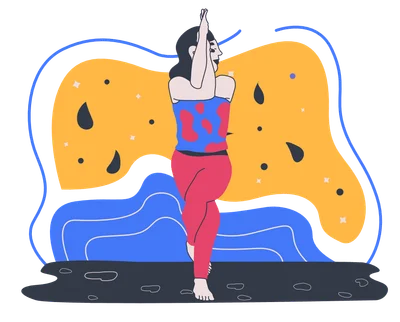
Garudasana
Arms and legs wrap tightly around the midline, compressing blood vessels that then flood back open the moment you release the shape. That squeeze-and-release is a real, if small, circulatory event.
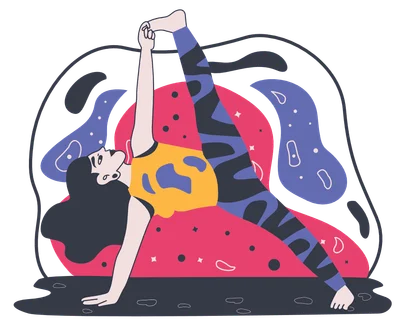
Eka Pada Vasisthasana
One side of the body compresses under full weight while the other extends open, creating an uneven pressure that shifts blood flow noticeably between the two sides.
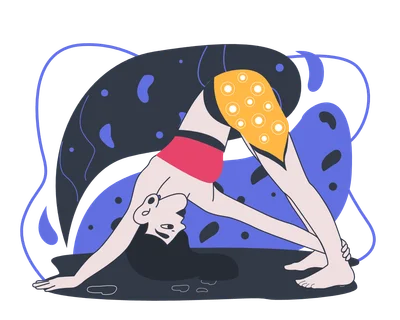
Parivrtta Adho Mukha Svanasana
The twist compresses one side of the torso while the arms and legs keep pumping blood through an already active shape.
Agni Stambhasana
Shins stacked, compressing the backs of the legs in a way few other seated poses do, then releasing that pressure fully once you come out of the shape.
Forward Folds and Extension — Circulation Through the Legs
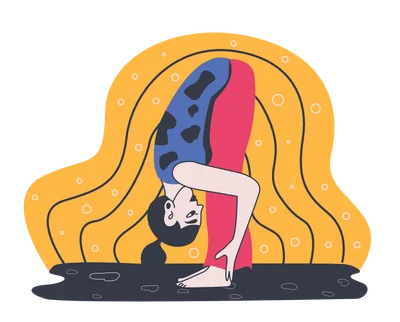
Uttanasana
A fold that brings the head below the heart, a mild inversion in its own right, while the backs of the legs get a real stretch that encourages blood flow on the way out of the pose.
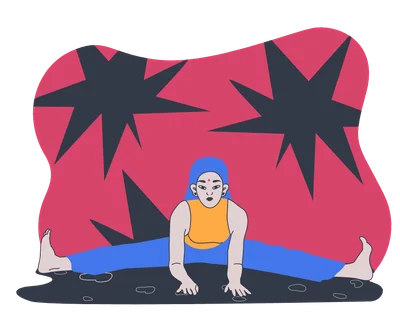
Upavistha Konasana
A wide-legged fold that stretches the inner thighs, an area with major blood vessels running close to the surface, more directly than a narrower stance would.
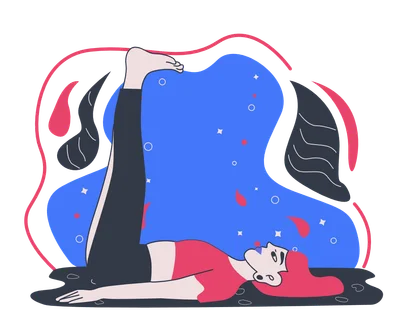
Urdhva Prasarita Padasana
Both legs lift and lower slowly while lying down, an active pumping motion through the legs rather than a passive inversion.
A 20-Minute Circulation Sequence
Same idea as always. Not five random poses, there's a build to it: arrive with a mild inversion, move through active compression poses, meet a full inversion, then close with two more ways of moving blood, an active leg pump and a fully passive rest.
- 1Standing Forward Bend1 minute
Arrive. A mild inversion, the head below the heart, blood starting to move differently.
- 2Eagle Pose5 breaths each side
Build. A squeeze and release, compressing then flooding blood back through.
- 3Fire Log Pose1 minute each side
Build. The backs of the legs compressed, then released fully on the way out.
- 4Headstand1 to 3 minutes
Peak. A full inversion, held long enough for the reversed blood flow to matter.
The practice moves from a mild inversion through active compression poses toward a full inversion, then closes with two more ways of moving blood, an active leg pump and a fully passive inversion. Circulation responds well to that variety, gravity, compression and movement, rather than any single approach alone.
Teaching a Circulation & Lymph Flow Class
Have a wall available for Legs Up the Wall as a substitute for anyone who shouldn't fully invert, high blood pressure, glaucoma and pregnancy are the usual reasons to modify. Cue people to come out of inversions slowly, a fast transition from Headstand back to standing can cause real dizziness as blood pressure readjusts. Building a full class around this theme: the Sequence Builder lets you start from any of these poses and adjust hold times, order and how much standing versus floor work you want.
Open the Sequence Builder →Build Your Circulation & Lymph Flow Practice
Get my practiceFrequently Asked Questions
What makes a yoga pose good for circulation?
Inversions that use gravity to move pooled blood back toward the heart, and compression poses that squeeze an area and then release it, pushing stagnant blood out and letting fresh blood back in.
Is it safe to do inversions for circulation if I have high blood pressure?
Full inversions like Headstand and Handstand generally need a doctor's clearance with high blood pressure. Legs Up the Wall is the gentler substitute and is usually fine, but check with a doctor if you're unsure.
How long should I hold a circulation pose?
Three to five minutes on Legs Up the Wall, since the effect builds with time. The compression poses work fine held for just five to eight breaths, the release matters as much as the squeeze.
Are these poses suitable for beginners?
Legs Up the Wall and Standing Forward Bend are accessible to almost everyone. Headstand and Handstand further up are worth building toward, ideally with a teacher the first several times. This is general information, not medical advice. See the medical disclaimer.
Related Practices