Digestion & Organs
The Gut Doesn't Lie
Stress shows up in the stomach before it shows up anywhere else for a lot of people. A tight, unsettled feeling before something difficult, appetite disappearing or going the other way entirely, a gut that seems to know something's wrong before the mind has worked out what. That connection isn't imagined. The digestive system runs on the same nervous system as everything else.
Physically, these poses work mostly through twisting and compressing the belly, then releasing, which moves things along in a fairly literal way, and through backbends and standing poses that build heat through the middle of the body. In Ayurveda that heat has a name, Agni, the digestive fire, treated as something that needs tending rather than something that just runs on its own.
This sits at Manipura, the solar plexus, the same centre associated with willpower and personal drive elsewhere. That's not a coincidence either. A lot of traditions treat the gut and a sense of personal drive as more connected than modern medicine usually credits.
Maybe it's bloating after a meal that shouldn't have caused it, or a stomach that's been unsettled for reasons that don't quite line up with what you've eaten. Maybe it's the specific kind of sluggish, heavy feeling that sitting all day tends to produce. Twisting, folding and building a bit of internal heat tend to help more directly here than most other approaches, and it doesn't take long to notice.
Twists — Wringing Things Out
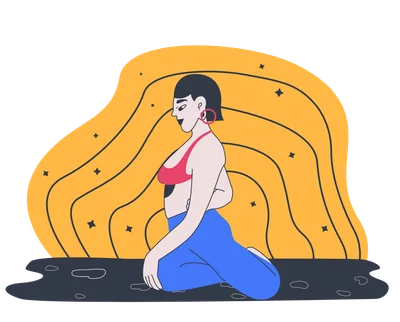
Bharadvajasana 1
A gentle seated twist, often one of the first taught, and a good reminder of what a twist is actually meant to do here, compress one side of the belly and then release it, encouraging movement rather than forcing it.
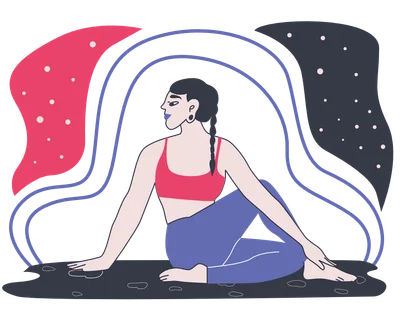
Ardha Matsyendrasana
A deeper seated twist that wrings through the abdomen more than the gentler version does. Building up to this one from something simpler tends to work better than starting here.
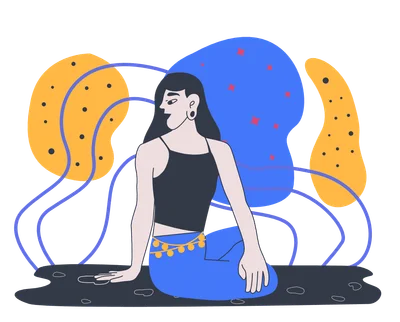
Parivrtta Sukhasana
A simple cross-legged seat with a light twist added, easy to do slowly and repeatedly. The gentleness is the point, not every twist needs to be intense to be useful.
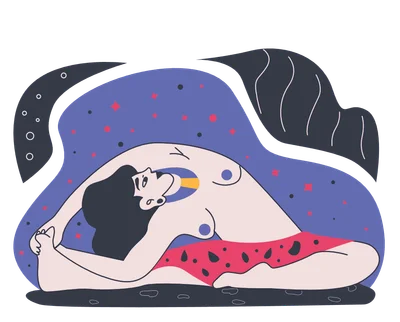
Parivrtta Janu Sirsasana
A side bend combined with a twist over a bent and extended leg. It reaches a slightly different angle through the belly than a straight seated twist does.
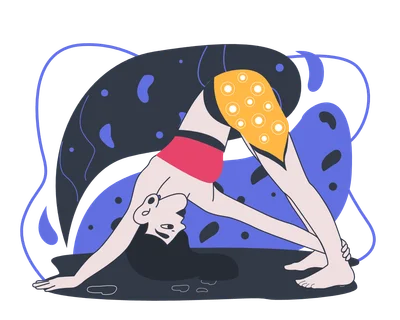
Parivrtta Adho Mukha Svanasana
A twist added to Downward Dog, one arm threading under the body. It's a more active kind of twist than the seated versions, closer to a wringing motion than a hold.
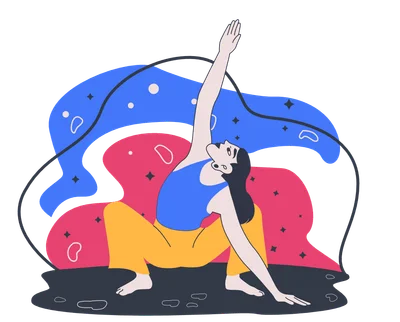
Parivrtta Malasana
A deep squat with a twist layered on top. The squat itself already compresses the belly, and the twist adds a rotational element that most standing poses don't reach.
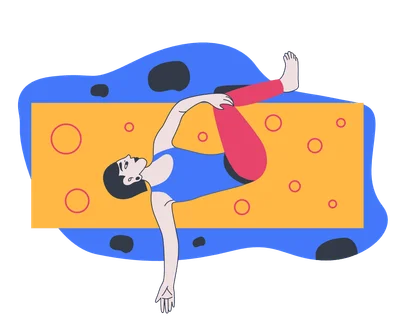
Jathara Parivartanasana
Lying down with the legs falling to one side, shoulders staying flat. It's one of the more passive twists here, letting gravity do most of the work instead of active effort.
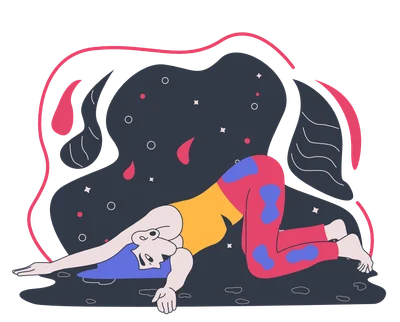
Parsva Balasana
A gentle twist from a kneeling position, hips staying low. It's mild enough to hold for a while, which matters more here than intensity does.
Forward Folds — Gentle Compression

Baddha Konasana
Soles of the feet together, torso folding forward over them. The fold brings gentle, steady pressure into the belly, nothing sudden or forced about it.
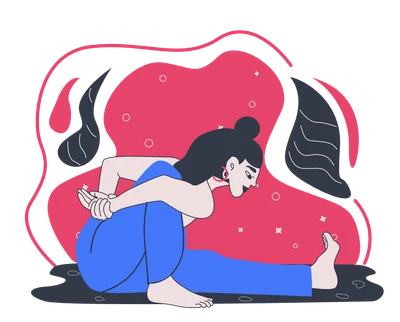
Marichyasana A
One leg bent close to the body, the other extended, folding forward over both. The bent knee presses lightly into the belly on that side, a small, specific kind of compression.

Pashimottanasana
A full seated fold over both legs, one of the more complete forward compressions on this page. It's also one people rush, and slowing down here changes what the pose actually does.

Kurmasana
A deep fold with the legs over the shoulders, about as much compression through the front of the body as a seated pose offers. It's intense, and worth building toward rather than forcing.
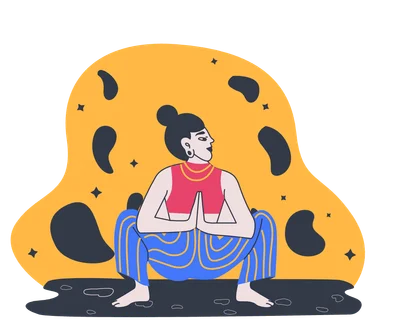
Malasana
A deep squat that naturally presses the thighs against the belly. It's more of a standing compression than a seated one, and a useful one to hold gently, not right after eating.
Backbends — Stimulating the Front Line

Ardha Bhujangasana
A small lift of the chest, gentle enough to repeat slowly. Backbends work the opposite direction from a fold, stretching rather than compressing, and both movements matter here.
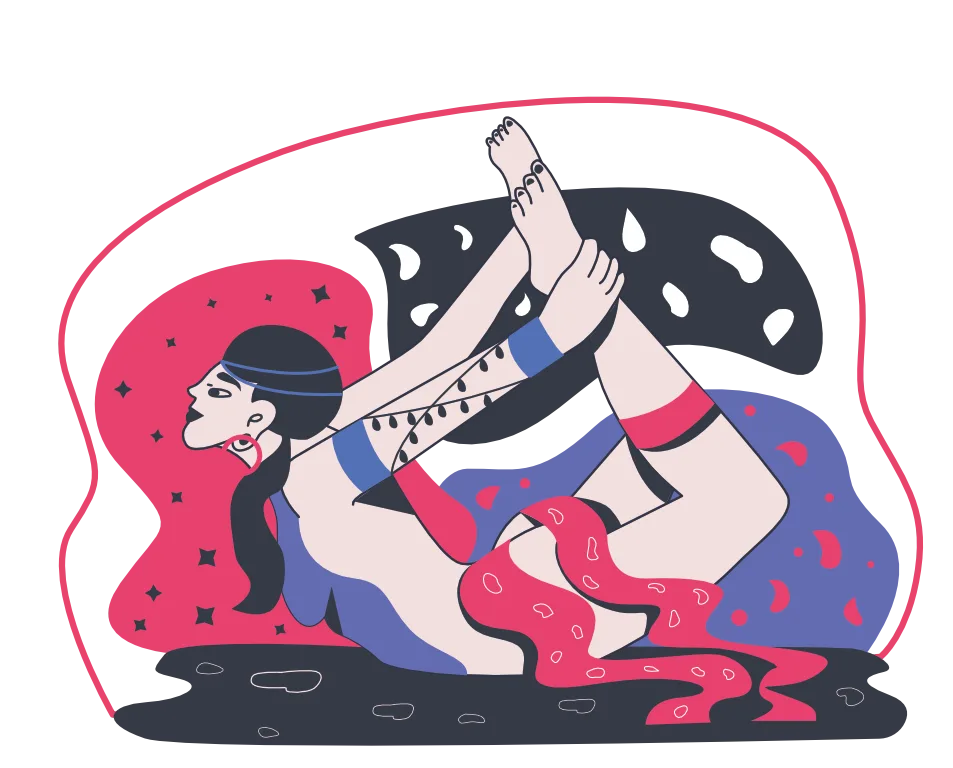
Dhanurasana
Chest and thighs lift together, the whole front of the torso stretched open. It follows naturally after a sequence of folds and twists, undoing the compression rather than adding more.

Bhujangasana
A deeper backbend than Baby Cobra, lifting further through the chest while the hips stay down. The stretch through the front of the belly is more pronounced here.
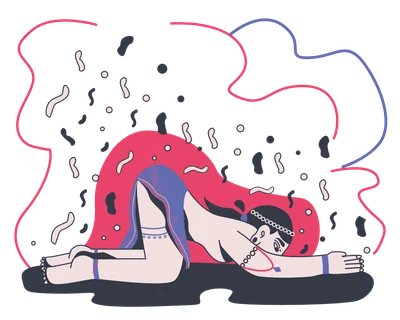
Anahatasana
Hips stay high while the chest sinks toward the floor, a passive stretch through the front of the body rather than an active lift. It's a gentler way to get the same opening as the poses above.

Matsyasana
The chest lifts and the head tips back, opening the throat and the front of the torso fully. It's often used to counter the folds and twists that come before it in a sequence like this.
Standing and Kneeling — Warming the Fire
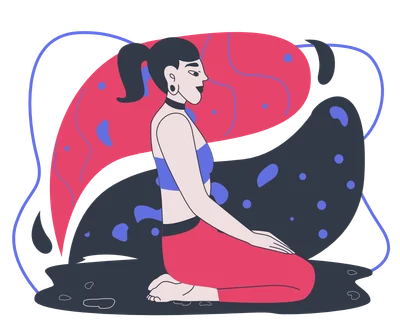
Vajrasana
A kneeling seat, traditionally recommended after eating specifically because it's said to support digestion. Whatever the mechanism, sitting upright rather than slumped after a meal is at least not going to hurt.
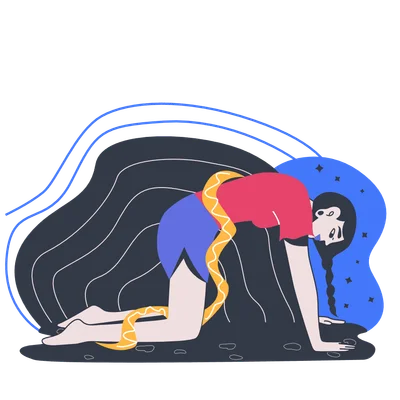
Marjaryasana
Hands and knees, spine rounding and arching. The movement massages the belly gently from the inside as the spine moves, more than a static pose could.

Adhomukha Shvanasana
An inversion of sorts, which shifts blood flow toward the upper body and gives the digestive organs a brief change of position. It's also just a good reset between more demanding poses.
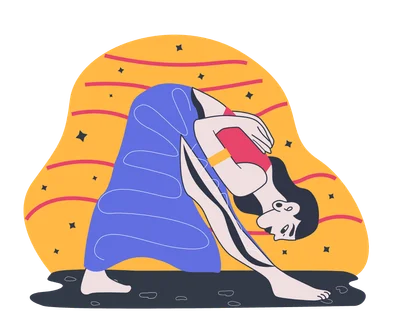
Parshvottanasana
A fold over a front leg, which adds a standing compression to the belly on top of the stretch through the legs. Two things happening in one shape.
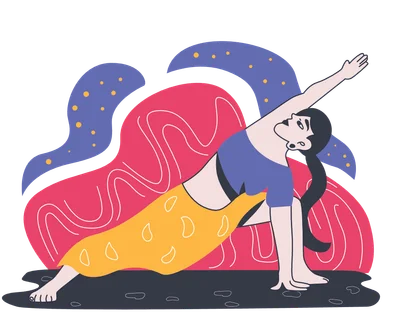
Utthita Parsvakonasana
A long diagonal stretch through one side of the torso, opening what the twists compress. Alternating between the two tends to work better than only doing one.
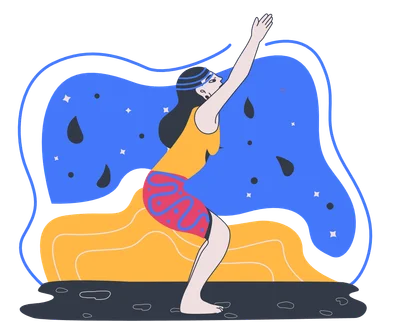
Utkatasana
A held squat that builds real heat through the legs and the core. That heat is the point here more than the shape, Agni responds to warmth generated through effort.
Side Bends and Rest
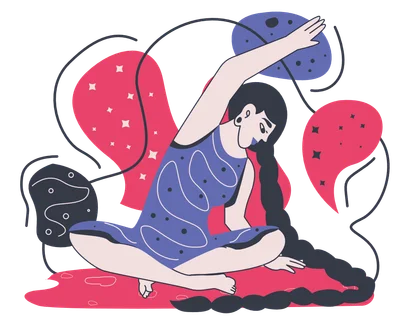
Parsva Sukhasana
A simple cross-legged seat with a reach to the side, stretching one side of the ribs and belly at a time. It's mild, which makes it a good pose to do slowly and without much effort.
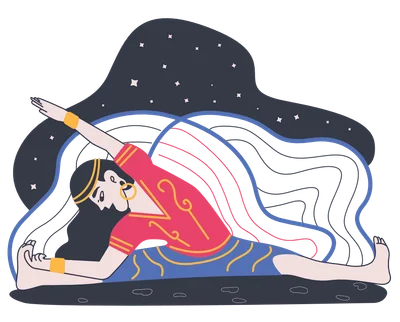
Parivrtta Upavistha Konasana
A wide seated stretch with a side bend added, reaching further through the torso than the simpler version above. It asks for a bit more openness in the hips to get the full effect.
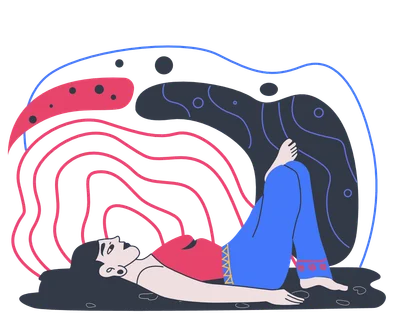
Supta Kaptasana
Lying down, which is where this practice is heading. The hip stretch here is real, but by this point it also reads as permission to stop actively working and just rest.
A 20-Minute Digestion Sequence
Same idea as always. Not five random poses, there's a build to it: arrive, warm up with movement, twist to compress and release, meet a backbend that undoes the compression, then lie down where gravity finishes the twisting instead of effort.
- 3Bharadvaja's Twist5 breaths each side
Build. A first, gentle twist, compressing and releasing one side at a time.
- 4Half Lord of the Fishes5 breaths each side
Peak. A deeper twist, wringing further through the abdomen.
- 6Reclining Belly Twist1 minute each side
Close. Lying down, letting gravity do the twisting instead of effort.
The practice moves from active twisting to a deep backbend that undoes the compression, then finishes lying down where gravity does the twisting instead of effort. Digestion tends to respond better to that kind of rhythm, compress and release, than to any single held pose.
Teaching a Digestion & Organs Class
Time twisting poses away from right after a meal, before or a good while after works better than during digestion itself. Cue the twist to come from the spine rather than the shoulders, most people twist from the wrong place first. Pair every twist with an opening pose somewhere nearby in the sequence, folds and twists compress, backbends and side bends release, and a class needs both. Building a full class around this theme: the Sequence Builder lets you start from any of these poses and adjust hold times, order and how much standing versus floor work you want.
Open the Sequence Builder →Build Your Digestion & Organs Practice
Get my practiceFrequently Asked Questions
What makes a yoga pose good for digestion?
Twists that compress and release the belly, forward folds that add gentle pressure, and backbends that stretch the front of the torso and undo that compression. Movement and alternating pressure seem to matter more than any single shape.
Should I practise these poses before or after eating?
After is generally better for the twists and folds specifically, wait at least an hour or two after a full meal. Gentle poses like Cat Pose or a light seated twist are usually fine sooner.
How long should I hold a digestion pose?
Five to eight breaths on most twists, longer on the passive ones like Reclining Belly Twist, which can be held for a minute or more per side.
Are these poses suitable for beginners?
Yes, start with Cat Pose, Bharadvaja's Twist and Butterfly Pose. Deeper twists like Half Lord of the Fishes are worth building toward. This is general information, not medical advice, and not a substitute for medical care if digestive issues are persistent. See the medical disclaimer.
Related Practices