Heart Opening
The Posture of Staying Open
Guardedness has a shape. Shoulders rounded forward, arms crossed, chest slightly collapsed, protecting the softest part of the torso the way you'd protect anything vulnerable. It's a completely reasonable posture to default to. It's also one that, held for years, starts to feel like the only option.
Backbends do the literal opposite, lifting and opening the chest, throat exposed, nothing protected. Some of these poses aren't backbends at all, seated shapes that ask for stillness and receptivity rather than arching, which turns out to be its own kind of opening, quieter but not smaller.
This sits at Anahata, the heart centre, right in the middle of the chakras, between the more physical ones below and the more mental ones above. Physically, opening the chest changes how you breathe. Whether it changes anything else is something you'll have to find out for yourself.
Maybe it's a habit of crossing your arms or rounding your shoulders that you've noticed but never quite addressed. Maybe it's something less physical, a general reluctance to be seen, to let people in, to stay open when the easier move is to close off. These poses work on the physical version directly. What happens beyond that is genuinely up to you.
Backbends — Where the Chest Opens Directly
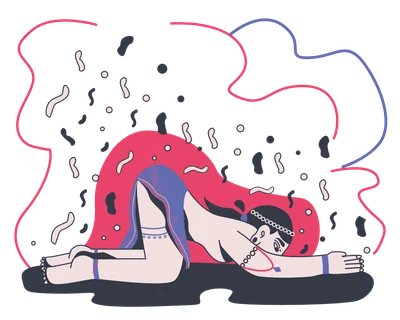
Anahatasana
Hips high, chest sinking toward the floor, arms extended long. The name isn't subtle, this is about as direct a chest opener as a passive stretch gets.

Ustrasana
A kneeling backbend that opens the throat, chest and front of the hips all at once. It's intense, and often the pose people mean when they talk about a heart-opening backbend specifically.

Supta Virasana
Sitting between the heels and leaning back, usually with support. The chest opens as a side effect of the shape, not the main point, but it opens all the same.
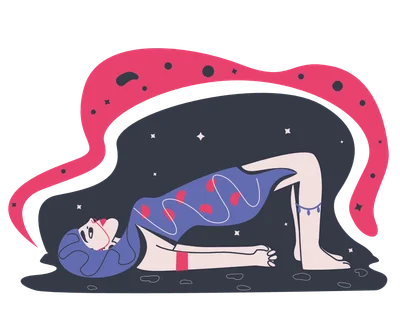
Setu Bandha Sarvangasana
The hips lift while the shoulders and feet stay grounded, a supported backbend that opens the chest without demanding the flexibility Camel Pose does.
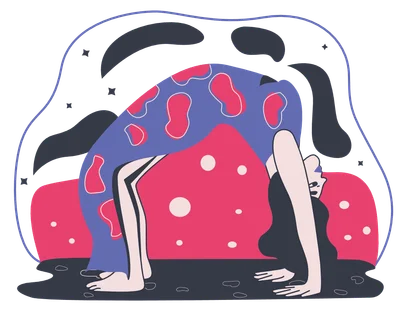
Urdhva Dhanurasana
A full backbend, pressing up into an arch. The chest opens further here than in almost any other pose on this page, throat and heart both fully exposed.
Standing — Opening While the Legs Keep Working
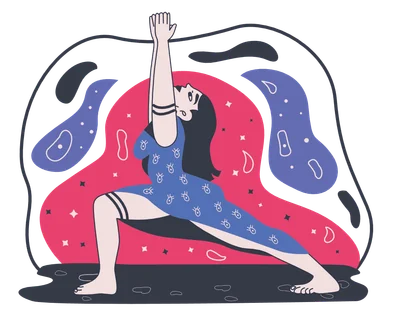
Virabhadrasana 1
A grounded lunge with the arms reaching overhead and the chest lifted toward the sky. The legs are doing real work here, which makes the chest opening feel earned rather than passive.
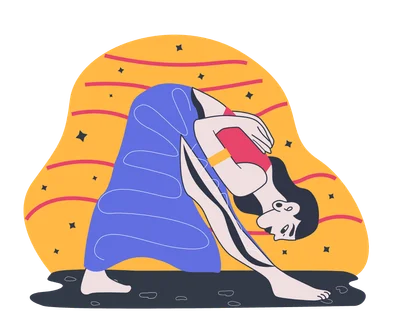
Parshvottanasana
Usually practised with the hands in reverse prayer behind the back, which opens the shoulders and chest in a way the forward fold alone wouldn't ask for.
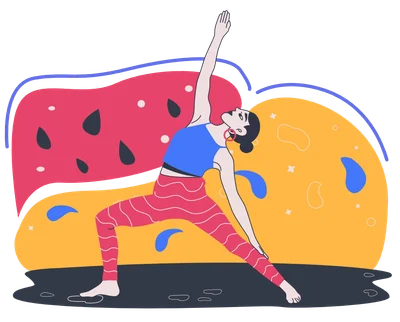
Shanti Virabhadrasana
The torso opens back over the front leg, chest lifted and unguarded. It's one of the more literal chest openers among the standing poses here.
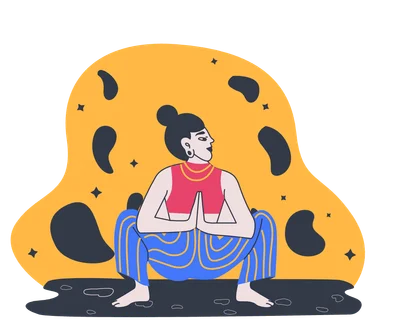
Malasana
A deep squat, often practised with the hands together at the heart and the elbows pressing the knees open. The heart-opening connection here is more about the hand position than the shape of the squat itself.
Seated — A Quieter Kind of Opening
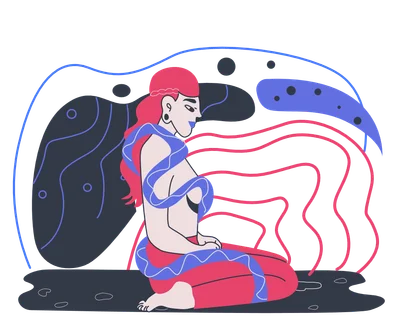
Virasana
Sitting between the heels with the spine tall and the chest naturally lifted. It doesn't look like a heart-opener, but good posture here does some of the same work a backbend does, just quietly.
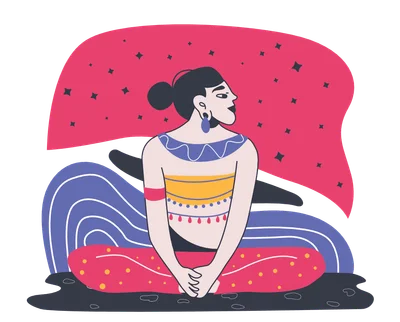
Baddha Konasana
Soles of the feet together, spine upright. The connection to heart-opening here is more about the receptive, unguarded posture than any specific stretch through the chest.
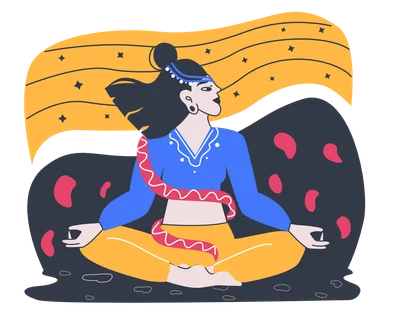
Sukhasana
The simplest seat there is. Sitting upright and open, rather than curled forward, is a small, repeatable choice that adds up more than any single dramatic pose would.
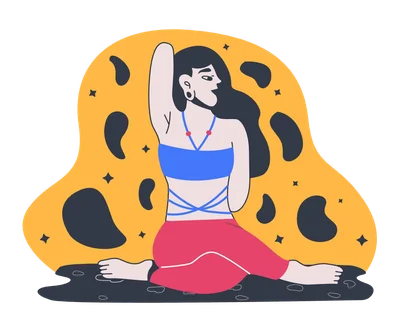
Gomukhasana
One arm reaches up and back, the other up from below, the hands trying to clasp behind the back. That arm position opens the chest and shoulders directly, independent of what the legs are doing.
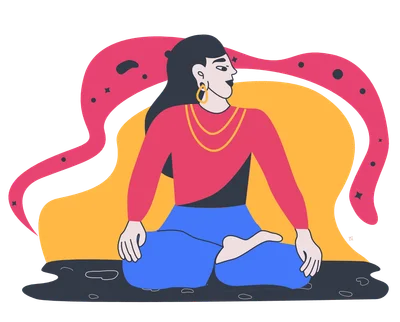
Padmasana
A seat built for stillness, and staying upright in it rather than collapsing forward keeps the chest naturally open for as long as you hold the shape.
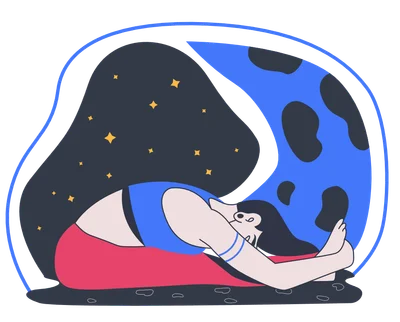
Pashimottanasana
A forward fold, which looks like the opposite of opening. Some traditions frame surrender and vulnerability as their own form of openness, folding forward rather than only arching back.
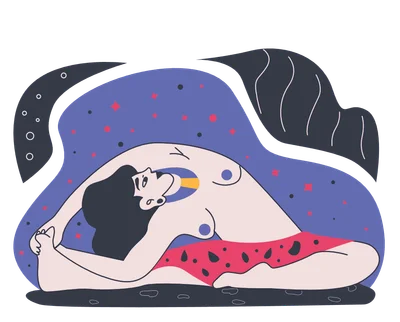
Parivrtta Janu Sirsasana
A side bend over a bent and extended leg, opening one whole side of the ribcage, a different direction of opening than a straight backbend.
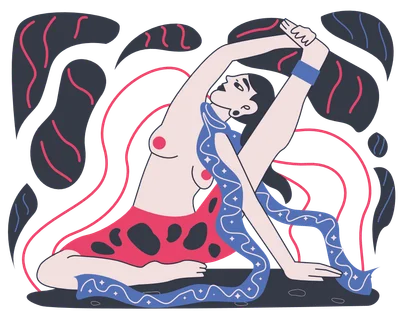
Sury Yantrasana
One leg extends overhead while the torso stays upright and open rather than folding around the leg. Keeping the chest lifted here takes real, active effort.
Lying Down and Arm Support
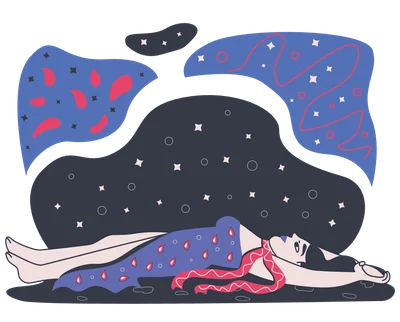
Bananasana
Lying flat and curving into a banana shape, opening one whole side of the ribcage rather than the front of the chest directly. A sideways kind of opening.
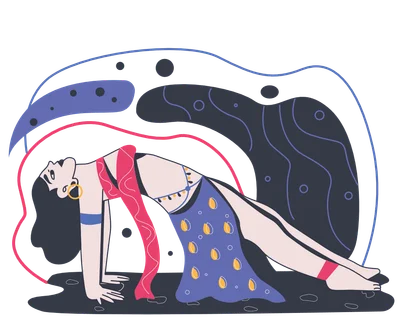
Purvottanasana
Hands and feet on the floor, the whole body lifted into a line with the chest facing up and fully exposed. There's nothing protected about this shape.
A 20-Minute Heart-Opening Sequence
Same idea as always. Not five random poses, there's a build to it: arrive upright, build through poses that open the chest a little more each time, meet the deepest backbend of the practice, then wind back down through gentler, supported versions of the same opening.
- 3Warrior I5 breaths each side
Build. Arms overhead, chest lifted, the legs doing real work underneath it.
- 6Reclining Hero Pose2 minutes
Close. The chest still open, lying down, nothing left to actively hold.
The practice builds toward Camel Pose deliberately, the most literal chest opener on this page, then moves into gentler, supported versions of the same opening before finishing. Opening the chest hard and then immediately closing off again undoes some of the point, so the sequence winds back down slowly instead.
Teaching a Heart Opening Class
Cue the shoulders down the back rather than up toward the ears, a common and unhelpful habit in backbends. Balance every deep backbend with a gentler, supported version afterward, Camel Pose followed by Bridge Pose works better than Camel Pose followed by standing up. Building a full class around this theme: the Sequence Builder lets you start from any of these poses and adjust hold times, order and how much standing versus floor work you want.
Open the Sequence Builder →Build Your Heart Opening Practice
Get my practiceFrequently Asked Questions
What makes a yoga pose good for heart-opening?
Mostly backbends that lift and expose the chest, but also seated poses that ask for an upright, receptive posture rather than a curled, protective one. Both count as opening, just through different mechanisms.
Why are some seated poses, like Lotus or Butterfly, considered heart-openers?
Less about a direct stretch through the chest and more about the posture itself, sitting upright and open rather than slumped keeps the chest lifted for the whole time you hold the shape.
How long should I hold a heart-opening pose?
Five to eight breaths on the more intense backbends like Camel or Wheel Pose, longer on the gentler, supported ones like Bridge Pose or Heart-Melting Pose.
Are these poses suitable for beginners?
Yes, start with Easy Pose, Bridge Pose and Warrior I. Camel Pose and Wheel Pose further down are worth building toward gradually. This is general information, not medical advice. See the medical disclaimer.
Related Practices