Presence & Mindfulness
Here, and Not Somewhere Else
Most of a day happens on autopilot. Eating while scrolling, walking while planning tomorrow, listening to someone while already composing your reply. None of it is wrong exactly, it's just absent, the body doing one thing while attention is somewhere else entirely.
These poses don't have a single physical theme the way most tags on this site do, standing, seated, twisting, balancing, lying down. What connects them is harder to isolate: each one asks for enough actual attention that doing it on autopilot doesn't really work. Rush Chaturanga and the shoulders take the strain. Rush a twist and it never reaches past the surface.
This leans toward Ajna, the third eye, but presence here isn't quite the same as the focused concentration of a balance pose or the settled calm of a restorative one. It's closer to noticing, plainly, what's actually happening in the body right now, without editing it into something else.
Maybe it's realizing you've read the same page twice without absorbing either pass, or eaten a meal without tasting most of it. Maybe it's just a general sense of living slightly ahead of or behind yourself. These poses work less through relaxation and more through requiring attention, poses that are hard to fake your way through tend to pull you back into the room.
Grounded Stillness — Just Being Here
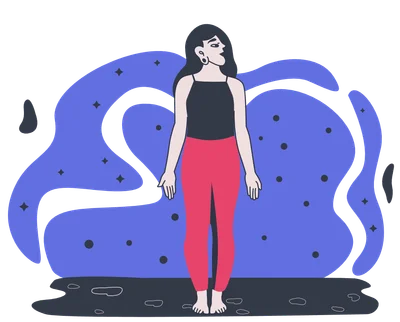
Tadasana
Standing still, doing nothing dramatic, and noticing what that actually feels like. Most people can't describe their own posture accurately until they're asked to stand in it deliberately.
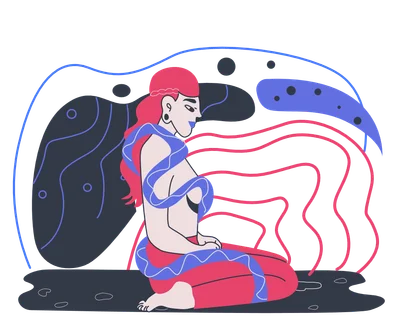
Virasana
A kneeling seat with nothing physically demanding about it. Whatever restlessness shows up here isn't coming from the pose, it's coming from you, which is exactly the information worth having.
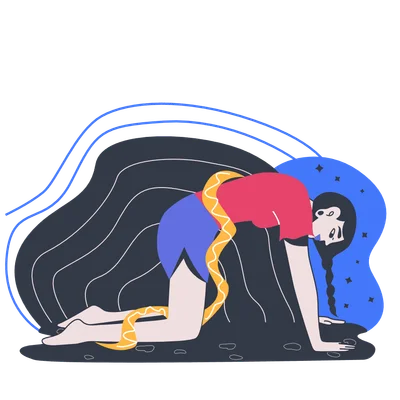
Marjaryasana
The spine moving slowly, one small motion at a time. It's hard to rush this pose without it stopping being the pose, the slowness is the whole content of it.
Twists — Attention to What's Actually Happening
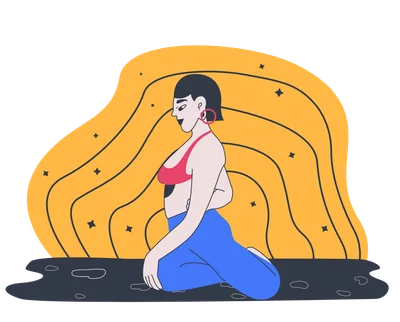
Bharadvajasana 1
A gentle seated twist that reveals exactly how far the spine actually wants to rotate today, not yesterday, not what it usually does. That daily variation is easy to miss if you're not paying attention.
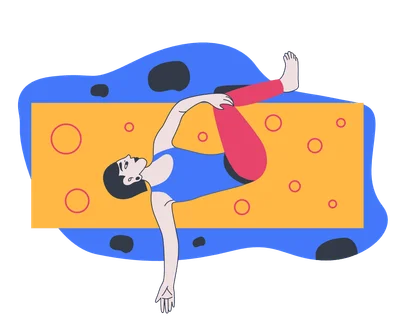
Jathara Parivartanasana
Lying down, legs falling to one side, and noticing where the twist actually stops rather than where you expect it to. The body's real limit and its assumed limit are often different.
Lying Down — Presence Without a Task
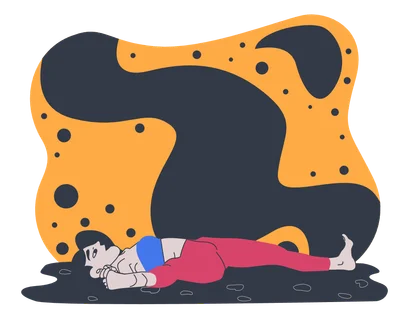
Supta Hasta Padangusthasana B
Lying down with a leg extended out to the side, nothing urgent about the shape. It's a good place to notice whether the mind stays with the stretch or wanders off within seconds.
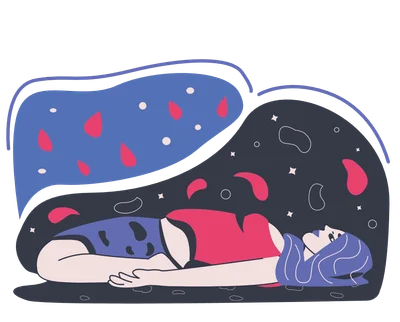
Supta Virasana
An intense stretch through the front of the thighs, usually needing real support underneath. Staying present with the sensation, rather than gritting through it absently, changes what the pose actually gives back.
Effort and Balance — Presence Under Real Demand
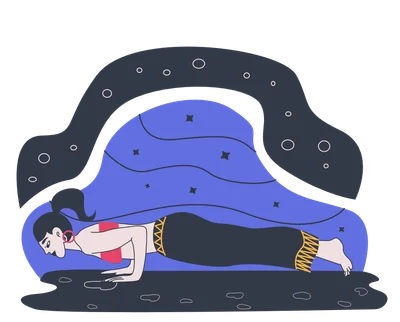
Chaturanga Dandasana
A low, demanding hold. Attention drifts here almost immediately if it's going to drift at all, the shoulders sag, the hips dip, and it happens the instant the mind leaves the body.
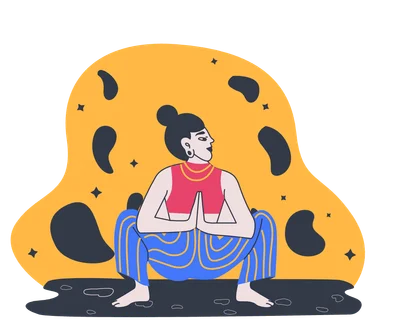
Malasana
A deep squat, and staying present with the sensation in the hips and ankles, rather than checking out of it, is most of what makes the pose bearable to hold.
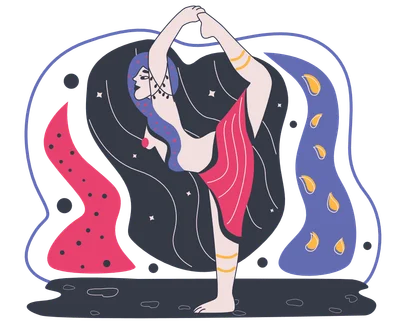
Natarajasana
A balance that changes by the second, correcting isn't a one-time act here, it's continuous. There's no version of this pose done on autopilot.
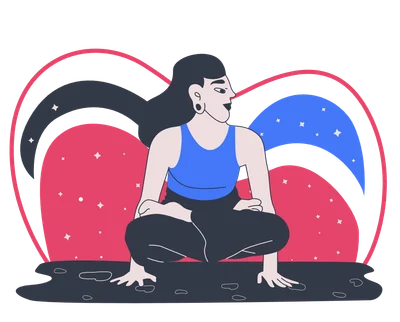
Tolasana
A small, contained lift that asks for full commitment in a short window. Half-attention produces a half-lift, there's no partial credit.
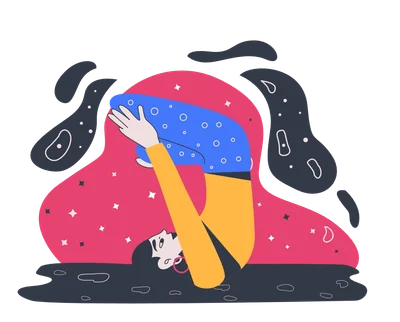
Urdhva Padmasana
Folded legs lifted upside down, a shape that offers no passive version. Every part of it requires active, present control, or it simply doesn't hold.
A 20-Minute Presence Sequence
Same idea as always. Not five random poses, there's a build to it: arrive in stillness, move into small, precise movements, meet a hold that punishes absence immediately, then come back down into stillness again.
- 1Mountain Pose1 minute
Arrive. Standing still, noticing what that actually feels like, not what it usually feels like.
- 2Cat Pose8 rounds
Build. One small motion at a time, hard to rush without it stopping being the pose.
- 3Bharadvaja's Twist5 breaths each side
Build. Noticing how far the spine actually wants to rotate today.
- 5Reclining Belly Twist1 minute each side
Release. Noticing where the twist actually stops, not where it's expected to.
The practice moves from stillness into small, precise movements, into a hold that punishes absence immediately, and back down into stillness again. Presence built this way is less about achieving a special state and more about noticing, repeatedly, the moment attention leaves and bringing it back.
Teaching a Presence & Mindfulness Class
Slow the transitions down more than usual, presence has more to do with the space between poses than the poses themselves, and rushed transitions are where most classes lose it. Ask questions rather than only giving instructions, "where do you actually feel this" invites attention in a way a pure alignment cue doesn't. Building a full class around this theme: the Sequence Builder lets you start from any of these poses and adjust hold times, order and how much standing versus floor work you want.
Open the Sequence Builder →Build Your Presence & Mindfulness Practice
Get my practiceFrequently Asked Questions
What makes a yoga pose good for presence?
Poses that are genuinely hard to do on autopilot, ones that punish drifting attention immediately, a held plank, a real balance, a slow, deliberate movement like Cat Pose.
How is presence different from focus or calm?
Focus is about concentrating on one point, calm is about settling the nervous system. Presence is closer to simply noticing what's actually happening in the body right now, which can happen inside effort or inside stillness equally.
How long should I hold a presence pose?
However long it takes to notice the mind wandering and bring it back, at least once. That might be five breaths or it might be two minutes, the timing matters less than the noticing.
Are these poses suitable for beginners?
Yes, start with Mountain Pose, Cat Pose and Hero Pose. Upward Lotus Pose and the more demanding balances are worth building toward. This is general information, not medical advice. See the medical disclaimer.
Related Practices