
Spinal Mobility
The Spine Isn't Built to Sit Still
The spine can bend forward, bend back, twist, and bend to each side, four directions it evolved to move through regularly, and a desk chair asks for exactly one of them, if that. Sitting for eight hours doesn't just make the back stiff. It slowly narrows the range the spine still remembers how to use.
This page is organized around that idea directly: forward folds for flexion, backbends for extension, twists for rotation, and a couple of inversions that put the spine through its full length in a completely different relationship to gravity. A spine that only ever does one of these gets worse at all four, even the one it practises.
There isn't a single traditional centre this maps to, the spine runs through most of them at once, the whole channel yoga calls Sushumna. Practically, the point is simpler, move it in every direction it's built for, regularly, not just the one direction a chair allows.
Maybe it's a back that feels locked after a long day at a desk, or a twist in the car that catches unexpectedly. Maybe it's just noticing you can't turn to look behind you as far as you used to. The spine responds well to being moved through its full range regularly, more than to any single stretch held once and forgotten.
Twists — Rotation Through the Whole Spine
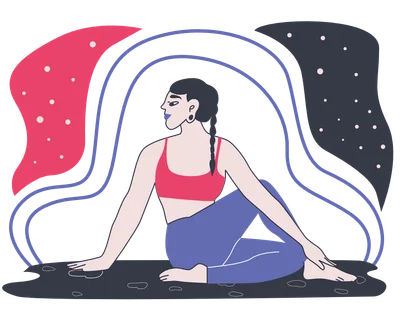
Ardha Matsyendrasana
A deep seated twist, and a good reference point for what real spinal rotation feels like once the hips are out of the way and the spine is doing the actual turning.
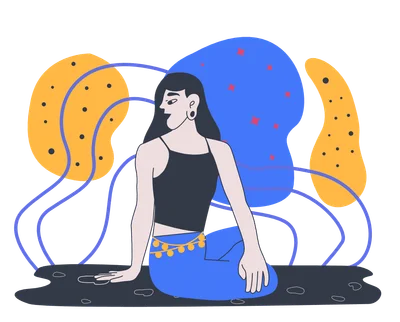
Parivrtta Sukhasana
A simple cross-legged seat with a light twist, gentle enough to do slowly and repeatedly. Not every rotation needs to be intense to matter.
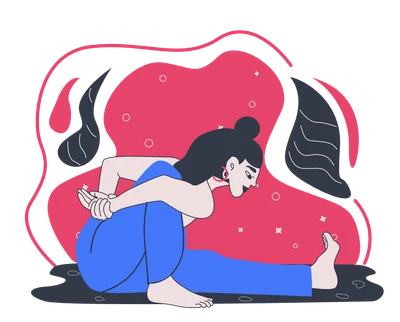
Marichyasana A
One leg bent, one extended, the torso rotating around the bent knee. The twist here builds gradually rather than all at once, which tends to be safer for a stiff spine.
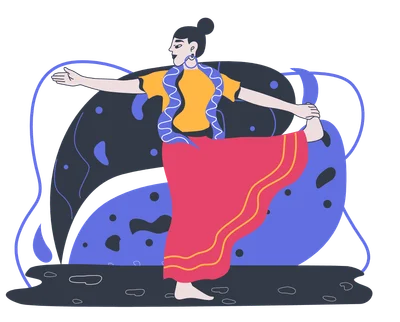
Parivrtta Hasta Padangusthasana
A standing twist added on top of a balance, which asks the spine to rotate while the rest of the body is busy with something else entirely.
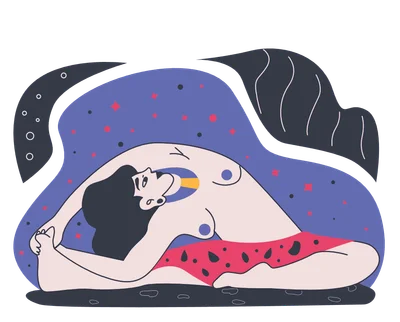
Parivrtta Janu Sirsasana
A side bend and a twist together, over a bent and extended leg, reaching a slightly different angle through the spine than a straight seated twist.
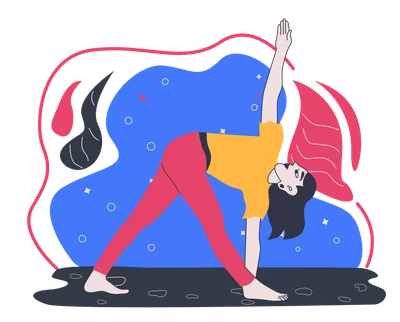
Parivrtta Parsvottanasana
A narrow-stance fold with a full rotation layered on. The narrow base means the twist has to come from the spine, not from shifting the hips.
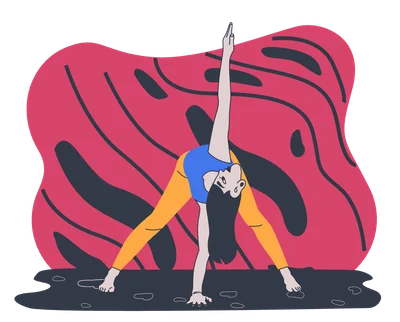
Parivrtta Prasarita Padottanasana
A wider stance than the pose above, trading some of the intensity for more room to actually rotate through.
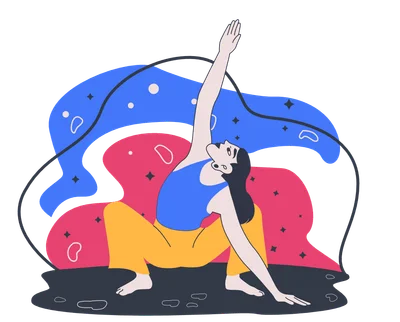
Parivrtta Malasana
A deep squat with a twist, low to the ground. The compressed position changes how the rotation feels compared to a standing twist.
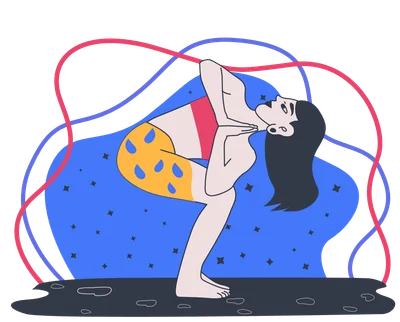
Parivrtta Utkatasana
A held squat with the spine twisted against the thighs, asking for rotation while the legs are already working hard just to hold the squat.
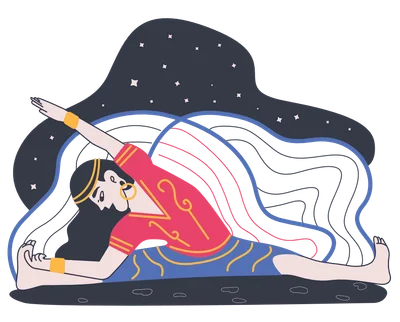
Parivrtta Upavistha Konasana
A wide seated stretch with a twist and a side bend combined, reaching further through the spine than a straight rotation alone.
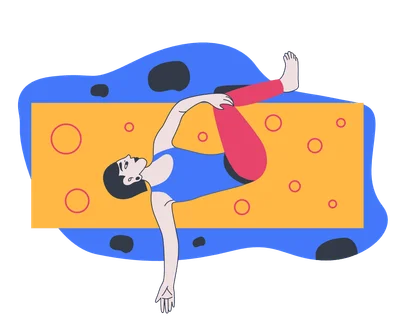
Jathara Parivartanasana
Lying down, letting gravity pull the legs to one side while the shoulders stay flat. It's one of the more passive twists here, useful for a spine that needs rotation without much effort.
Forward Folds — Flexion
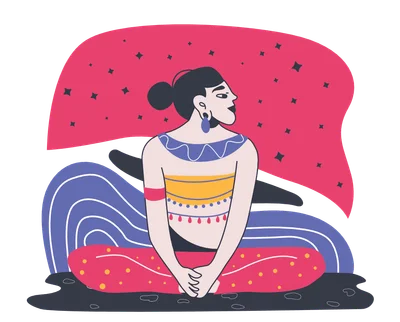
Baddha Konasana
Soles of the feet together, folding forward over them. A gentle flexion through the lower spine, more about the hips than the upper back, but part of the full picture.
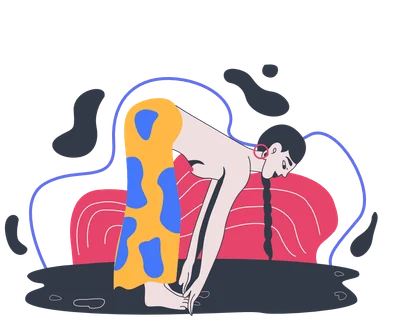
Ardha Uttanasana
A halfway fold with a flat back, which actually asks the spine to stay extended rather than flexed, a useful contrast pose in a folding-heavy group.
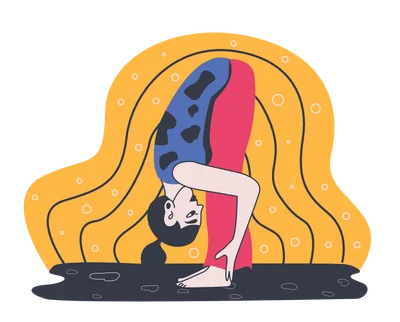
Uttanasana
A full fold, the spine flexing from the hips all the way through the neck. Letting the head hang heavy here takes the fold further than most people allow themselves.
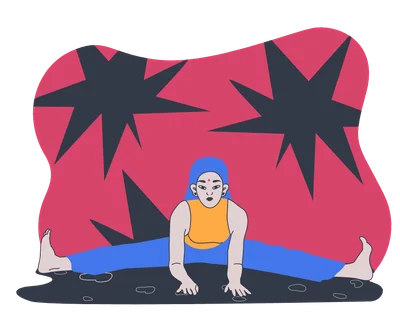
Upavistha Konasana
A wide-legged seated fold, reaching flexion through the lower spine and hips together rather than the upper back.
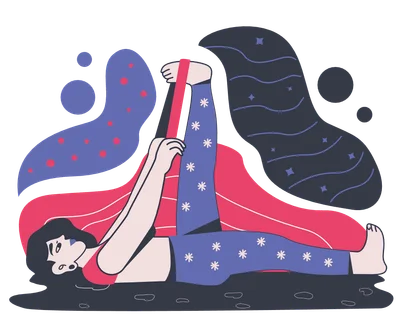
Supta Hasta Padangusthasana
Lying down removes gravity's pull on the fold, so this reaches the hamstrings more than the spine directly, included here as part of the full flexion picture.
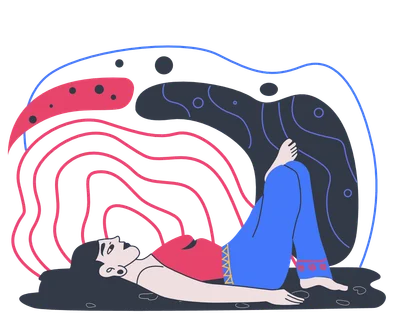
Supta Kaptasana
A hip stretch done lying down, gently rounding the lower spine as the knee draws in. A mild, passive kind of flexion.
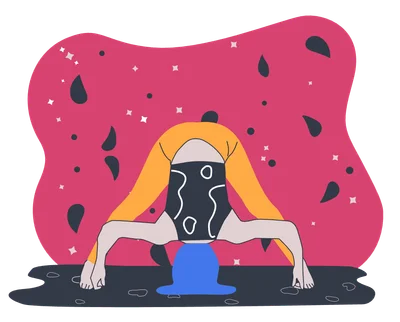
Prasarita Padottanasana D
A wide stance folding forward with the arms lifted and clasped behind the back, adding a shoulder opening on top of the spinal flexion.
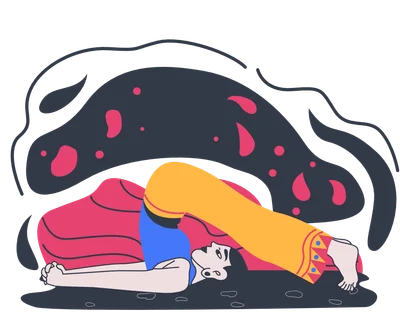
Halasana
The legs fold overhead, taking spinal flexion further than almost any other pose on this page. It's intense, and worth building toward slowly rather than forcing on day one.
Backbends and Extension
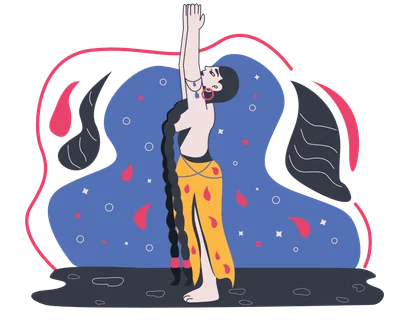
Urdhva Hastasana
Arms reaching overhead from a standing base, a gentle extension through the upper spine. Small, but a good daily counter to hours spent curled forward over a screen.
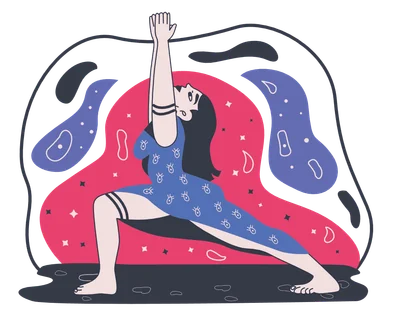
Virabhadrasana 1
A grounded lunge with the arms reaching up and the chest lifted, extending the spine while the legs do separate, demanding work of their own.
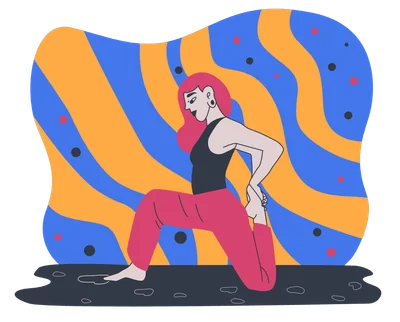
Eka Pada Rajakapotasana B
A deep kneeling backbend, reaching back to hold the foot. This is one of the more intense extensions on this page, and it takes real patience to build toward.
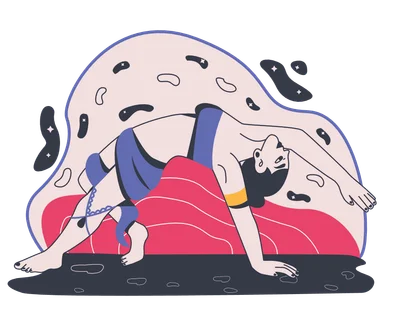
Camatkarasana
A backbend from an arm-support position, opening through the front of the spine while one leg extends. It's less common than most backbends here, and a useful change of texture.
Inversions — The Spine Upside Down
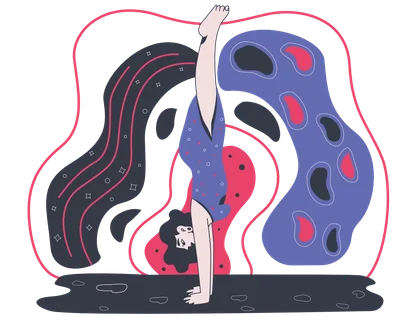
Adho Mukha Vrksasana
A full inversion with the spine extended and balanced entirely on the hands. It changes the spine's relationship to gravity completely, which is its own kind of mobility work.
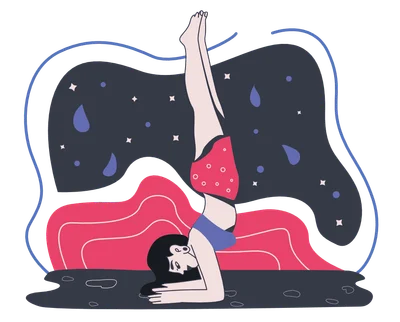
Pincha Mayurasana
The same inverted relationship to gravity as Handstand, balanced on the forearms instead, with slightly more room to adjust the shape of the spine once you're up.
A 20-Minute Spinal-Mobility Sequence
Same idea as always. Not five random poses, there's a build to it: arrive, fold, then extend, then meet the deepest twist of the practice, then finish with a passive version of the same rotation lying down.
- 1Butterfly Pose1 minute
Arrive. A gentle seated shape, settling before anything more demanding starts.
- 4Half Lord of the Fishes5 breaths each side
Peak. A deep seated twist, the spine finally doing the rotation it rarely gets.
- 5Reclining Belly Twist1 minute each side
Release. The same rotation, passive this time, gravity doing the work.
The practice moves the spine through three of its four directions on purpose, fold, then extend, then twist, before finishing with a passive version of the same rotation lying down. A spine that only ever does one of these tends to get stiffer in all of them, not just the one it skips.
Teaching a Spinal Mobility Class
Sequence in a logical order, generally a gentle extension before a deep twist prepares the spine better than going straight into rotation cold. Cue twists to come from the base up, sitting bones or feet grounded first, then the rotation, or it tends to happen in the lower back instead of through the whole spine. Building a full class around this theme: the Sequence Builder lets you start from any of these poses and adjust hold times, order and how much standing versus floor work you want.
Open the Sequence Builder →Build Your Spinal Mobility Practice
Get my practiceFrequently Asked Questions
What makes a yoga pose good for spinal mobility?
Anything that moves the spine through one of its four directions, folding forward, arching back, twisting, or bending to the side. A pose that mixes two of these, like a twist with a side bend, reaches even further.
Why does my back feel stiff even though I stretch regularly?
Most stretching routines favour one direction, usually forward folding, and skip the other three. A spine needs all four directions regularly, not just the one that feels most familiar.
How long should I hold a spinal-mobility pose?
Five to eight breaths on most twists and folds, and it's often more useful to move slowly between poses than to hold one shape for a long time, mobility responds to repeated movement as much as to static holding.
Are these poses suitable for beginners?
Yes, start with Butterfly Pose, Standing Forward Bend and Upward Salute. Deeper twists and backbends like One-Legged King Pigeon are worth building toward. This is general information, not medical advice. See the medical disclaimer.
Related Practices