Asanaverse

Phase 1 · Three Weeks Seated

Part of the 8 Week Adaptive Yoga Program for Balance After Stroke

30 Minute Seated Yoga Sequence After Stroke

The first three weeks. Everything from a chair or the floor, nothing standing, both sides equally.

The trial that produced the clearest results after stroke started people sitting, and so does this. Three weeks of seated work is not a warm up phase. It is where the movement gets accurate: turning the spine, moving the shoulder blades, and taking weight from one side to the other while there is no chance of losing your balance. Standing comes later, and only with something solid to hold.

30 min · Level 1

← Back to the full program
Wann hilfreich

For the first three weeks, twice a week. A chair with arms, or the floor if you can get down and up safely. Thirty minutes. This is for the chronic, stable phase, at least six months after a stroke and after rehabilitation has finished. It is an addition to your rehab rather than a replacement for it. Every study behind it ran in person with a yoga therapist who could steady someone. Practise where you can reach a wall or a solid chair, and with someone nearby if standing is uncertain.

Balance

Weight shifting while seated is where balance work starts. It is the part with no risk in it and it is not a lesser version.

The affected side

Every movement here is done with both sides together. That is a named component of the strongest protocol in this area, not a courtesy.

Physical effect

Spine, shoulders and hips, in positions you cannot fall out of.

Sitting and breathing

Ten minutes of small movement joined to the breath. This is how every session in the first phase begins.

SchneidersitzSukhasana
01
3 min

Schneidersitz

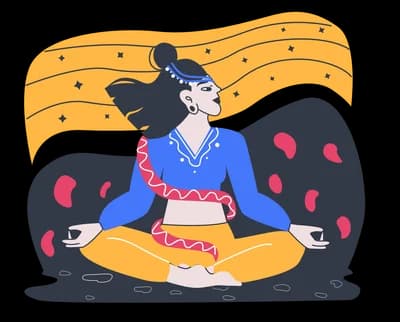
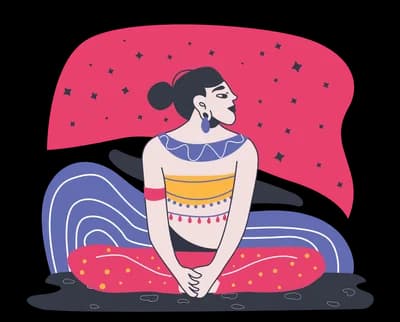
Sit on a chair with both feet flat on the floor, or cross legged on a cushion if that is easy for you. Let the weight settle evenly into both sitting bones. Feel which side takes more.

Noticing where your weight actually sits is the first piece of balance work, and it needs no balance at all.

Mehr über Sukhasana erfahren
StockposeDandasana
02
3 min

Stockpose

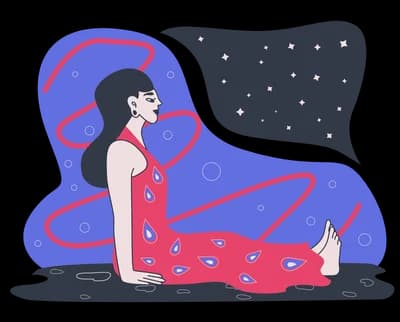
Sitting tall, both arms resting. Lift one shoulder, then the other, then both. Slowly, and with the breath rather than against it.

Shoulder blade movement was one of the five seated exercises the original protocol opened with. It is small and it wakes up the upper body.

Mehr über Dandasana erfahren
KatzenposeMarjaryasana
03
2 min

Katzenpose

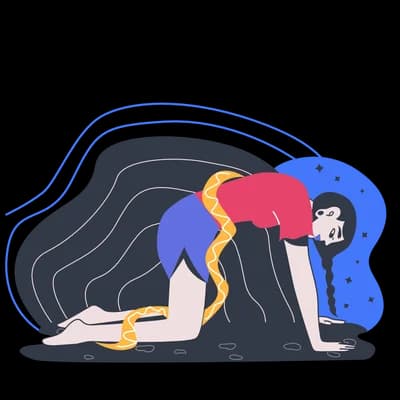
On hands and knees if that is available to you, rounding the back on the out breath. If it is not, do the same shape sitting, rounding forward over the thighs.

Two versions offered as equals. The floor version is worth building towards, and the seated one is a real session in the meantime.

Mehr über Marjaryasana erfahren
Kuh HaltungBitilasana
04
2 min

Kuh Haltung

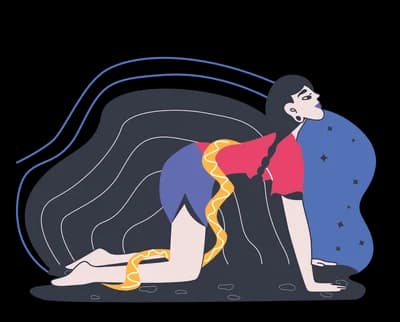
And the other direction, chest forward on the in breath. Move between the two slowly. Speed is not what makes this work.

Spinal movement in both directions, joined to the breath. It appears in every documented protocol in this field.

Mehr über Bitilasana erfahren

Turning and moving

The working part of the session. Both sides get the same time even when they do not go the same distance.

SchmetterlingBaddha Konasana
05
3 min

Schmetterling

Soles of the feet together if you are on the floor, knees resting on cushions. On a chair, simply let the knees fall a little wider.

The hips open with nothing held. This position asks nothing of the arms, which matters if one arm is doing less.

Mehr über Baddha Konasana erfahren
Gedrehter SchneidersitzParivrtta Sukhasana
06
2 min each side

Gedrehter Schneidersitz

A gentle turn to one side, one hand on the opposite knee. Turn only as far as you can come back from easily. Do the less able side first and match the other side to it.

Leading with the affected side stops the practice from quietly becoming one sided, which is the thing this whole approach is built to avoid.

Mehr über Parivrtta Sukhasana erfahren
Dem weisen BharadvajaBharadvajasana 1
07
2 min each side

Dem weisen Bharadvaja

A second turn, this time with the hands where they can help. Small is fine. The spine is what is moving here, not the shoulders.

Trunk rotation is part of nearly every transfer you make in a day: getting out of a car, turning in bed, reaching sideways.

Mehr über Bharadvajasana 1 erfahren

Lying down to finish

Seven minutes on the floor or the bed. If getting down is not safe today, do both of these sitting instead.

Knie zur BrustApanasana
08
2 min

Knie zur Brust

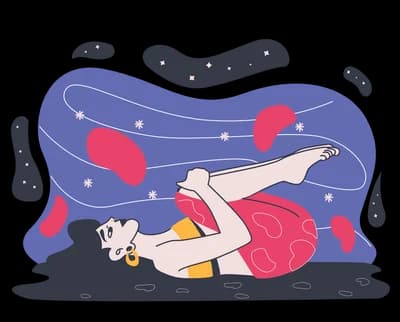
On your back, knees drawn towards the chest, hands wherever they reach. If one arm does not reach, use the other or a strap.

A small closed shape after turning. It also gets you onto your back, which is a transfer worth practising in itself.

Mehr über Apanasana erfahren
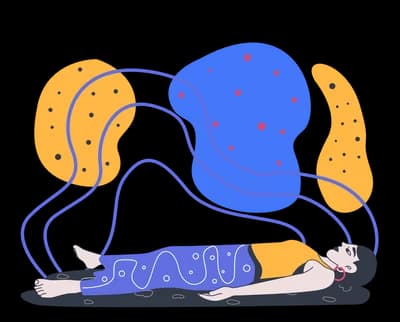
TotenstellungSavasana
09
5 min

Totenstellung

Lying flat, covered if you like, a cushion under the knees. Five minutes, and getting up slowly afterwards is part of it.

Every session in the trial protocol ended with relaxation lying down. Getting up unhurried afterwards is where a lot of falls do not happen.

Mehr über Savasana erfahren

Integration

Twice a week for the first three weeks, plus the ten minute version on a third day. If a turn goes further on one side than the other, that is expected. Work to the range you have on the less able side rather than the better one.