Asanaverse
yogasphere

Which Deity Matches Me? Discover Your Personal Goddess Through Self-Reflection and Yoga

von Sara Müller18. August 2026 11 Min.
Which Deity Matches Me? Discover Your Personal Goddess Through Self-Reflection and Yoga

Who am I really, underneath the roles I play all day? That's the question behind every search for the test which deity matches me, and I love that people ask it. In yoga philosophy, deities aren't distant figures floating above your life. They're archetypes already moving through you: the fierce clarity of Kali, the steady groundedness of Lakshmi, the wild creative fire of Shiva as Nataraja. This is a mirror, not costume play.

Which Deity Passes to Me? Understanding the Sacred Within

Here's the thing that trips people up when they run any hindu götter test or start wondering welche gottheit passt zu mir: they assume they're shopping for an external boss to report to. That's not how this works. In Tantra and Vedanta, the two philosophical streams that shaped most of what we now call yogische götter, deities are described as archetypal forces already alive inside consciousness. Kali isn't out there somewhere. She's the part of you that burns through what's fake. Lakshmi isn't a statue to bribe for cash flow. She's your own capacity to recognize abundance and generate it.

Tantra frames all of this as Shakti, the creative, intelligent energy that animates everything, including your breath right now. Every deity is considered a specific frequency of that one energy, focused into a shape your mind can actually relate to. You can't really grasp raw, formless consciousness. You can absolutely feel fierce protection, or quiet wisdom, or wild creativity, when it wears a face and a story. That's the whole design.

So when you're trying to find a schutzgottheit finden style match, or landing on a devatà personale, what you're actually doing is naming which quality in you needs the most light right now. In the classical tradition this personal choice is called Ishta Devata, your chosen deity. Teachers picked it not by preference but by temperament, by watching what a student's mind kept circling back to, what their nervous system craved to embody more of.

I've watched students light up the second they land on their match, shoulders drop, breath deepens, like something exhaled after holding tight for years. That's not superstition. It's recognition landing in the body before the mind catches up. And that recognition is exactly where the practice starts, not on an altar, but on your mat, where the archetype becomes something you move, breathe, and embody.
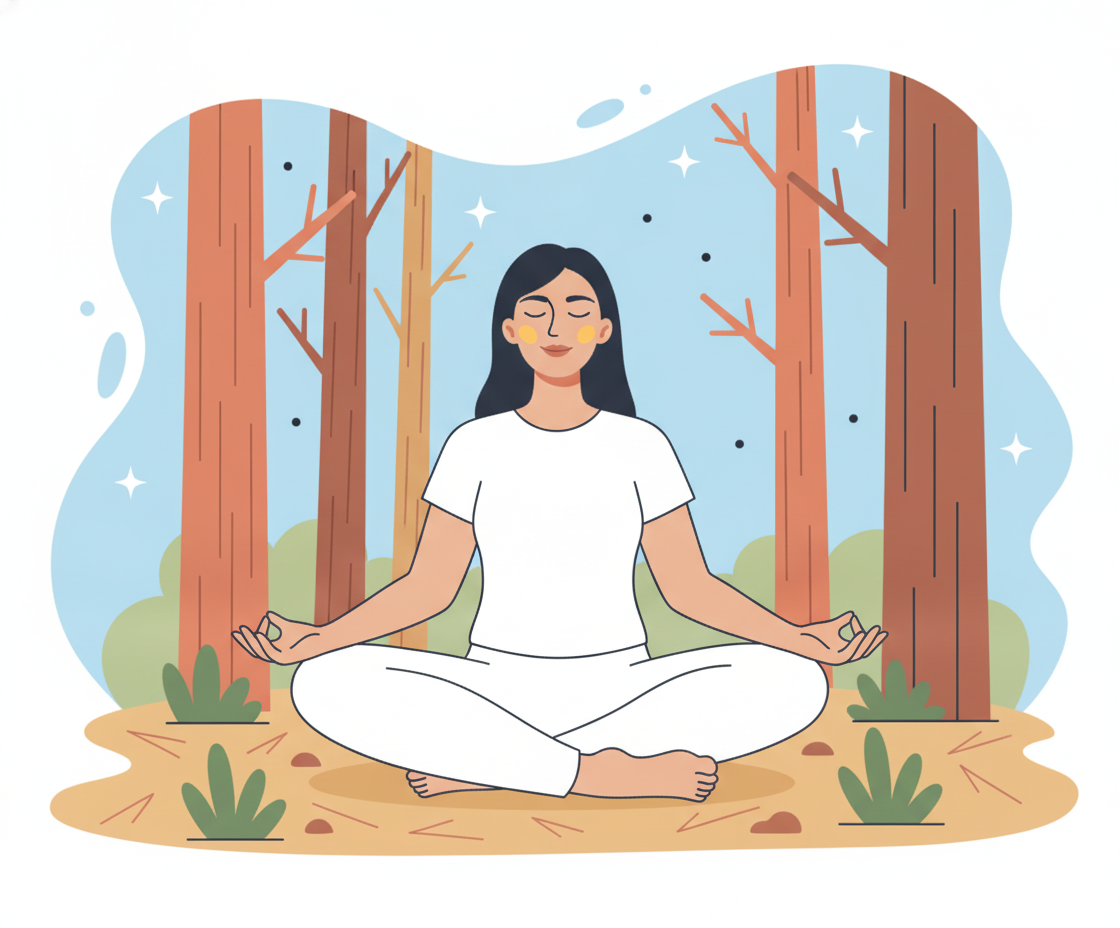
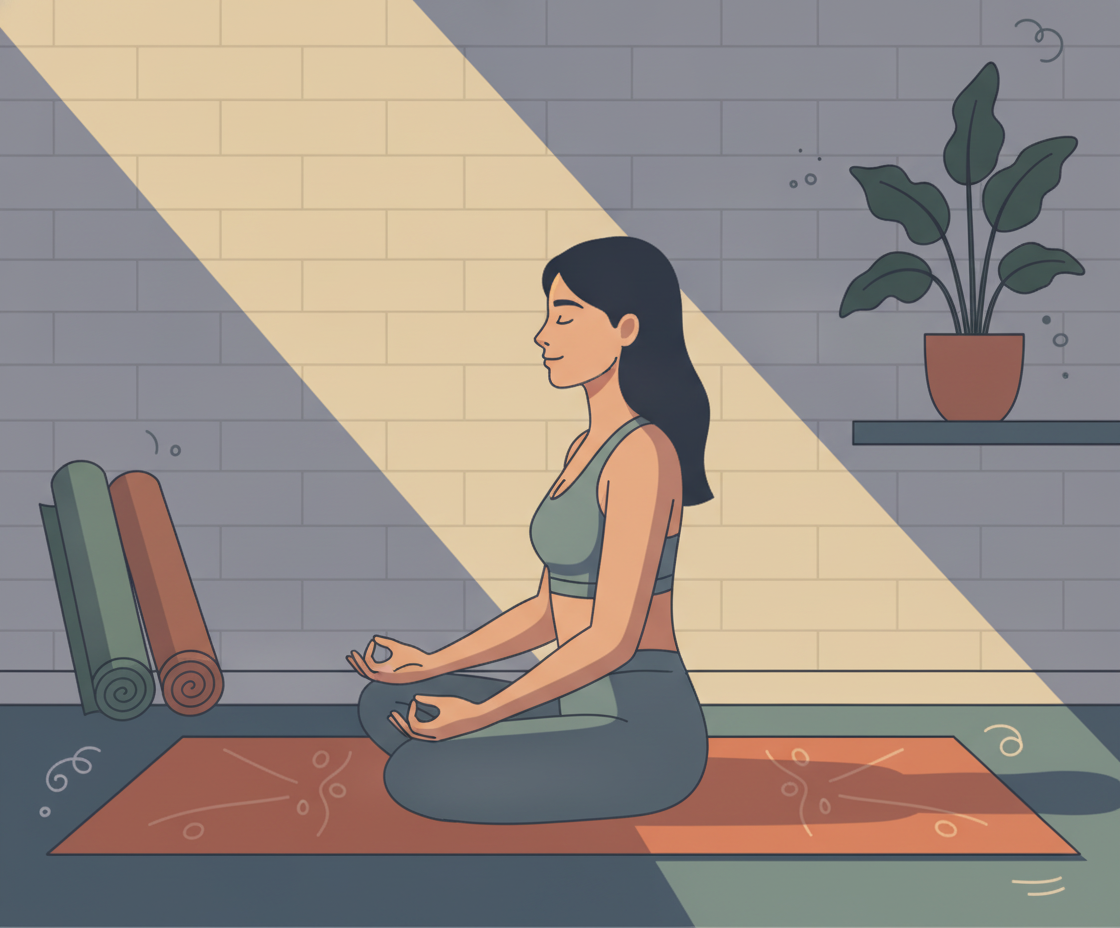
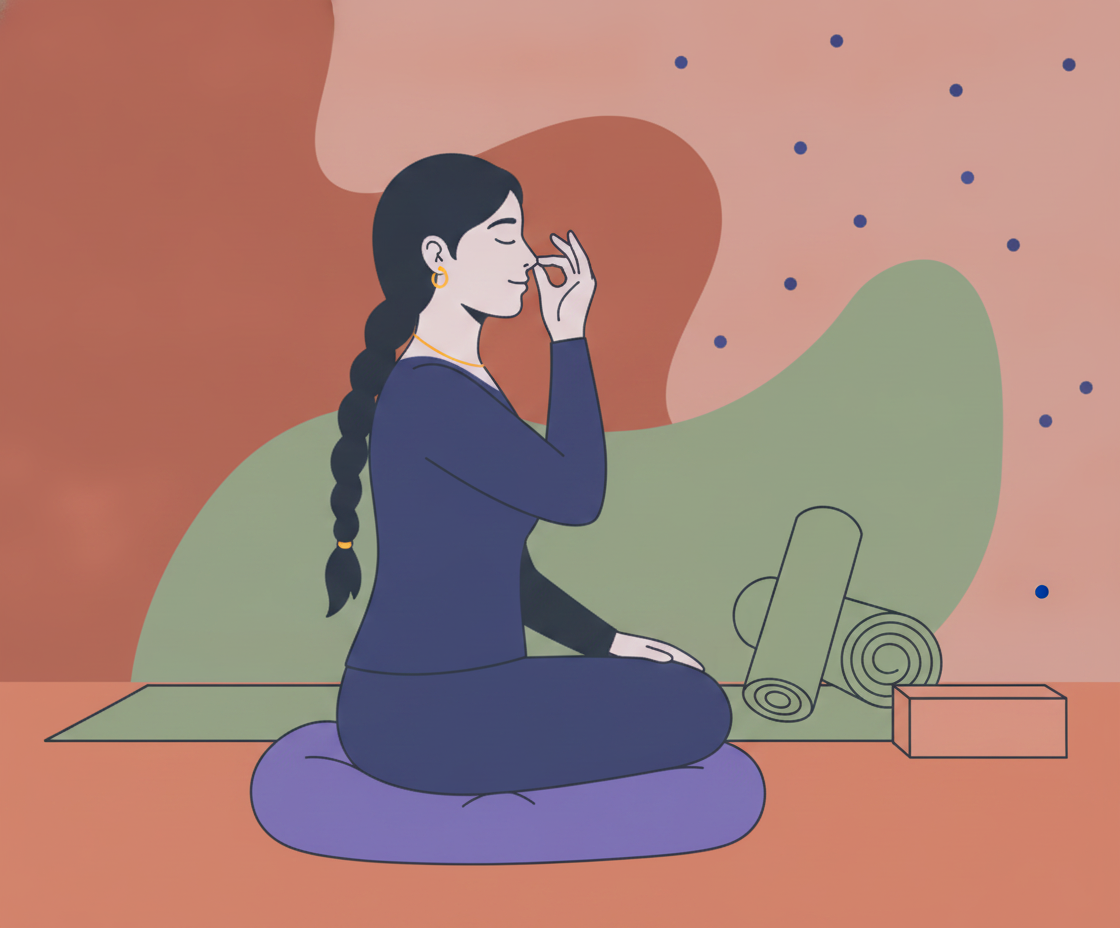
Illustration einer Frau in Padmasana-Lotus-Pose auf Yogamatte, umgeben von subtilen Lichtstrahlen und Ruhe
Padmasana als Portal zur inneren Göttinnenergie — die klassische Sitzhaltung für tiefe Selbstreflexion

The Psychology of Deity Selection: Why Your Goddess Matters

Carl Jung spent his career arguing that certain figures show up again and again across cultures because they live inside the human psyche itself. He called them archetypes: patterns of instinct and emotion that we did not invent but inherit. Yogic tradition got there first in its own language. A devata, or personal deity, is not just a figure to worship. It is a mirror held up to a part of you that is asking for attention, whether that part is your fire, your grief, your hunger for beauty, or your need to be protected.

This is why finding the deity that resonates with you carries more weight than it first appears. When you externalize a psychological pattern into a goddess, you get distance from it. You can look at Durga's ferocity instead of being consumed by your own anger. You can study Saraswati's stillness instead of just feeling inadequate about your scattered mind. That distance is where healing actually happens. It is basic trauma-informed psychology dressed in silk and marigolds.

Each goddess maps to a distinct emotional and energetic territory. Saraswati carries wisdom, discernment, and creative expression, she is the one who shows up when you are learning, writing, teaching, or trying to think clearly through fog. Durga holds protection, courage, and transformation, she meets you in the moments you need to set a boundary or fight for something that matters. Lakshmi governs abundance, grace, and flow, she is less about money and more about your relationship with receiving. None of these are boxes to check off a list. They are lived emotional states.

A yoga-specific quiz built around discovering your inner goddess energy can be a genuinely useful entry point here, not as entertainment but as a structured self-reflection tool. It asks you questions your conscious mind might dodge, then reflects back a pattern. That is the real value of this personal exploration: not picking a poster for your wall, but naming the emotional terrain you already stand on, so you can finally work with it instead of around it.

Reflective Poses to Discover Your Inner Deity

Here is the thing nobody tells you about finding your personal deity: it does not live in a quiz app. It lives in your joints, your breath, the way your shoulders drop when you finally stop performing for an imaginary audience. So before you go hunting through mythology books trying to figure out which deity matches you, sit down on your mat. Three poses, done slowly and honestly, will tell you more than any online test ever could.

Sukhasana: Creating Space for Self-Inquiry

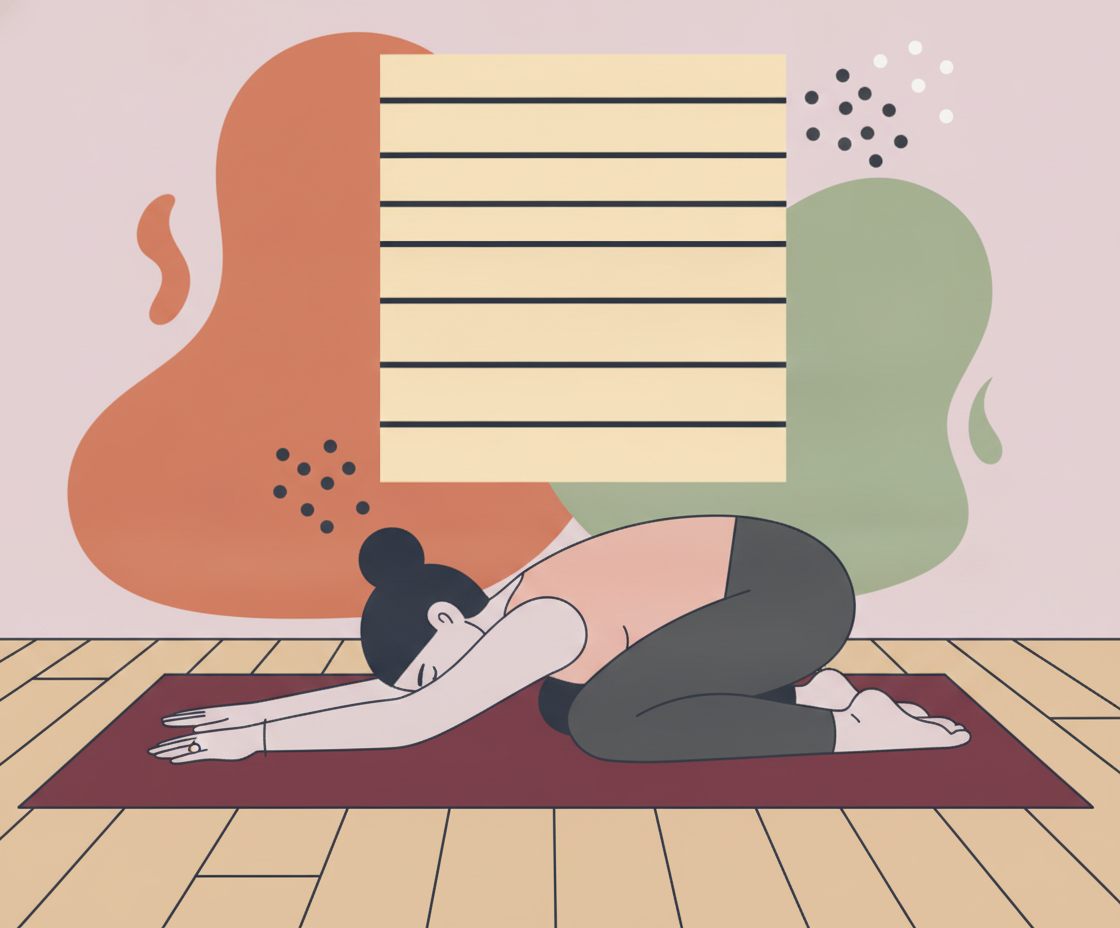
Easy Pose, or Sukhasana, is exactly what it sounds like, and that is the trap. We rush past it to get to the fancier stuff. Don't. Cross your shins, lengthen your spine, and just sit. I have watched hundreds of students fidget through the first two minutes here, and it is always the same story: the body is quiet, but the mind is still shouting old scripts. Stay anyway. This pose creates the actual room, physically and mentally, where honest self-inquiry can happen. It is not about forcing an answer about your protective deity. It is about clearing enough static that when a feeling, an image, a name surfaces, you actually notice it instead of drowning it out.
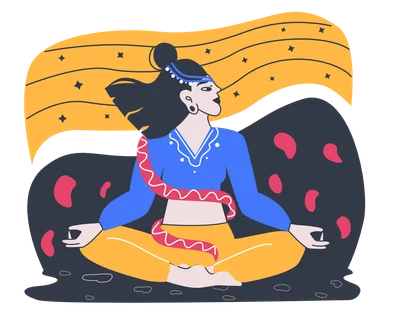
SchneidersitzAsanaSchneidersitzSukhasanaZur Asana →

Padmasana: Embodying Divine Balance

Once the nervous system settles, Lotus Pose, or Padmasana, takes things a layer deeper. In yogic tradition the lotus is often described as rising from murky water and opening clean above the surface. Whether or not that image is literally true of any single flower, it captures something real about this asana. Padmasana asks your body to hold groundedness and openness at once, which is precisely the balance most goddess energies embody: fierce and tender, earthy and luminous. Sit here and pay attention to where you feel steady and where you feel expansive. That combination, felt in the hips and the chest simultaneously, is often the clearest physical signature of your personal goddess already living in you.
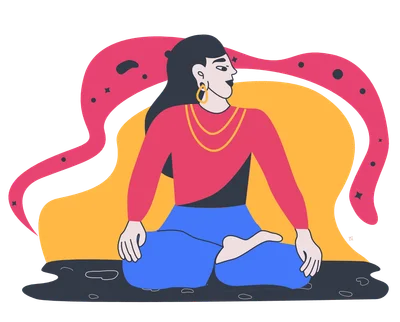
LotussitzAsanaLotussitzPadmasanaZur Asana →

Savasana: Accessing Intuitive Knowing

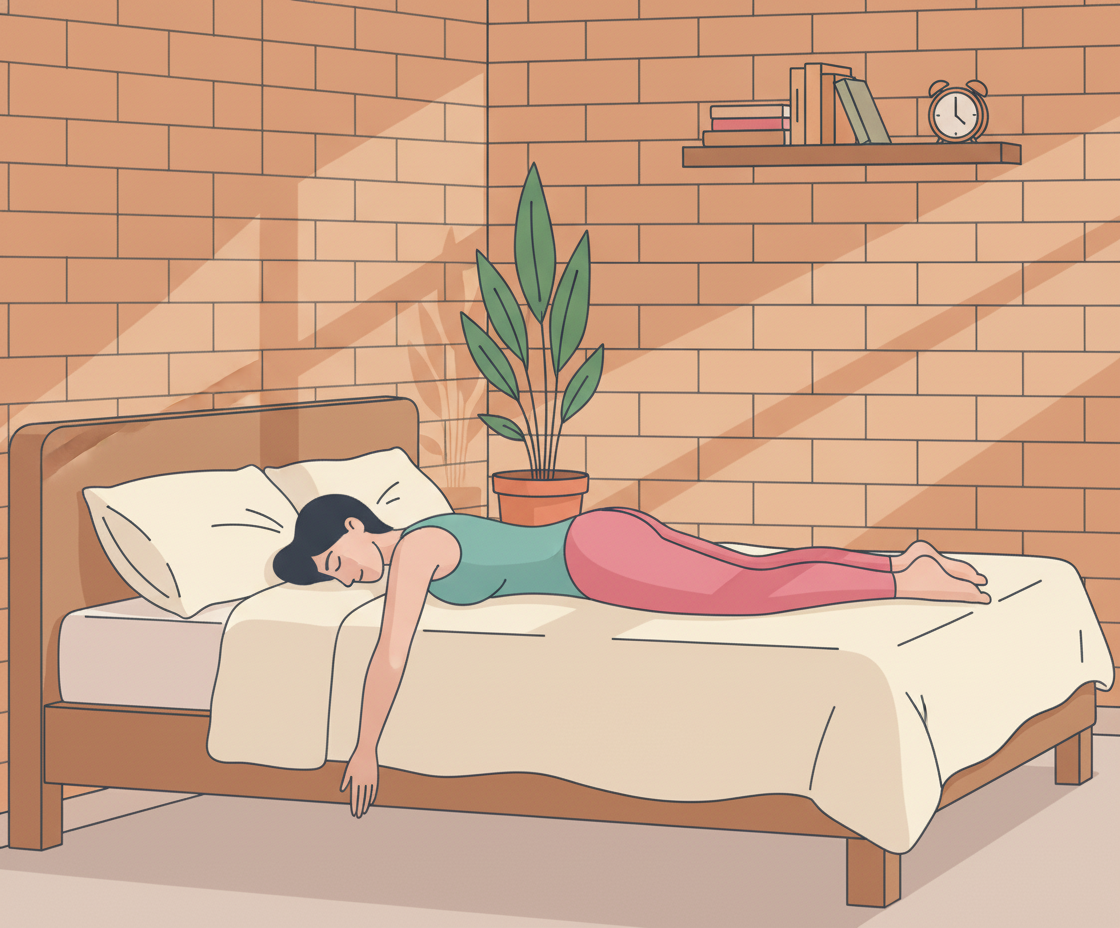
Corpse Pose, or Savasana, is where the real answer usually shows up, annoyingly enough, once you have stopped looking for it. Lying flat, doing nothing, you drop out of the analyzing brain and into something older and quieter. This is less about deities as abstract concepts and more about letting your body confirm what it already recognized during the other two poses. Do not rush out of it. The knowing here is not loud. It is a soft certainty, a name or image that just feels true, and that is your personal goddess taking shape from stillness rather than thought.
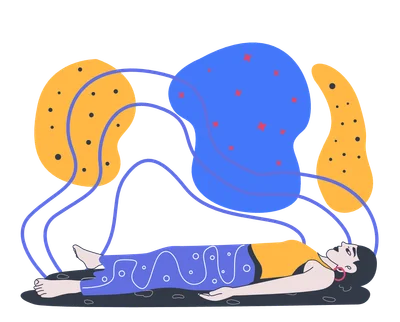
TotenstellungAsanaTotenstellungSavasanaZur Asana →
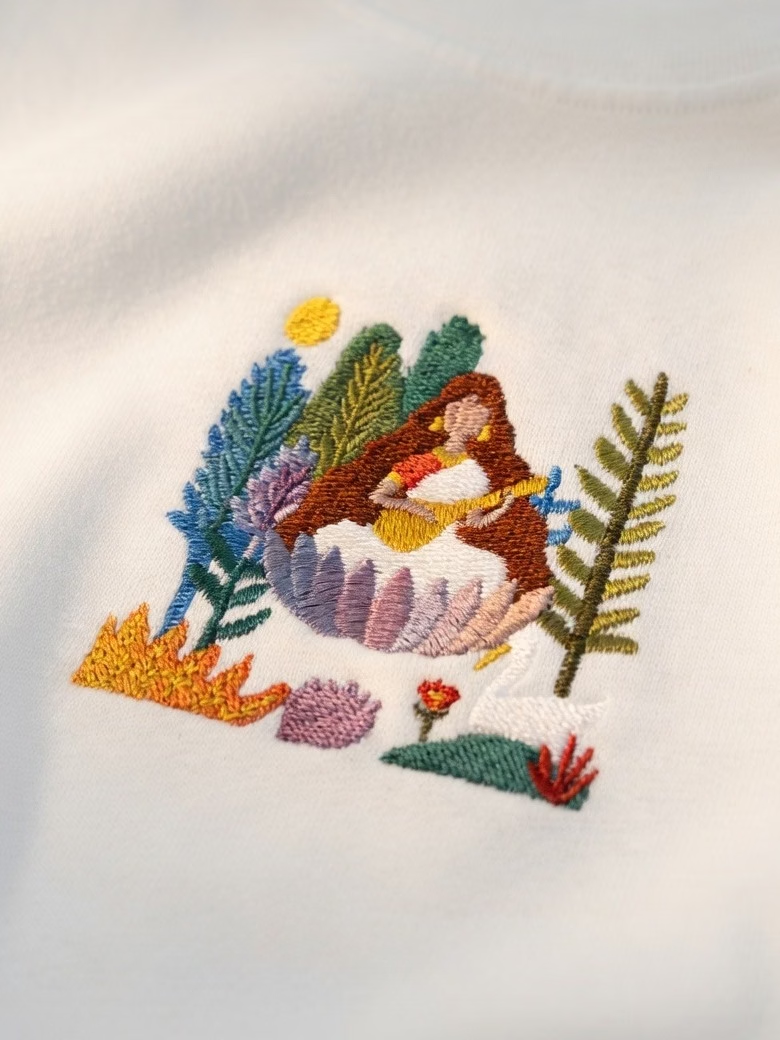
Illustration von fünf verschiedenen Göttin-Archetypen als abstrakte Energiesymbole und Farben nebeneinander angeordnet, keine Person
Die fünf yogischen Göttin-Archetypen — visuelle Energiesignaturen von Saraswati bis Parvati
Lotuscrafts Meditationsmatte

Lotuscrafts Meditationsmatte

Auf Amazon shoppenPreis: 70

The Five Yogic Goddess Archetypes: Finding Your Match

So who actually shows up when you sit in that stillness? In my experience teaching this work, most people land near one of five archetypes, though nobody is a clean, single-color painting. You're a mix, always, but usually one energy runs the show.

Saraswati: The Clear Voice

Saraswati moves like still water reflecting light exactly as it is. She rules creativity, knowledge, and honest speech. If you're her person, you probably overthink before you speak, hate saying things you don't mean, and feel physically itchy around dishonesty or clutter. Her gift is clarity. Her lesson is trusting your voice before you've polished it into something safe.

The mantra Om Aim Saraswatyai Namaha stands for clarity, honest expression, and the courage to speak your own truth instead of borrowed words. As a daily reminder there is our Saraswati shirt, so you carry her clear voice with you at all times, even on the days your own feels quiet.

Om Aim Saraswatyai Namaha - The Flow of Knowing (WHITE)

Om Aim Saraswatyai Namaha - The Flow of Knowing (WHITE)

T-Shirt aus der Saraswati-Kollektion. Mantra: Om Aim Saraswatyai Namaha. Weisheit, Kreativität und Lernen — für alle, die ihrer inneren Stimme Ausdruck geben.

Jetzt ansehenPreis: 35

Lakshmi: The Open Hand

Lakshmi flows rather than grips. She's abundance, grace, and generosity, but not in some glossy influencer sense. Her people often struggle with receiving, giving endlessly while feeling weird about accepting help themselves. She teaches that scarcity thinking is a tight jaw and a closed fist, and that real prosperity starts with letting your hands relax open.

Durga: The Line in the Sand

Durga rides in when boundaries have been ignored too long. She's fierce protection and decisive strength. Her people usually recognize themselves fast: chronic people-pleasers who finally got tired of it, or naturally strong personalities learning to aim that strength with precision instead of aggression. She confronts the fear of conflict head-on.

Kali: The Necessary Ending

Kali is uncomfortable and honest about it. She's dissolution, radical truth, fierce compassion. Her people are usually mid-transformation, shedding an identity that no longer fits, sometimes messily. She doesn't do gentle. She does necessary.

Parvati: The Steady Ground

Parvati is devotion, nurturing, and wholeness through connection. Her people find meaning through relationships and consistency rather than solo intensity. She's patient where Kali is sudden.

Curious how these energies actually show up on your mat? Our Yoga Style Quiz: Which Type of Yoga Fits You Best? connects your inner archetype to a practice that fits.

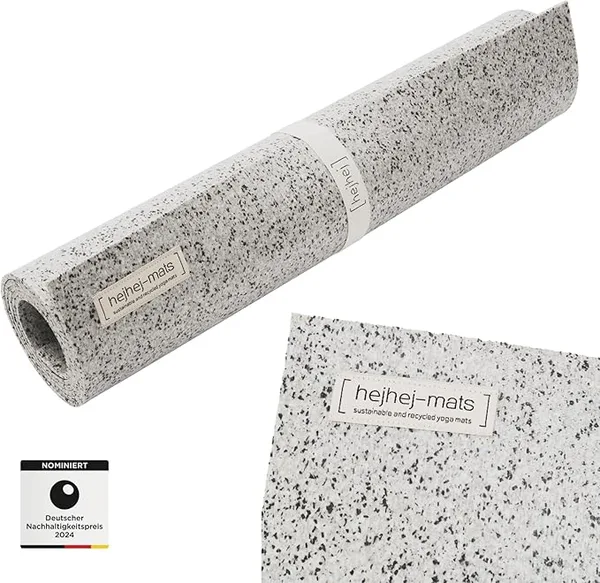
hejhej Yogamatte

hejhej Yogamatte

Auf Amazon shoppen

Honoring Your Mantra: Living Your Goddess Energy Daily

So you took the quiz, you got your answer, now what? Here's the thing nobody tells you: recognizing your goddess energy is only step one. The real work, and the real fun, happens when you start living it. This is where mantra comes in. A mantra is a sound frequency, repeated with intention, that literally recalibrates your nervous system. Chant something like Om Aim Saraswatyai Namaha a few times each morning and you're not just reciting words, you're tuning your thoughts, your breath, your posture to the qualities of Saraswati: clarity, creativity, flow.

I've watched students dismiss this as woo-woo until they actually try it for a week straight. Something shifts. Not because the goddess appears and waves a wand, but because repetition rewires attention. You start noticing opportunities for creativity you'd have walked past before. That's not magic, that's neuroscience meeting devotion.

A visual anchor plays a similar role, and I don't mean this superficially. It can be as simple as a specific color you keep near you, a small symbol you sketch on a sticky note, or an object on your altar that carries your goddess's energy. Choose white or gold for Saraswati, deep red for Kali, soft green for Lakshmi. When your eyes land on that color or symbol, even for a second, you're creating a physical cue for your nervous system. Your body remembers what your mind forgets under stress. Glance at that anchor before practice and something in you settles: this is the version of me showing up today.

None of this is escapism. Finding your schutzgottheit, your personal protective deity, isn't about fantasy or bypassing real life. It's conscious alignment. You're choosing, deliberately, to activate qualities that already live dormant inside you. Every yogic god or goddess archetype represents a human capacity: devotion, courage, wisdom, transformation. When you embody yours daily through mantra, a visual anchor, and intention, you move through your days with more coherence. Less performing, more becoming. That's the actual power of this practice, and it's available to you starting tomorrow morning.

Begin Your Divine Discovery: Next Steps

So where do you actually start? Not with another quiz, but with your own body. Sit in Sukhasana, easy cross-legged pose, close your eyes, and let your spine find its natural lift. Journal honestly for ten minutes: which goddess archetype keeps showing up in your thoughts lately? Not which one you wish you were, the one that's actually knocking. Ask yourself which qualities you're missing right now and which ones you're already overflowing with but haven't learned to direct.

Once you've got a name or a feeling, go deeper through practice rather than theory. Repeat a mantra connected to that energy, even quietly under your breath, and move through the asanas that embody her qualities. Watch what happens in your chest, your jaw, your hips. This is where hindu gods test results stop being abstract and start becoming information your nervous system actually recognizes. Your body will tell you faster than your mind will.

Living the Recognition Daily

Insight without integration fades by lunchtime. So bring her into your ordinary hours. Maybe it's a color you wear, a small object on a shelf that serves as an altar space, or five minutes each morning where you consciously invoke her energy before checking your phone. This is how you find a protective deity that actually functions, not as decoration but as a lived reminder woven into your schedule.

Illustration einer Frau in liegender Savasana-Position auf Yogamatte, entspannt, mit sichtbarem inneren Licht und Friedlichkeit
Die Integration: Mit deiner Göttin in Savasana in den Alltag hineinwirken

Here's the honest part, though: whatever answer you land on today isn't permanent. The devatà personale you feel called to at twenty five might shift by thirty five, because you're not static and neither is she. The real practice isn't finding the right goddess once. It's staying in dialogue, checking in, noticing when a different quality of the divine wants your attention now. Keep practicing, keep questioning, keep listening. That ongoing conversation between who you are and who you're becoming is where the actual transformation lives, far beyond any single quiz result.

Sources & further links

Community

Deine Erfahrungen

Teile deine Erfahrungen mit der Community.

Kommentare werden vor der Veröffentlichung geprüft.