Courage & Willpower
The Moment Right Before You Try
There's a specific, recognizable second before doing something you're afraid of, a job application, a difficult conversation, stepping onto a stage. The body usually knows before the mind fully admits it, a held breath, a tightened stomach, the urge to find a reason to wait until tomorrow. Courage isn't the absence of that feeling. It's doing the thing anyway, with the feeling still there.
A lot of these poses recreate that exact moment on purpose, the instant before you commit to an arm balance, an inversion, a backbend that asks you to trust your own spine. There's a real, physical fear response in most of them, at least the first several times. Practising with that fear in a controlled setting, on a mat, with nothing actually at stake, is a strange but genuinely useful kind of rehearsal.
In the old system this sits at Manipura, the solar plexus, the same centre tied to willpower and personal drive. Courage and confidence overlap here, but they're not identical. Confidence is what you feel afterward. Courage is what gets you to try in the first place.
Maybe it's something specific, a conversation you've been avoiding, a decision you keep circling without making. Maybe it's more general, a sense that you've been playing it safe for longer than feels honest. These poses won't make the fear disappear. What they do is give you repeated, low-stakes practice at feeling afraid and doing the thing anyway, which is a skill like any other.
The First Arm Balances
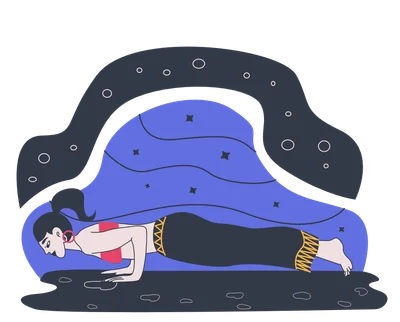
Chaturanga Dandasana
A low hover between plank and the floor, and most people's first real test of trusting their own arms to hold them up. It looks small. The hesitation before trying it usually isn't.
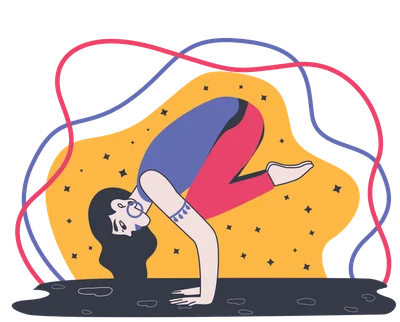
Bakasana
The classic entry point into arm balancing, and the pose most people remember being genuinely afraid of the first time. Tipping forward onto your face turns out to be much less dramatic than the anticipation of it.
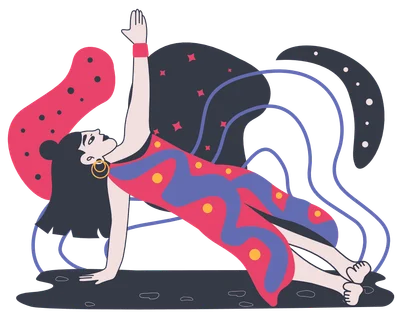
Vasisthasana
One arm, one foot, holding the entire weight of the body in a line. The fear here is quieter than Crow Pose's, more about sustained effort than a dramatic fall.
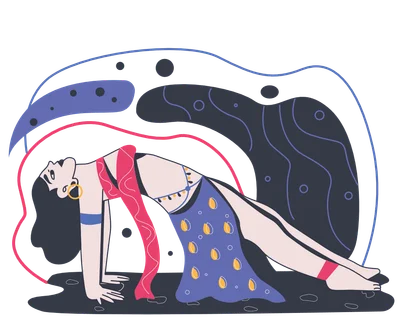
Purvottanasana
Hands and feet on the floor, facing away from where you can see, lifting the whole body into a line. Not seeing what you're doing is its own small test of trust.
Arm Balances That Ask for More
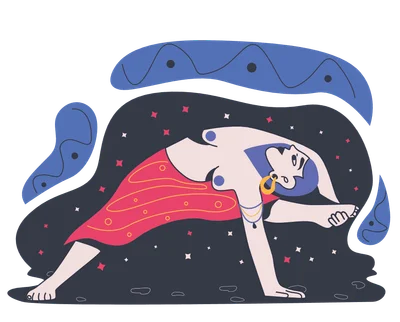
Visvamitrasana
A demanding arm balance with a deep side stretch built in, and one of the more intimidating shapes on this page just to look at. It rewards patient practice far more than raw bravery.
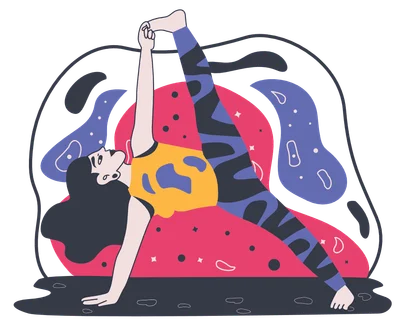
Eka Pada Vasisthasana
Side Plank with a second leg lifted into the air, removing even more of the base than the standard version. There's less to fall back on, literally, which is exactly why it belongs further down this list.
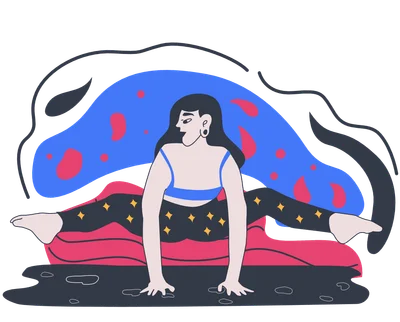
Tittibhasana
The legs straighten and wrap around the arms while the hips lift entirely off the ground. It looks more dangerous than it is, but that gap between how it looks and what it actually risks is most of the lesson.
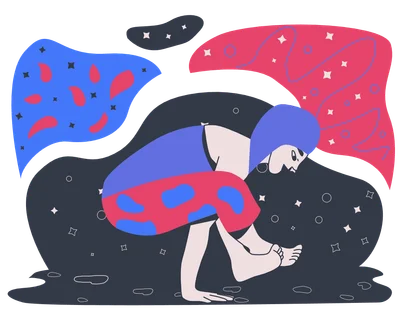
Bhujapidasana
The legs wrap around the upper arms and the whole body lifts and hovers. Committing to the lift, rather than half-trying it, is usually the difference between it working and not.
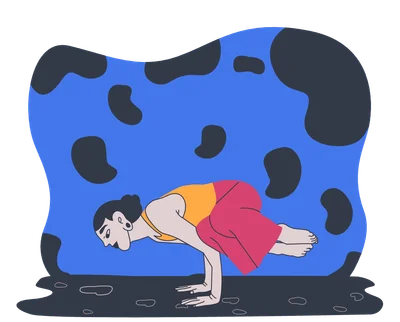
Parsva Bakasana
Crow Pose rotated sideways, asking for commitment to a twist and a balance at the same time. Hesitating halfway through tends to make it harder, not safer.
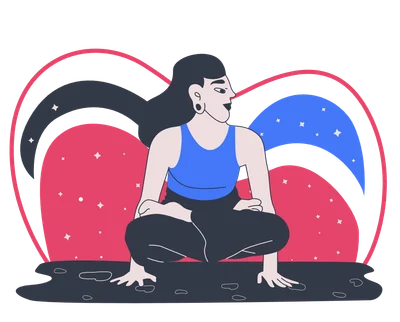
Tolasana
Hands planted, the whole body lifted off the mat. A small, contained effort, and often a good one to end a sequence of harder arm balances on, since it asks for one more full commitment rather than a new skill.
Standing — Facing Forward Without Flinching
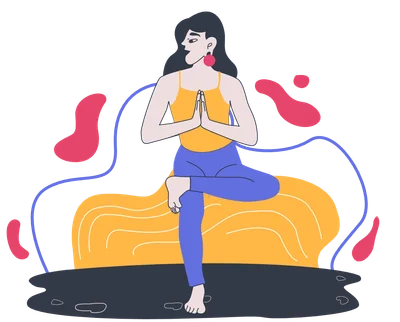
Eka Pada Utkatasana
A squat on one leg, which removes half your base right when the legs are already working hard. Staying in it, rather than bailing out at the first wobble, is the actual practice.
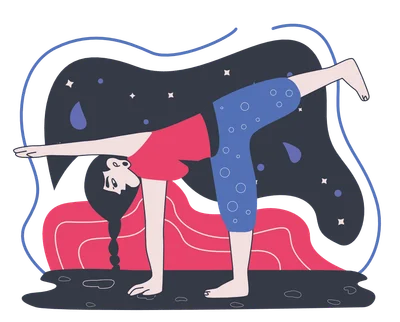
Ardha Chandrasana
One hand, one foot, the body opened out fully into space. There's a real moment of exposure in this shape, nothing to hide behind, which is precisely why it trains the same thing fear does.
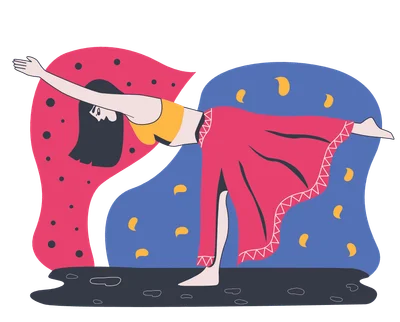
Virabhadrasana 3
The whole body balances parallel to the floor on one leg, arms and back leg extended. It's one of the more disorienting standing balances here, and staying calm inside that disorientation is the point.
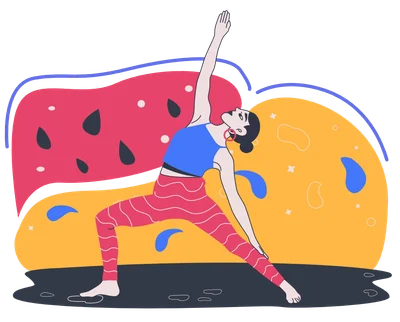
Shanti Virabhadrasana
A wide stance with the torso opening back over the front leg, chest exposed and unguarded. It doesn't look like a courage pose, but any shape that asks you to stop protecting your centre qualifies.
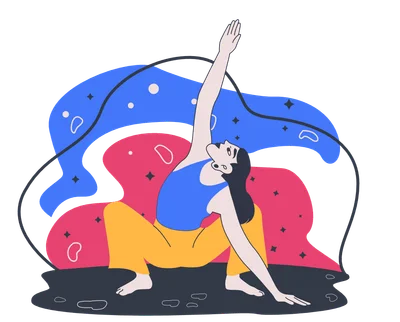
Parivrtta Malasana
A deep squat with a twist added, low to the ground and easy to underestimate. Committing fully to the twist, rather than staying safe in a half-turned version, is where it actually works.
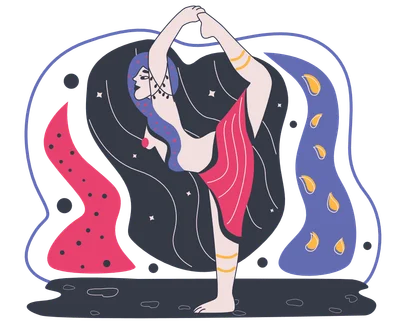
Natarajasana
One leg lifts and extends back while the chest opens forward, an intentionally showy, exposed shape. There's nowhere subtle to hide in this pose, and that's exactly why it's here.
Backbends and Inversions — The Ones Everyone's Afraid Of
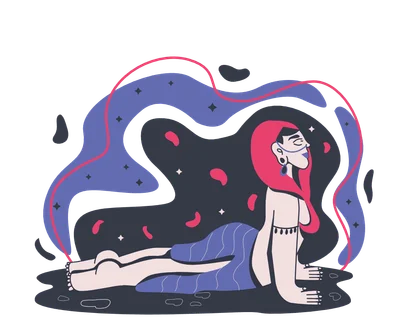
Bhujangasana
A backbend that lifts the chest while the hips stay grounded, gentler than the poses further down this group but still an opening, unguarded shape rather than a protective one.
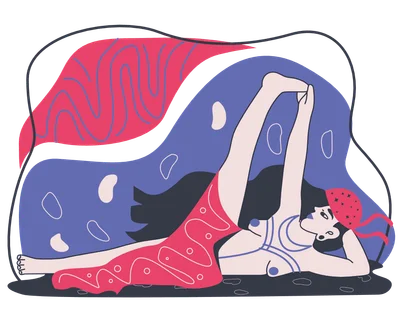
Anantasana
A side-lying balance, unusual and a little exposing simply because it's an uncommon shape. Doing something unfamiliar, even something gentle, still asks for a small kind of nerve.
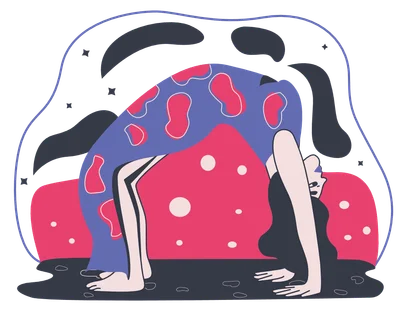
Urdhva Dhanurasana
A full backbend, pressing up from the floor into an arch. This is the pose most adults haven't attempted since childhood, and the hesitation returning to it is usually more about memory than actual risk.
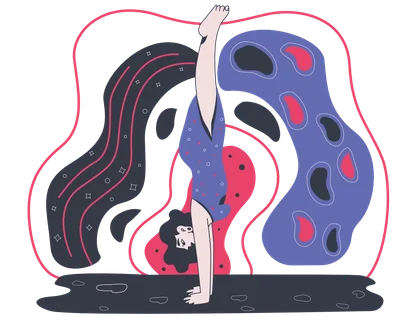
Adho Mukha Vrksasana
A full inversion, balanced entirely on the hands. Most people are afraid of this pose long before they're physically unready for it, which makes it as much about nerve as about strength.
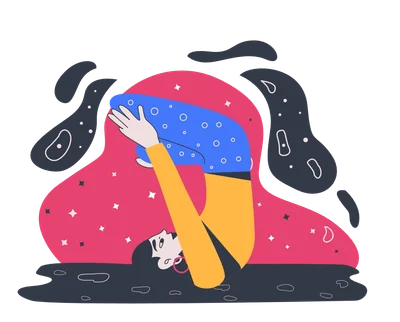
Urdhva Padmasana
Folded legs lifted upside down, usually from another inversion already in progress. It asks for commitment to a shape that offers no easy way to bail out halfway through.
Seated and Kneeling — Quiet Courage
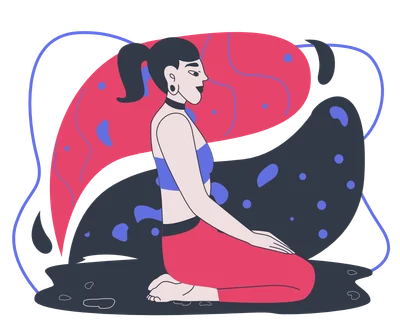
Vajrasana
A simple kneeling seat, included here as a reminder that courage isn't always about a dramatic pose. Sometimes it's just sitting still with whatever you're avoiding thinking about.
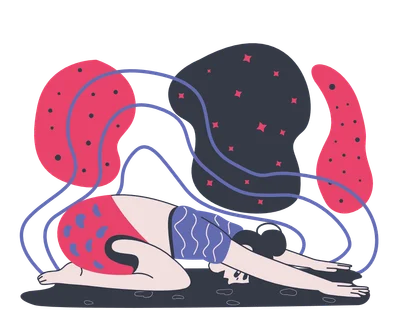
Balasana
A resting shape, and a useful one to return to between the more demanding poses on this page. Knowing when to rest rather than push through is its own kind of courage, not a lack of it.
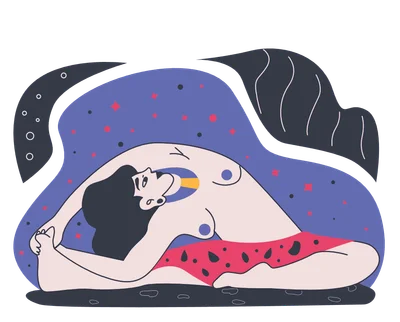
Parivrtta Janu Sirsasana
A side bend and a twist over a bent and extended leg, intense in a way that's easy to back out of early. Staying with the full stretch instead of the safer, shallower version is the actual test.
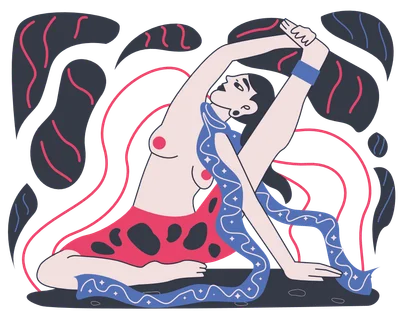
Sury Yantrasana
One leg extends fully overhead while the torso stays upright. It looks extreme, and it demands real trust in your own hips and hamstrings to attempt at all.
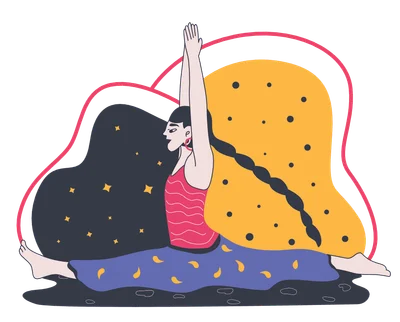
Hanumanasana
Both hips stretched to their limit at once, front leg flexed, back leg extended. Most people avoid attempting this one for years out of fear of injury, more than out of actual inability.
A 20-Minute Courage Sequence
Same idea as always. Not five random poses, there's a build to it: arrive, build through poses that ask for a bit more commitment each time, meet the pose most people remember being afraid of first, then let a backbend ask for a different kind of trust before resting.
- 1Thunderbolt Pose1 minute
Arrive. Sitting still with whatever the practice is going to ask of you today.
- 3Warrior III5 breaths each side
Build. Balancing parallel to the floor, a disorienting shape held steady.
- 6Child's Pose2 minutes
Close. Resting is not the opposite of courage, it's part of the same practice.
The practice moves toward Crow Pose deliberately, the pose most people remember being afraid of first, and then straight into a backbend that asks for a different kind of trust before resting. Courage built this way tends to generalize better than courage found in just one big moment.
Teaching a Courage & Willpower Class
Name the fear directly rather than pretending it isn't there, something like "this one's scary the first few times, that's normal" does more than false reassurance. Spot for Crow Pose and Handstand the first several times a student tries them, knowing someone's there changes what people are willing to attempt. Building a full class around this theme: the Sequence Builder lets you start from any of these poses and adjust hold times, order and how much standing versus floor work you want.
Open the Sequence Builder →Build Your Courage & Willpower Practice
Get my practiceFrequently Asked Questions
What makes a yoga pose good for building courage?
Anything that recreates a real, low-stakes version of fear, arm balances, inversions, backbends that ask you to trust your own spine. The physical sensation is similar to fear in other parts of life, which makes the poses a safe place to practise responding to it.
Is it normal to be scared of poses like Crow Pose or Handstand?
Completely. Almost everyone is, the first several times at least. That fear tends to fade with repetition faster than most people expect, usually within a handful of honest attempts.
How long should I hold a courage pose?
Just long enough to notice you're still there, five to eight breaths on most of these. The point isn't endurance, it's the repeated act of staying rather than bailing out.
Are these poses suitable for beginners?
Start with Chaturanga Dandasana, Warrior III and gentle backbends like High Cobra. Crow Pose, Handstand and the deeper arm balances further down are worth building toward, ideally with a teacher spotting the first attempts. This is general information, not medical advice. See the medical disclaimer.
Related Practices