Hip Opening
Where the Day Gets Stuck
Most of us sit for most of the day. In a chair, in a car, on a couch, hip flexors folded the same way for hours at a time. Then we wonder why the first few steps out of bed feel stiff, or why a deep squat feels impossible when it used to be nothing.
The hips are also where a lot of yoga teachers say people hold tension they're not aware of. I'm careful about that claim, plenty of it is just tight muscles from sitting. But I've watched enough people get quietly emotional in a long Pigeon Pose to think there's something to it, even if I can't fully explain what.
In the old system this is Svadhisthana territory, the sacral centre, tied to fluidity and emotional flow. Physically, most of these poses work through Apana Vayu, the downward, releasing current. You don't need either idea to feel the difference. A hip that opens just moves better.
Maybe it's the ache after a long drive, or a hip that clicks going up stairs. Maybe it's a deep squat that used to be effortless and now needs a wall to hold onto. Sitting doesn't just make hips tight, it makes the whole lower body forget a range of motion it used to have. These poses are mostly about getting some of that back, slowly and without forcing it.
Seated Hip Openers
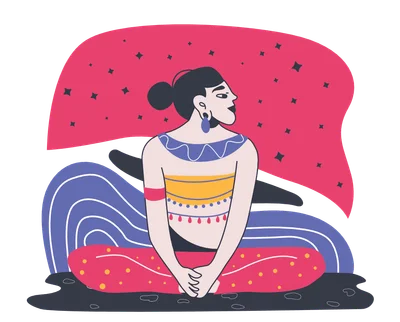
Baddha Konasana
Soles of the feet together, knees dropping wide. This is usually the first pose people think of for hip opening, and for good reason, it goes straight at the inner thighs and hip joints without much else in the way.
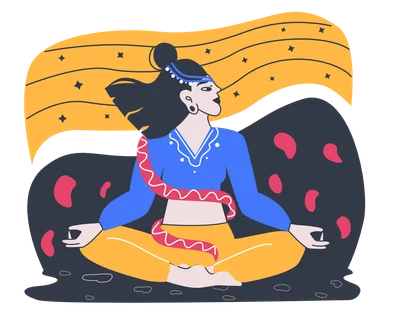
Sukhasana
The most basic cross-legged seat, and often the first honest sign of a tight hip. If your knees sit high above your hips here, that's not bad flexibility, it's information.
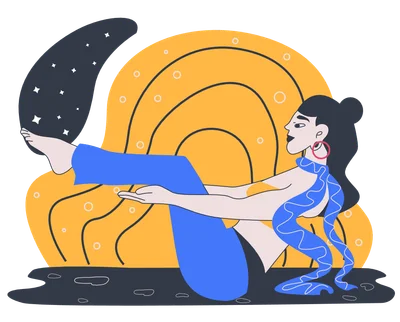
Paripurna Navasana
It reads as a core pose, and it is, but holding the legs up in a V asks the hip flexors to work at their end range. That's a different kind of hip opening than a passive stretch, less about release, more about control.
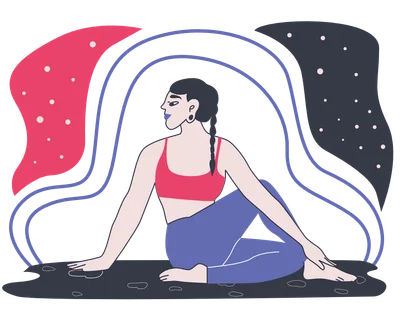
Ardha Matsyendrasana
A seated twist, but the crossed-leg setup asks for real external rotation in the hip, not just rotation through the spine. Skip the hip work and the twist just happens in the lower back instead.
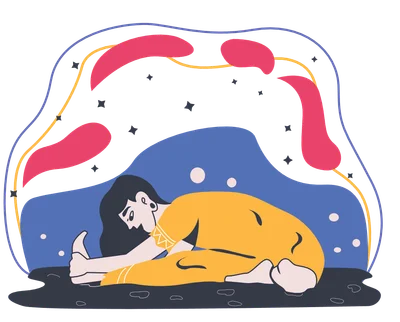
Janu Shirsana
One leg folds in, the other extends. The bent knee wants to lift off the floor if the hip is tight, which is usually the first thing to work on before the forward fold even matters.
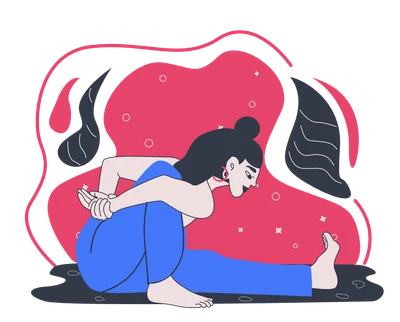
Marichyasana A
One leg bent, foot close to the sitting bone, the other extended straight. Getting the bent knee to stay close to the chest without the hip lifting is the actual challenge here, more than the twist that follows.
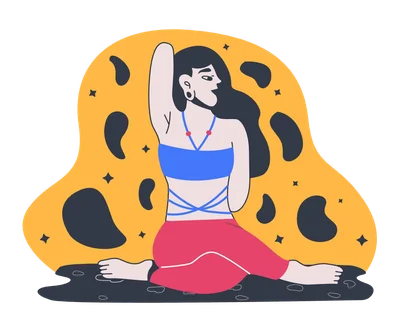
Gomukhasana
One knee stacked directly over the other. For a lot of people this is the single most honest test of hip flexibility on this page. There's no fudging the shape if the hips won't allow it.
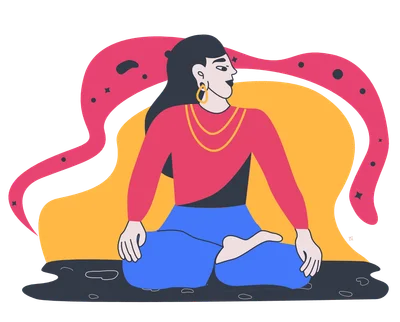
Padmasana
Deep external rotation in both hips at once, which is why it's usually one of the last poses people get, not the first. Forcing it is how knees get hurt. This one rewards patience more than most.
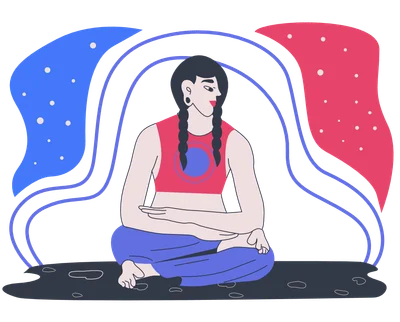
Agni Stambhasana
Shins stacked on top of each other, which asks a lot from the outer hip specifically. It's intense, and it's honest, there's very little room to fake your way into this shape.
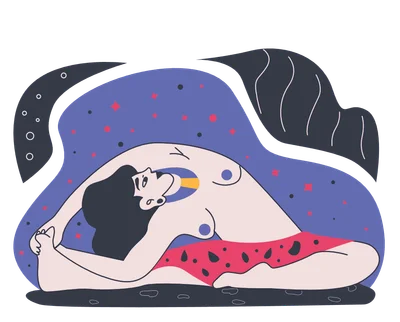
Parivrtta Janu Sirsasana
A side bend over a bent and extended leg together. The hip of the bent leg has to release before the side bend can go anywhere, so this ends up teaching patience as much as flexibility.
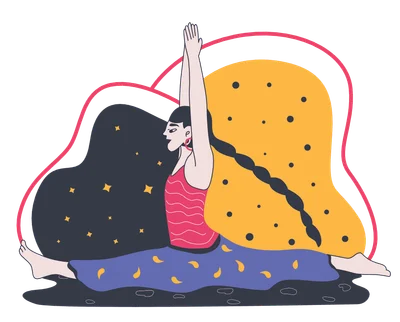
Hanumanasana
The front hip flexes fully while the back hip extends fully, at the same time. It's usually the pose people are working toward for months before they get there, and the wait is normal, not a sign of failure.
Standing Poses That Open the Hips
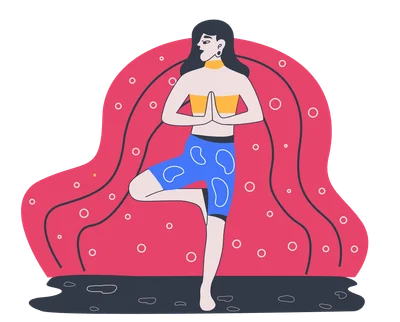
Vrkasana
One hip has to open just to get the raised foot into position against the standing thigh. It's a small, quiet hip opener disguised as a balance pose.
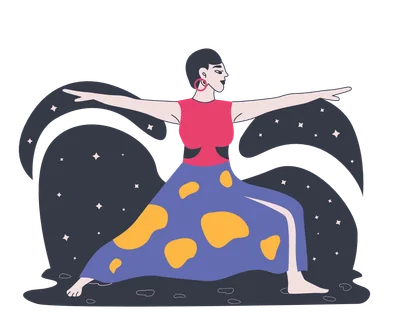
Virabhadrasana II
The front hip has to rotate open while the back hip stays grounded, which is a different kind of opening than the seated poses, active instead of passive, and held under some real muscular effort.
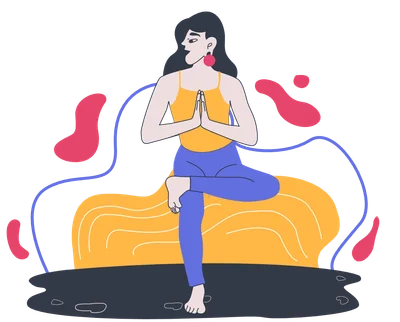
Eka Pada Utkatasana
The lifted leg crosses over the standing thigh, asking for external rotation in the hip while everything else is busy balancing. Most people notice the balance challenge first and the hip second.
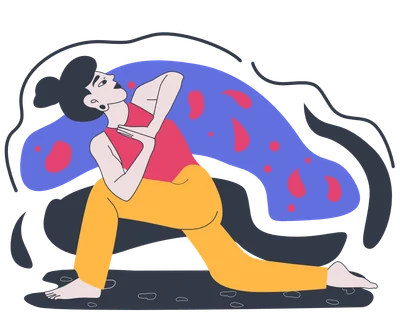
Parivrtta Anjaneyasana
A lunge that opens the front hip through the depth of the stance, then adds a twist on top. The hip has to be reasonably open already for the twist to actually reach the spine instead of stalling out.
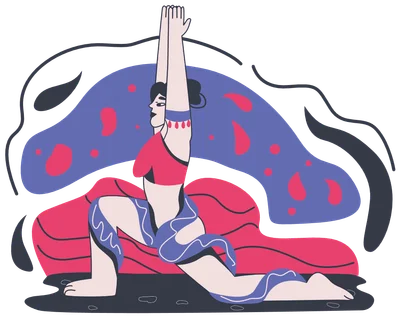
Anjaneyasana
A deep lunge that stretches the front of the back hip specifically, the hip flexor that spends all day shortened in a chair. This is one of the more direct counters to a desk job on this whole page.
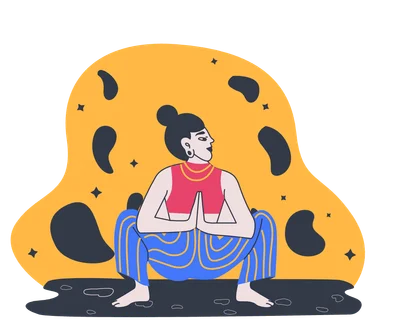
Malasana
A deep squat, heels down if you can manage it, knees tracking wide. Most adults did this easily as children and lost it somewhere along the way, mostly through years of chairs.
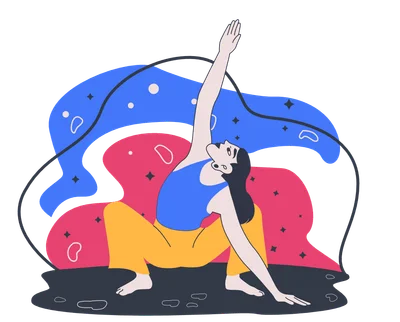
Parivrtta Malasana
The same deep squat with a twist added, which means the hips have to hold their ground while the spine rotates against them. Squat comfort is the real prerequisite here, not twisting flexibility.
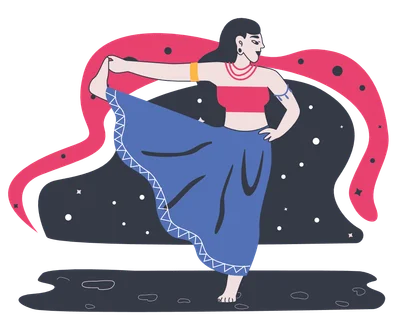
Utthita Hasta Padangusthasana B
The held leg swings out to the side rather than staying in front, asking for a different plane of hip opening than most standing poses reach.
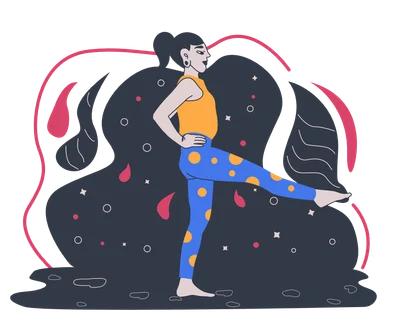
Eka Hasta Padangusthasana C
A standing balance with the leg extended forward and held, which puts the hamstring and the hip flexor of the standing leg both under load at once.
Lying Down — Gravity Doing the Work
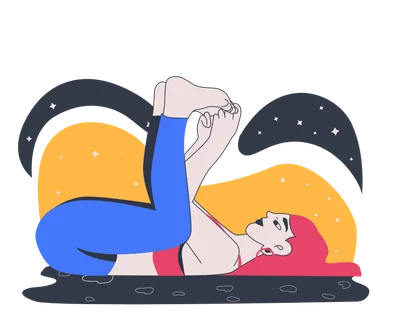
Ananda Balasana
Feet held overhead, knees dropping toward the floor on either side. Gravity does most of the work here, which makes it one of the gentler ways into the hips on this whole page.
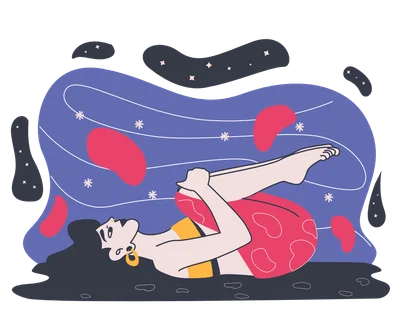
Apanasana
Simple and often used to close a practice, but hugging the knees in is a real, if mild, hip opener, especially for anyone who spends the day in a chair with the hips folded the other way.
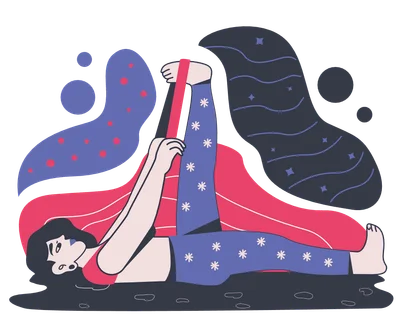
Supta Hasta Padangusthasana
Lying down removes the balance challenge entirely, so the hamstring and hip can actually be the whole focus instead of splitting attention with staying upright.
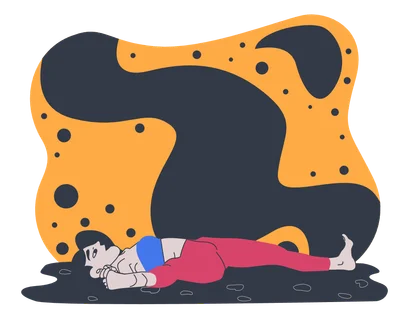
Supta Hasta Padangusthasana B
The same starting shape, but the leg opens out to the side instead of staying vertical. This reaches the inner hip and groin in a way the first version doesn't.
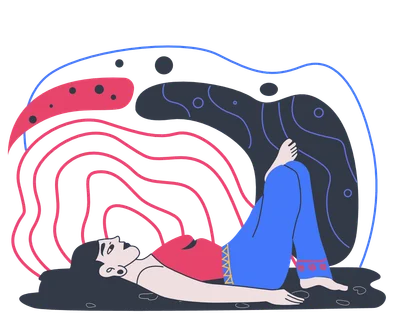
Supta Kaptasana
The floor-based version of Pigeon Pose, and often a kinder entry point than the classic seated version for anyone with cranky knees.

Supta Virasana
Sitting between the heels and lying back is a serious ask of the front hips and thighs. Most people need blocks or a bolster here for a long time, and that's the pose working correctly, not a shortcut.
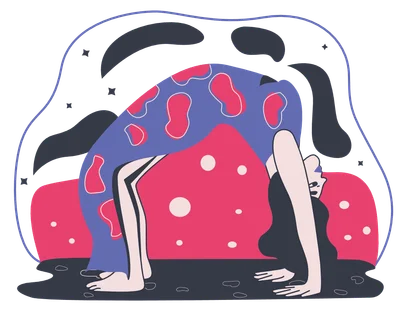
Urdhva Dhanurasana
A full backbend, and one most people don't associate with hip opening, but the hip flexors have to lengthen fully to let the pelvis lift and open the way the shape needs.
Kneeling Openers
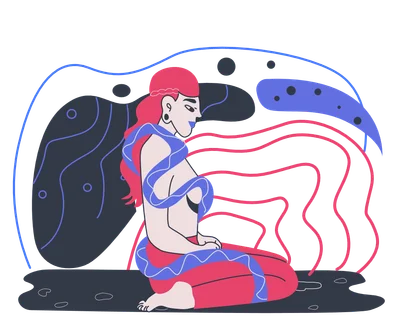
Virasana
Sitting between the heels rather than on them, which asks the fronts of the thighs and the hip joints to lengthen in a way most seated poses don't.
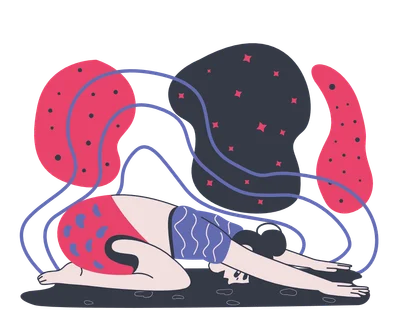
Balasana
Knees wide, hips sinking back toward the heels. It reads as a resting pose, and it is one, but the hips are doing real, gentle work the whole time you're in it.
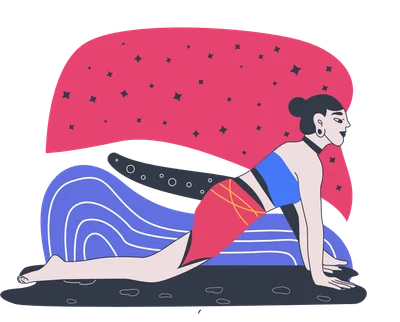
Utthan Pristhasana
A low lunge that goes deeper into the front hip than most standing lunges can, mostly because you're closer to the ground and can actually relax into it instead of holding yourself up.
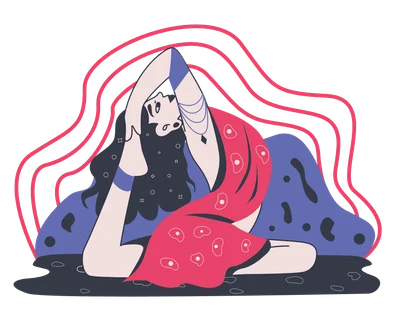
Eka Pada Rajakapotasana
The classical deep hip opener, front shin angled across the mat, back leg extended long behind you. This is usually the pose people mean when they talk about a hip opener that actually does something.
Arm Support and Inverted — Hips Doing Something Unexpected
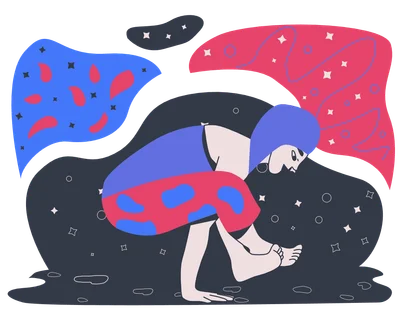
Bhujapidasana
The legs wrap around the upper arms, which needs a fair amount of hip flexibility just to get the legs into position before the lift even starts.
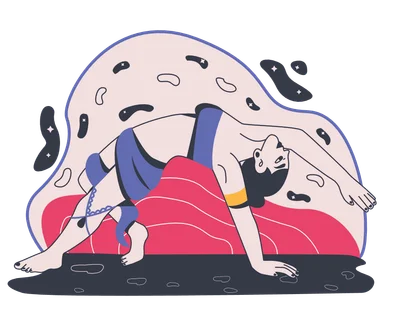
Camatkarasana
A backbend that opens through the front of the hip on the lifted-leg side, somewhere between a stretch and a full-body extension. It rarely gets filed under hip opening, but it belongs here.
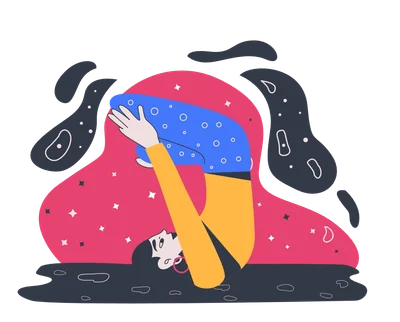
Urdhva Padmasana
Lotus legs, folded and lifted upside down. Everything Lotus Pose asks of the hips on the ground, this asks again while your orientation is completely reversed.
A 20-Minute Hip-Opening Sequence
Same idea as always. Not five random poses, there's a build to it: arrive gently, work into the hips through active poses first, meet the deepest hold of the practice, then let it all settle before you finish lying down.
- 1Child's Pose1 minute
Arrive. A gentle kneeling opener that settles the breath before anything demanding starts.
- 2Garland Pose8 breaths
Build. An active squat, opening the hips through effort rather than just gravity.
- 3High Lunge5 breaths each side
Build. The lunge reaches the front hip specifically, the part a desk job shortens most.
- 4One-Legged King Pigeon8 breaths each side
Peak. The deepest hold of the practice, and the one worth being patient with.
- 5Reclining Pigeon Pose1 minute each side
Release. Lying down takes the effort out of it, letting the hip settle rather than work.
Notice how the practice moves from active to passive, standing poses that work the hips through effort, then floor poses that let gravity do it instead. Hips tend to respond better to that order than to force applied all at once.
Teaching a Hip Opening Class
Go slow, and say so out loud. Hip openers are the poses most likely to get forced, and a forced hip is usually how people hurt knees, not hips. Props help more here than almost anywhere else in a class, blocks under the knees in Butterfly Pose, a bolster under the chest in Reclining Hero Pose. If someone gets emotional in a long hold, that's not unusual, and it doesn't need managing, just space. Building a full class around this theme: the Sequence Builder lets you start from any of these poses and adjust hold times, order and how much standing versus floor work you want.
Open the Sequence Builder →Build Your Hip Opening Practice
Get my practiceFrequently Asked Questions
What makes a yoga pose good for hip opening?
Anything that takes the hip joint through a range it doesn't get during a normal day, external rotation, deep flexion, extension through the front of the hip. Sitting mostly keeps hips in one narrow position, so almost any of these poses counters that.
Why do hip openers sometimes bring up emotion?
Nobody has a clean answer for this, and I'd be careful of anyone who claims to. What's true is that people hold physical tension without noticing it, and releasing that tension, especially somewhere as central as the hips, can bring feelings along with it.
How long should I hold a hip opener?
Longer than most other poses, one to three minutes on the deep ones like Pigeon or Fire Log. Hips respond to patience more than intensity, forcing a stretch tends to backfire.
Are hip openers suitable for beginners?
Yes, start with Butterfly Pose, Child's Pose and Happy Baby. Deeper poses like Splits or King Pigeon are worth building toward slowly, with props, not rushing into. This is general information, not medical advice. See the medical disclaimer.