Emotional Balance
Yoga for Emotional Balance on the Days That Tip Too Easily
Some days a small thing lands bigger than it should. Someone's tone at breakfast, a slow reply to a text, and suddenly the whole morning feels off. It's not that the thing was actually that big. It's that there wasn't much room left to absorb it.
A lot of these poses work through the chest and the sides of the body, backbends that open the front of the heart, side bends and twists that move through the ribs without losing the base underneath. There's a real physical link between a guarded chest and a guarded mood, and opening one tends to loosen the other, at least a little.
In the old system this sits at Anahata, the heart centre, right in the middle of the chakras, between the more physical ones below and the more mental ones above. That's not an accident. Emotional balance usually means holding both at once, the body and the thinking mind, without either one running the show.
Who this guide is for
Signs this guide was written for you
The asanas
The yoga poses that matter for Emotional Balance
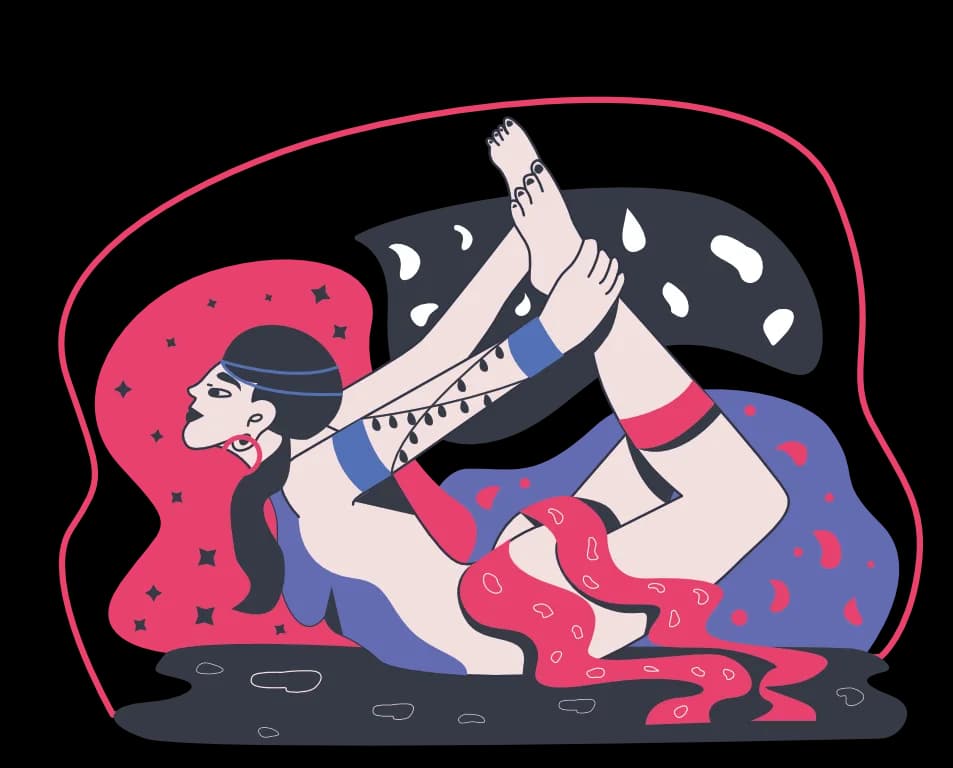
Backbends — Opening Without Guarding



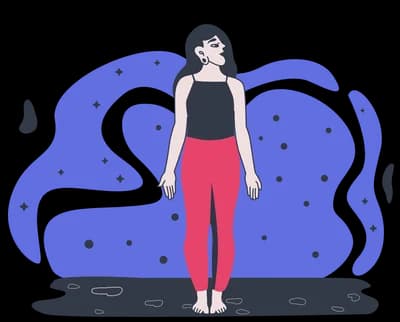
Standing Steadiness
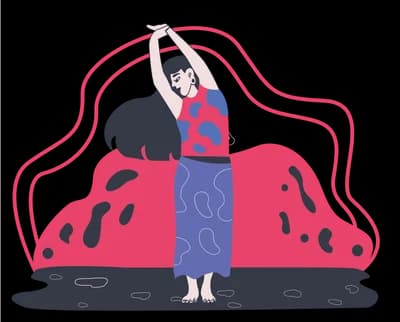
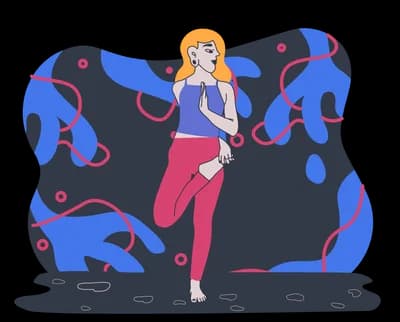
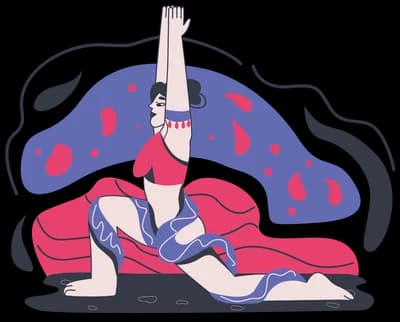
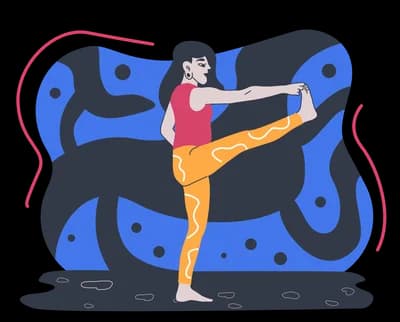
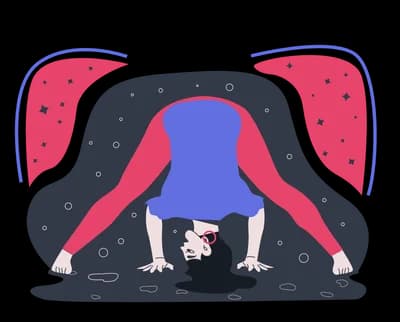
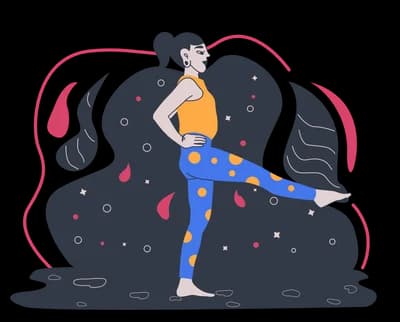
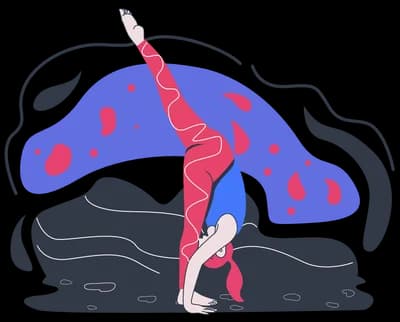
Standing Twists — Movement Without Losing the Base
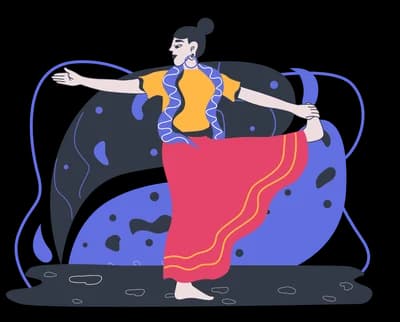
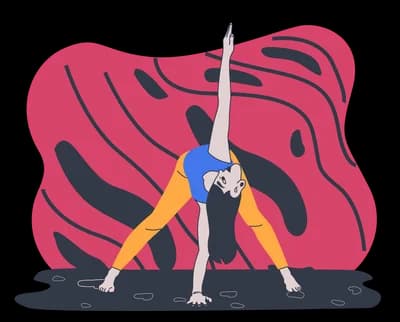
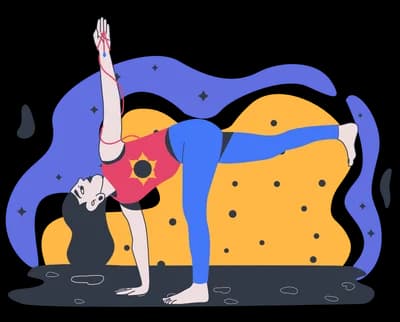
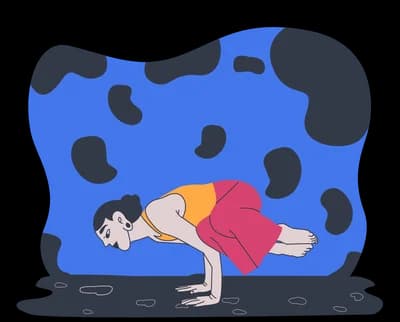
Arm Balances and Side Bends


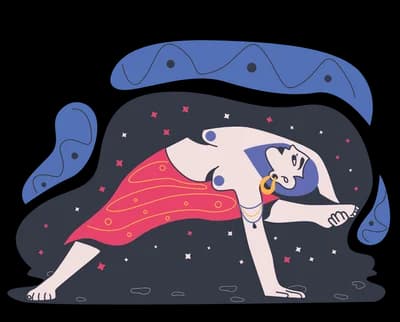

Kneeling and Seated — Side Bends and Stillness



Lying Down and Upside Down


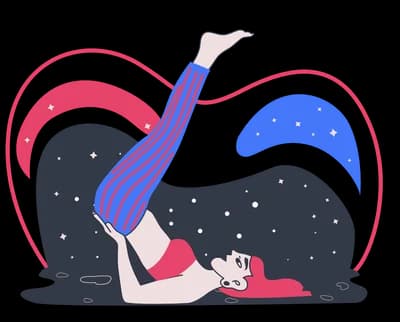
A 20-Minute Emotional-Balance Sequence
Same idea as always. Not five random poses, there's a build to it: arrive steady, open the chest a little more with each pose, meet a full backbend, then spend the second half undoing the effort rather than the opening.
- 1
 Mountain Pose1 minute
Arrive. Weight even, spine tall, noticing whatever's already there before adding anything.
- 3
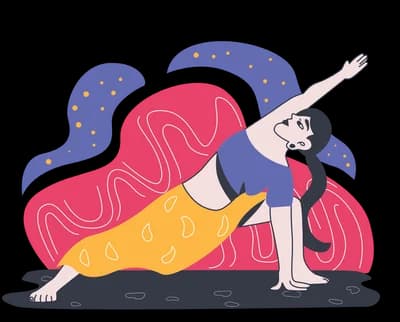
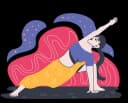 Extended Side Angle Pose5 breaths each side
Build. A long stretch through the ribs, opening one whole side at a time.




The practice opens the chest a little more with each pose, then spends the last two undoing the effort rather than the opening itself. Feeling more doesn't need to mean staying activated. The point is to let it move through and then rest.
For yoga teachers
Teaching a class for Emotional Balance
Build your own
Put together your own class for Emotional Balance
The sequence builder gives you all 108 asanas and lets you arrange them yourself. While you build, it watches the shape of the class: whether the intensity rises and falls the way a practice should, whether every strong pose gets its counterpose, and whether the order makes anatomical sense.
Save what you build, come back to it, and teach it. It is the fastest way to turn what you just read into a class of your own.