Heart Opening
Heart Opening Yoga and the Posture of Staying Open
Guardedness has a shape. Shoulders rounded forward, arms crossed, chest slightly collapsed, protecting the softest part of the torso the way you'd protect anything vulnerable. It's a completely reasonable posture to default to. It's also one that, held for years, starts to feel like the only option.
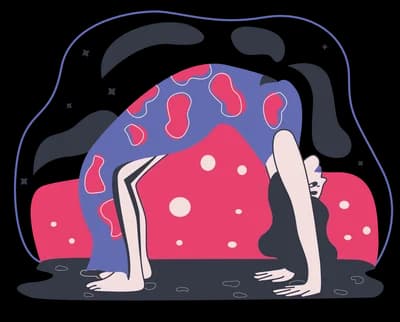
Backbends do the literal opposite, lifting and opening the chest, throat exposed, nothing protected. Some of these poses aren't backbends at all, seated shapes that ask for stillness and receptivity rather than arching, which turns out to be its own kind of opening, quieter but not smaller.
This sits at Anahata, the heart centre, right in the middle of the chakras, between the more physical ones below and the more mental ones above. Physically, opening the chest changes how you breathe. Whether it changes anything else is something you'll have to find out for yourself.
Who this guide is for
Signs this guide was written for you
The asanas
The yoga poses that matter for Heart Opening
Backbends — Where the Chest Opens Directly




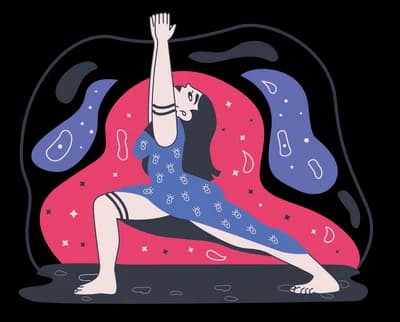
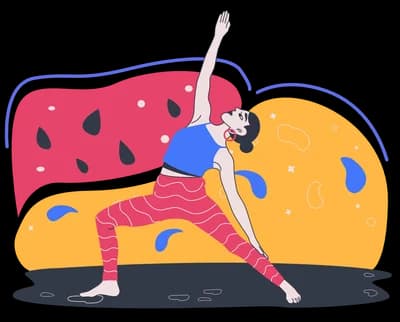
Standing — Opening While the Legs Keep Working

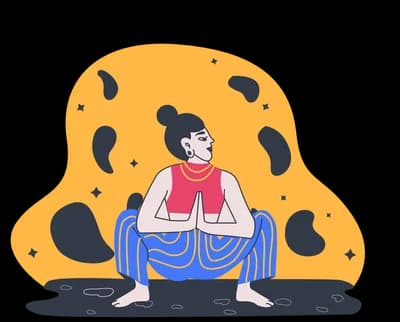
Seated — A Quieter Kind of Opening


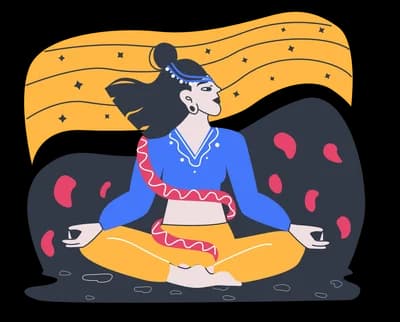


Lying Down and Arm Support

A 20-Minute Heart-Opening Sequence
Same idea as always. Not five random poses, there's a build to it: arrive upright, build through poses that open the chest a little more each time, meet the deepest backbend of the practice, then wind back down through gentler, supported versions of the same opening.
- 3
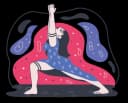 Warrior I5 breaths each side
Build. Arms overhead, chest lifted, the legs doing real work underneath it.
- 6
 Reclining Hero Pose2 minutes
Close. The chest still open, lying down, nothing left to actively hold.




The practice builds toward Camel Pose deliberately, the most literal chest opener on this page, then moves into gentler, supported versions of the same opening before finishing. Opening the chest hard and then immediately closing off again undoes some of the point, so the sequence winds back down slowly instead.
For yoga teachers
Teaching a class for Heart Opening
Build your own
Put together your own class for Heart Opening
The sequence builder gives you all 108 asanas and lets you arrange them yourself. While you build, it watches the shape of the class: whether the intensity rises and falls the way a practice should, whether every strong pose gets its counterpose, and whether the order makes anatomical sense.
Save what you build, come back to it, and teach it. It is the fastest way to turn what you just read into a class of your own.