Joy & Vitality
Yoga for Vitality and the Energy That Isn't Caffeine
There's a specific kind of tired that more sleep doesn't fix, flat, a bit grey, going through the motions without much behind it. Coffee can mask it for an hour. It doesn't actually address whatever's underneath, which is usually something closer to stagnation than exhaustion.
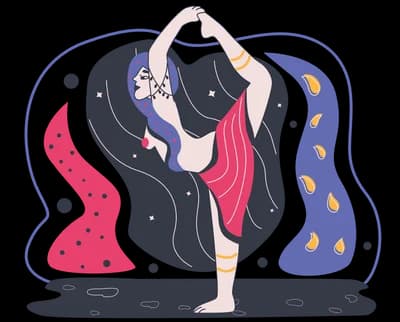
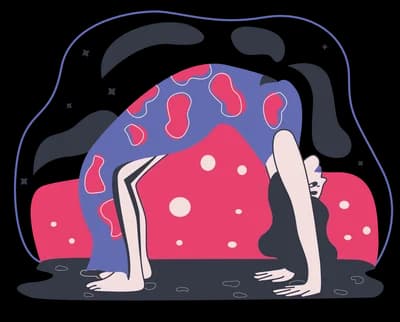
These poses lean into backbends and open, expansive shapes rather than the effortful holds elsewhere on this site. There's a real physiological piece here, opening the chest and moving the spine tends to counter the collapsed, low-energy posture that comes with flatness. But there's also something simpler, some of these poses are just a little silly, and it's hard to stay fully flat while doing something a little silly.
This leans toward Svadhisthana, the sacral centre, tied to pleasure and creative energy rather than willpower or grounding. It's the playful chakra, not the disciplined one, which tracks with what these poses actually feel like to practise.
Who this guide is for
Signs this guide was written for you
The asanas
The yoga poses that matter for Joy & Vitality
Playful Shapes — Poses That Don't Take Themselves Seriously


Backbends — Where the Energy Actually Lifts


Arm Balances — A Different Kind of Buzz


Standing, Seated and Lying Down — Openness Without Drama
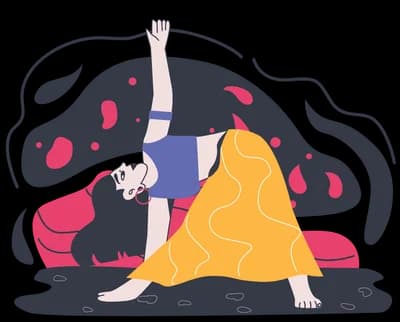



A 20-Minute Joy-and-Vitality Sequence
Same idea as always. Not five random poses, there's a build to it: arrive with a gentle opening, build through standing and backbending shapes, meet the most energizing hold of the practice, then come back down through something playful.
- 5
 Wild Thing5 breaths each side
Release. Coming back down through something expressive rather than flat.



The practice builds from a gentle seated opening through standing and backbending shapes toward Wheel Pose, the most energizing hold of the practice, then comes back down through something playful and finishes rocking gently on the back. Energy built this way tends to feel lifted rather than wired.
For yoga teachers
Teaching a class for Joy & Vitality
Build your own
Put together your own class for Joy & Vitality
The sequence builder gives you all 108 asanas and lets you arrange them yourself. While you build, it watches the shape of the class: whether the intensity rises and falls the way a practice should, whether every strong pose gets its counterpose, and whether the order makes anatomical sense.
Save what you build, come back to it, and teach it. It is the fastest way to turn what you just read into a class of your own.