Circulation & Lymph Flow
Yoga for Circulation and the Blood That Pools When You Sit Too Long
Sit for long enough and blood pools in the lower legs, the muscles that normally help pump it back up toward the heart doing nothing. That heavy, slightly swollen feeling by the end of a long flight or a desk-bound day isn't imagined, it's mechanical, gravity winning by default when nothing pushes back.
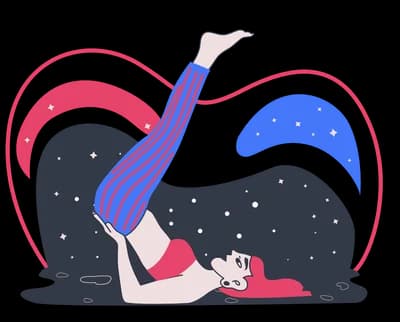
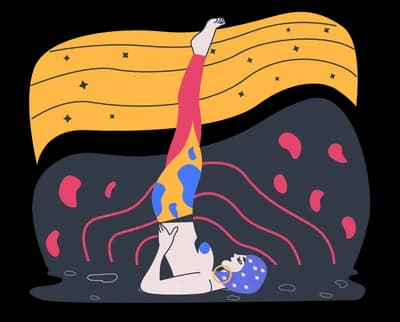
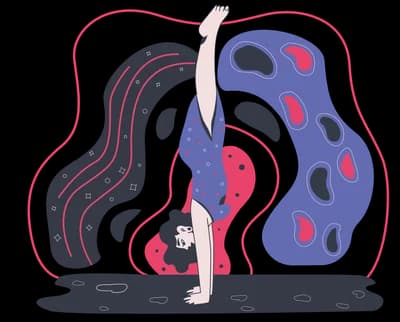
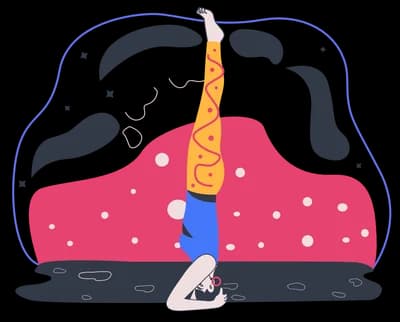
Two mechanisms do most of the work here. Inversions use gravity in the opposite direction, letting blood that's pooled in the legs flow back down toward the heart instead of fighting to get there. And compression poses, a wrapped limb, a deep squat, a twist, work more like a wring-and-flush, squeezing an area and then releasing it, pushing stagnant blood out and letting fresh blood back in.
This leans toward Vishuddha in a few of the deeper inversions, but the honest throughline is mechanical, not energetic. Gravity and compression, used deliberately, move blood that's otherwise happy to sit still.
Who this guide is for
Signs this guide was written for you
The asanas
The yoga poses that matter for Circulation & Lymph Flow
Inversions — Sending Blood Back the Other Way
Compression and Release — the Wring-and-Flush Poses
Forward Folds and Extension — Circulation Through the Legs
A 20-Minute Circulation Sequence
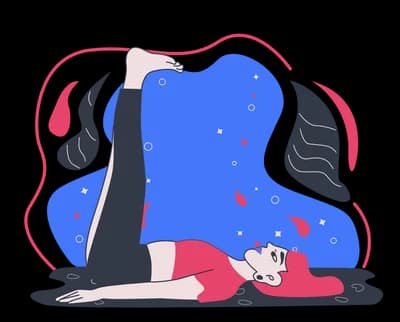
Same idea as always. Not five random poses, there's a build to it: arrive with a mild inversion, move through active compression poses, meet a full inversion, then close with two more ways of moving blood, an active leg pump and a fully passive rest.
- 1
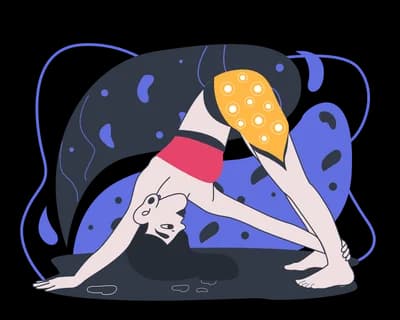
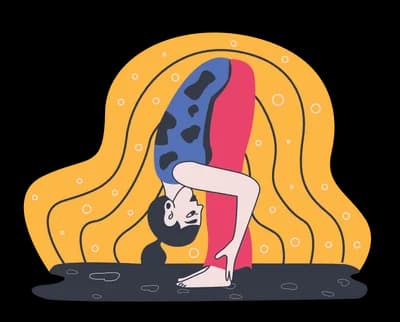
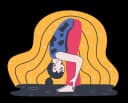 Standing Forward Bend1 minute
Arrive. A mild inversion, the head below the heart, blood starting to move differently.
- 2
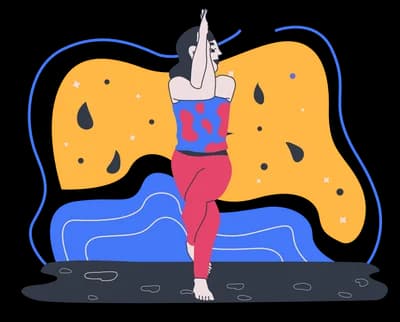
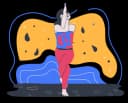 Eagle Pose5 breaths each side
Build. A squeeze and release, compressing then flooding blood back through.
- 3
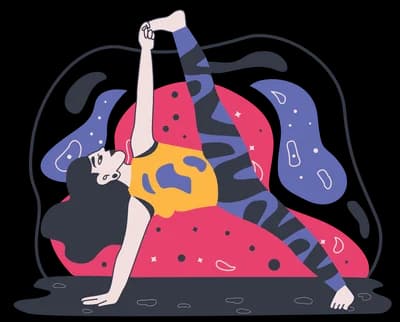
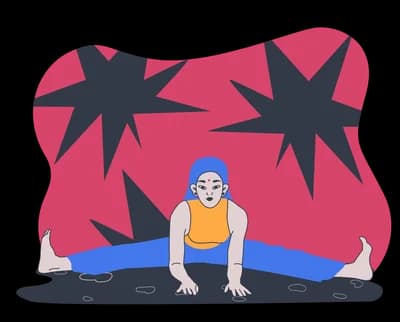
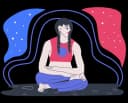 Fire Log Pose1 minute each side
Build. The backs of the legs compressed, then released fully on the way out.
- 4
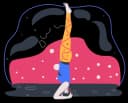 Headstand1 to 3 minutes
Peak. A full inversion, held long enough for the reversed blood flow to matter.


The practice moves from a mild inversion through active compression poses toward a full inversion, then closes with two more ways of moving blood, an active leg pump and a fully passive inversion. Circulation responds well to that variety, gravity, compression and movement, rather than any single approach alone.
For yoga teachers
Teaching a class for Circulation & Lymph Flow
Build your own
Put together your own class for Circulation & Lymph Flow
The sequence builder gives you all 108 asanas and lets you arrange them yourself. While you build, it watches the shape of the class: whether the intensity rises and falls the way a practice should, whether every strong pose gets its counterpose, and whether the order makes anatomical sense.
Save what you build, come back to it, and teach it. It is the fastest way to turn what you just read into a class of your own.