Overall Strength
Yoga for Overall Strength and the Kind of Strong That Doesn't Specialize
A gym likes to take you apart. One machine for the legs, another for the back, a third for the arms. Life outside the gym never asks for strength that way. Carry a bag of groceries up a flight of stairs and your legs, your trunk, your grip and your shoulders all go to work in the same moment. That is the kind of strength this page is about.
None of the poses here train one muscle group cleanly, and that is deliberate. In Chaturanga the arms, shoulders, trunk and legs have to hold a single line between them. In Warrior III the standing leg, the core and the back all pitch in just to keep you level. The overlap is the whole design.
In yoga's traditional map of the body, this kind of work sits closest to Muladhara, the root centre at the base of the spine, mostly because so many of these poses are grounded, effortful standing and arm-support shapes. Strip the symbolism away, though, and overall strength belongs to no single place. It is everything pulling together.
Who this guide is for
Signs this guide was written for you
The asanas
The yoga poses that matter for Overall Strength
Full-body holds on the arms and legs


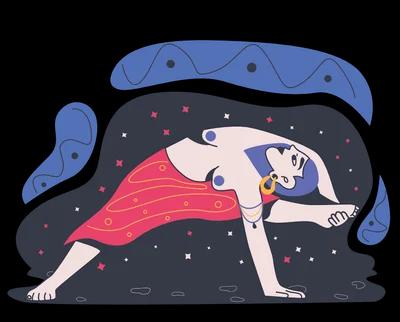
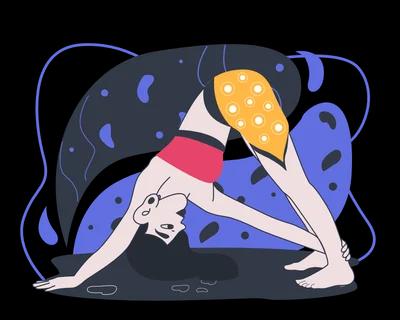
Standing poses that work the legs, trunk and shoulders together

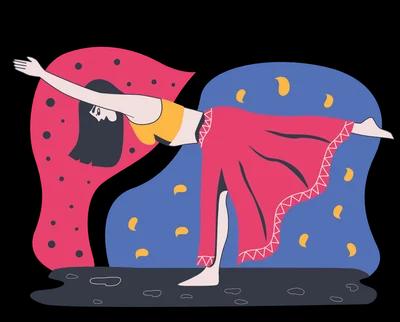

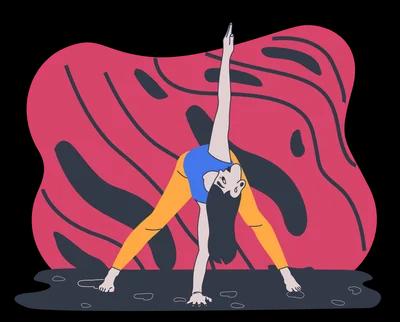
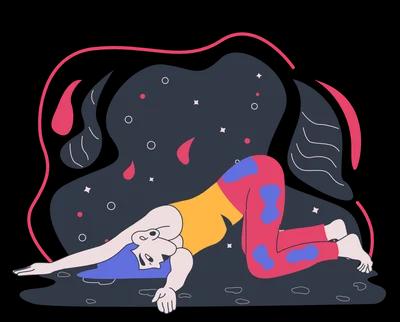
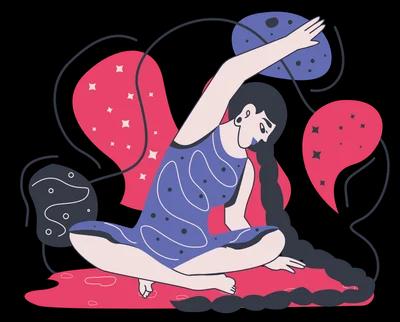
Seated, kneeling and lying-down poses for strength off your feet



A 20-Minute Overall-Strength Sequence
The same principle as every sequence here. Six poses with a direction to them, not a random handful. You arrive, then build through shapes that recruit more muscle groups each time, meet a balance that needs all of them at once, and come down to close.
- 1
 Mountain Pose1 minute
Arrive. Feel the small stabilising muscles from your feet up to your shoulders start to work together.
- 3
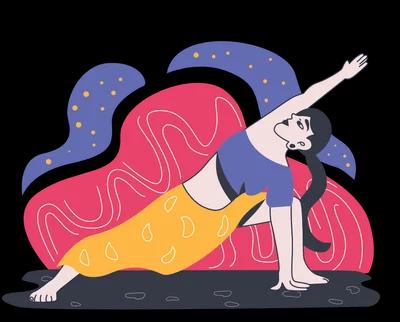
 Extended Side Angle Pose5 breaths each side
Build. Legs, trunk and shoulders sharing the work of the long diagonal.
- 6
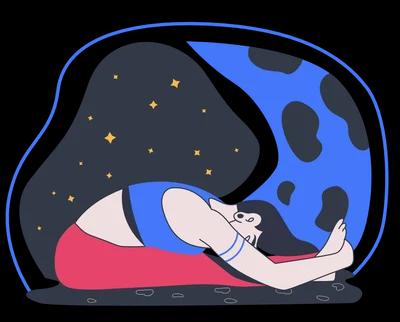
 Seated Forward Bend2 minutes
Close. Back and core stay lightly engaged, even as you rest into the fold.



Look back over those six poses and count how few let one muscle group work alone. Legs, trunk and shoulders kept firing together, and that is exactly why this kind of strength carries so directly into the way you move on an ordinary day.
For yoga teachers
Teaching a class for Overall Strength
Build your own
Put together your own class for Overall Strength
The sequence builder gives you all 108 asanas and lets you arrange them yourself. While you build, it watches the shape of the class: whether the intensity rises and falls the way a practice should, whether every strong pose gets its counterpose, and whether the order makes anatomical sense.
Save what you build, come back to it, and teach it. It is the fastest way to turn what you just read into a class of your own.