Leg & Glute Strength
Yoga for Leg Strength Because the Legs Remember Everything Else Forgets
Weak legs don't usually announce themselves directly. They show up as knees that complain on stairs, a fear of getting up from a low chair without using your hands, or just running out of steam halfway through a hike that used to be easy. The legs carry more of daily life than almost anything else, and they're often the last thing anyone trains on purpose.
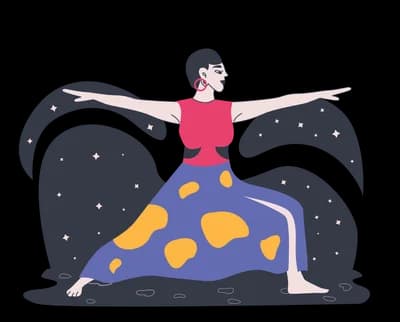
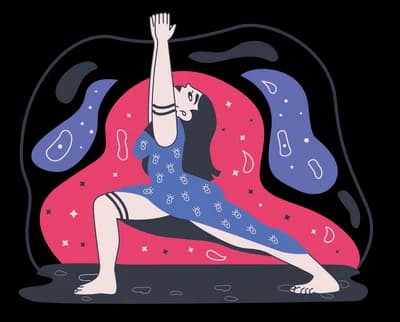
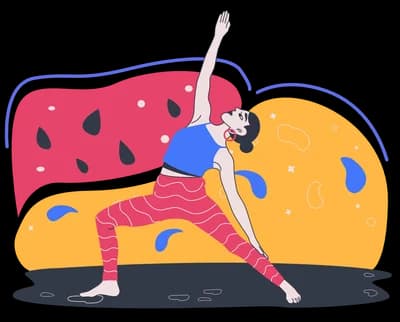
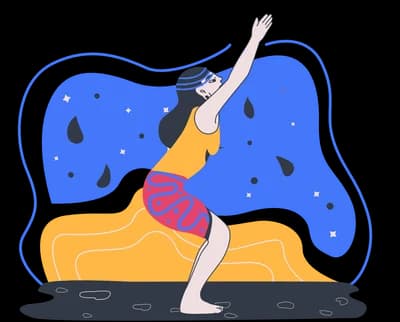
Most of these poses work through held stances, warriors, lunges, chairs, rather than fast repeated movement. That kind of isometric holding builds a different, steadier kind of strength than a quick set of squats does, the kind that's actually there when a hike gets longer than planned or a flight of stairs shows up unexpectedly.
In the old system this sits at Muladhara, the root centre, which makes physical sense too, the legs are literally the root, the part of the body actually in contact with the ground most of the day.
Who this guide is for
Signs this guide was written for you
The asanas
The yoga poses that matter for Leg & Glute Strength
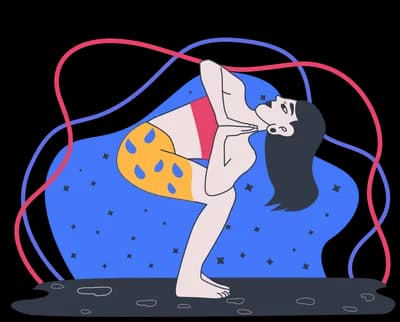
Held Stances — Where the Burn Lives
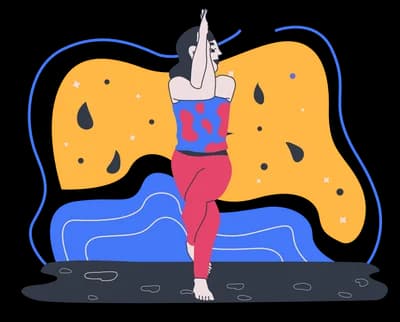
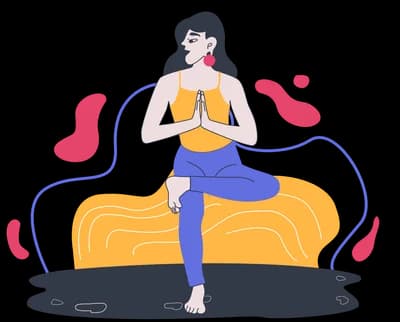
Standing Balances — One Leg Doing All the Work
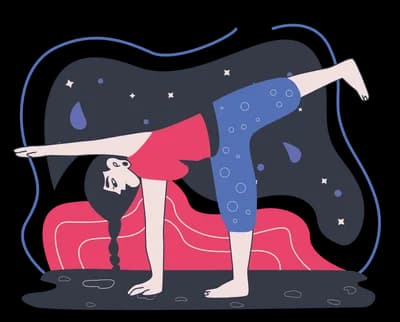
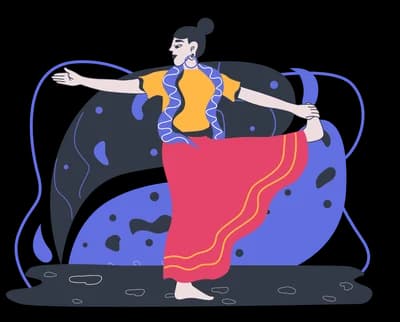

Standing Stretches and Folds — Strength Through Length
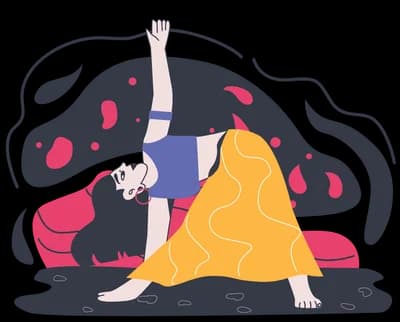


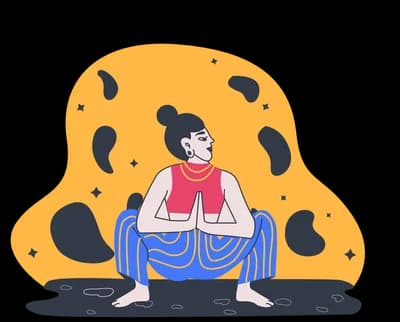
Kneeling and Seated

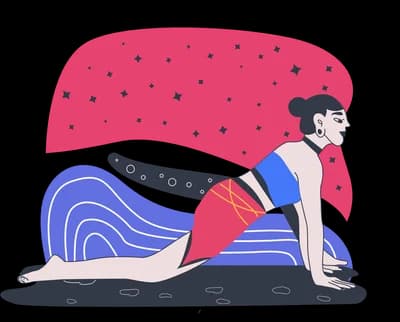
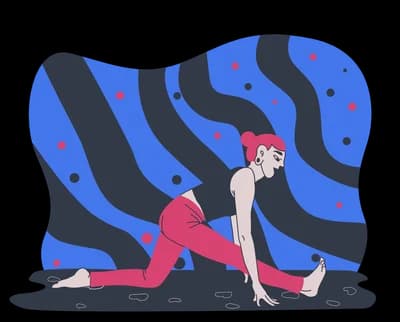


Arm Support — Legs Doing Unexpected Work


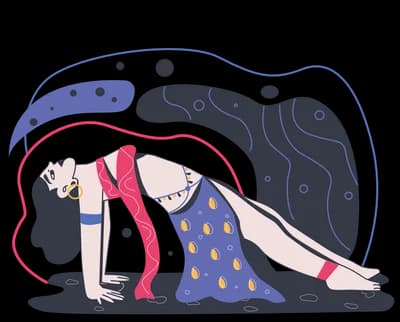
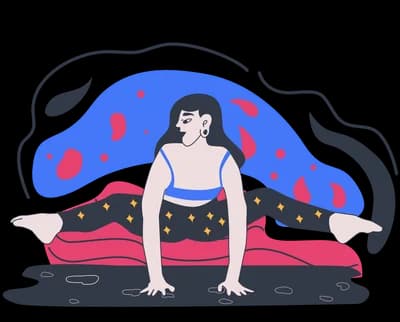
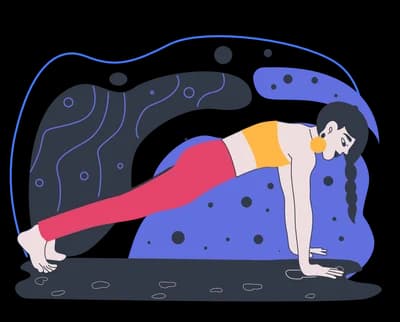

A 20-Minute Leg-Strength Sequence
Same idea as always. Not five random poses, there's a build to it: arrive, build through held stances that ask more with each pose, meet a balance that takes away the second leg entirely, then return to something wide and stable before you finish.
- 1
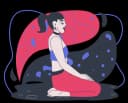 Thunderbolt Pose1 minute
Arrive. Sitting still while the fronts of the thighs already start to work quietly.
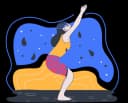

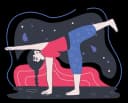


The practice moves from held stances into a balance that takes away the second leg entirely, then back to a stance that's wide and stable again. Legs respond well to that kind of variety, isometric holds, a real balance challenge, then a return to something grounded, rather than the same shape repeated six times.
For yoga teachers
Teaching a class for Leg & Glute Strength
Build your own
Put together your own class for Leg & Glute Strength
The sequence builder gives you all 108 asanas and lets you arrange them yourself. While you build, it watches the shape of the class: whether the intensity rises and falls the way a practice should, whether every strong pose gets its counterpose, and whether the order makes anatomical sense.
Save what you build, come back to it, and teach it. It is the fastest way to turn what you just read into a class of your own.