Core Strength
Yoga for Core Strength and the Muscle You Only Notice When It's Not There
You bend down to pick something up off the floor, and your lower back takes the strain before your legs even get involved. Or you hold a plank for twenty seconds and your whole body starts shaking. The muscles aren't small. They've just never been asked to hold anything for that long. Core strength isn't really about how a stomach looks. It's about whether your spine has support when you need it.
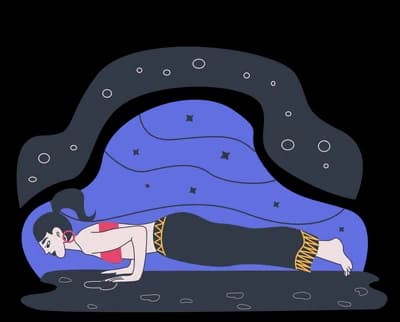
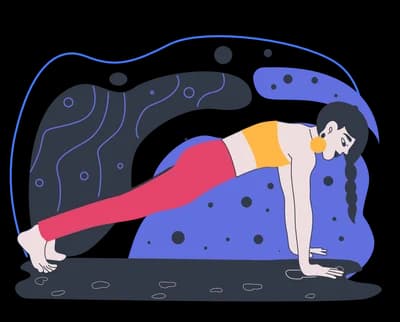
Most of what people call core work at a gym trains one thing, moving in one direction, usually lying down. Yoga asks for something different. Hold Plank Pose and your abdominals aren't crunching, they're stabilizing your whole spine against gravity while your arms and legs do something else entirely. That's closer to what the core actually does for you every day.
In the old system this sits at Manipura, the navel centre, associated with willpower and the fire in the belly. That's not far off from how it feels physically either. Real core work has a certain heat to it, the kind that shows up as a shake in your arms before it shows up anywhere else.
Who this guide is for
Signs this guide was written for you
The asanas
The yoga poses that matter for Core Strength
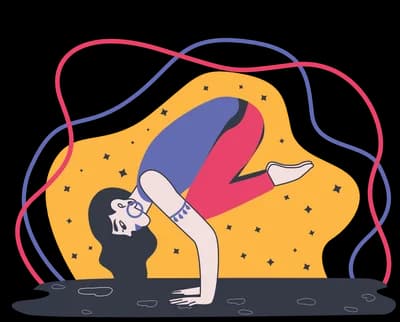
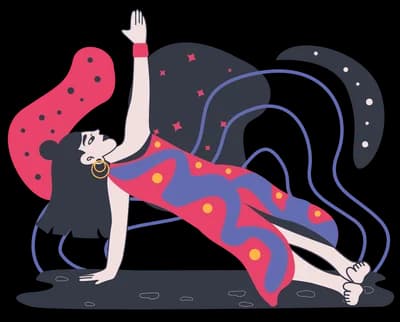
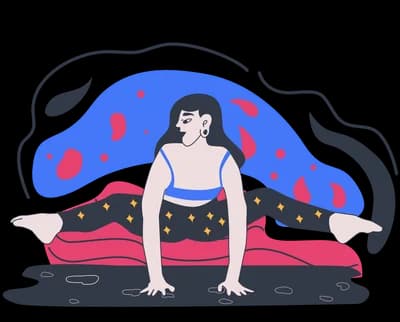
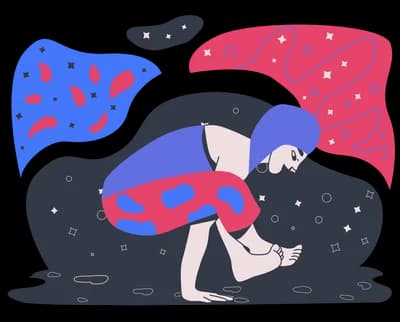
Arm Balances — Where the Core Holds You Up
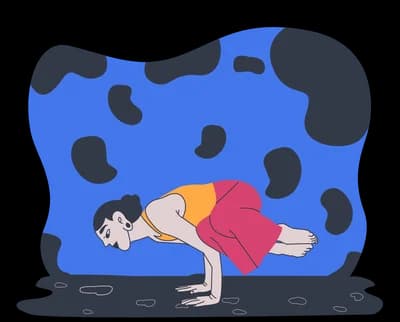
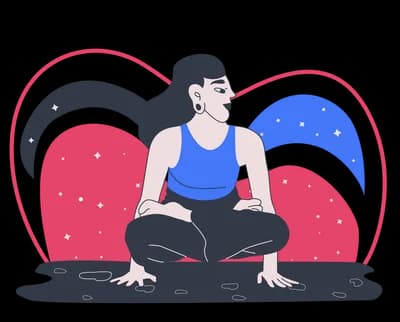
Standing Balances That Test the Belly
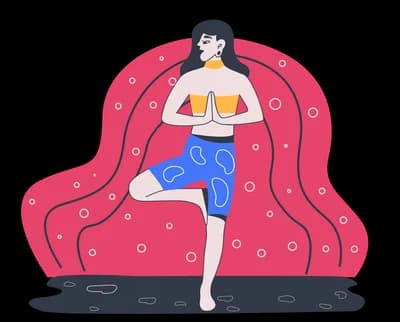
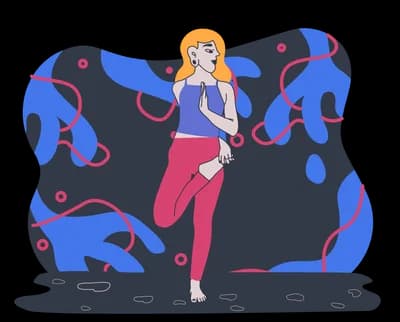
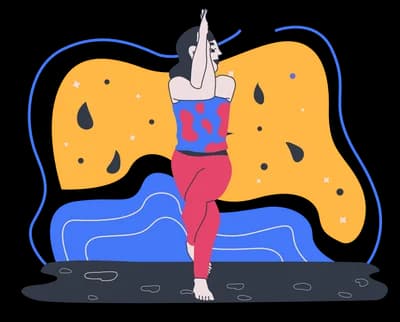
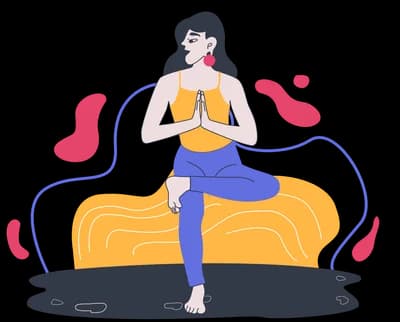
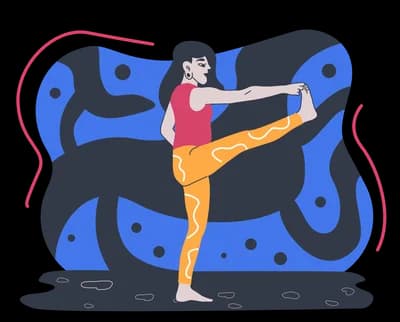
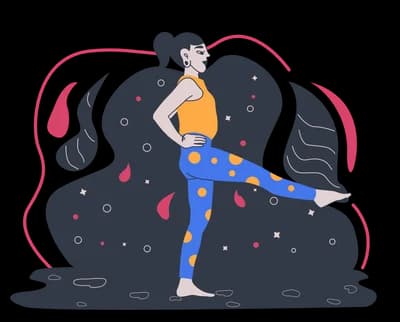
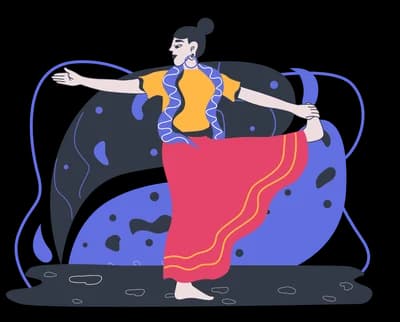
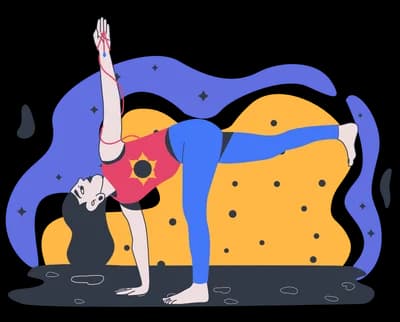
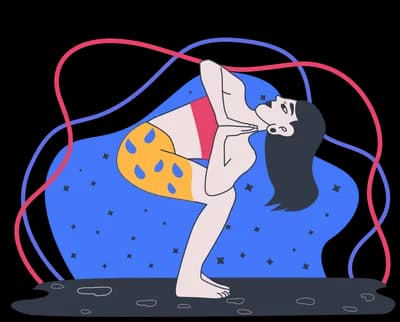
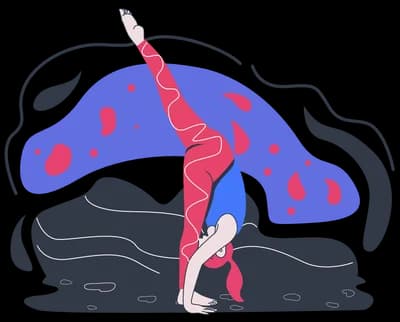
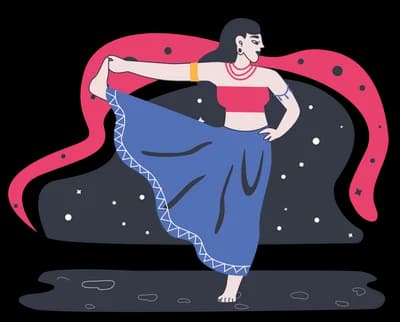
Standing Holds — Legs and Core Together
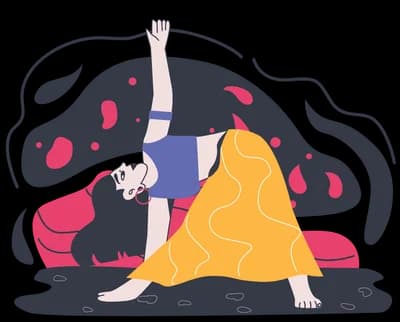

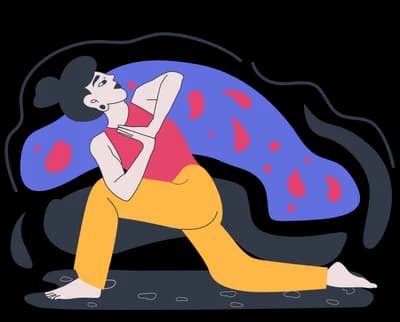
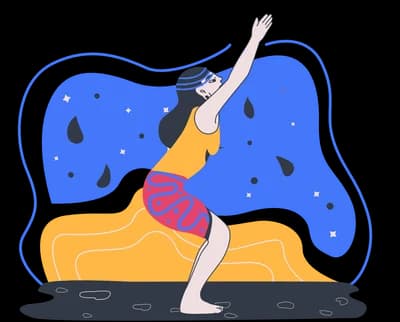
Seated and Deep Stretch — Core in Disguise
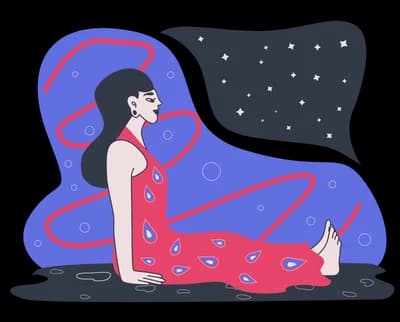
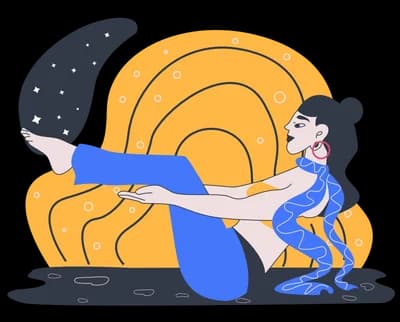
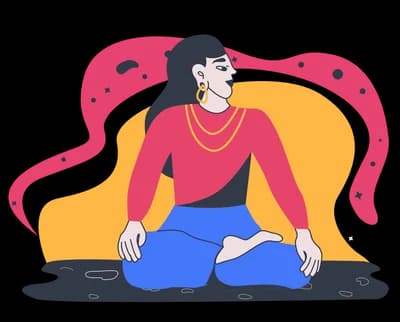
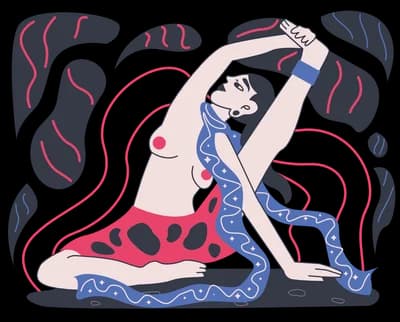
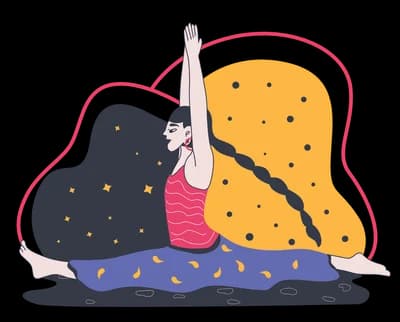
Supine and Prone — Core Without Legs Underneath You
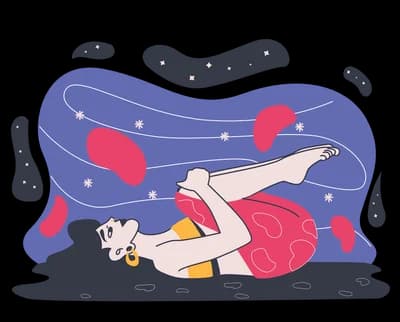
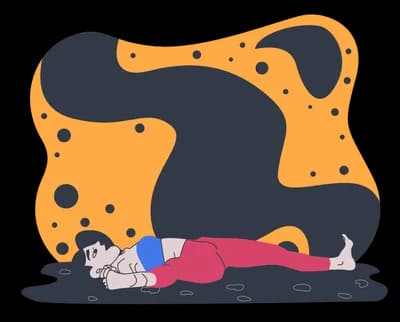
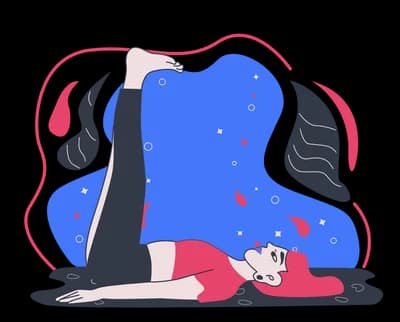
Kneeling and Inverted — Where the Core Meets the Spine


A 20-Minute Core Sequence
Same idea as always. Not five random poses, there's a build to it: arrive, build through poses that ask more of the core each time, meet something that holds nothing back, then let the spine open the other way before you finish lying down.
- 3
 Side Plank Pose5 breaths each side
Build. The core carries the whole line of the body, side to side.
- 6
 Knees to Chest Pose2 minutes
Close. Knees to chest, the classic ending for anything that worked the lower back.

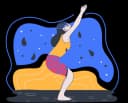
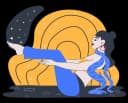

Boat Pose sits at the centre of this one on purpose. Everything before it builds toward that kind of exposed, no-excuses hold, and everything after it undoes what it asked for. Core work without a release afterward just leaves the lower back tight.
For yoga teachers
Teaching a class for Core Strength
Build your own
Put together your own class for Core Strength
The sequence builder gives you all 108 asanas and lets you arrange them yourself. While you build, it watches the shape of the class: whether the intensity rises and falls the way a practice should, whether every strong pose gets its counterpose, and whether the order makes anatomical sense.
Save what you build, come back to it, and teach it. It is the fastest way to turn what you just read into a class of your own.