
Spinal Mobility
Yoga for Spinal Mobility Because the Spine Isn't Built to Sit Still
The spine can bend forward, bend back, twist, and bend to each side, four directions it evolved to move through regularly, and a desk chair asks for exactly one of them, if that. Sitting for eight hours doesn't just make the back stiff. It slowly narrows the range the spine still remembers how to use.
This page is organized around that idea directly: forward folds for flexion, backbends for extension, twists for rotation, and a couple of inversions that put the spine through its full length in a completely different relationship to gravity. A spine that only ever does one of these gets worse at all four, even the one it practises.
There isn't a single traditional centre this maps to, the spine runs through most of them at once, the whole channel yoga calls Sushumna. Practically, the point is simpler, move it in every direction it's built for, regularly, not just the one direction a chair allows.
Who this guide is for
Signs this guide was written for you
The asanas
The yoga poses that matter for Spinal Mobility
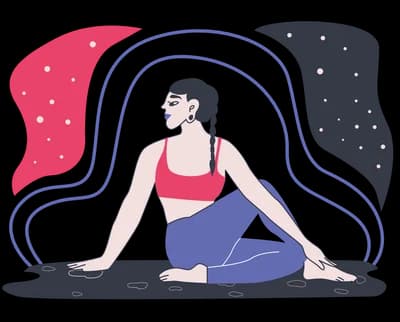
Twists — Rotation Through the Whole Spine



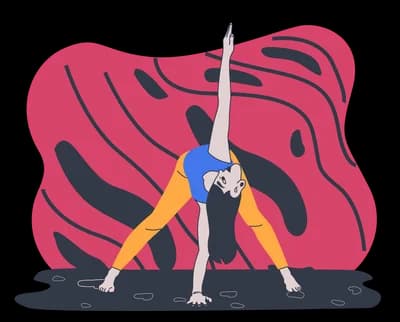

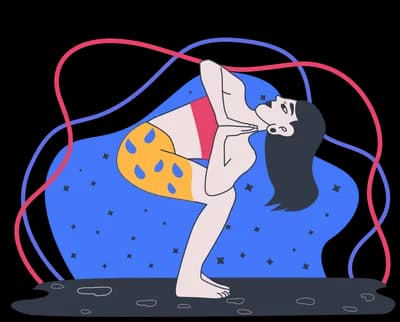

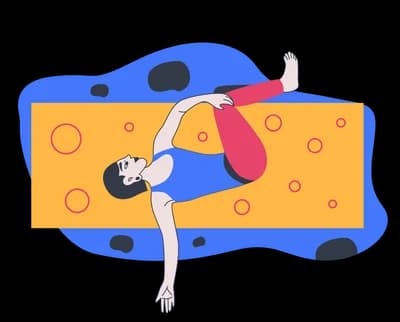
Forward Folds — Flexion





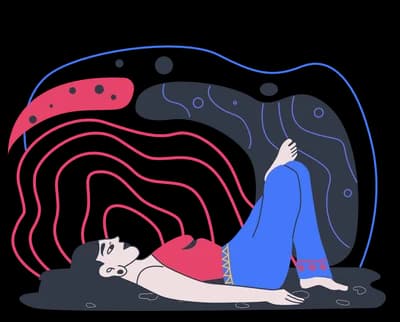


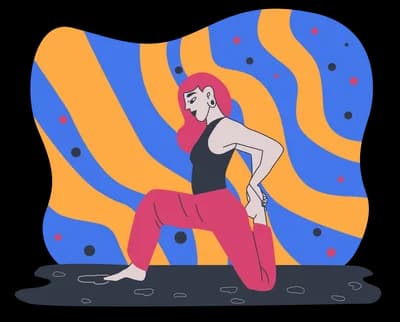
Backbends and Extension

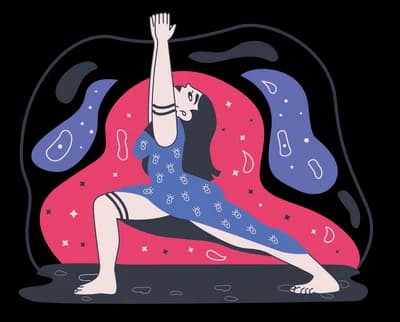

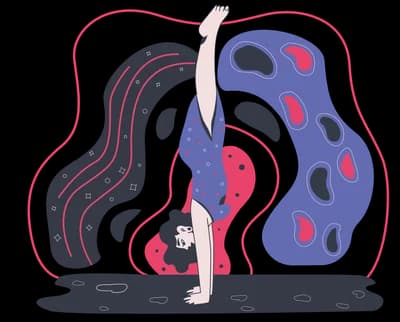
Inversions — The Spine Upside Down

A 20-Minute Spinal-Mobility Sequence
Same idea as always. Not five random poses, there's a build to it: arrive, fold, then extend, then meet the deepest twist of the practice, then finish with a passive version of the same rotation lying down.
- 1
 Butterfly Pose1 minute
Arrive. A gentle seated shape, settling before anything more demanding starts.
- 4
 Half Lord of the Fishes5 breaths each side
Peak. A deep seated twist, the spine finally doing the rotation it rarely gets.
- 5
 Reclining Belly Twist1 minute each side
Release. The same rotation, passive this time, gravity doing the work.



The practice moves the spine through three of its four directions on purpose, fold, then extend, then twist, before finishing with a passive version of the same rotation lying down. A spine that only ever does one of these tends to get stiffer in all of them, not just the one it skips.
For yoga teachers
Teaching a class for Spinal Mobility
Build your own
Put together your own class for Spinal Mobility
The sequence builder gives you all 108 asanas and lets you arrange them yourself. While you build, it watches the shape of the class: whether the intensity rises and falls the way a practice should, whether every strong pose gets its counterpose, and whether the order makes anatomical sense.
Save what you build, come back to it, and teach it. It is the fastest way to turn what you just read into a class of your own.