Fascia & Overall Flexibility
Yoga for Fascia and Flexibility in the Web Under the Muscle
For a long time, stretching was taught muscle by muscle, hamstring here, hip flexor there, as if each one worked alone. It doesn't. Underneath and around every muscle runs a continuous web of connective tissue, fascia, that connects the sole of your foot to your scalp in a handful of long, unbroken lines.
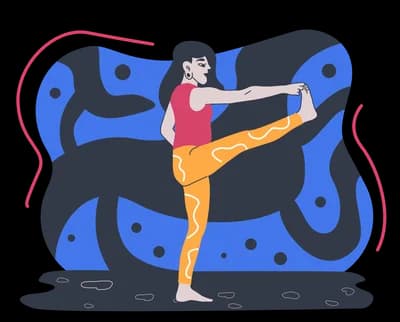
That changes what an effective stretch looks like. Instead of isolating one muscle, a lot of these poses pull on a long diagonal line through several joints at once, the back of one leg into the opposite hip, one hand to the opposite foot. Fascia also responds differently than muscle does, more to sustained, gentle holding than to a hard, quick stretch.
This one's mostly anatomy rather than tradition. Hold these shapes longer than feels efficient, and be patient. Fascia changes on its own schedule, usually slower than muscle does.
Who this guide is for
Signs this guide was written for you
The asanas
The yoga poses that matter for Fascia & Overall Flexibility
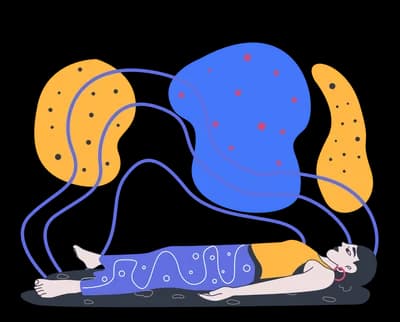
Lying Down — Long Lines and Rest


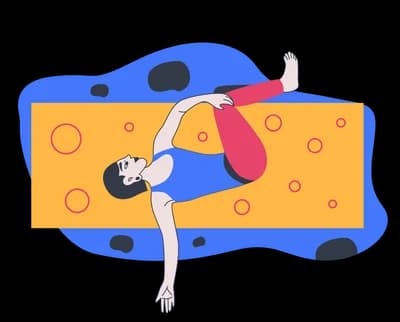
Standing — Diagonal Stretches

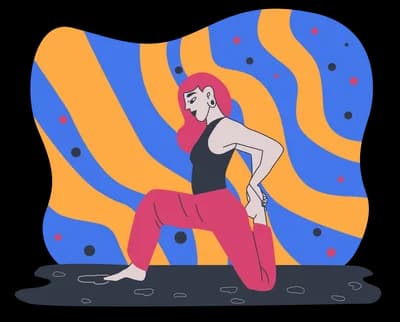
Kneeling — Slow, Sustained Release

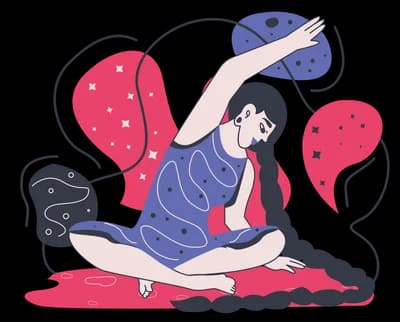
Seated — Patience Over Force



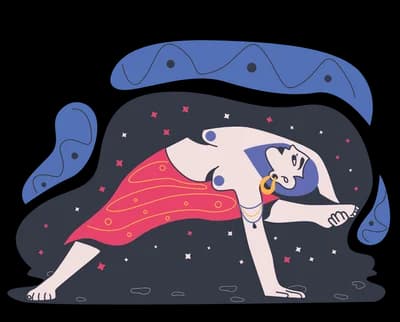
Arm Support — Stretch Under Load
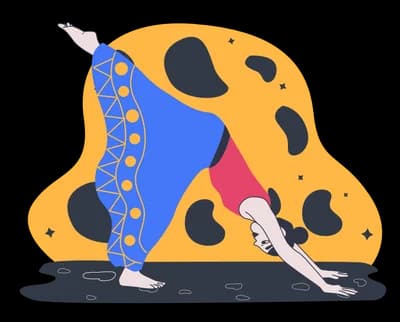
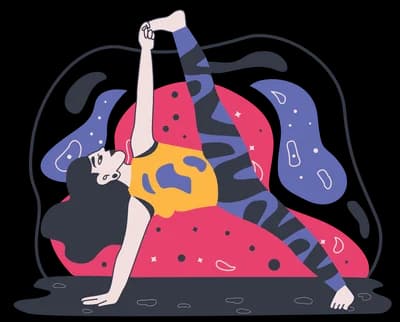
A 20-Minute Fascia-Flexibility Sequence
Same idea as always. Not five random poses, there's a build to it: arrive with slow movement, stretch the back line, then a diagonal, meet the longest, most intense line of the practice, then let the whole thing settle lying down.
- 1
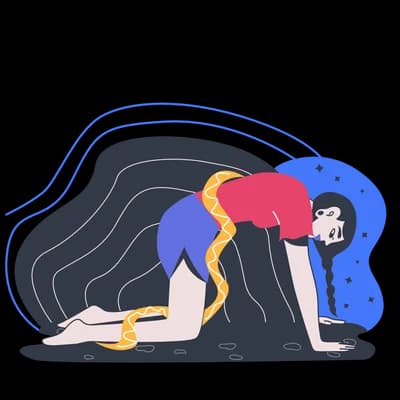
 Cat Pose8 rounds
Arrive. The whole back line moving slowly, one continuous wave rather than one vertebra at a time.
- 3
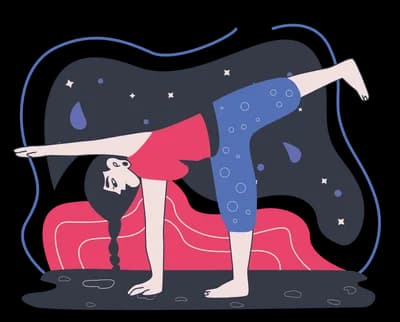
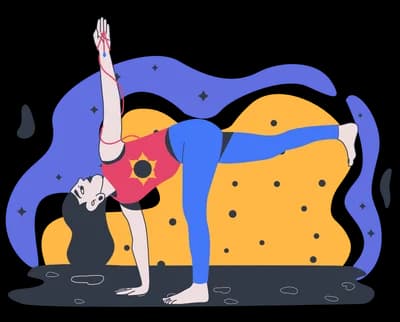
 Half Moon Pose5 breaths each side
Build. A diagonal line from the standing foot through the raised leg and arm.
- 6
 Corpse Pose5 minutes
Close. Letting the tissue settle into its new length rather than rushing off the mat.
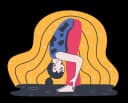


Each pose here reaches a slightly different long line through the body, the back line, a diagonal, a full side. Fascia responds to that variety, and to time, more than to a single stretch held hard and briefly.
For yoga teachers
Teaching a class for Fascia & Overall Flexibility
Build your own
Put together your own class for Fascia & Overall Flexibility
The sequence builder gives you all 108 asanas and lets you arrange them yourself. While you build, it watches the shape of the class: whether the intensity rises and falls the way a practice should, whether every strong pose gets its counterpose, and whether the order makes anatomical sense.
Save what you build, come back to it, and teach it. It is the fastest way to turn what you just read into a class of your own.