
Type 2 Diabetes
Yoga for Type 2 Diabetes and Blood Sugar
Muscle takes glucose out of the blood while it works, and it does that without needing insulin to open the door. That single fact is why movement is part of diabetes care, and it is also why the yoga that helps here looks different from the yoga in a stress guide.
This guide is the specific version of that. Which poses the effective trials used, why the practice is active rather than restorative, how yoga compared when it was tested directly against walking, and the three adjustments that depend on your own complications.
Who this guide is for
Signs this guide was written for you
What causes Type 2 Diabetes
A working muscle takes sugar out of the blood without asking insulin for permission.
Safety
When to practise and when to get it looked at
How to practise so it works
The asanas
The yoga poses that matter for Type 2 Diabetes
Poses that make the big muscles work





Twists through the middle


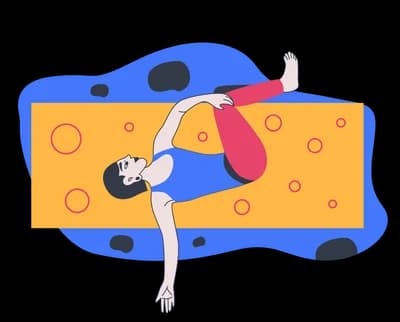


Back bends across the front of the body





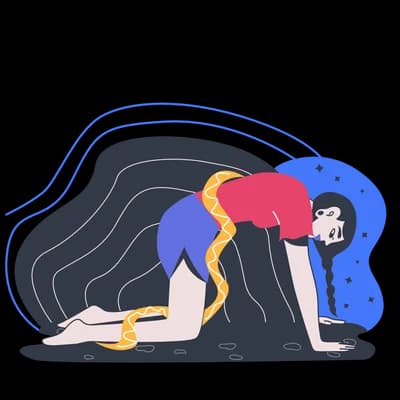
Where the session settles




For yoga teachers
Teaching a class for Type 2 Diabetes
Hand made yoga sequences for Type 2 Diabetes
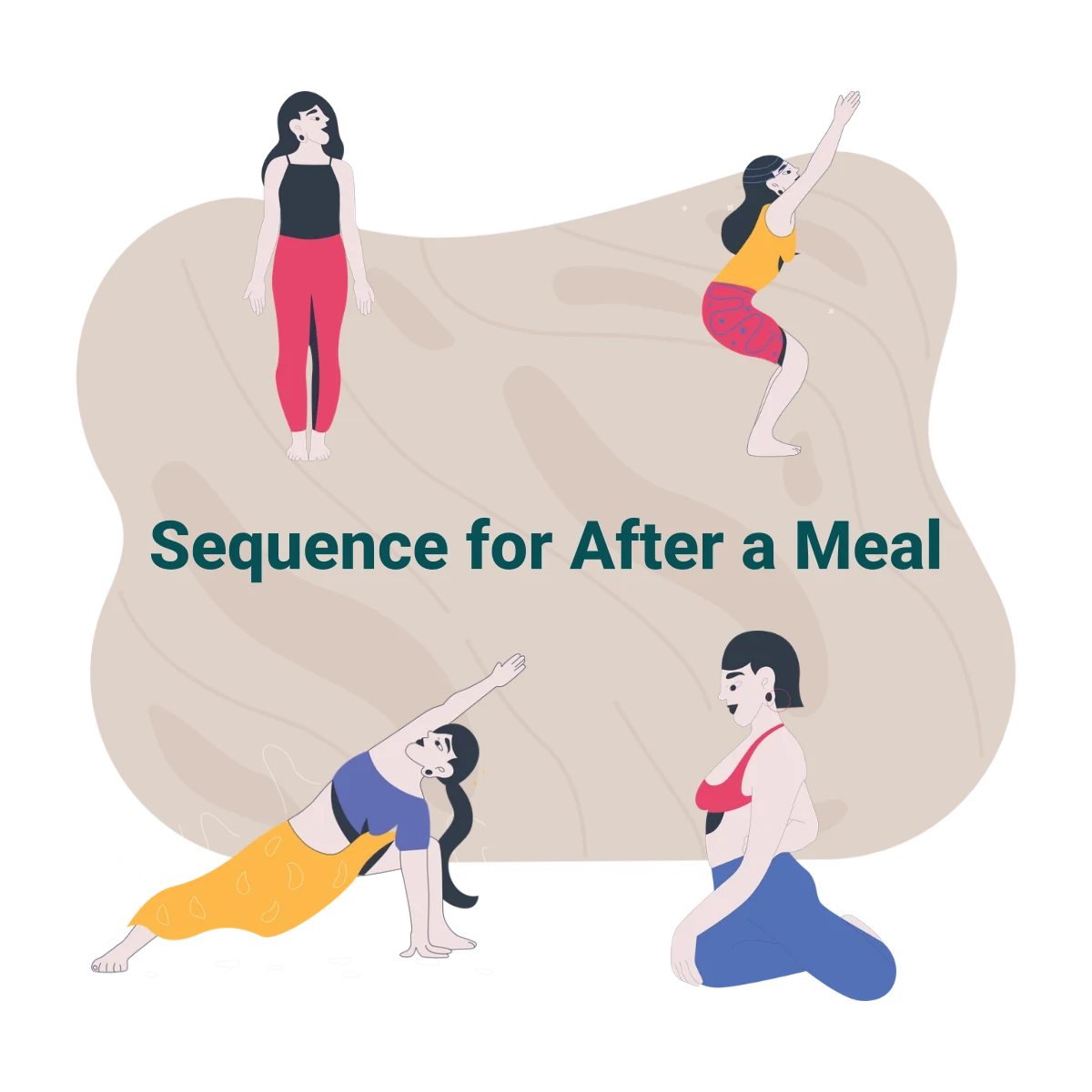
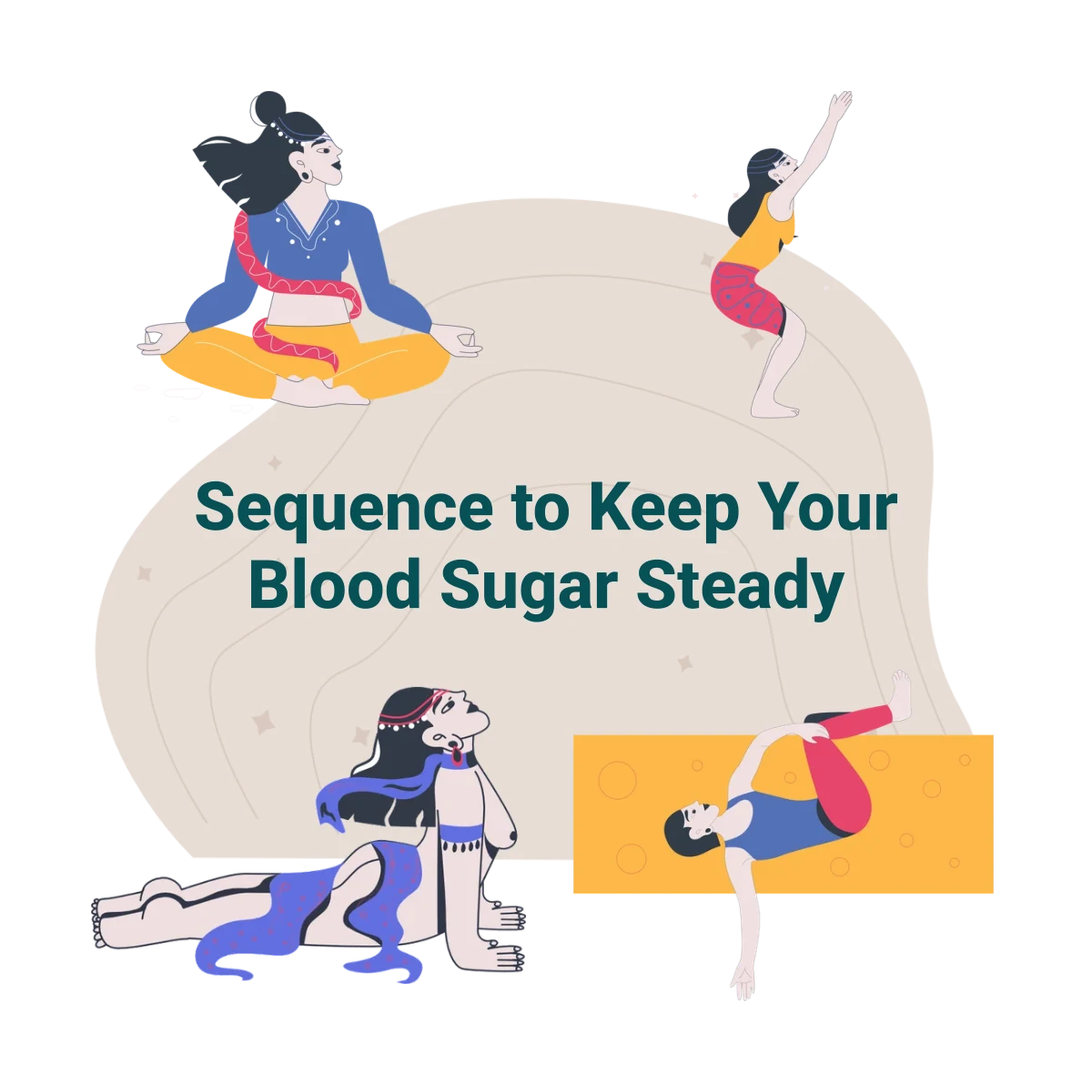
Full sequences you can teach or practise today
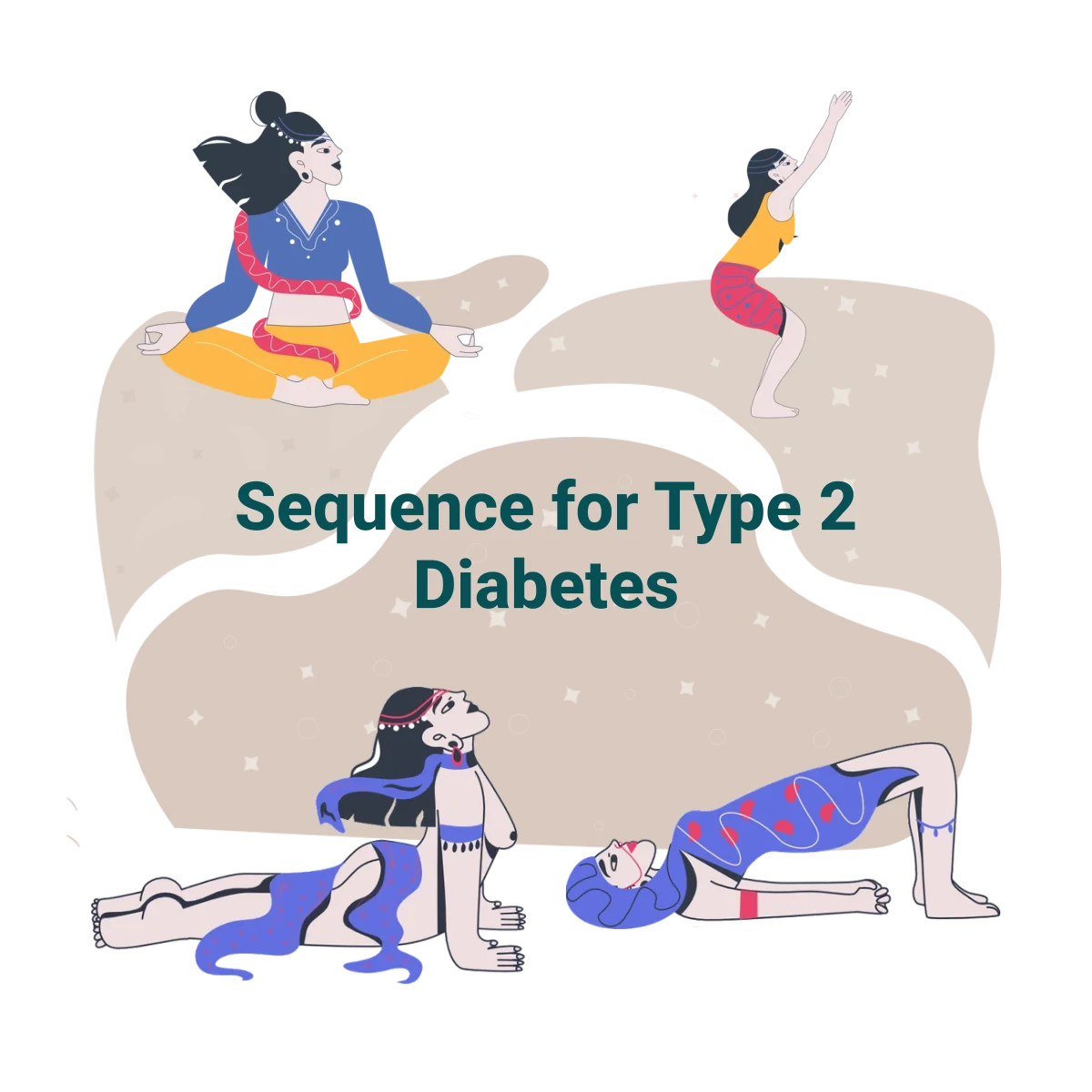
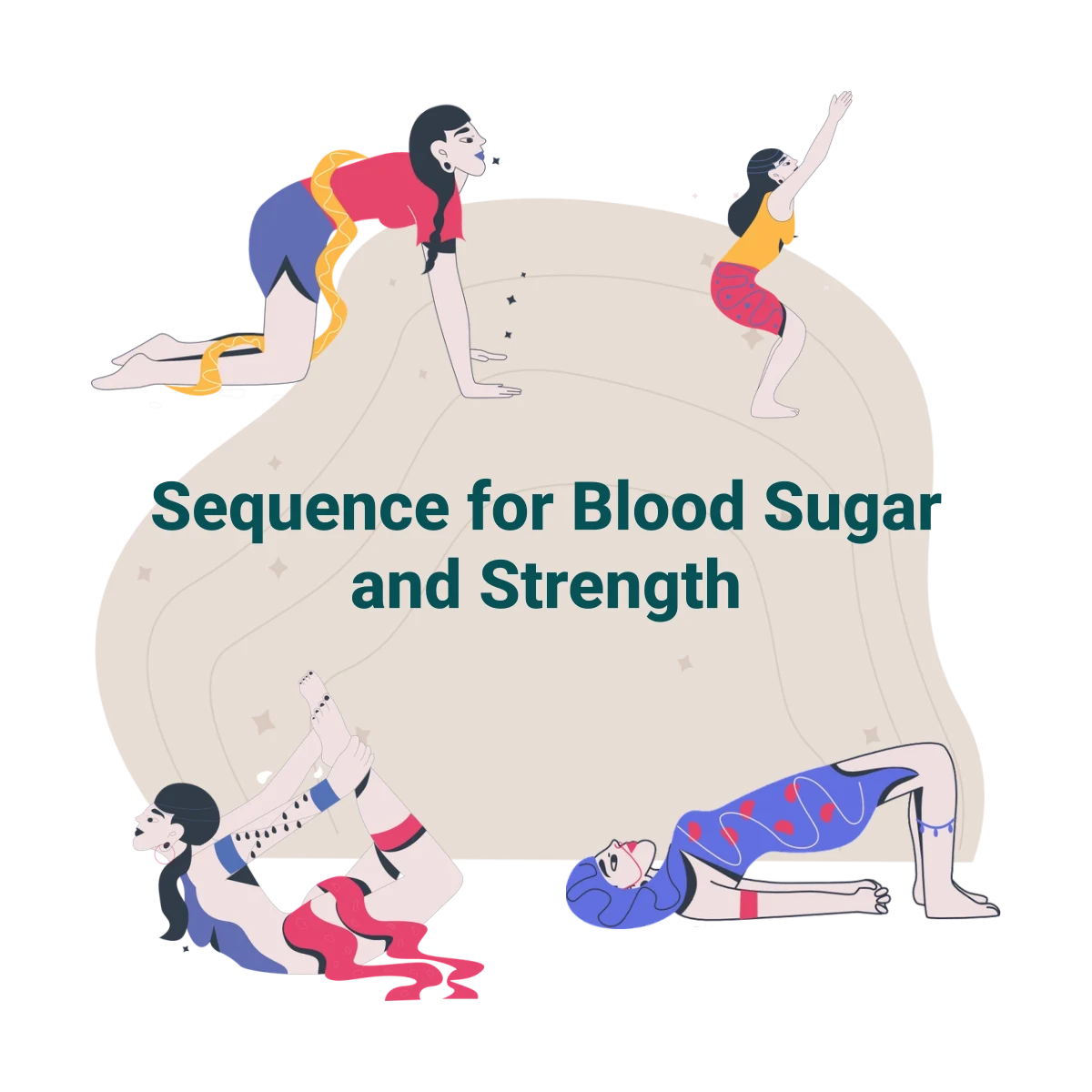
Build your own
Put together your own class for Type 2 Diabetes
The sequence builder gives you all 108 asanas and lets you arrange them yourself. While you build, it watches the shape of the class: whether the intensity rises and falls the way a practice should, whether every strong pose gets its counterpose, and whether the order makes anatomical sense.
Save what you build, come back to it, and teach it. It is the fastest way to turn what you just read into a class of your own.
The research
What the studies actually found
This is one of the better replicated results in therapeutic yoga. Twelve trials with 864 people found fasting glucose down 23.7 mg/dl and HbA1c down 0.47 percentage points, and two larger analyses since have found 0.6 to 0.7. The most interesting one put yoga up against walking across 16 trials and 1,820 people and found yoga ahead on fasting glucose, post meal glucose, HbA1c and fasting insulin. And the most detailed single trial documents its entire protocol pose by pose, with HbA1c falling from 8.17 to 6.95 percent in twelve weeks.
Effects of yoga in adults with type 2 diabetes mellitus: A meta-analysis
Read the source →The Effect of Yoga and Gastro-Hepatic Pack on Type 2 Diabetes Mellitus: a four-arm randomised controlled trial
Read the source →Yoga Programme for Type 2 Diabetes Prevention (YOGA-DP) Among High-Risk People: a multicentre feasibility randomised controlled trial
Read the source →