Arm & Shoulder Strength
Yoga for Arm Strength and Holding Your Whole Weight on Your Hands
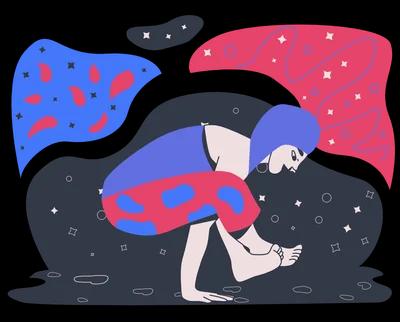
There is a moment in Crow Pose when your feet leave the floor and nothing holds you up except your hands and the strength between your shoulders. It is usually shorter than you hoped. You land a little surprised that it happened at all. This page is about that moment.
Nearly every pose here is an arm balance, and that is no coincidence. Arm and shoulder strength in yoga has little in common with what a gym trains. There are no curls and no presses. Instead your shoulders learn to stay steady while carrying your body weight at an awkward angle, and the muscles doing that job are small, deep and easy to neglect.
The list is also unusually heavy at the hard end. Seven of these nine poses are advanced. That tells you something true about this goal: in yoga, arm strength tends to arrive late, once the wrists, shoulders and core have each had time to catch up with your ambition.
Who this guide is for
Signs this guide was written for you
The asanas
The yoga poses that matter for Arm & Shoulder Strength
Warrior II and Plank: teaching the shoulders to hold
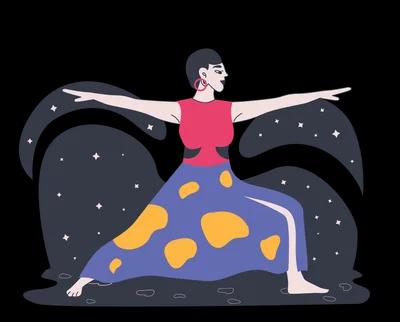
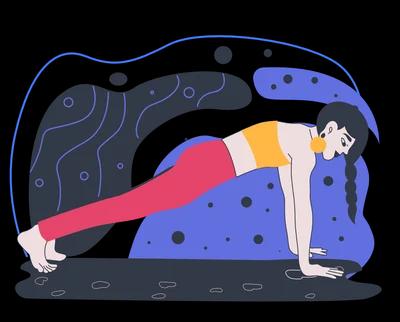
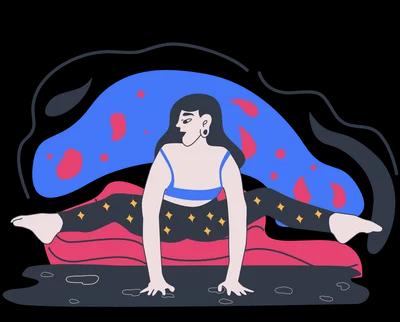
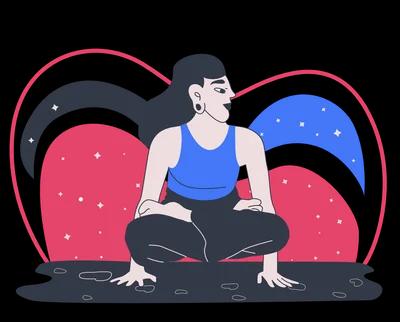
Crow and Side Crow, the first real arm balances
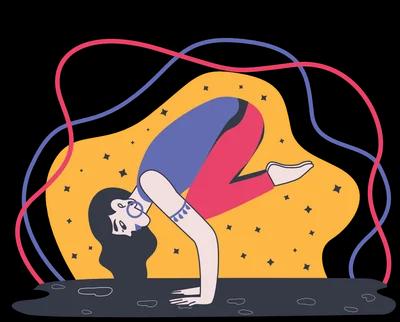
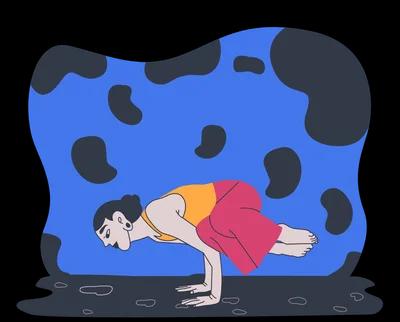
Deeper arm balances with the legs lifted
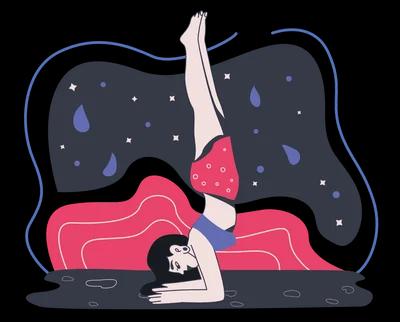
Forearm Stand and Wild Thing: two different shoulder demands
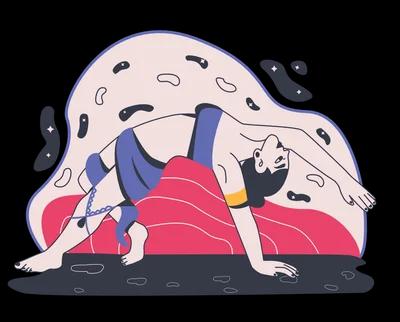
A 20-Minute Arm and Shoulder Sequence
The arm balances further down this page are advanced, and this sequence is upfront about that. It works through the accessible end of the list and stops at Side Crow, without reaching for Firefly on a first attempt.
- 1
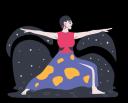 Warrior II6 breaths each side
Arrive. The shoulders hold a long line before anything asks them to carry weight.
- 2
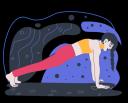 Plank Pose5 breaths, 3 rounds
Build. The alignment every arm balance that follows depends on, practised with both feet still on the floor.
- 3
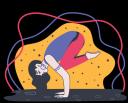 Crow Pose3 attempts, a few breaths each
Build. The first time your feet leave the floor. Several short holds beat one long, strained one.
- 4
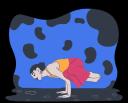 Side Crow Pose3 breaths each side
Peak. The same balance with a twist. Your weaker side will show itself quickly.
- 5
 Wild Thing4 breaths each side
Release. The chest opens after all that forward rounding, and the shoulder works the other way.
Arm strength responds badly to force and well to repetition. Three short tries at Crow Pose in one practice will take you further than one long, strained hold, and your wrists in particular need that gentler approach. If Side Crow isn't there yet, stay with Crow and come back to this sequence in a few weeks.
For yoga teachers
Teaching a class for Arm & Shoulder Strength
Build your own
Put together your own class for Arm & Shoulder Strength
The sequence builder gives you all 108 asanas and lets you arrange them yourself. While you build, it watches the shape of the class: whether the intensity rises and falls the way a practice should, whether every strong pose gets its counterpose, and whether the order makes anatomical sense.
Save what you build, come back to it, and teach it. It is the fastest way to turn what you just read into a class of your own.