Balance & Stability
Balance Yoga for the Skill Nobody Practises Until They Need It
Balance isn't something most people think about until they lose it, a slip on ice, a missed step, catching yourself against a wall for no obvious reason. It's also one of the first physical abilities to quietly decline with age, well before strength or flexibility usually do, mostly because nobody trains it on purpose.
These poses work through a fairly specific mechanism, small, constant corrections made by the muscles around the ankle and the core, guided by input from the inner ear and from sensors in the joints themselves. Standing on one leg for thirty seconds is a genuine skill, and like most skills, it gets better with repetition and worse with neglect.
There's no chakra or vayu doing the heavy lifting here, this one's mostly mechanics. What yoga adds is a structured, repeatable way to practise something most people otherwise never train at all.
Who this guide is for
Signs this guide was written for you
The asanas
The yoga poses that matter for Balance & Stability
The Basics — Balance Starts With the Feet
One-Leg Balances That Build the Skill
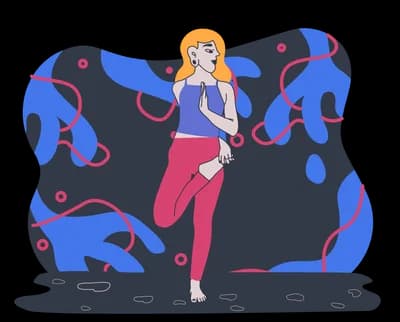
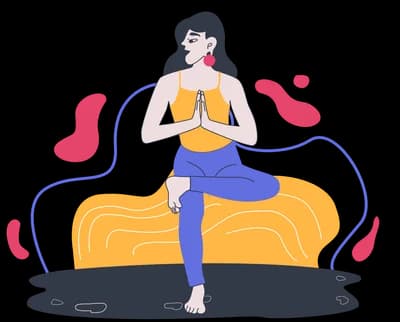
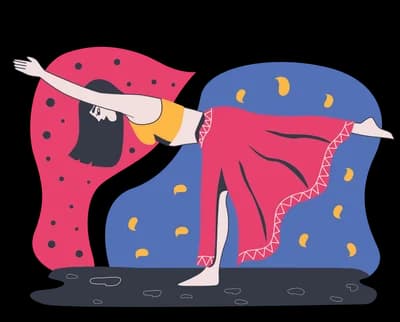
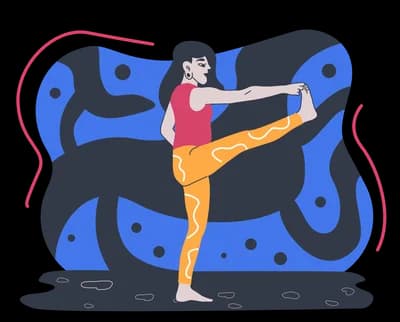
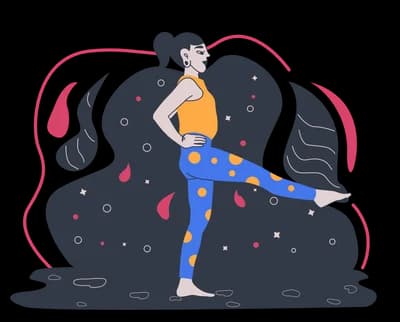
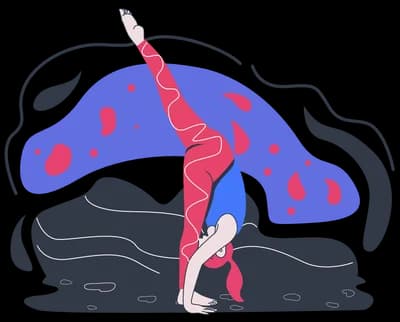
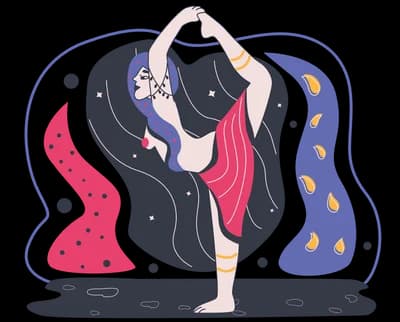
Balance Plus a Twist
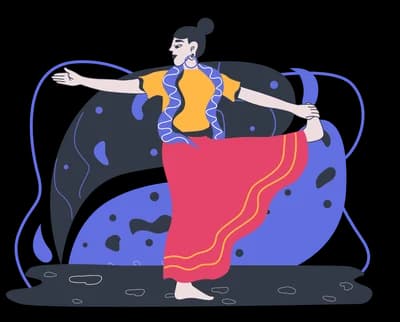
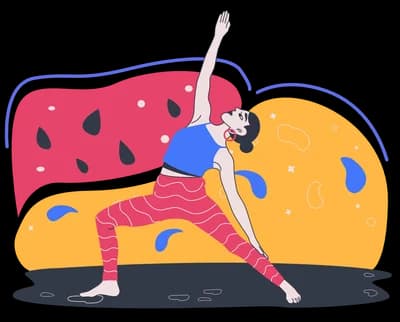
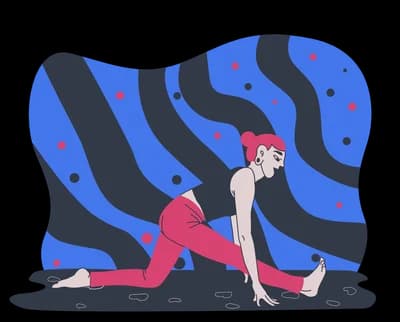
Lunges and Warriors — Wider Bases, Real Stability
Arm Balances — Balance Without Your Feet
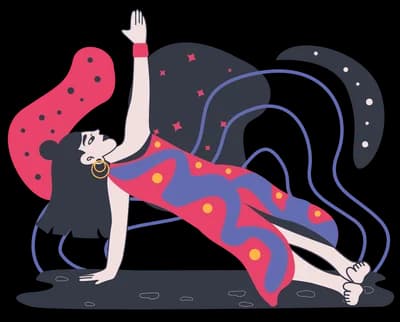
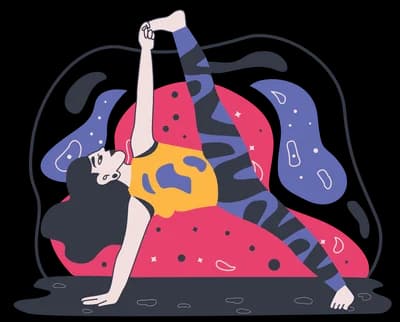
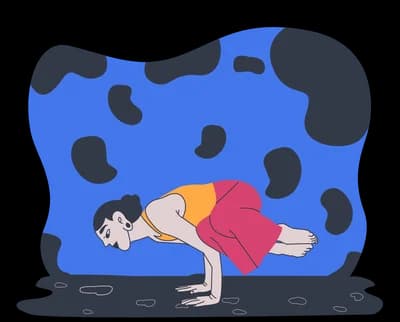
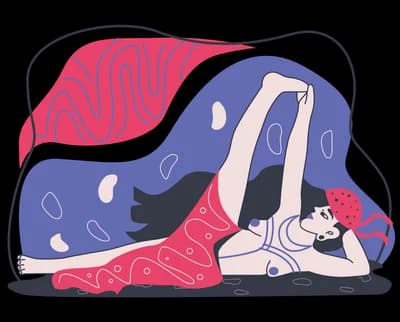
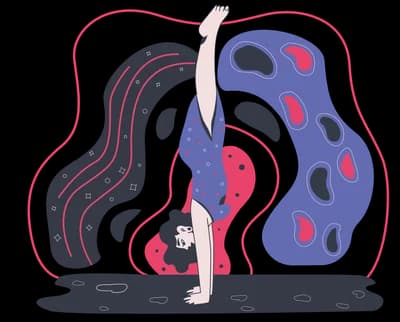
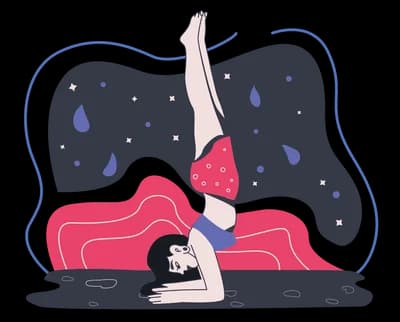
Supine and Inverted — A Different Kind of Balance
A 20-Minute Balance Sequence
Same idea as always. Not five random poses, there's a build to it: arrive on two feet, narrow the base with each pose, meet the pose that tips your centre of gravity furthest from your foot, then widen the base again before you finish.
- 1
 Mountain Pose1 minute
Arrive. Weight even across both feet, the reference point for everything after it.
- 2
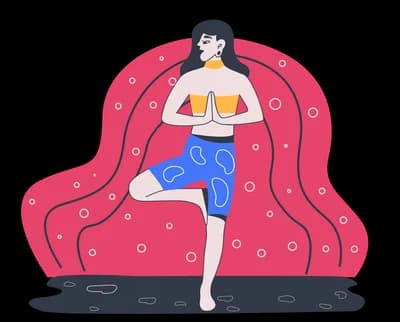
 Tree Pose5 breaths each side
Build. The standard entry point, one foot pressed into the standing thigh.
- 3
 Standing Hand-to-Big-Toe Pose5 breaths each side
Build. The passive support of Tree Pose is gone, the grip has to stay active.
- 4
 Warrior III5 breaths each side
Peak. The body tips forward until it's parallel to the floor, balanced on one leg alone.
- 5
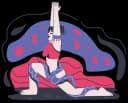 High Lunge5 breaths each side
Release. A wider base, lower stakes, the same stabilizing muscles working differently.

The base gets progressively smaller through the middle of the practice, two feet, one foot, one foot with the body tipped forward, and then wider again by the end. Balance training works best with that kind of variation, not just repeating the hardest version over and over.
For yoga teachers
Teaching a class for Balance & Stability
Build your own
Put together your own class for Balance & Stability
The sequence builder gives you all 108 asanas and lets you arrange them yourself. While you build, it watches the shape of the class: whether the intensity rises and falls the way a practice should, whether every strong pose gets its counterpose, and whether the order makes anatomical sense.
Save what you build, come back to it, and teach it. It is the fastest way to turn what you just read into a class of your own.