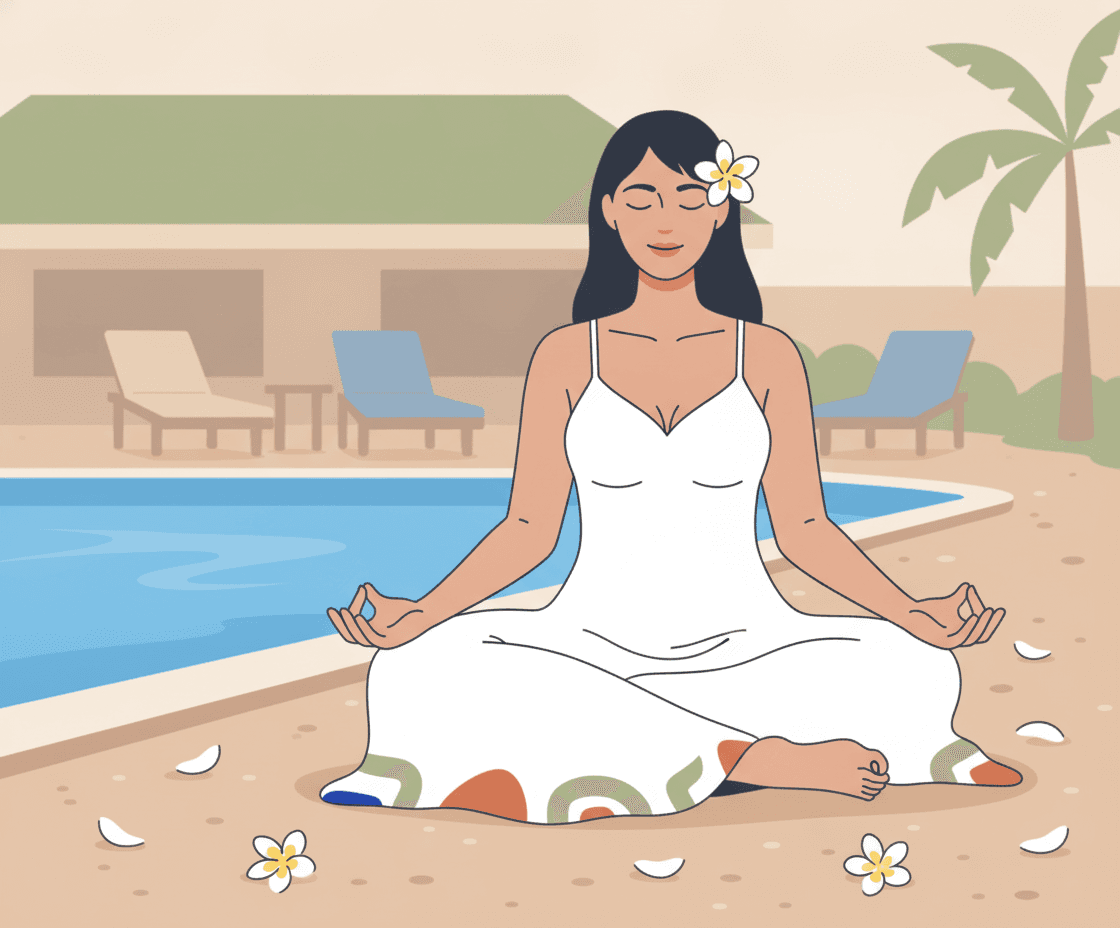
Ayurveda hotels in Germany offer what used to require a long flight to Kerala, without the flight hours, the jet lag and the months of planning. You get the Indian system of medicine in its complete form: individualised nutrition, therapeutic massage and a philosophical understanding of your own constitution. The part that matters is this. You do not just learn that Ayurveda is relaxing, you learn how it works, how to recognise your dosha, how to restart your digestion and how to rebuild your inner balance step by step. That goes deeper and lasts longer than a conventional spa break.
Ayurveda hotels in Germany: authentic wellness at European standards
Germany worked out some time ago that Ayurveda is not simply a spa trend imported from India. The growing demand for holistic wellness resorts shows that people want more than surface level relaxation. They are looking for regeneration on every level. A study published on PubMed on the perception and use of Ayurveda in Germany documents for the first time how far that interest has grown, and how specific people's expectations have become.
The number of Ayurveda wellness resorts in Germany has risen sharply over the past few years. Established houses such as the Ayurveda Parkschlösschen, Europe's only five star hotel devoted exclusively to authentic Ayurveda cures, now sit alongside the Maharishi Ayurveda Privatklinik Bad Ems, Europe's largest Ayurveda clinic, and newer retreats such as the Wellnessdorf Sagasfeld in the Lüneburg Heath or Kunzmann's Hotel in Bad Bocklet. Places are appearing everywhere that combine traditional Indian medicine with European infrastructure. That is no accident. European guests want the philosophical depth of Ayurveda, but they also want the reassurance that standards are met, that doctors are on site, that the hygiene holds up.
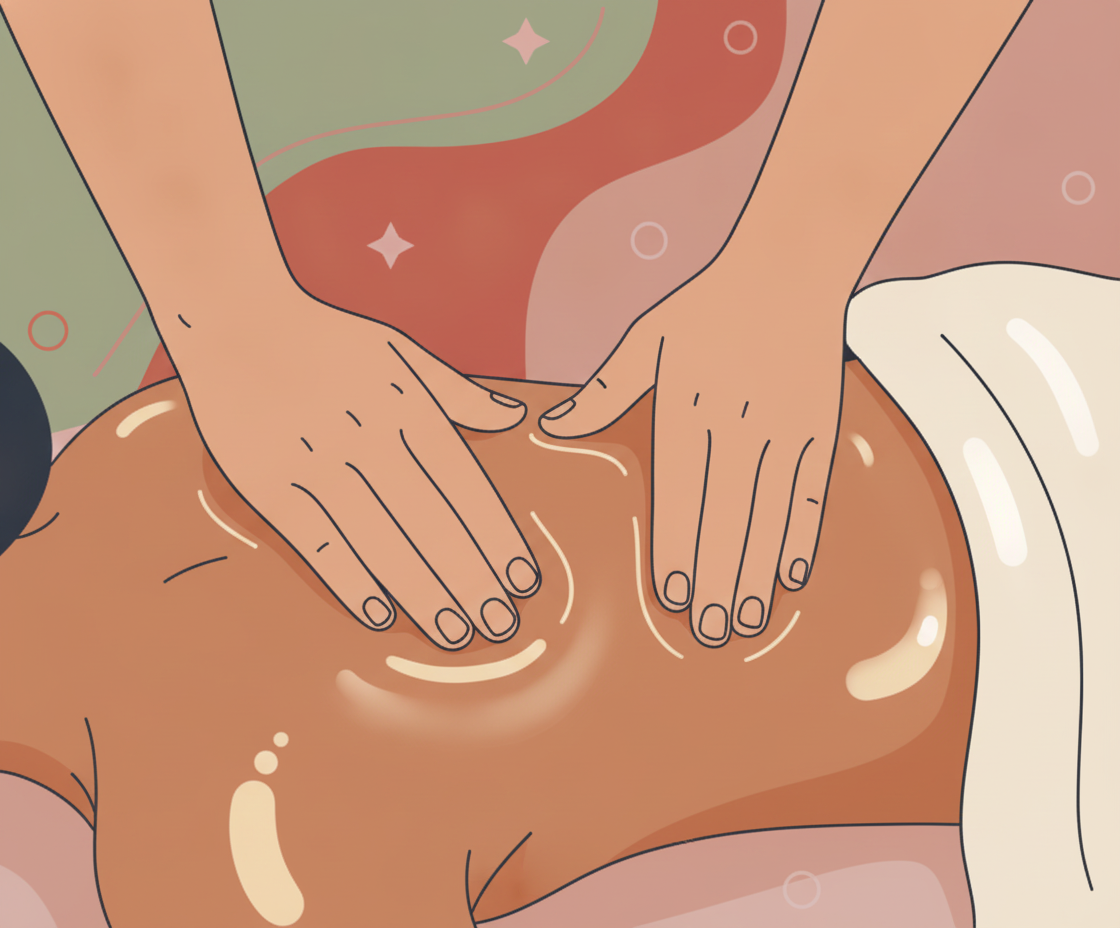
Woman receiving Abhyanga oil massage on a wellness mat
What makes German Ayurveda resorts different?
German Ayurveda cures combine the best of both worlds. They work with classical Panchakarma protocols, the deep cleansing detoxification treatments, but they run them alongside Western diagnostics, medical supervision and modern wellness infrastructure. In practice that means your nervous system is regulated through Ayurvedic oil massage, meditation and pranayama, the control of the breath. At the same time a doctor on site monitors your vital signs and works with your individual constitutional type. A house like the Maharishi Ayurveda Privatklinik Bad Ems shows exactly that standard: award winning therapeutic depth coupled with clinical supervision.
The role of professional standards and certification
Here is the thing. Not everyone who gives an oil massage actually understands Ayurveda. German Ayurveda treatments stand out through their certification and their therapeutic depth. Professional resorts work with trained Ayurveda therapists who can identify doshas, your energetic constitutional types, and adjust nutrition, movement and remedies on that basis. That is precision rather than generality. The Rosenberg Ayurveda Zentrum, named best Ayurveda centre at the 2025 DACH Spa Award, embodies exactly that standard: specialisation rather than a bit of everything. Your metabolism does not normalise because you are relaxed. It normalises because the treatment is aimed specifically at your imbalances. Houses such as the Ayurveda Parkschlösschen, working in this field for more than thirty years, and the Wellnessdorf Sagasfeld, which looks back on three decades of Ayurveda experience of its own, show what long term specialisation buys you. It buys the reliability that European patients need.
Europe's five star Ayurveda standard: the Ayurveda Parkschlösschen
Exclusive cure programmes and therapeutic depth
The Ayurveda Parkschlösschen is Europe's only five star Ayurveda health resort, and that is not a marketing line. It is a structural fact. You are not working with spa therapists here but with qualified Ayurveda practitioners who assess your constitution (Prakriti) and your current imbalances (Vikriti) through classical diagnostic methods such as pulse and tongue diagnosis. The cure programmes are not predefined packages. They are adjusted daily to how you respond.
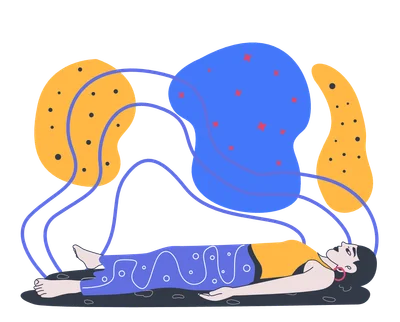
The therapeutic depth shows up in the details. While you rest in Savasana (Corpse Pose), the closing deep relaxation posture that seals every treatment cycle, your digestive fire is being strengthened, the load on your nervous system is measured and your sleep quality is analysed. The resort offers full Ayurveda wellness resort programmes running over two to four weeks, designed not just to ease symptoms but to restore the underlying metabolic balance.
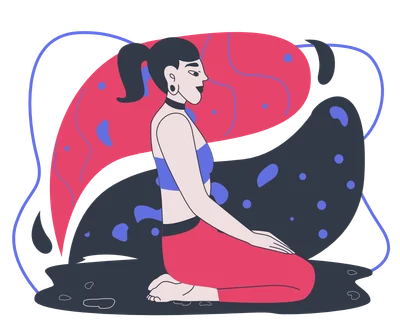
The difference is fundamental. A wellness hotel gives you an oil massage and a relaxation class. Pleasant, but it stays on the surface. A real Ayurveda spa hotel like the Parkschlösschen anchors you in natural rhythms. You wake at sunrise, practise Vajrasana (Thunderbolt Pose) to centre yourself, eat meals matched to your constitution at precisely defined times and rest at the right point in the day. Your Ayurveda treatment follows the rhythm of your doshas, not the rhythm of a holiday schedule.
What sets a health resort apart is that regeneration does not happen by chance. It happens systematically. An Ayurveda cure at the Parkschlösschen costs between 3,500 and 6,500 euros per week, and that price reflects the clinical infrastructure behind it: medical diagnosis, individualised cure plans, continuous monitoring. It is an investment in genuine healing rather than a holiday with extras attached.
A person practicing child's pose yoga.
Holistic wellness villages: yoga, Ayurveda and nature together
Sagasfeld in the Lüneburg Heath as a model
There is another way to do this. Instead of single rooms in a clinical building, a genuine wellness village. The Rundlingsdorf Sagasfeld in the Lüneburg Heath shows how holistic regeneration works when architecture, community and landscape line up. The houses here are arranged in a ring around a village square. Not hierarchical, not anonymous.
The difference is psychologically measurable. If you wake up in an Ayurveda hotel and look out of the window onto fields and woodland rather than onto hotel corridors, your nervous system starts settling before you are even out of bed. The surroundings work like a mild sedative, without the chemistry. There is a second effect too. In a village you are not practising alone. The guest next to you is doing yoga as well, your neighbour is also sitting down to an Ayurvedic breakfast. That quiet sense of company makes the whole process of regeneration considerably stronger.
The body as a route into regeneration
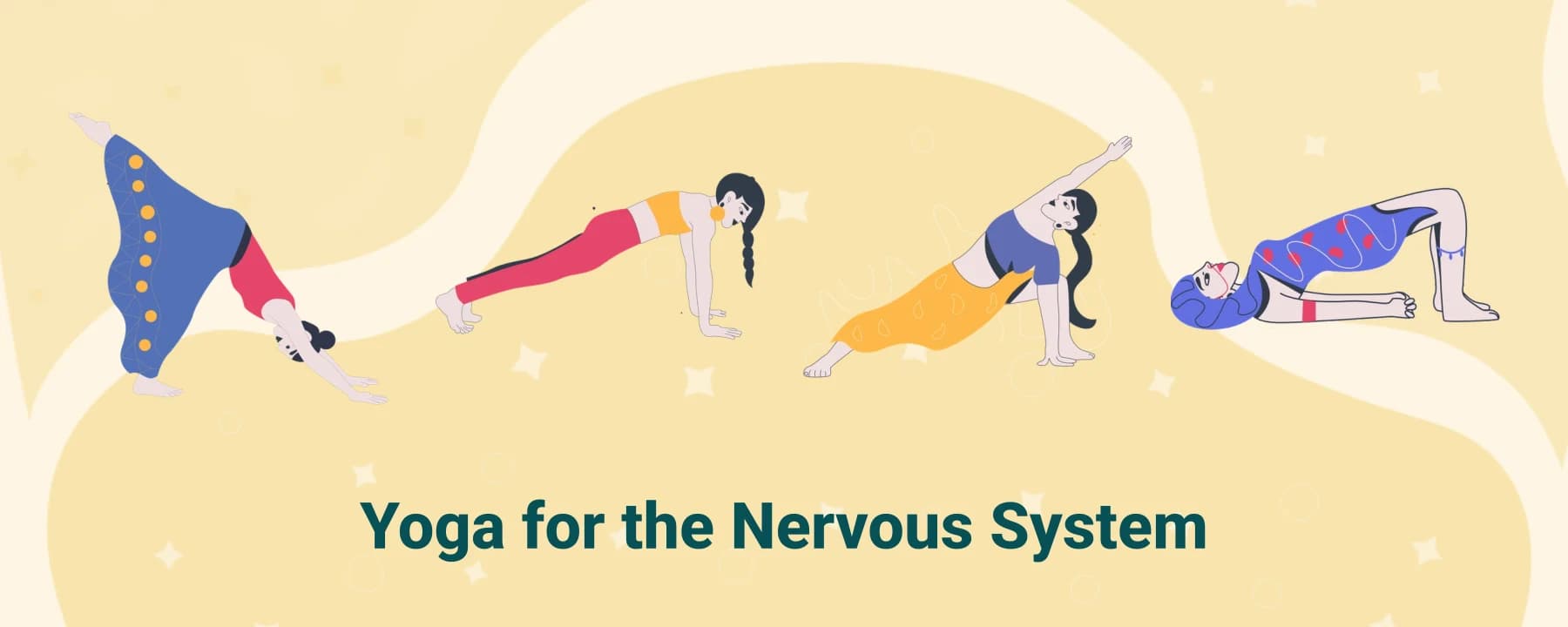
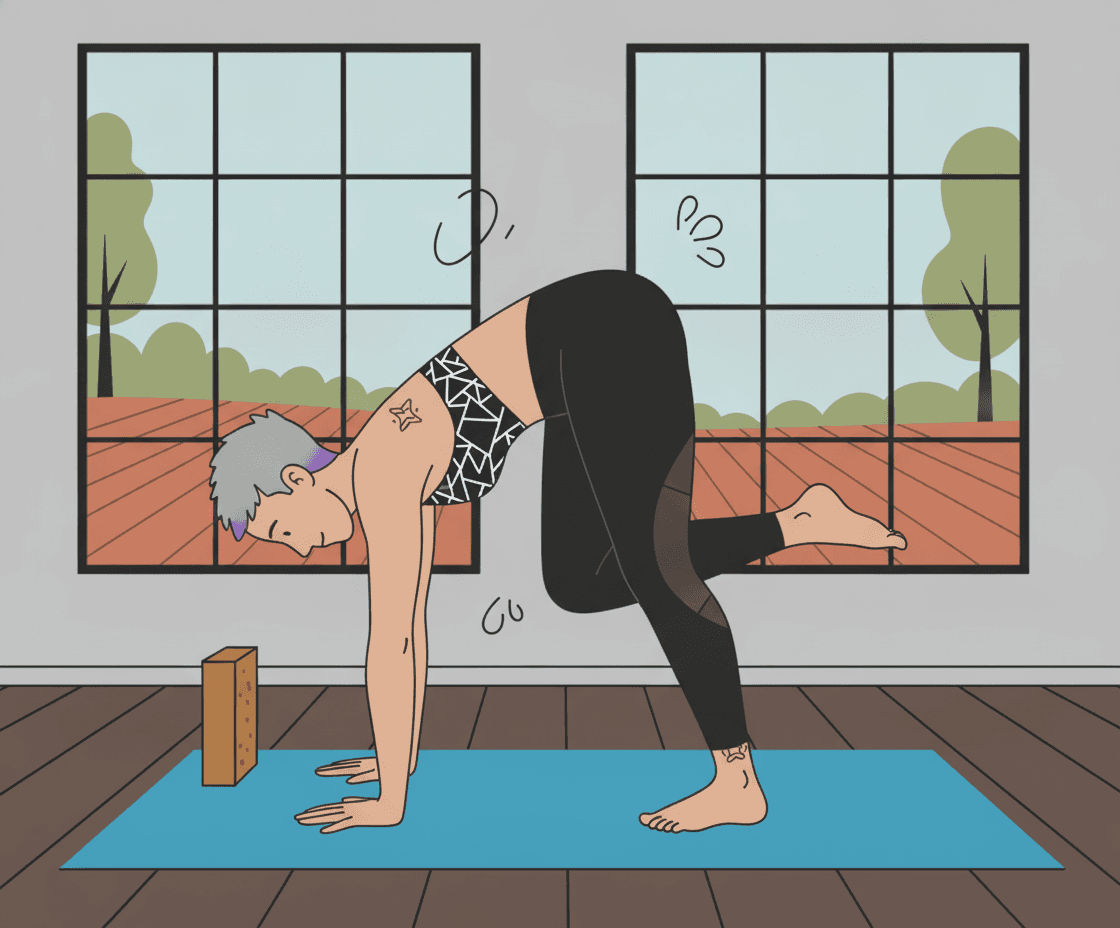
Ayurveda does not work in the abstract. It uses asanas, physical postures, as a direct route into deeper relaxation. The classical day in an Ayurveda retreat starts early: pranayama before sunrise, then flowing sequences to wake the body up, then the turn towards rest. This is where Vajrasana, the Thunderbolt Pose, earns its place. This classical meditation posture draws energy inwards and prepares the body for deep states of rest.
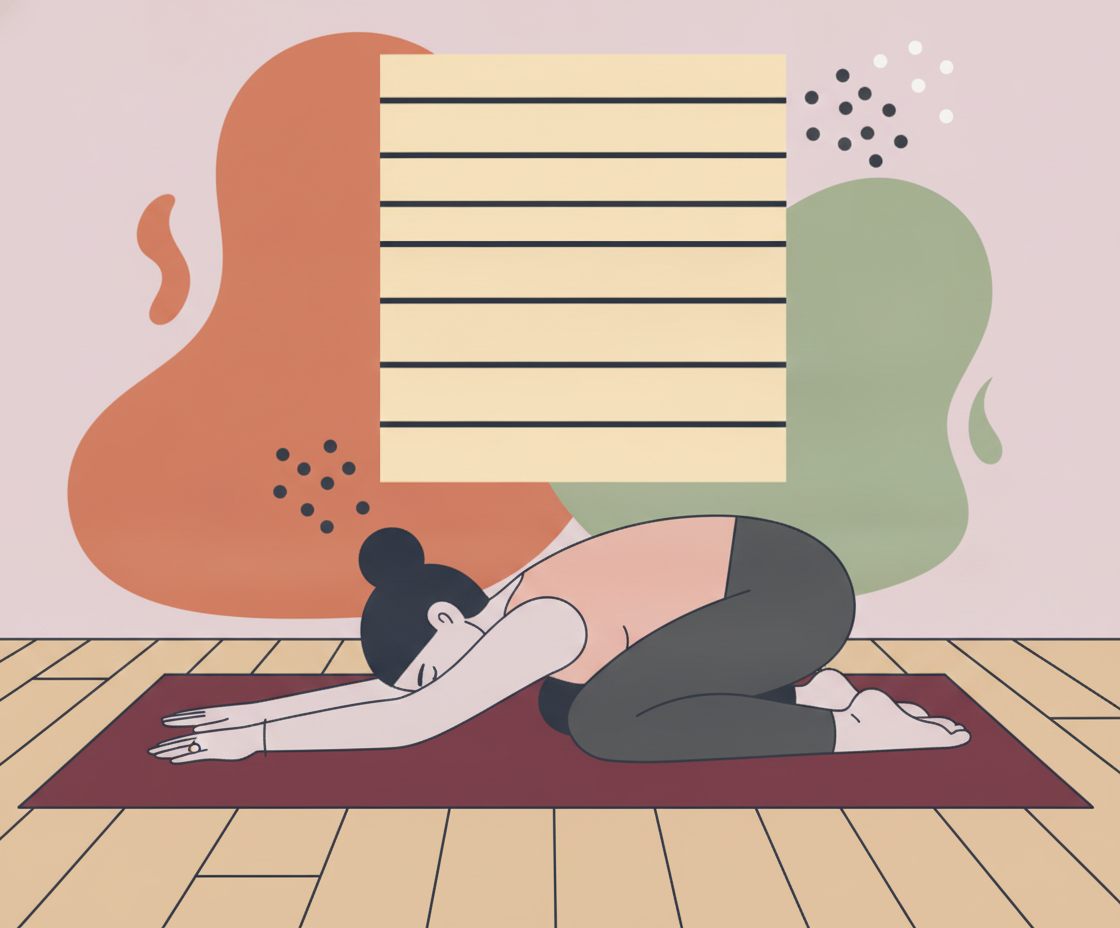
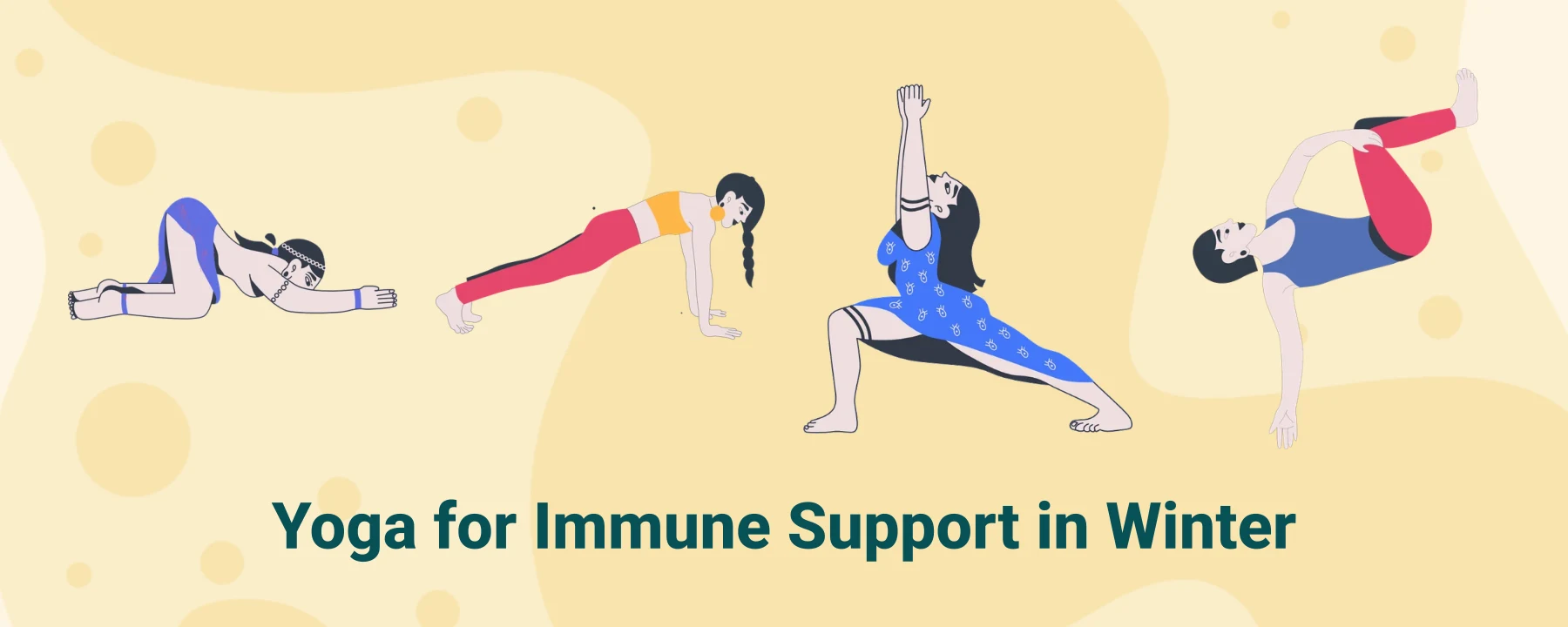
After the midday rest, the Pitta hour that Ayurveda treats as healing, comes Balasana, Child's Pose. This restorative posture signals to your nervous system that recovery is now the task. The body folds forward, the forehead meets the floor, the breath slows on its own. Practised regularly, Balasana encourages deep relaxation and fits the regenerative aims of a wellness retreat exactly. An Ayurveda spa hotel that understands this rhythm and builds its day around it is working with your biology instead of against it.
Regional highlights: Bad Füssing, Usedom and newer destinations
Traditional spa town infrastructure meets Ayurveda
Bad Füssing is the heart of the German Ayurveda cure scene. The Bavarian spa town sits on thermal mineral springs that have been known for regeneration for decades. Now specialised Ayurveda hotels in Bad Füssing are discovering the overlap: warm, mineral rich water supports the doshas like few other elements can. The established infrastructure, with doctors, trained therapists and impeccable hygiene standards, makes it an ideal starting point for your first Ayurveda experience in Germany.
New Ayurveda retreat destinations are appearing on the Baltic coast, for instance in Bansin on Usedom. The maritime climate, the nearby forest and the salt in the air all work regeneratively on Vata, the mobile, airy dosha. Rhineland-Palatinate is developing into a hotspot as well. Woodland and thermal springs create good conditions for serious Ayurveda treatment without a long journey from the west of the country.
Why some regions suit a wellness stay better
Geography is not incidental in Ayurveda. Thermal springs warm and ground you, forest air calms excess Vata, coastal climates bring lightness into a stagnant system. An Ayurveda hotel in a favourable climate multiplies the effect of your daily treatments. The ideal dosha balance also shifts with the season. In spring, cooler regions balance an excess of Pitta, while in the winter months a warming cure town such as Bad Füssing is the better choice. Good Ayurveda hotels in Germany know these cycles and adjust their programmes accordingly.
Understanding Ayurveda cures: therapy, cost and what to expect
What separates a real cure from a wellness package?
Here is the uncomfortable part. An Ayurveda cure is not a holiday. That is not meant as a criticism, it is simply honest. Where a wellness hotel pampers you and helps you unwind, an authentic Ayurveda cure is aiming at a deep change in the body. The difference is fundamental.
At the centre of it sits Panchakarma, the fivefold cleansing method of the classical Ayurvedic tradition. In practice that means oil therapies that do not just work on the skin but reprogramme your nervous system through specific pressure points and sequences of massage. Your body learns what deep safety feels like. That is measurable neurologically and transformative psychologically, because touch and warmth speak a language the nervous system understands better than any amount of thinking about it.
A recent study on the perception and use of Ayurveda in Germany shows that people who complete a genuine Ayurveda cure report far deeper changes than they do after conventional spa treatment. It also asks for patience. You will not feel relaxed the whole way through. Some days feel intense, because the body is mobilising old patterns. That is the healing process rather than a sign of failure.
Cost, duration and individual dosha balancing
Realistic numbers: a professional Ayurveda cure in Germany costs between 150 and 300 euros per day, depending on the standard of the resort and the intensity of the programme. High end Ayurveda spa hotels such as those in Bad Füssing sit towards the upper end. The minimum useful stay is seven days, and two to four weeks is ideal. Why? Because your digestion, your hormonal rhythms and your dosha balance do not rebuild themselves in three days.
Working out your individual dosha, whether you lean towards Vata (air), Pitta (fire) or Kapha (earth), decides what your personal programme looks like. A good Ayurveda retreat in Germany will establish that with you before you arrive. That is how you avoid the classic mistake of paying resort prices for spa treatment instead of targeted therapeutic work. Being clear about cost and expectations from the start is what makes real change possible.
Couple during a Dosha consultation with an Ayurveda therapist
Your next step: choosing the right Ayurveda hotel
What to check before you book
Before you book, look closely at three things. First: is the hotel certified by the German Ayurveda association? That is not a marketing gimmick, it is your assurance that classical Ayurveda is actually being practised rather than a few herbal teas being served in the spa. Second: who are the therapists? Ask about their qualifications, how long they trained and how long they have been practising. A good Vaidya, the Ayurvedic physician, has more than certificates. They have developed a real feel for constitutional types. Third: is there a thorough intake before you arrive? A serious Ayurveda wellness resort will be asking you weeks in advance about your digestion, your sleep habits and your emotional patterns. That is not curiosity, it is the basis for an individualised cure.
Ask concrete questions. Which treatments are included in your package? What does a typical day look like? Are there workshops on nutrition and daily routine? A good Ayurveda hotel in Bad Füssing, or any other reputable house, will give you detailed answers rather than platitudes.
From inspiration to booking
Trust your instinct here. When you talk to the hotel you can usually feel straight away whether there is real expertise on the other end of the line or just sales energy. An Ayurveda cure is not a consumer product. It is an agreement you make with your own body, a deliberate invitation to pay closer attention to it. The right hotel supports that through care rather than through promises of luxury. Every real cure ends in Savasana, the Corpse Pose. That final posture of relaxation stands for exactly what the whole thing is about: handing over, letting go, moving from your everyday self back to something more essential. If a hotel can genuinely invite you into that space, you have chosen well.