The Chakra System: Your Guide to Inner Balance and Strength
The Chakra System is one of the oldest and most profound concepts of the yogic tradition. It is an energy model that helps us bring body, mind, and soul into harmony. Chakras are the subtle energy centers of the body, originating from the Vedic and tantric teachings of ancient India. In this guide, you will learn everything you need to know about the seven main chakras. From their significance to practical exercises for your everyday life.
You will learn:
- The origins and meanings of the Chakra System, an ancient wisdom deeply rooted in Vedic and tantric traditions.
- A profound understanding of each of the seven main chakras, including their associations with specific areas of life, physical and emotional functions, elements, and colors.
- Practical tips and examples of how you can apply the principles of the Chakra System in your everyday life to promote your wellbeing and balance your life.
- How imbalances in your chakras can affect your health and wellbeing, and what techniques for chakra cleansing exist.
Best Yoga Props 2023: Urban Yogis' Must-Have Accessories
Prana and the Energetic Foundation of the Chakra System
Prana is the Sanskrit word for life force or vital energy. It is the energetic equivalent of what is known as Qi in the Chinese tradition, and a central aspect of many spiritual and shamanic traditions worldwide. Prana is more than just the physical breath. It is the vital energy that keeps us alive, that enlivens us and flows through us. In the writings of Tantrism, prana is guided through the subtle energy channels, the nadis.
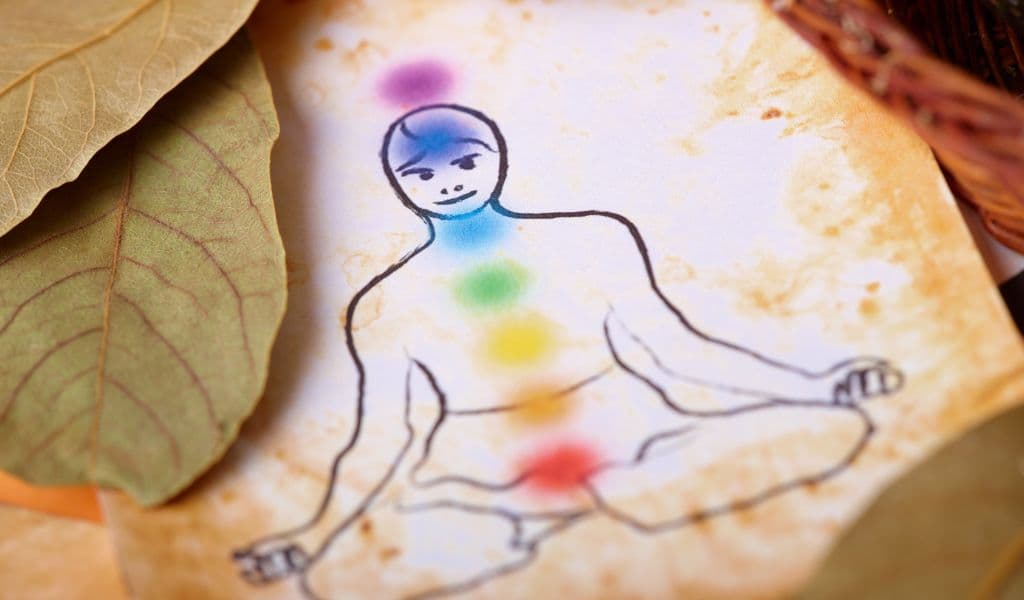
Chakras are concepts originating from the yogic and tantric tradition, and they are often described as energy vortexes or centers that lie along the central axis of the human body, typically along the spine. The word "chakra" comes from Sanskrit and means "wheel" or "circle". Chakras are often depicted as wheels or vortexes that channel energy in the body.
Each chakra is associated with specific aspects of human life, with certain physical and psychological functions, as well as with specific colors and elements. Below, we introduce you to the seven most common chakras, from bottom to top along the spine.
The Seven Main Chakras at a Glance
1. Root Chakra: Grounding and Security
Let us begin with the Root Chakra, your energetic foundation. Imagine you are hiking through a lush forest and find an old, sturdy tree. You sit down and lean against the trunk, feel the bark on your back and the earth beneath you. In this moment, you feel safe, connected, and grounded. This feeling of grounding is what the Root Chakra represents. It is the chakra that connects us with the physical world and helps us feel safe and stable, no matter what is happening around us.
When the Root Chakra is balanced, we feel firmly rooted to the earth and can focus on our basic needs. On the other hand, a blocked or imbalanced Root Chakra can lead to fears, insecurity, and a general sense of instability.
To activate and strengthen this chakra, you can practice asanas such as the Tree (Vrikshasana) or the Mountain (Tadasana), both of which help promote balance and provide a sense of grounding and stability.
2. Sacral Chakra: Creativity and Passion
Do you remember the last time you lost yourself in a dance or were so absorbed in a creative project that you completely forgot the time? That is the Sacral Chakra at work. This chakra is the center of our creativity, passion, and sexuality. It is as if a vibrant river flows through us, allowing us to feel completely free and full of passion. It is the chakra that helps us connect with our emotions and feel them fully.
It allows us to lose ourselves in our creativity and express ourselves completely. Asanas that particularly address this chakra are those that open the hips, such as the Pigeon (Eka Pada Rajakapotasana) or Utkata Konasana. These asanas help release blockages in the Sacral Chakra and allow energy to flow more freely.
3. Solar Plexus Chakra: Personal Power and Determination
Imagine you are facing a big challenge, perhaps a presentation at work or a difficult conversation. You take a deep breath, stand up straight, and remind yourself that you can handle this challenge. This feeling of determination and personal power comes from your Solar Plexus Chakra. It is the energy center that helps us achieve our goals and feel confident and strong.
Asanas that strengthen the solar plexus chakra are those that strengthen the abdominal muscles and promote inner strength, such as the Boat Pose (Navasana) or the Warrior I (Virabhadrasana I). These poses help us kindle the fire within and strengthen our personal power.
4. Heart Chakra. Love and Compassion
Remember a moment of deep connection with a loved one, a genuine smile you shared with a stranger, or the warmth you feel when you think of people close to you. All of that is the energy of the heart chakra. This chakra lies in the centre of our chest and is the place where love, compassion and kindness dwell.
When the heart chakra is balanced, we are able to radiate love and kindness and connect with others on a deep level. However, if it is blocked, we may feel isolated and emotionally distant. Asanas that help open and strengthen the heart chakra are backbends such as the Camel Pose (Ustrasana) or the Bow Pose (Dhanurasana). These asanas open the chest, promote emotional release and help us open our hearts.
5. Throat Chakra. Communication and Authenticity
Think of a time when you were able to express yourself as you truly are, without fear of judgment or rejection. Perhaps it was a song you sang, a poem you wrote, or simply your thoughts and feelings that you shared with someone. All of that is the energy of the throat chakra. This chakra is the centre of our communication and authenticity. It allows us to speak our truth and express ourselves.
Asanas that help open the throat chakra are those that address the throat area, such as the Shoulderstand (Sarvangasana) or the Lion (Simhasana). By strengthening the throat muscles and improving blood circulation, these asanas can help activate and strengthen the throat chakra.
6. Brow Chakra. Intuition and the Third Eye
Imagine you have an "aha" moment or that moment when the puzzle pieces fall into place and everything suddenly makes sense. That is the energy of the brow chakra in action. It is located in the centre of the forehead, slightly above the space between the eyebrows, and is often referred to as the "third eye". This chakra is the centre of our intuition, wisdom and spiritual insights.
When it is open and balanced, we can see and understand more clearly, both on an intuitive and intellectual level. But when it is blocked, we may feel insecure, mentally confused or disconnected. Asanas that help open and strengthen the brow chakra are those that target the forehead area, such as the Child Pose (Balasana) or the Plough (Halasana). These poses can help calm the mind and sharpen intuition.
7. Crown Chakra. Spiritual Connection and Enlightenment
Think of moments when you felt completely connected and at one with everything around you. Perhaps it was during meditation, while watching a beautiful sunset or simply in a moment of deep peace and contentment. These are manifestations of the energy of the crown chakra. It is located at the crown of the head and represents our spiritual connection to the universe and to the divine source.
When this chakra is open, we experience deep spiritual enlightenment, insight and inner peace. But when it is blocked, we may feel disconnected, mentally confused and spiritually unsatisfied. Asanas that help open and strengthen the crown chakra are those that require an upright posture and align the spine, such as the Mountain Pose (Tadasana) or the Lotus Pose (Padmasana). These poses promote mental clarity and spiritual awareness.
Applying the Chakra System in Everyday Life
Chakras have an incredible influence on our everyday lives, even when we are not always aware of it. They influence our decisions, our relationships and our mental and physical health. Each chakra corresponds to certain aspects of our lives and can help us live more consciously and feel better.
For example: if you often feel insecure or anxious, this could indicate an imbalanced root chakra. In this case, exercises such as yoga, meditation or grounding could help strengthen this chakra and promote a sense of security and stability.
Or perhaps you often feel stressed and overwhelmed. This could indicate a blocked solar plexus chakra. By focusing on your breath, consuming nutrient-rich foods and incorporating asanas into your yoga routine that address the solar plexus chakra, you could bring your energy centre back into balance and thus improve your stress resilience.
Chakra Imbalances and Cleansing Techniques
Effects on Health and Wellbeing
Your chakras play an important role in maintaining your physical and mental health. When your chakras are balanced, your life energy, also called prana, flows freely and unobstructed. This promotes a sense of wellbeing, vitality and harmony.
However, when one or more chakras are blocked or imbalanced, this can lead to various health problems. For example, a blockage in the throat chakra can lead to communication problems and fears. A blocked heart chakra can prevent you from feeling or expressing love and compassion.
Methods for Chakra Cleansing
To cleanse and balance our chakras, there are various techniques we can apply:
- Yoga asanas: Certain yoga asanas can help open and strengthen specific chakras.
- Meditation, especially chakra meditation, can help you focus on each individual chakra and release blockages.
- Breathing exercises (pranayama), which in their own way help balance the body's energy system.
- The use of essential oils and working with healing stones.
- Reiki and other energetic healing methods.
Further Resources on the Chakra System
To dive deeper into the world of chakras, there is an abundance of resources and practices that can help you. From books to online courses to yoga retreats, there are so many ways to expand your understanding and practice.
Books like "Wheels of Life: A User's Guide to the Chakra System" by Anodea Judith or "Eastern Body, Western Mind: Psychology and the Chakra System As a Path to the Self" by Anodea Judith offer deep insights into the chakra system and its applications in everyday life.
Online courses such as those from "The Chopra Center" or "Mindvalley" offer interactive learning opportunities that can help you deepen your knowledge and learn practical techniques.
Furthermore, there are a variety of yoga practices and meditation techniques specifically designed to strengthen and open specific chakras. For example, you could integrate a chakra meditation into your day or practice a yoga routine focused on balancing your chakras. Remember that working with the chakras is a process that requires patience and dedication. But over time, you will likely find that you feel more energetic, more balanced and more in harmony with yourself.
Chakras are more than just esoteric concepts from ancient spiritual traditions. They are part of a complex energy system that has a significant influence on our daily lives. By understanding the chakras and their functions, we can learn to listen better to our body and mind. Knowledge of the chakras can help us live a more balanced, harmonious life and unfold our full potential.
Note: Some of the links in this article may be affiliate links, which can bring us compensation at no cost to you if you decide to purchase something. These are products we have personally used and stand behind. This website is not intended for financial advice, but is for entertainment purposes only. You can read the disclosure of our partners in our privacy policy.
Frequently Asked Questions
- What does "chakra" mean and where does the concept come from?
- The word "chakra" comes from Sanskrit and means "wheel" or "circle". The concept originates from the yogic and tantric tradition of ancient India. Chakras are described as energy vortices that lie along the spine and channel life energy (prana) through the body.
- How many main chakras are there and what are they?
- There are seven main chakras: the root chakra, the sacral chakra, the solar plexus chakra, the heart chakra, the throat chakra, the third eye chakra and the crown chakra. They are arranged from bottom to top along the spine and each is associated with specific areas of life, emotions and bodily functions.
- How can I tell if one of my chakras is blocked?
- Blocked chakras can manifest themselves through physical or emotional complaints. An imbalanced root chakra may express itself through fears and insecurity, a blocked solar plexus chakra through stress and overwhelm, and a blocked heart chakra through emotional distance or isolation. In general: if an imbalance in a specific area of life persists, it is worth looking at the associated chakra.
- Which methods help cleanse and balance the chakras?
- There are various techniques for chakra cleansing: targeted yoga asanas, chakra meditation, breathing exercises (pranayama), Reiki, working with healing stones, and the use of essential oils. Yoga and meditation are considered particularly proven and accessible methods for beginners.