Core Strength
The Muscle You Only Notice When It's Not There
You bend down to pick something up off the floor, and your lower back takes the strain before your legs even get involved. Or you hold a plank for twenty seconds and your whole body starts shaking. The muscles aren't small. They've just never been asked to hold anything for that long. Core strength isn't really about how a stomach looks. It's about whether your spine has support when you need it.
Most of what people call core work at a gym trains one thing, moving in one direction, usually lying down. Yoga asks for something different. Hold Plank Pose and your abdominals aren't crunching, they're stabilizing your whole spine against gravity while your arms and legs do something else entirely. That's closer to what the core actually does for you every day.
In the old system this sits at Manipura, the navel centre, associated with willpower and the fire in the belly. That's not far off from how it feels physically either. Real core work has a certain heat to it, the kind that shows up as a shake in your arms before it shows up anywhere else.
Maybe it's your back complaining every time you sit too long, or stand up from a chair, or carry something heavier than usual. Maybe it's a plank that falls apart after fifteen seconds when you know it shouldn't. A weak core doesn't always look weak. It usually just looks like your back, your shoulders or your knees doing work that was never meant to be theirs.
Arm Balances — Where the Core Holds You Up
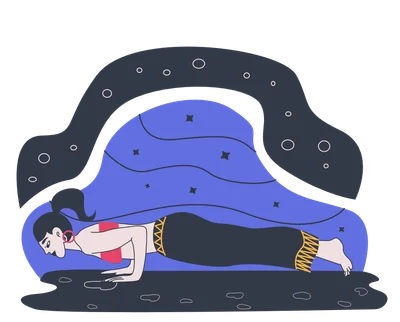
Chaturanga Dandasana
This is the pose most people cheat without realizing it. Elbows flare, hips sag, and the shoulders take weight that should be going through the core. Done properly, your abdominals are doing more work than your arms, holding the whole line from shoulders to heels.
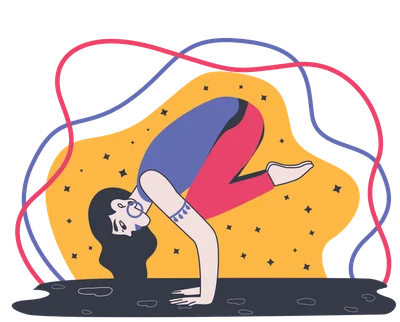
Bakasana
Knees rest on the upper arms, and the only thing keeping your hips up is a rounded, actively engaged belly. Let the core switch off here and you don't wobble. You tip straight onto your face.
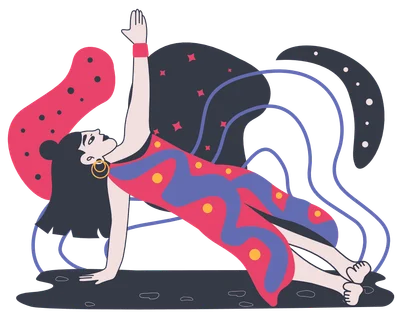
Vasisthasana
One arm, one foot, and a straight line the whole length of your body. The obliques on the standing side are doing the real work, and if they give up, your hips are the first thing to drop.
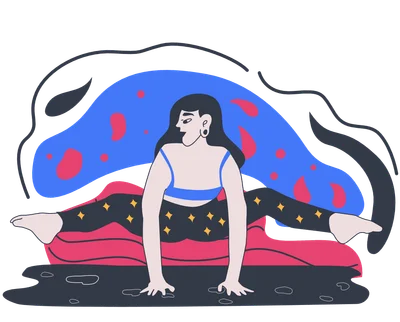
Tittibhasana
The legs straighten out and wrap around the arms while the hips lift off the ground entirely, held up by nothing but core and shoulders. People assume this is an arm-strength pose. Really, the arms are along for the ride. It's the belly holding the hips up.
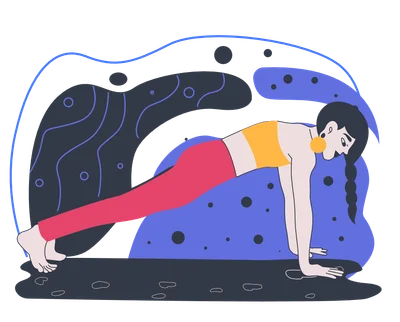
Utthita Chaturanga Dandasana
The most honest core test on this page, mostly because there's nowhere to hide. A sagging plank means the core has already given up, even if the arms are still holding on.
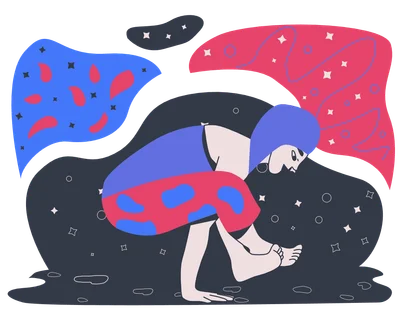
Bhujapidasana
The legs wrap around the upper arms and the whole body lifts and hovers, parallel to the floor. There's no way to fake this one. Either the core is switched on, or you're back on the ground.
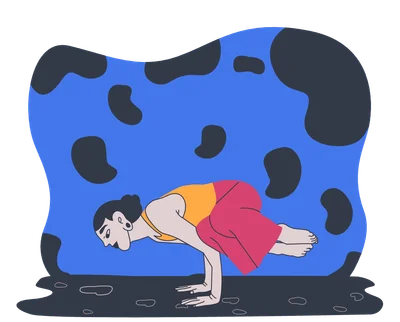
Parsva Bakasana
Crow Pose rotated sideways, so now the core has to hold the twist and the lift at the same time. It asks more of the obliques specifically than almost anything else here.
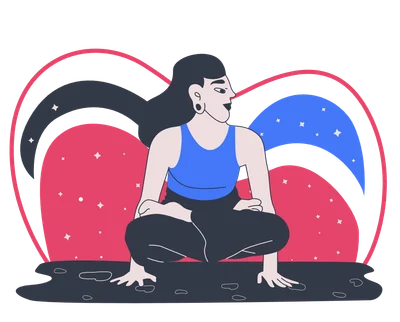
Tolasana
Cross the legs, plant the hands, and lift the entire body off the mat using nothing but the arms and a deeply engaged core. It's a small movement that asks a lot, mostly from muscles you don't usually notice.
Standing Balances That Test the Belly
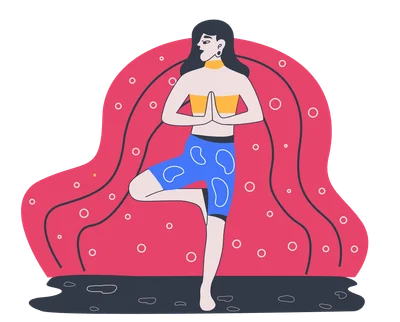
Vrkasana
Standing on one leg looks like a leg exercise. It's really a core one. If you fall, it's rarely because your leg gave out. It's because nothing was holding your torso steady over it.
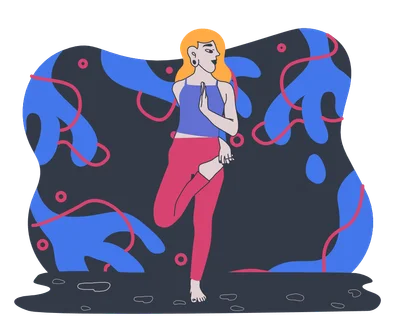
Vrkasana B
Same standing balance, with the raised leg turned out and lower, which shifts more of the stabilizing work into the hip and the core together. It's a small change that makes the core's job noticeably harder.
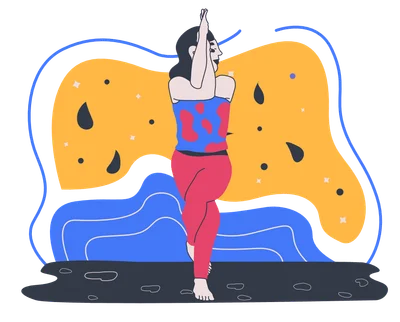
Garudasana
Arms and legs wrap around the midline, compressing the whole shape inward. Holding that compression, without letting the torso tip or twist, comes almost entirely from the core.
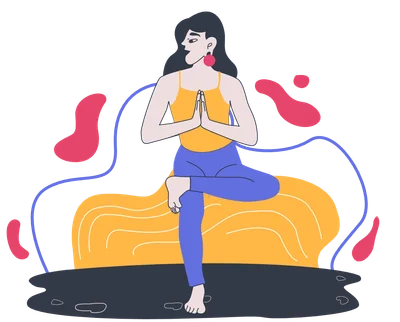
Eka Pada Utkatasana
A held squat on one leg, which removes half your base of support and doubles what the core has to do to keep you upright. There's nowhere for the effort to hide.
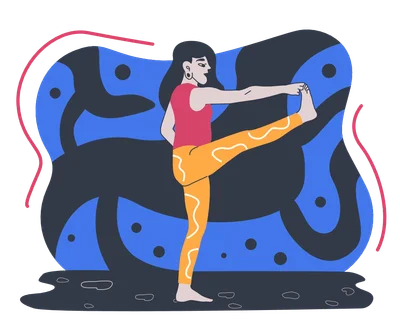
Eka Hasta Padangusthasana A
The lifted leg is held by the hand, which takes away the passive support Tree Pose still gives you. Your core is now the only thing keeping your torso from tipping forward with the leg.
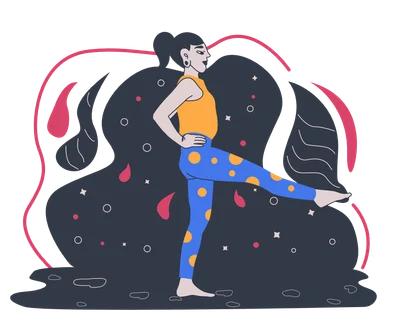
Eka Hasta Padangusthasana C
A harder variation of the same balance, holding the leg out to the side instead of forward. The core has to work against a sideways pull now, not just gravity.
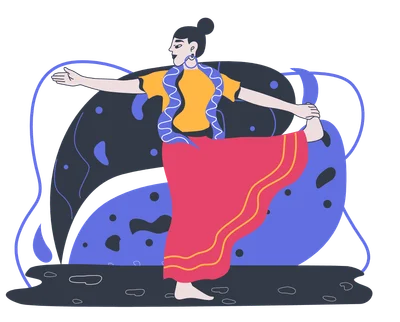
Parivrtta Hasta Padangusthasana
Balance, an extended leg, and a spinal twist, all held at once. The twist alone would ask a lot of the core. Doing it standing on one leg asks for a great deal more.
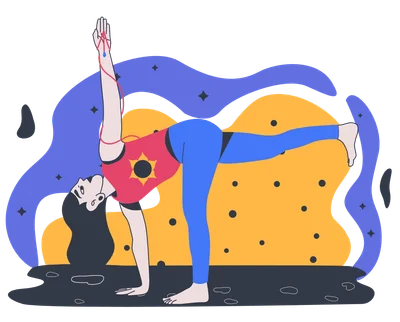
Parivrtta Ardha Chandrasana
One hand, one foot, and a full rotation through the spine while the body is open sideways into space. There's very little support here beyond what the core is actively generating.
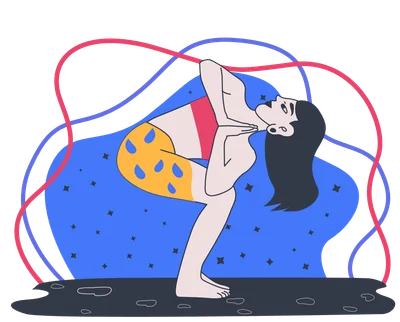
Parivrtta Utkatasana
A held squat with the spine twisted against the thighs. The core has to hold the trunk stable through the rotation while the legs are already working hard just to stay down.
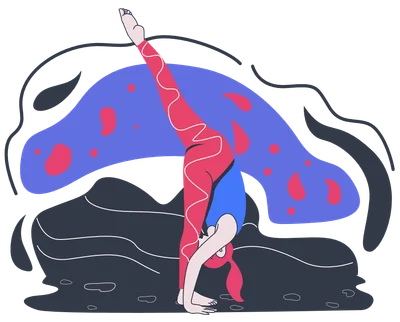
Urdhva Prasarita Eka Padasana
One leg lifts straight up behind you while the standing leg and the fold both stay controlled. The core is what keeps the lift from turning into a fall forward.
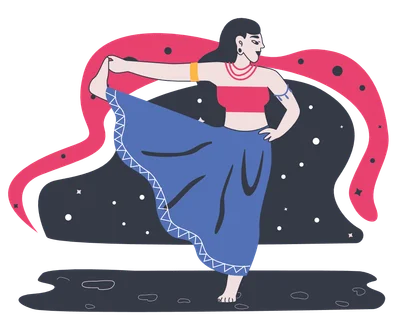
Utthita Hasta Padangusthasana B
The held leg swings out to the side instead of staying forward, which pulls your centre of mass away from the standing leg. Your core is what resists that pull. Without it, the whole torso tips sideways with the leg.
Standing Holds — Legs and Core Together
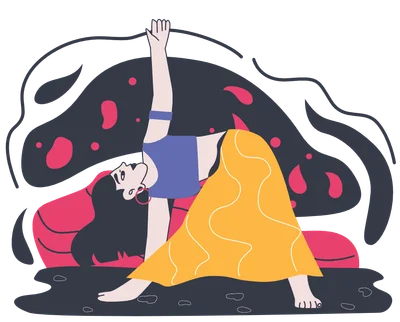
Trikonasana
A long, held stretch to the side, but the core is what keeps the torso from folding forward or collapsing into the front leg. Without it, the pose loses its length and just becomes a lean.
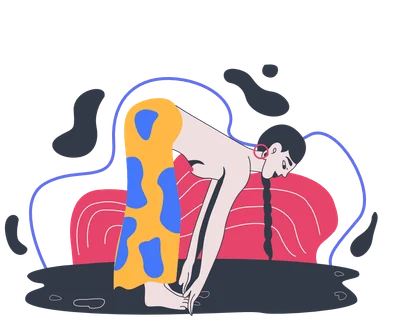
Ardha Uttanasana
A halfway fold with a flat back, held against gravity's pull to round it. That flat back doesn't come from the hamstrings. It comes from the core holding the spine long.
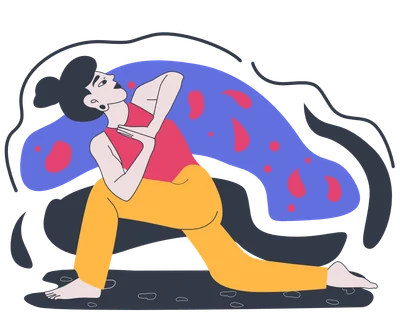
Parivrtta Anjaneyasana
A lunge with the spine twisted against the back leg, and the core is what stops the twist from collapsing into the lower back. Held rather than flowed through, it has time to actually test that.
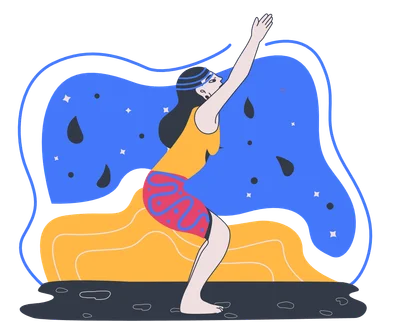
Utkatasana
A held squat with the arms overhead, and most people feel it in the thighs first. The core is working just as hard, keeping the torso from tipping forward under the weight of the raised arms.
Seated and Deep Stretch — Core in Disguise
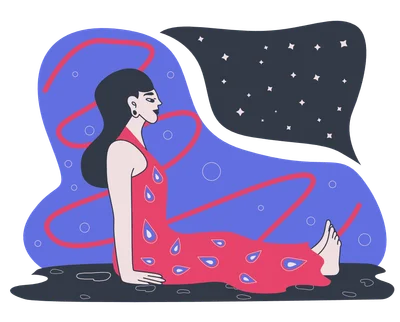
Dandasana
This one looks like simply sitting with your legs out straight. Sit in it for a minute and you'll find the spine has nowhere to lean, so the lift has to come from the core instead of the legs.
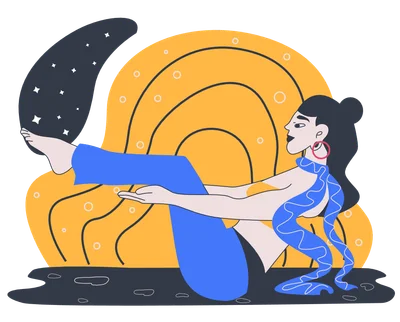
Paripurna Navasana
A held V-shape, balanced on the sitting bones with no help from the arms or legs. This is about as direct a core test as yoga has. There's no technique to hide behind, just the muscles doing the work or not.
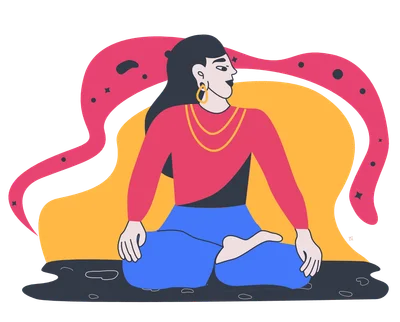
Padmasana
This one surprises people. The legs are doing very little once you're in the shape. It's the unsupported spine held upright for the duration that pulls the core in. Sit in Lotus for a few minutes and you'll feel it more in your middle than your hips.
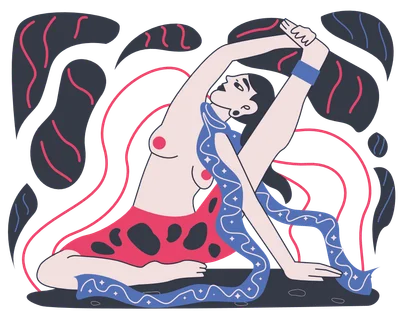
Sury Yantrasana
One leg extends overhead while the torso stays upright and rotated. Keeping the spine from collapsing sideways under that kind of leg weight is core work, even though the pose reads as a hip and hamstring stretch.
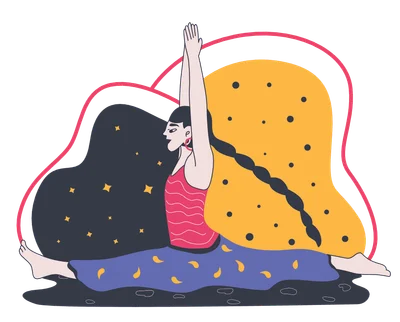
Hanumanasana
Getting into full Splits safely has less to do with flexibility than people assume. The core is what keeps the pelvis square and controls the descent, rather than just dropping into it and hoping for the best.
Supine and Prone — Core Without Legs Underneath You
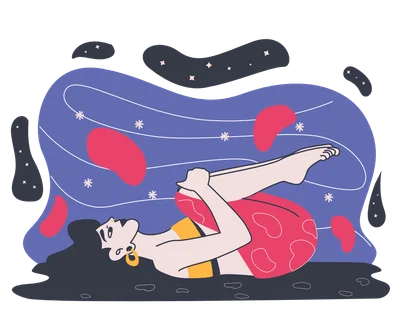
Apanasana
A gentle one, mostly used to close a practice, but drawing the knees in and holding them there against the chest asks something small and steady from the lower abdominals. It's core work in its quietest form.
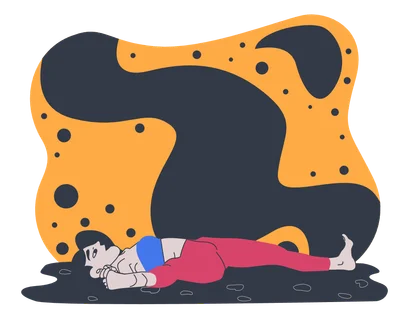
Supta Hasta Padangusthasana B
Lying on your back with one leg extended out to the side, the core is what keeps the opposite hip from lifting off the mat. Let it switch off and the whole pose twists sideways with the leg.
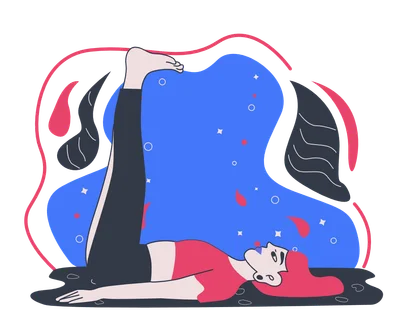
Urdhva Prasarita Padasana
Both legs lift together, lower slowly, then lift again, while the lower back stays pressed into the mat. That contact with the floor is the whole point. If the core lets go, the back arches and takes over instead.
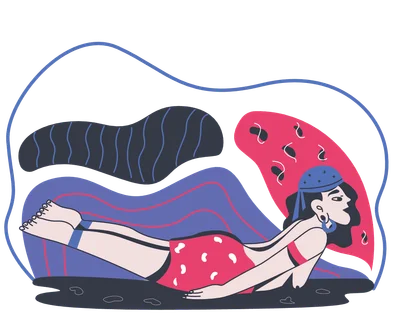
Shalabhasana
A backbend on the belly, with the arms and legs lifting together, held up by the muscles of the back. The deep abdominals are working just as hard here, bracing against the lift so the lower back doesn't do it alone.
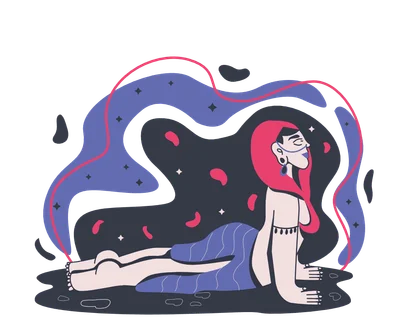
Bhujangasana
This is a backbend, yes, but lifting into it with control instead of just pushing up with the arms takes real engagement through the core. Push only with the hands and the lower back pays for it.
Kneeling and Inverted — Where the Core Meets the Spine
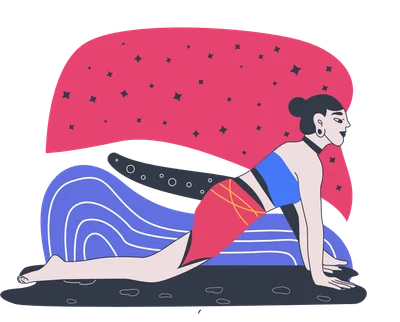
Utthan Pristhasana
Mostly a hip stretch, but keeping the pelvis level and the spine long through a deep lunge like this takes a quiet, ongoing effort from the core, not just flexibility in the hips.
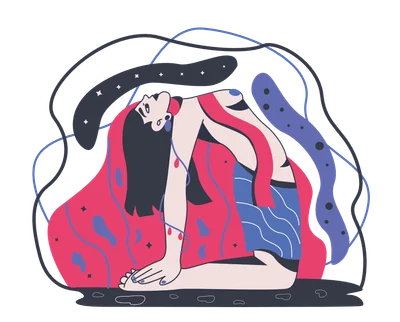
Ustrasana
A backbend where the lower back can end up doing all the work if the core checks out. Keep the abdominals gently engaged and the lift comes from the whole spine instead of just the lumbar curve.
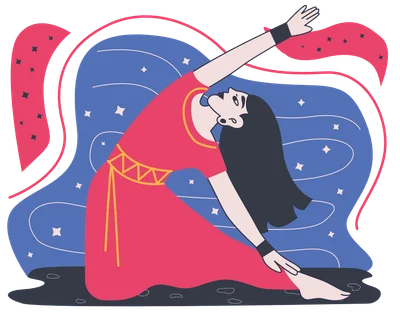
Parighasana
A kneeling side bend, and the obliques on the reaching side are doing most of the actual work, supporting the stretch and protecting the spine through the lateral movement.
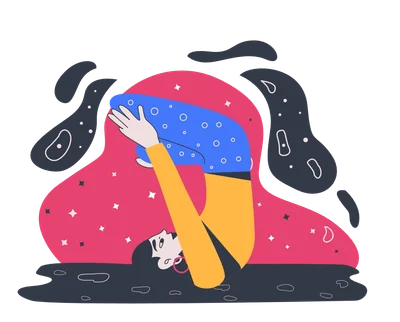
Urdhva Padmasana
Folded legs lifted upside down, usually from an inversion, and the core is what controls the whole shape instead of letting momentum take over. Without it, the legs just flop rather than lift.
A 20-Minute Core Sequence
Same idea as always. Not five random poses, there's a build to it: arrive, build through poses that ask more of the core each time, meet something that holds nothing back, then let the spine open the other way before you finish lying down.
- 3Side Plank Pose5 breaths each side
Build. The core carries the whole line of the body, side to side.
- 6Knees to Chest Pose2 minutes
Close. Knees to chest, the classic ending for anything that worked the lower back.
Boat Pose sits at the centre of this one on purpose. Everything before it builds toward that kind of exposed, no-excuses hold, and everything after it undoes what it asked for. Core work without a release afterward just leaves the lower back tight.
Teaching a Core Strength Class
Cue the low back specifically, not just "engage your core". Most people don't know what that means until you tell them to press the low back down, or draw the navel toward the spine, or keep the ribs from flaring. Core-heavy poses fatigue fast, so give students permission to rest mid-hold rather than collapsing through the shoulders or the lower back to fake it. Building a full class around this theme: the Sequence Builder lets you start from any of these poses and adjust hold times, order and how much standing versus floor work you want.
Open the Sequence Builder →Build Your Core Strength Practice
Get my practiceFrequently Asked Questions
What makes a yoga pose good for core strength?
Anything that asks the trunk to stabilize while the arms or legs are doing something else, arm balances, held planks, one-leg standing balances. The core isn't crunching in most of these, it's holding still under load.
Why are there so many balance poses on a core-strength page?
Because balance and core strength are really the same skill wearing different clothes. Stand on one leg and it's your trunk, not your standing leg, that decides whether you stay up.
How long should I hold a core pose?
Long enough that it actually asks something of you, five to eight breaths on most of these. Plank and Boat Pose are usually better held slightly shorter with good form than longer with a collapsed lower back.
Are core poses suitable for beginners?
Yes, start with Staff Pose, Chair Pose and Knees to Chest. The arm balances further down this page are worth building toward, not starting with. This is general information, not medical advice. See the medical disclaimer.
Related Practices