Focus & Mental Clarity
When Your Mind Is Already Somewhere Else
You sit down to do something that actually matters. Ten minutes later you're checking your phone, or thinking about tomorrow, or replaying a conversation from yesterday. I don't think that's a discipline problem. It's just what an untrained mind does when nothing is asking it to be anywhere in particular.
What I've noticed on the mat is that certain poses don't leave that option open. Stand on one leg with your eyes fixed on a point. If your mind goes to tomorrow's meeting, you fall. That's not a metaphor. It's just mechanics. It might also be the closest thing yoga offers to catching your own mind in the act.
In the old language this is Ajna, the point between the eyebrows. Traditionally, the seat of seeing clearly. You don't have to believe any of that for it to work. The balance either holds or it doesn't.
Maybe it's reading the same paragraph four times and still not knowing what it said. Or starting one task and surfacing twenty minutes later somewhere else entirely, with no memory of how you got there. Trying harder usually makes it worse. Now you're just thinking harder about how unfocused you are. What actually works, at least for me, is giving the mind something immediate to hold onto. A balance does that. So does an arm balance, or standing on your hands. There's no attention left over for the inbox.
Balance Poses — Where the Mind Gets Caught
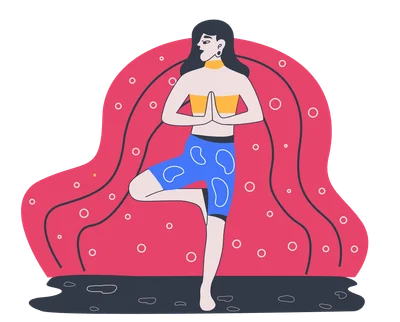
Vrkasana
This is usually where people first notice it. One foot presses into the standing thigh, the eyes settle on a single point. The moment your mind drifts to the clock or the mirror, you wobble. There's no faking it. Either you were here, or you weren't, and the pose just told you which.
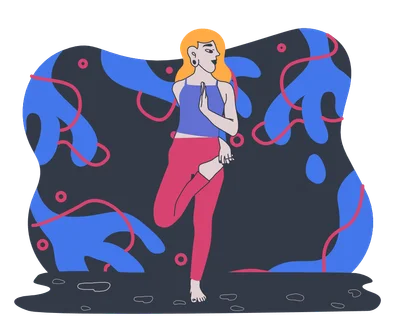
Vrkasana B
Same balance, but the raised leg turns out and drops lower, so the challenge moves from the ankle into the hip. It's a good one to come back to once plain Tree Pose stops asking anything of you. A small variation is often enough to catch the mind off guard again.
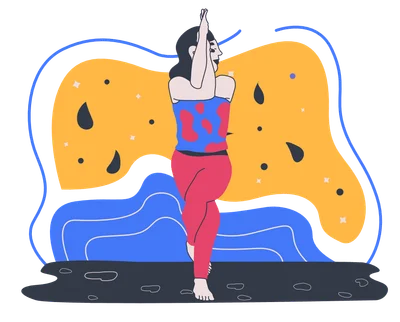
Garudasana
Arms and legs wrap around the midline at the same time, so now there are two things to hold instead of one. Untangling limbs while staying upright doesn't leave much spare room to think about anything else. That's usually where people who've made peace with Tree Pose get surprised.
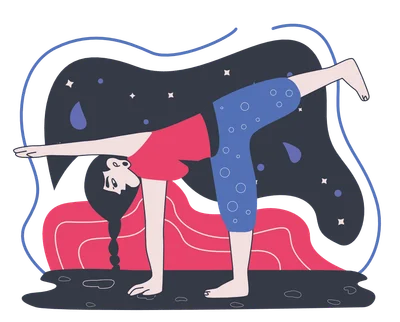
Ardha Chandrasana
One hand, one foot, and the rest of you opened out sideways into space. It's the biggest balance challenge on this page. Losing focus here doesn't cause a small wobble. It causes a full restart, and that's a sharper kind of feedback than most of us get in a day.
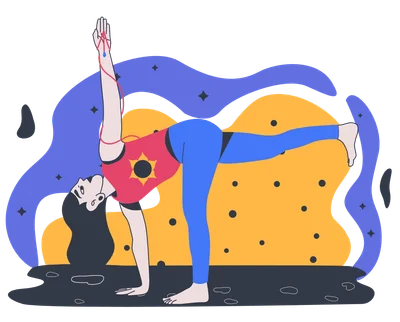
Parivrtta Ardha Chandrasana
Everything Half Moon already asks, plus a twist on top of it. The twist pulls your gaze away from the standing leg toward the rotation. Holding both at once, the balance and the turn, is what it actually feels like to hold two things in your head without dropping either.
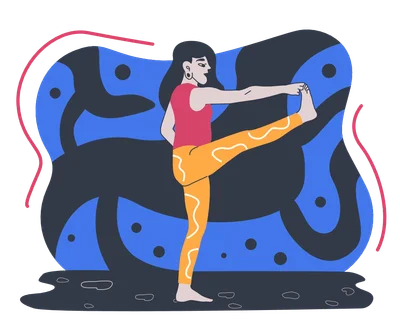
Eka Hasta Padangusthasana A
The lifted leg is held by the hand instead of resting against the body, so the passive support Tree Pose still gives you is gone. Grip and standing leg both have to stay switched on. This one punishes a wandering mind within seconds, not minutes.
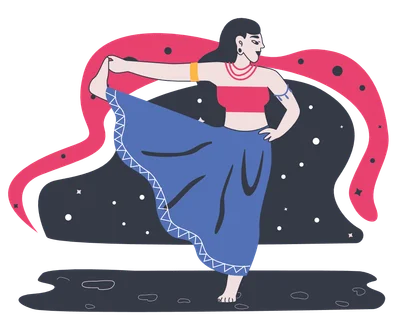
Utthita Hasta Padangusthasana B
The same held leg swings out to the side, and your centre of mass goes with it. It's slower than the forward version, which changes what distraction looks like here. Not a sudden fall. More a slow drift you notice too late.
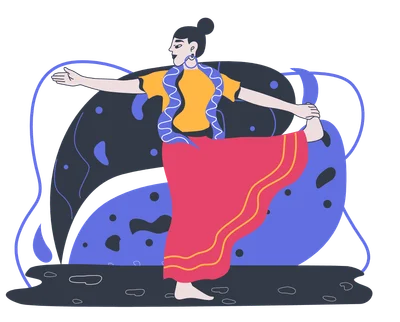
Parivrtta Hasta Padangusthasana
Balance, an extended leg and a spinal twist, all at once. It's the most demanding single-leg pose on this page. Honestly, there's no attention left over for anything but the pose itself. That might be the whole point.
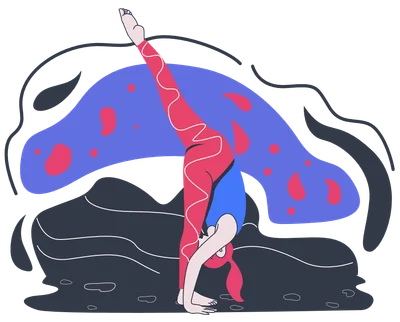
Urdhva Prasarita Eka Padasana
Height instead of width. One leg lifts straight up behind you while the standing leg and the fold both have to stay honest. Your gaze drops to the floor here instead of the horizon, and that changes what steady feels like.
Standing Holds and Folds — Sustained Effort
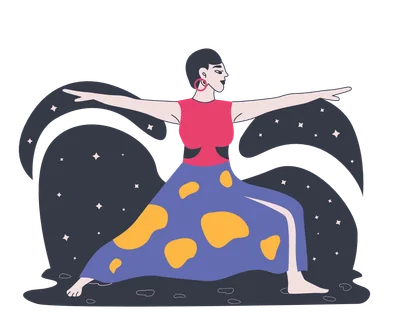
Virabhadrasana II
A wide stance, held rather than passed through, with your gaze fixed past the front hand. The legs are doing real, sustained work. The longer you hold it, the more it asks you to keep correcting small things instead of checking out.
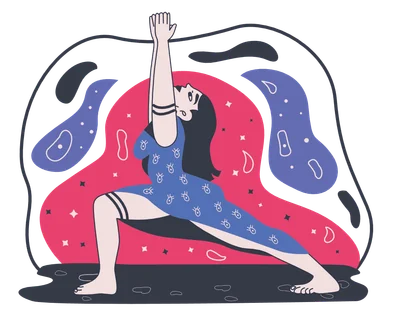
Virabhadrasana 1
Same grounded base, squared forward this time, arms reaching overhead. Keeping the back leg straight and the hips square takes a kind of quiet, ongoing attention that a shorter pose never has to ask for.
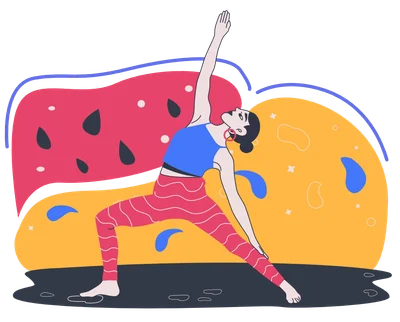
Shanti Virabhadrasana
The torso opens back over the front leg, and a strength pose turns into something closer to a held backbend. You end up tracking two things at once: the base staying stable, the chest opening. Neither one gets to collapse.
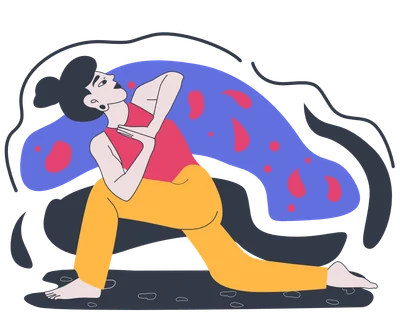
Parivrtta Anjaneyasana
A lunge with the spine twisted against the back leg, held rather than flowed through. The twist wants to fall into the front hip the second your attention does. Staying square becomes the actual practice, not the shape.
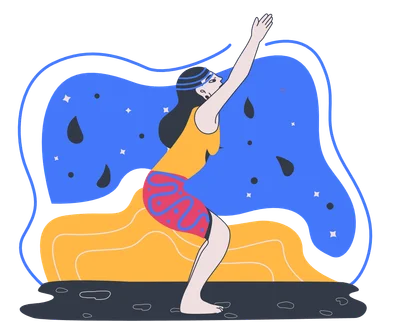
Utkatasana
Nothing complicated about the shape. Just a held squat, arms overhead, and the slow burn in the thighs. What it actually tests is whether you can keep breathing through discomfort instead of tensing around it.
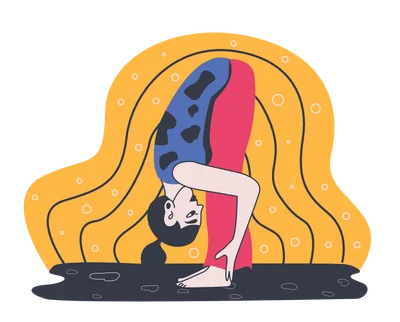
Uttanasana
A full fold turns the gaze inward, off any fixed point, which changes what focus means here. It's less about fixing on something and more about staying with the stretch in the backs of your legs instead of mentally leaving early.
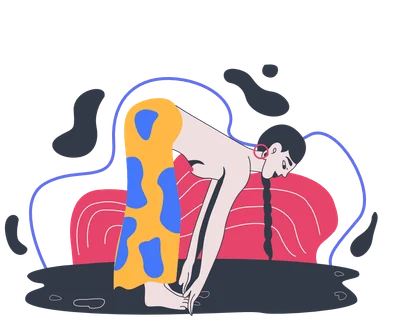
Ardha Uttanasana
A halfway fold, flat back, spine held long against gravity's pull to round it. It's short and precise. Exactly the kind of pose that reveals whether you were actually in your body or three thoughts ahead of it.
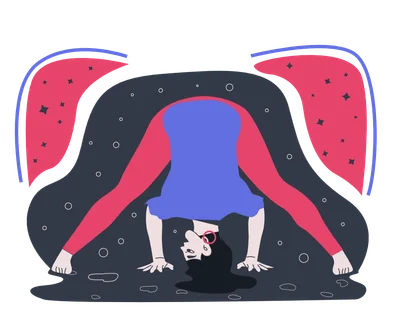
Prasarita Padottanasana
Real weight lands in the crown of your head and the backs of your legs at the same time. Two sensations asking for attention, both wanting quiet breath instead of tension. A small, physical lesson in not reacting to everything you feel.
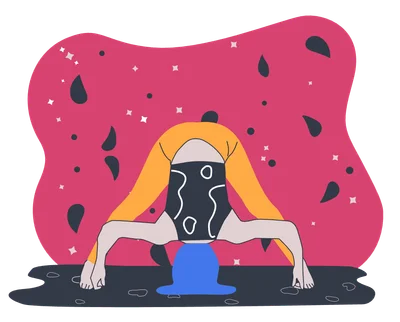
Prasarita Padottanasana D
Same wide stance, but the hands clasp behind the back and lift, adding a shoulder opening on top of the fold. Coordinating the lift with the fold, instead of abandoning one for the other, is the actual test.
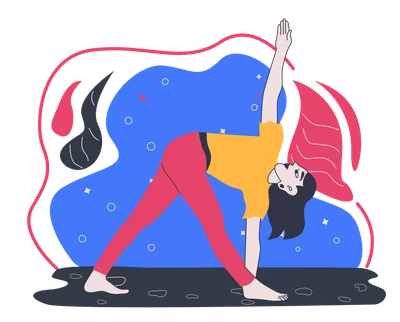
Parivrtta Parsvottanasana
A fold over the front leg with the spine revolved and the hands in prayer against the spine. The stance is narrow enough that there's very little room for error, so the twist has to be built slowly, not forced.
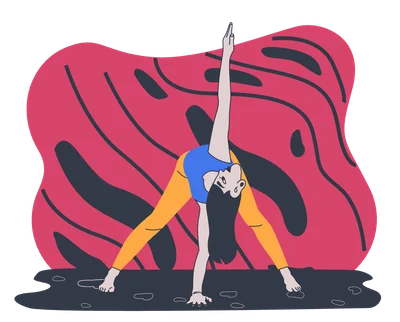
Parivrtta Prasarita Padottanasana
The wide stance from Prasarita Padottanasana, but with a full rotation and one arm reaching for the floor. A stable base and an unstable reach, both at once. That's more or less what split attention actually feels like in the body.
Seated Stillness — No Excuse Left to Hide Behind
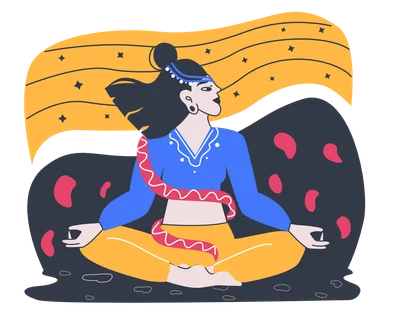
Sukhasana
The simplest seat on this whole page, and maybe because of that, the hardest place to hide. There's no physical challenge here to blame the drift on. This is focus practised in its plainest form: sitting still, and actually staying there.
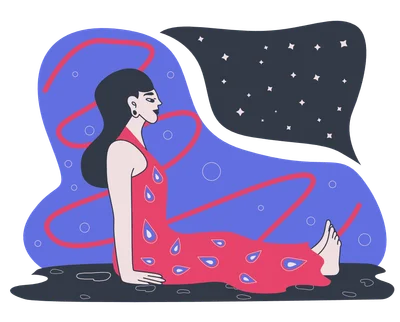
Dandasana
It looks passive. It isn't. The spine has to stay lifted against the pull to slump, legs active, feet flexed. It's the seated version of Mountain Pose, the alignment every other seated shape here gets measured against.
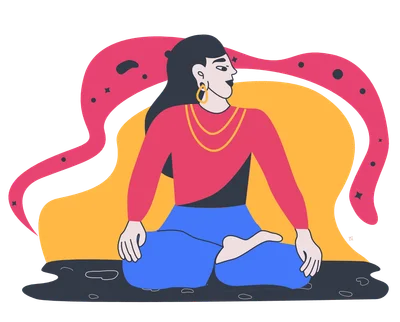
Padmasana
The classical meditation seat, built specifically so the body can disappear from your awareness and leave the mind with nothing left to negotiate. Getting into it correctly, without forcing the knees, is its own small lesson in patience.
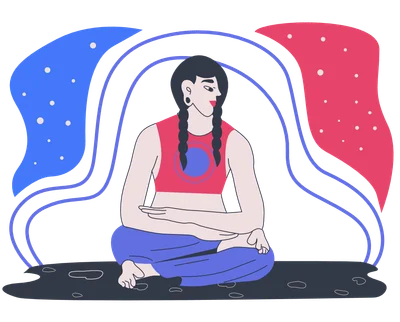
Agni Stambhasana
A deep hip opener with the shins stacked, and it produces real sensation. The kind you either meet with steady breath or fidget your way out of. Staying with something uncomfortable instead of jumping away from it is exactly the skill this page is about.
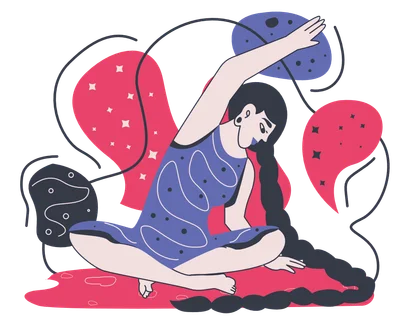
Parsva Sukhasana
A simple cross-legged seat with a side bend on top, stretching one side of the ribcage while the sitting bones stay grounded. The small adjustment it takes to keep both hips down while reaching sideways is exactly the kind of detail an unfocused mind skips.
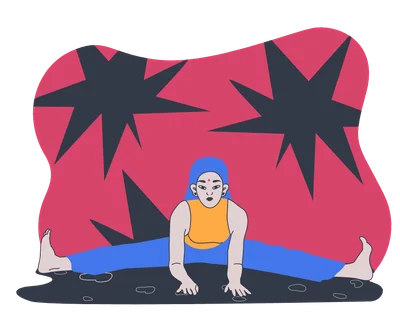
Upavistha Konasana
A wide-angle fold that asks the hamstrings and inner thighs to release slowly, in their own time. Rushing it changes nothing except how uncomfortable you are. It only responds to patience.
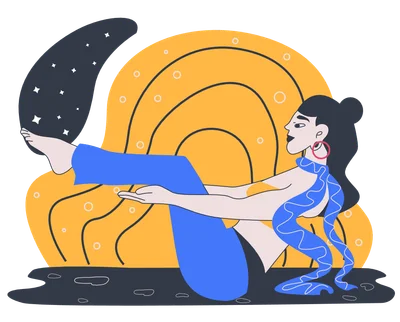
Paripurna Navasana
A held V-shape, balanced on the sitting bones, no help from the arms or legs. It's a balance pose in disguise. Lose your point of focus and you're on your back within seconds.
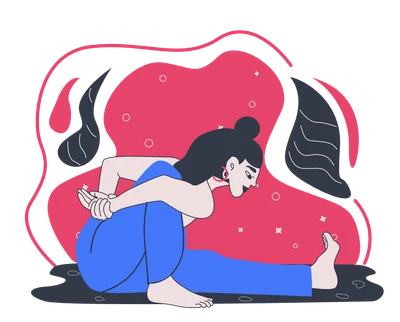
Marichyasana A
One leg folds, one leg extends, and the torso binds around the bent knee. Three instructions the body has to hold at once. It's the seated cousin of the balance poses above, just without the risk of falling over.
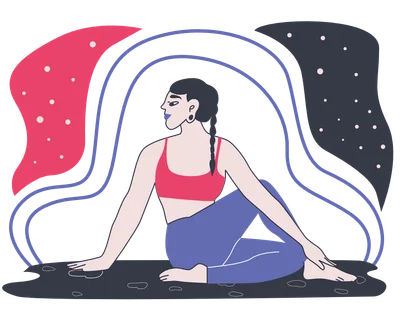
Ardha Matsyendrasana
A seated twist that has to be built from the base up. Sitting bones grounded first, then the rotation, or it collapses straight into the lower back. Getting the order right, base before twist, is the actual skill here, not the shape itself.
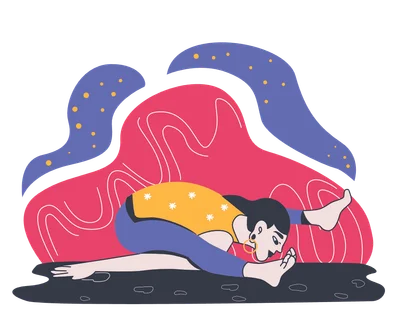
Kurmasana
A deep fold with the legs over the shoulders, intense enough that the instinct is to rush through it or check out mentally. Staying present inside something this demanding is concentration under real pressure, not the calm kind.
Arm Balances and Inversions — No Room Left to Think
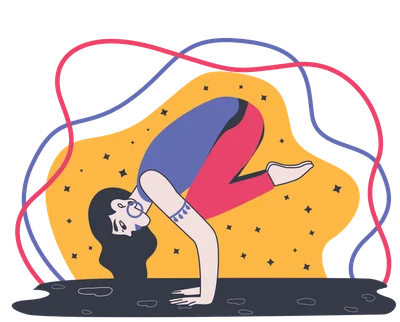
Bakasana
The usual way into arm balancing. Knees resting on the upper arms, eyes fixed on a spot past the hands. There's a real cost to losing focus here. You tip forward onto your face, which is probably why this is one of the fastest poses to teach total presence.
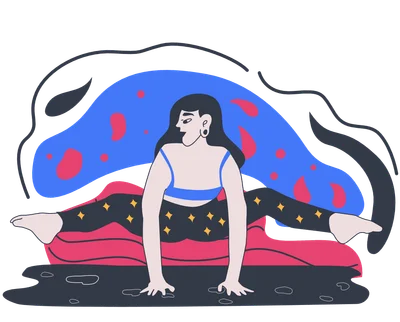
Tittibhasana
The legs straighten and wrap outside the arms, so the knee support Crow Pose still gives you is gone. Every small correction has to happen in real time. This one rewards a settled mind far more than raw strength.
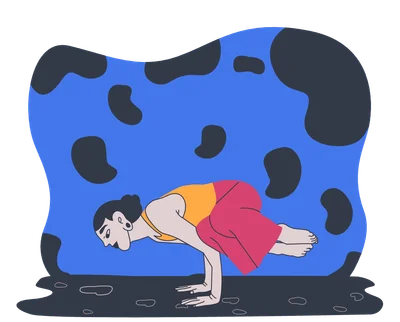
Parsva Bakasana
Same arm-balance base as Crow, rotated sideways, so now the twist and the balance are competing for the same attention. It's one of the clearest examples here of the mind having to hold two demands at once without dropping either.
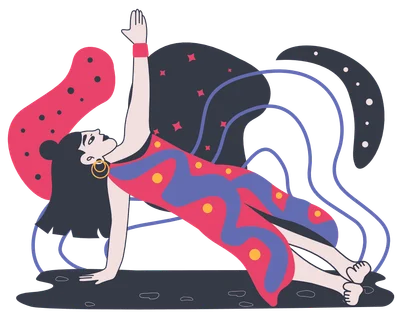
Vasisthasana
One arm, the outer edge of one foot, and the whole body forming a single line. The line only holds if your gaze, your breath and your standing side all agree with each other. Drop any one of them and the shape folds.
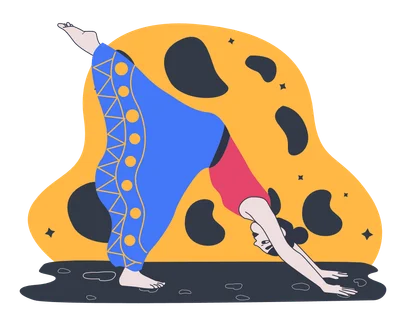
Eka Pada Adho Muhka Svanasana
One leg lifts from Downward Dog while the arms and standing leg keep the base honest. It's a quieter cousin of the arm balances. Steady weight through the hands, paired with a leg that has to stay controlled, not just up.
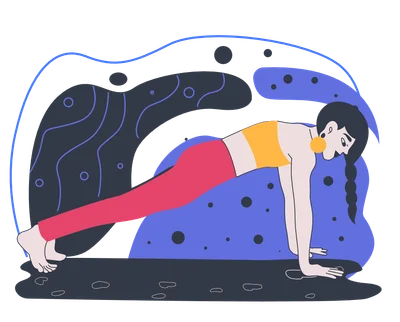
Utthita Chaturanga Dandasana
A straight-arm hold, long enough to stop being about strength and start being about not fidgeting. Everything stays switched on at a low, steady intensity. A sustained hold like this is usually where attention breaks first.
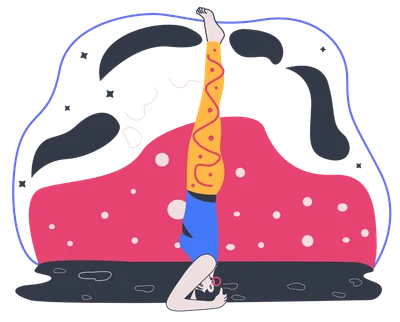
Sirsasana
Turning the body's whole orientation upside down forces the mind out of its usual loops, mostly because none of the sensory input matches what it expects. Staying calm here instead of gripping with tension is about as clear a sign of a settled mind as I know.
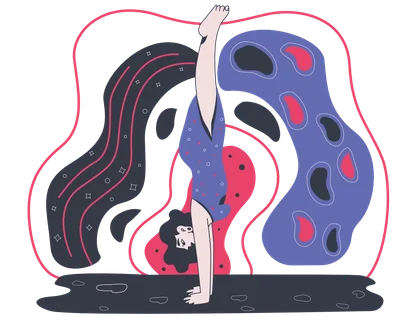
Adho Mukha Vrksasana
A full handstand takes the head out of the equation entirely. Balance runs through the hands alone, adjusted constantly through the fingers. There's no pose on this page with a shorter gap between distracted and falling out of the shape.
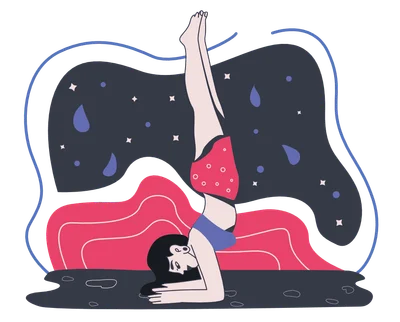
Pincha Mayurasana
An inversion balanced on the forearms instead of the hands, which changes the base and demands even finer control through the shoulders. The extra instability is what actually keeps you honest. The fixed gaze at the floor does more work here than strength does.
Kneeling, Prone and Supine — Focus Without a Fight
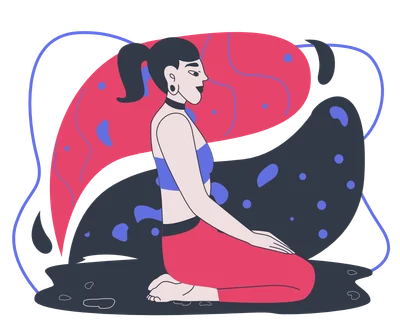
Vajrasana
A kneeling seat with a naturally long spine, traditionally used before meditation for exactly that reason. It asks almost nothing of the body, which makes it an honest place to notice whether your mind actually settled, or just went quiet for a second.
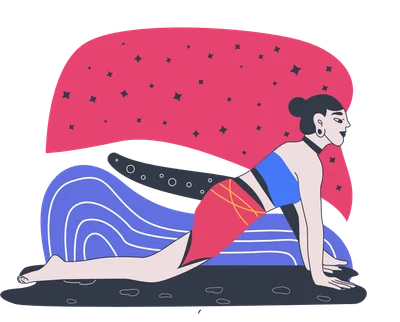
Utthan Pristhasana
A low lunge, back knee down, front hip sinking into a long stretch. There's nothing exciting here to distract you from your own fidgeting. That's usually exactly where restlessness shows up first.
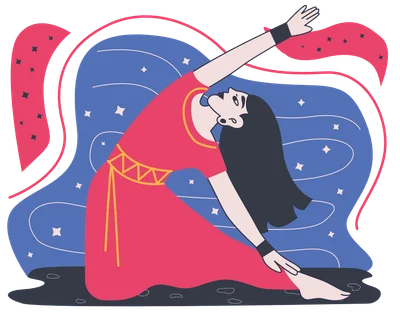
Parighasana
A kneeling side bend, one leg extended out to the side. Keeping that extended leg active instead of letting it collapse takes the same quiet, ongoing attention as the seated poses above, just from a different angle.
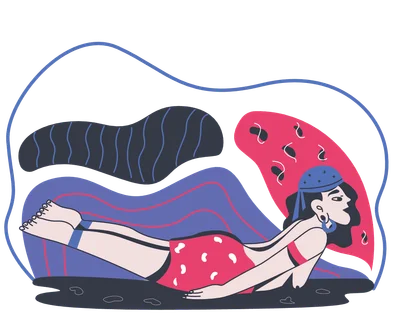
Shalabhasana
A backbend on the belly, arms and legs lifting together against gravity, held up by the muscles of the back alone. There's no mirror here, nothing to check yourself against. The only way to know you're doing it right is to stay present with what the body's actually telling you.
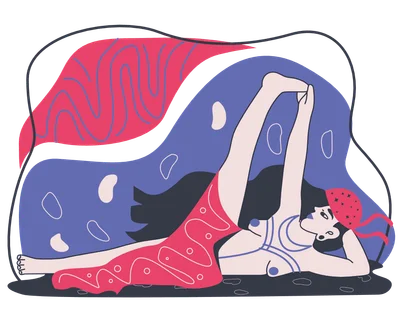
Anantasana
A side-lying balance, the top leg held vertical by the hand. This tests control more than strength. Lying down removes the usual cues you'd use to balance standing up, so the mind has to find a quieter, more subtle kind of steady.
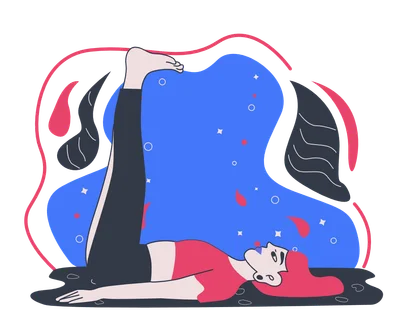
Urdhva Prasarita Padasana
Lying on your back, both legs lifted, lowered slowly and raised again, the lower belly doing continuous work the whole time. The instinct is always to rush the lowering part. Resisting that, and controlling it instead, is the actual point.
A 20-Minute Focus Sequence
These aren't five random poses pulled from the list above. There's an arc to it: arrive, then build through balances that ask for more each time, meet something that's actually hard, and let it go before you stand back up.
- 1Easy Pose1 minute
Arrive. Don't skip this, starting scattered just makes everything after it harder.
- 2Tree Pose5 breaths each side
Build. The first real test of a fixed gaze, and it sets the tone for everything that follows.
- 4Half Moon Pose6 breaths each side
Peak. The biggest ask on this page. Your gaze and your breath are the only things keeping you up.
- 5Standing Forward Bend1 minute
Release. The fold turns your attention inward, off any fixed point. This is where the coming down starts.
- 6Thunderbolt Pose2 minutes
Close. Nothing left to hold the focus up now. Whatever settled during the practice has to hold on its own.
The sequence gets harder to balance in, then takes the challenge away completely. Those last two poses are really asking one question: was the steadiness ever about the balance, or about what the balance was training underneath it?
Teaching a Focus & Mental Clarity Class
Say where to look, and say it early. Most students have never been told, and an unfixed gaze is the single biggest reason a balance pose falls apart before the legs ever get tired. Give them something specific, a point on the floor a metre ahead, not just "focus", and let them find it before the pose even starts. I'd also resist the urge to fill silence during long holds. A class built around focus rewards fewer cues, not more, once the shape is set. Building a full class around this theme: the Sequence Builder lets you start from any of these poses and adjust hold times, order and how much standing versus seated work you want.
Open the Sequence Builder →Build Your Focus & Mental Clarity Practice
Get my practiceFrequently Asked Questions
What makes a yoga pose good for focus and mental clarity?
Anything with a narrow or unusual base, balances, arm balances, inversions, because they all ask for a fixed gaze and steady breath at the same time. Your mind can't wander far while your body is actively negotiating not falling over.
Why do so many balance and arm-balance poses show up on this page?
Because that's really what "clearing your head" comes down to physically: a fixed point to look at, a breath you have to keep steady, and something real at stake if you check out. Balance poses just happen to produce all three more reliably than almost anything else.
How long should I hold a focus pose?
Long enough that the first wave of adjustment settles, five to eight breaths on most balances. Seated holds like Vajrasana or Sukhasana can go longer, since the challenge there is stillness, not difficulty.
Are focus poses suitable for beginners?
Yes, start with Tree Pose, Easy Pose and Staff Pose. The arm balances and inversions further down are worth building toward, not starting with. This is general information, not medical advice. See the medical disclaimer.