Leg & Glute Strength
The Legs Remember Everything Else Forgets
Weak legs don't usually announce themselves directly. They show up as knees that complain on stairs, a fear of getting up from a low chair without using your hands, or just running out of steam halfway through a hike that used to be easy. The legs carry more of daily life than almost anything else, and they're often the last thing anyone trains on purpose.
Most of these poses work through held stances, warriors, lunges, chairs, rather than fast repeated movement. That kind of isometric holding builds a different, steadier kind of strength than a quick set of squats does, the kind that's actually there when a hike gets longer than planned or a flight of stairs shows up unexpectedly.
In the old system this sits at Muladhara, the root centre, which makes physical sense too, the legs are literally the root, the part of the body actually in contact with the ground most of the day.
Maybe it's knees that ache going down stairs more than up them, or legs that feel shaky after standing for a while. Maybe it's just noticing that a hike or a long day on your feet leaves you more wrecked than it used to. These poses build strength slowly, through holding rather than rushing, which tends to be the kind that actually lasts.
Held Stances — Where the Burn Lives
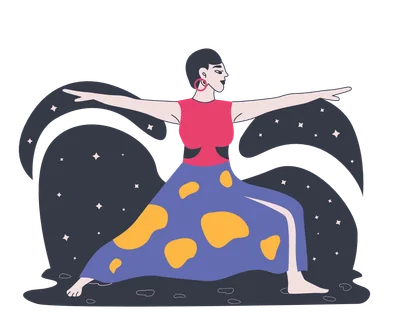
Virabhadrasana II
A wide, low stance held for real time, the front knee bent and the back leg straight and strong. This is the pose most people picture when they think of leg-strengthening yoga, and it earns that reputation.
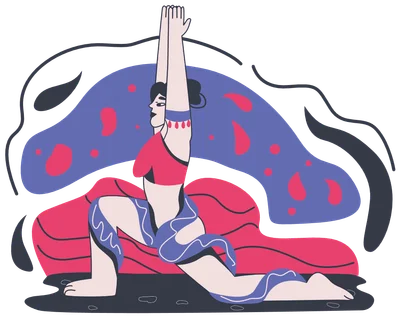
Anjaneyasana
A deep lunge that asks both legs to work differently at once, the front thigh stabilizing, the back leg lengthening and pushing down. Holding it steady, rather than letting it sink, is where the strength actually builds.
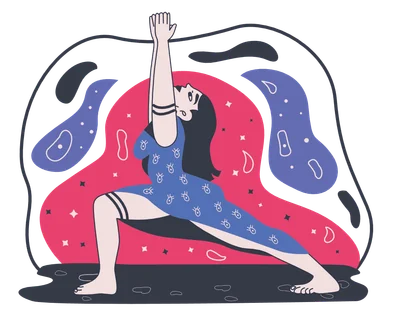
Virabhadrasana 1
A grounded lunge squared forward, the back heel pressing into the floor to keep the whole leg engaged. The temptation is to let the back leg go passive, and resisting that is most of the work.
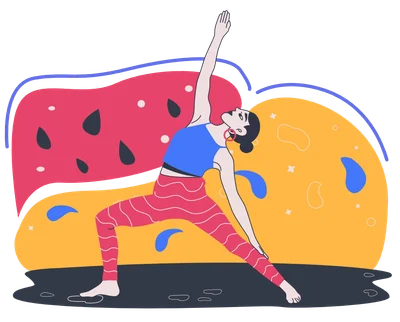
Shanti Virabhadrasana
The same wide stance as Warrior II, with the torso opening back over the front leg. The legs don't get to rest just because the upper body is doing something else.
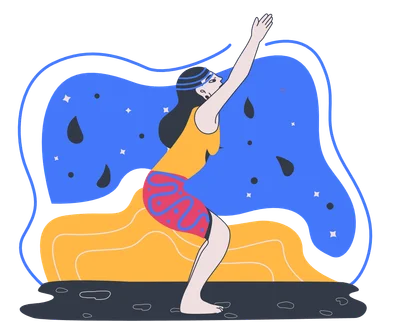
Utkatasana
A held squat, and one of the most direct leg-strength tests on this page. Weight sinks back into the heels rather than forward into the toes, which is what makes the thighs do the work instead of the knees.
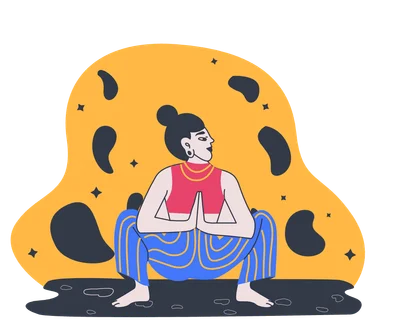
Malasana
A deep squat, lower and wider than Chair Pose. Getting all the way down and staying there, rather than just touching it briefly, is what actually builds the range and the strength together.
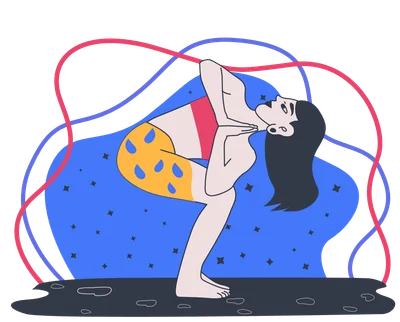
Parivrtta Utkatasana
The same held squat with a spinal twist added. The legs have to keep doing the work of the squat while the upper body does something else entirely, which is a harder ask than either piece alone.
Standing Balances — One Leg Doing All the Work
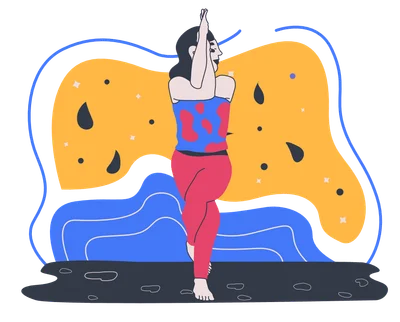
Garudasana
Standing on one leg with the other wrapped around it. The standing leg is doing the work of two legs at once, which is a fast way to find out how strong it actually is.
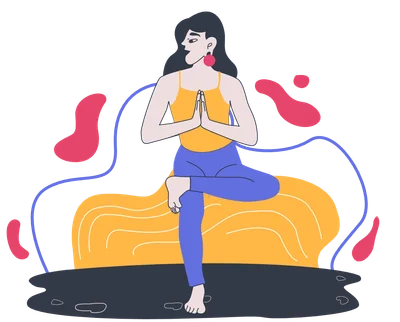
Eka Pada Utkatasana
A squat on one leg, which roughly doubles the demand on the standing leg compared to Chair Pose. There's no sharing the load here.
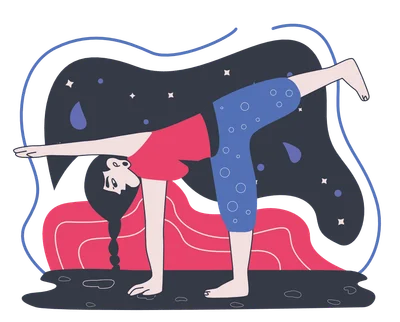
Ardha Chandrasana
One leg holds the entire weight of the body while the other extends out into space. It asks for strength and balance in the same breath, and it's honest about which one is missing if the pose falls apart.
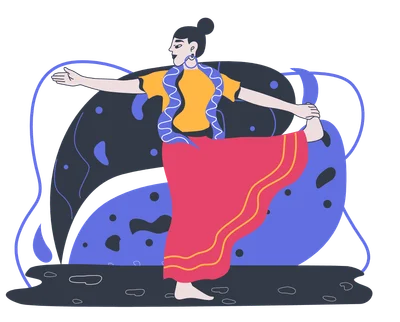
Parivrtta Hasta Padangusthasana
A held leg, a twist, and a standing leg doing all the supporting work underneath both. The standing leg rarely gets credit for how much it's actually holding here.
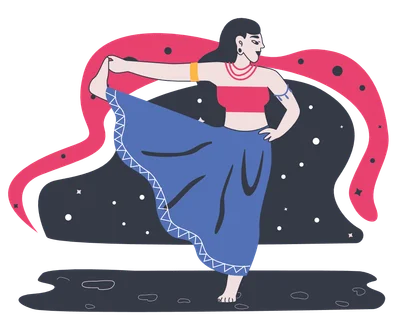
Utthita Hasta Padangusthasana B
The held leg swings out to the side, shifting the load on the standing leg in a way the forward version doesn't. It's a different angle of the same demand.
Standing Stretches and Folds — Strength Through Length
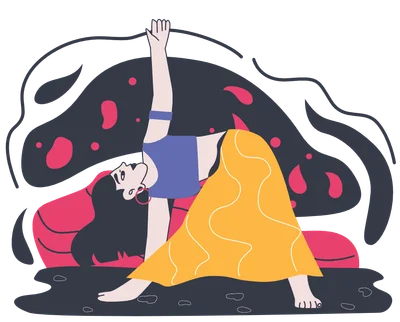
Trikonasana
A long stretch to the side, and the front leg is doing real, active work to hold the shape rather than just being along for the ride. Strength and flexibility aren't opposites in this pose, they're the same requirement.
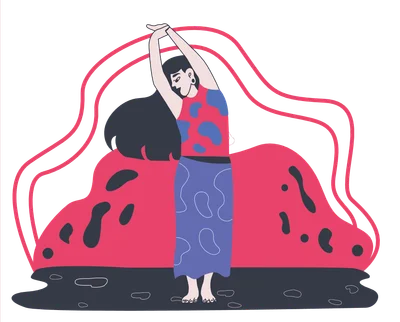
Parshva Tadasana
A gentle reach to the side from a standing base, which still asks the legs to stay active and engaged rather than locked and passive underneath it.
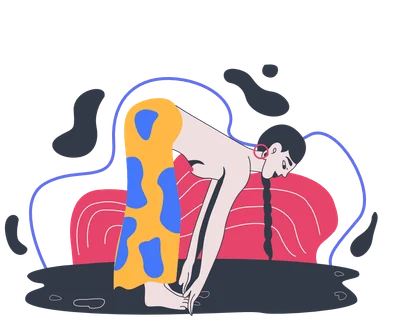
Ardha Uttanasana
A halfway fold with a flat back, and the legs, especially the hamstrings and the muscles around the knee, have to hold the position rather than just hang there.
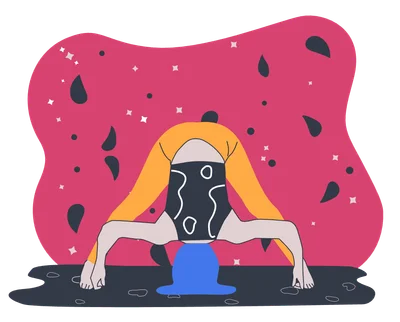
Prasarita Padottanasana D
A wide stance with real weight through both feet, and the legs are working the whole time to keep the stance from narrowing as the fold deepens.
Kneeling and Seated
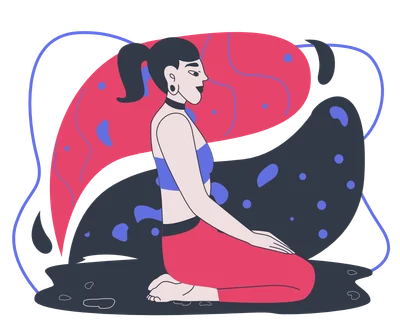
Vajrasana
A kneeling seat, mostly restful, included here because the fronts of the thighs are still under a real, if quiet, stretch and load the whole time you're in it.
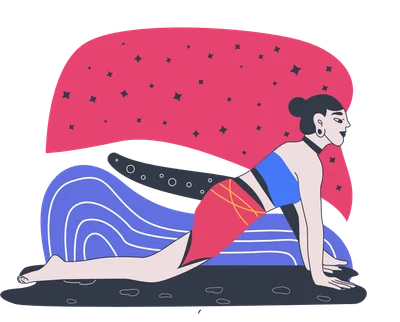
Utthan Pristhasana
A low lunge that stretches and strengthens the front leg at once, asking it to hold a demanding position rather than just fold into it.
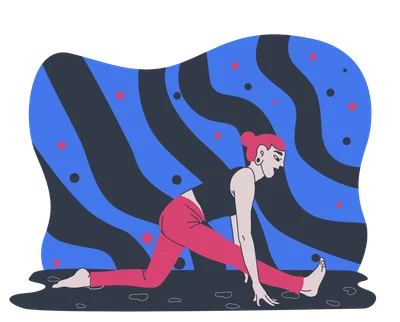
Ardha Hanumanasana
A hamstring stretch that also asks the standing leg, the one still bent underneath you, to hold steady and take real weight.
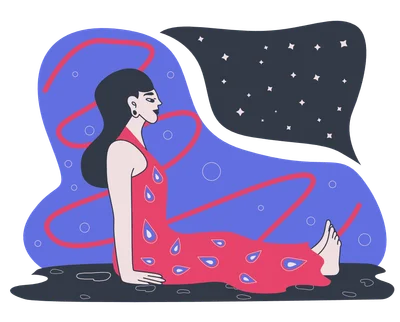
Dandasana
It looks like simple sitting, but the legs stay active the whole time, pressing out through the heels rather than going slack. It's a quiet test of leg engagement most people fail without noticing.
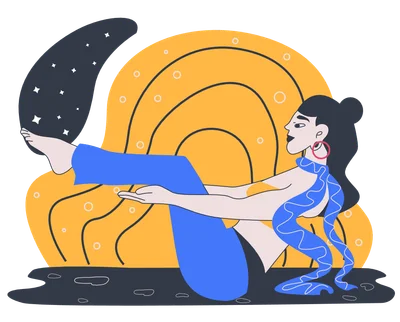
Paripurna Navasana
The legs lift and hold, straight and unsupported, which is as direct a test of the front of the thighs and the hip flexors as a seated pose gets.
Arm Support — Legs Doing Unexpected Work
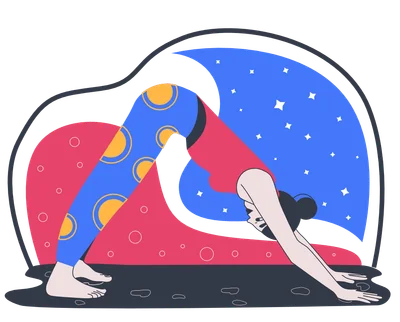
Adhomukha Shvanasana
It reads as an arm and shoulder pose, but the legs are actively pressing the thighs back and the heels toward the floor the whole time, working harder than most people realize.
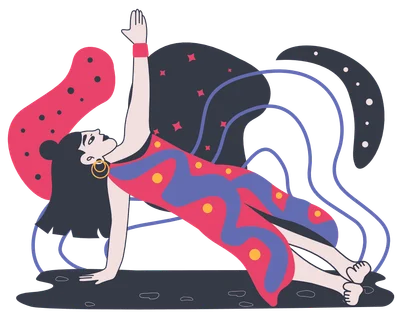
Vasisthasana
One foot on the ground carrying the full weight of the lower body in a straight line. The standing leg has no help here at all.
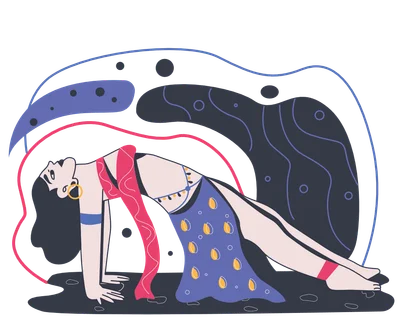
Purvottanasana
Hands and feet on the floor, the whole body lifted into a line. The legs, especially the fronts of the thighs, are doing real work to keep the hips lifted rather than sagging.
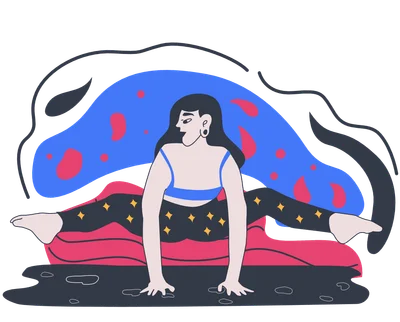
Tittibhasana
The legs straighten out fully while the hips lift off the ground, held by the arms and a strong, engaged front line of the legs at once.
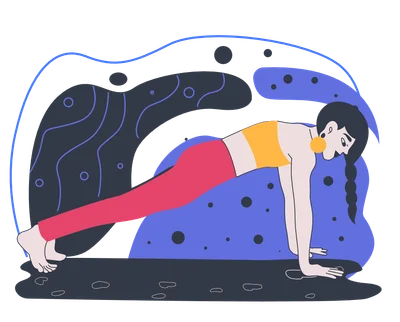
Utthita Chaturanga Dandasana
It reads as a core and shoulder pose first, but the legs are fully engaged too, quadriceps active, holding the whole line straight from the heels.
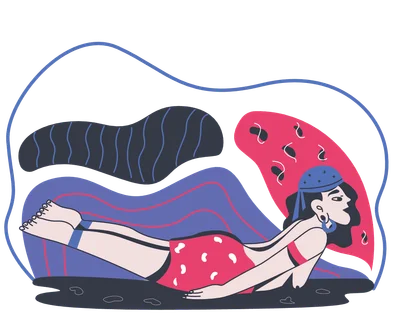
Shalabhasana
A backbend on the belly with the legs lifting off the floor, held up entirely by the muscles of the lower back and the backs of the legs together.
A 20-Minute Leg-Strength Sequence
Same idea as always. Not five random poses, there's a build to it: arrive, build through held stances that ask more with each pose, meet a balance that takes away the second leg entirely, then return to something wide and stable before you finish.
- 1Thunderbolt Pose1 minute
Arrive. Sitting still while the fronts of the thighs already start to work quietly.
The practice moves from held stances into a balance that takes away the second leg entirely, then back to a stance that's wide and stable again. Legs respond well to that kind of variety, isometric holds, a real balance challenge, then a return to something grounded, rather than the same shape repeated six times.
Teaching a Leg & Glute Strength Class
Cue weight distribution in the standing poses specifically, front knee over the ankle, weight through the whole foot rather than just the toes. Leg-strength classes fatigue fast, so build in short rests, standing in Mountain Pose for a few breaths between the harder holds works better than pushing straight through. Building a full class around this theme: the Sequence Builder lets you start from any of these poses and adjust hold times, order and how much standing versus floor work you want.
Open the Sequence Builder →Build Your Leg & Glute Strength Practice
Get my practiceFrequently Asked Questions
What makes a yoga pose good for leg strength?
Mostly held stances, warriors, lunges, chairs, rather than fast repeated movement. Holding a demanding shape for several breaths builds a steadier, more enduring strength than quick repetitions do.
Can yoga actually build meaningful leg strength, or just tone?
Held poses like Chair Pose and Warrior II create real, sustained muscular effort, similar in principle to an isometric hold in weight training. It won't replace heavy resistance training for maximum strength, but it builds genuine, useful strength on its own.
How long should I hold a leg-strength pose?
Longer than most other poses, eight to twelve breaths on the standing holds like Chair Pose or Warrior II, since the burn is most of the point.
Are these poses suitable for beginners?
Yes, start with Warrior II, Chair Pose and Staff Pose. Firefly Pose and the deeper balances further down are worth building toward. This is general information, not medical advice. See the medical disclaimer.
Related Practices