Posture & Alignment
The Slouch You Don't Notice Anymore
Bad posture rarely arrives as a single bad decision. It's thousands of small ones, a shoulder that creeps forward toward a laptop, a hip that shifts more weight to one side while standing in line, a head that drifts forward toward a phone. None of it feels wrong in the moment, which is exactly why it adds up.
These poses work mostly by giving you a clean reference point, an exact, symmetrical shape to compare your actual body against. Standing in Mountain Pose with genuinely even weight across both feet is harder than it sounds precisely because most people have stopped noticing when they're not doing it.
Alignment here doesn't mean a single "correct" posture held rigidly all day. It means knowing what neutral actually feels like, so you can tell when you've drifted away from it and choose to come back.
Maybe it's a shoulder that sits noticeably higher than the other in the mirror, or a neck that aches by the end of a workday spent looking down. Maybe it's just curiosity about whether your standing posture is as even as it feels. These poses build awareness more than they build a fix, once you can feel the difference between aligned and not, correcting it gets much easier.
Standing Alignment — The Reference Points
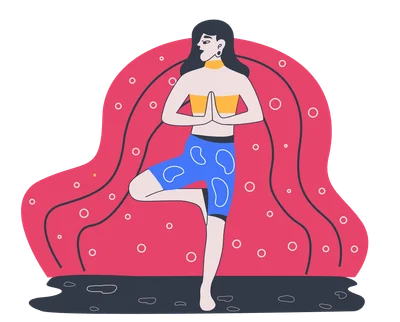
Vrkasana
Standing on one leg reveals postural habits a two-footed stance hides easily, a hip that shifts, a shoulder that drops, a spine that leans to compensate.
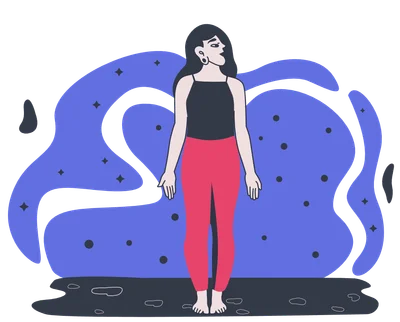
Tadasana
The most basic standing shape, and the hardest to actually get right. Even weight across both feet, ears over shoulders over hips over ankles, is a genuine skill most people have never practised.
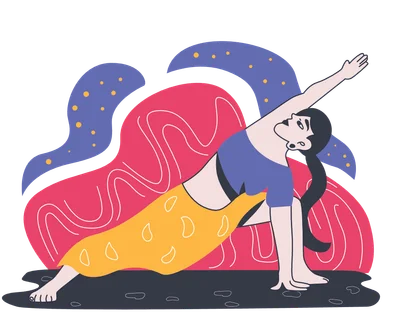
Utthita Parsvakonasana
A long diagonal line from the back foot to the reaching fingertips. Keeping that line straight rather than collapsing at the waist takes real postural awareness under a real stretch.
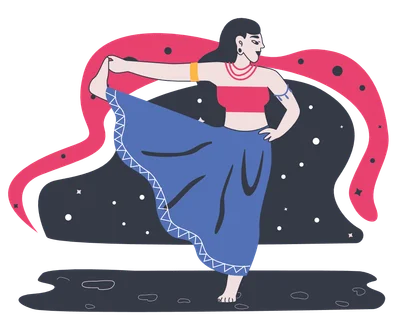
Utthita Hasta Padangusthasana B
A held leg out to the side tends to expose whether the standing side of the body is staying long or quietly shortening to compensate.
Seated Alignment — Sitting Without a Backrest
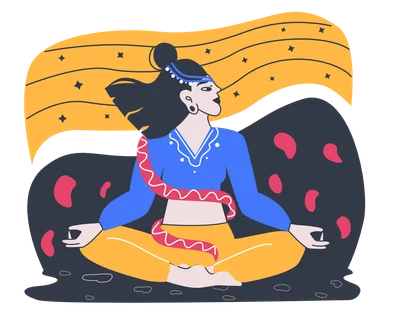
Sukhasana
A simple cross-legged seat, and often the first place people notice how much they rely on a backrest. Sitting tall here without support is a direct test of spinal alignment.
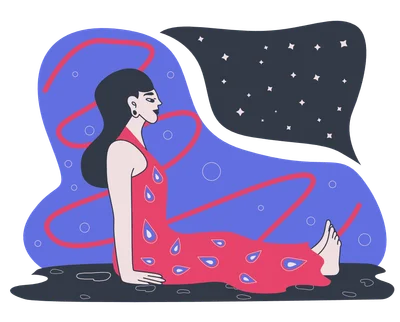
Dandasana
Legs out straight, spine lifted. It's the seated reference point everything else on this list of seated poses gets measured against, the seated version of Mountain Pose.
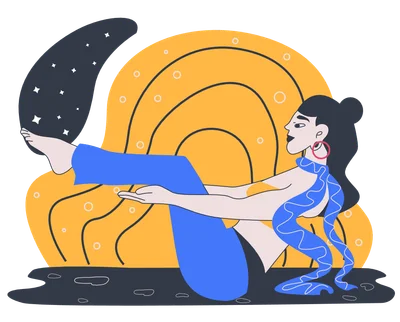
Paripurna Navasana
A held V-shape with no backrest and no legs on the ground either. Keeping the spine long rather than rounding takes real, active postural effort, not just balance.
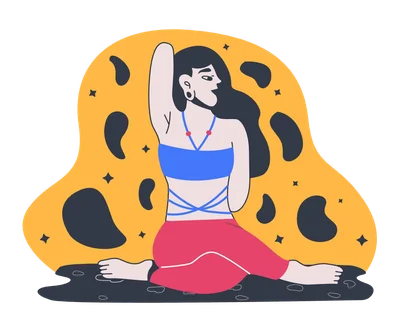
Gomukhasana
One knee stacked over the other, and it's easy to let the spine tip to one side to compensate for uneven hips. Staying centred through that asymmetry is the actual skill.
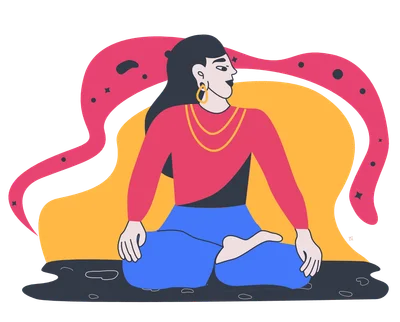
Padmasana
A deep, symmetrical hip position that, done correctly, lets the spine sit naturally tall without effort. Done by forcing the knees, it does the opposite, which is exactly why patience with this pose matters.
Kneeling and Arm Support — Alignment Under Asymmetry
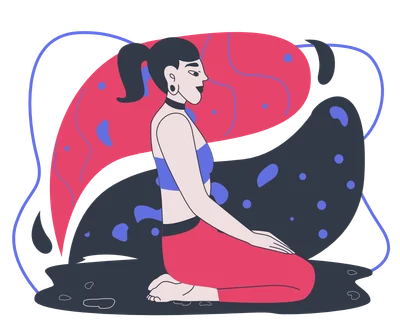
Vajrasana
A kneeling seat with a naturally long spine, a good, low-effort place to check in on posture without any other demand competing for attention.
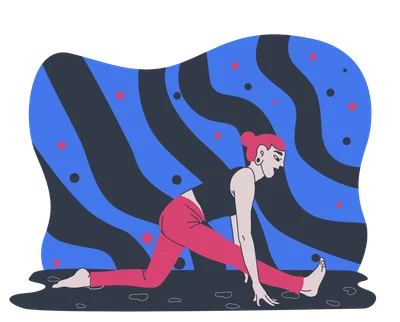
Ardha Hanumanasana
One leg extended, one bent beneath you, an inherently asymmetrical shape. Keeping the hips level despite that asymmetry is the real alignment challenge here.
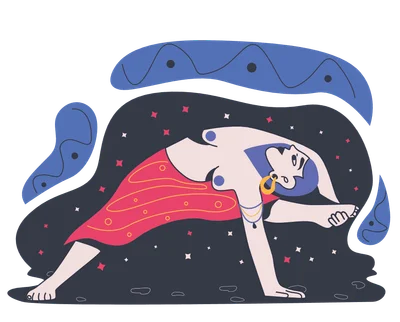
Visvamitrasana
A demanding arm balance with a deep side stretch, and there's no way to fudge alignment in a shape this specific, the body either lines up correctly or the pose doesn't work at all.
Supine — Alignment Lying Down
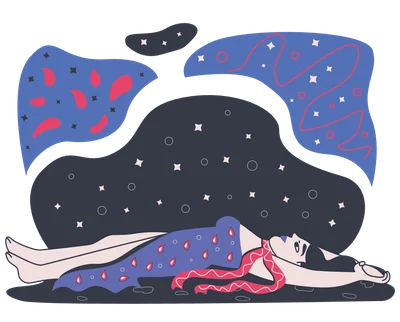
Bananasana
Lying flat and curving the whole body evenly to one side, like a banana. It's a good test of whether one side of the torso has quietly gotten shorter than the other.
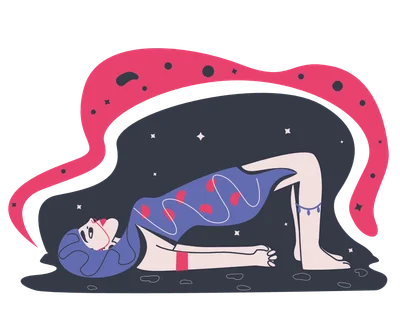
Setu Bandha Sarvangasana
The hips lift while the shoulders and feet stay grounded, and it's easy for one hip to rise higher than the other without noticing. Keeping the lift level is the actual alignment work.
A 20-Minute Posture Sequence
Same idea as always. Not five random poses, there's a build to it: check alignment standing, then balancing, then lying down, three different relationships to gravity that each reveal something the others don't.
- 1Mountain Pose1 minute
Arrive. Even weight across both feet, the reference point for the rest of the practice.
- 2Tree Pose5 breaths each side
Build. Standing on one leg reveals habits a two-footed stance hides easily.
- 3Extended Side Angle Pose5 breaths each side
Build. A long line under real stretch, testing whether it stays straight.
- 4Extended Hand-to-Big-Toe Pose (Side)5 breaths each side
Peak. Checking whether the standing side stays long under a real balance demand.
The practice checks alignment standing, then balancing, then lying down, three different relationships to gravity that each reveal something the others don't. A posture habit that hides while sitting often shows up the moment you stand on one leg.
Teaching a Posture & Alignment Class
Use a mirror, or a partner's eyes, more than verbal cues alone, most postural habits are invisible to the person doing them and obvious to anyone watching. Cue symmetry specifically, ask students to check whether both sides genuinely match rather than assuming they do. Building a full class around this theme: the Sequence Builder lets you start from any of these poses and adjust hold times, order and how much standing versus floor work you want.
Open the Sequence Builder →Build Your Posture & Alignment Practice
Get my practiceFrequently Asked Questions
What makes a yoga pose good for posture and alignment?
Poses with an exact, symmetrical shape to compare your body against, Mountain Pose and Staff Pose especially. They give you a clear reference for what neutral actually feels like.
Can yoga actually fix bad posture?
It builds the awareness that makes fixing it possible, feeling the difference between aligned and not. The actual correcting still happens throughout the rest of the day, not just on the mat.
How long should I hold a posture-alignment pose?
Long enough to actually check in, twenty to thirty seconds on the standing poses, longer on the seated ones where the point is noticing over time, not holding intensely.
Are these poses suitable for beginners?
Yes, nearly all of them, this is one of the more accessible pages here. Mountain Pose, Staff Pose and Easy Pose are good starting points for anyone. This is general information, not medical advice. See the medical disclaimer.
Related Practices