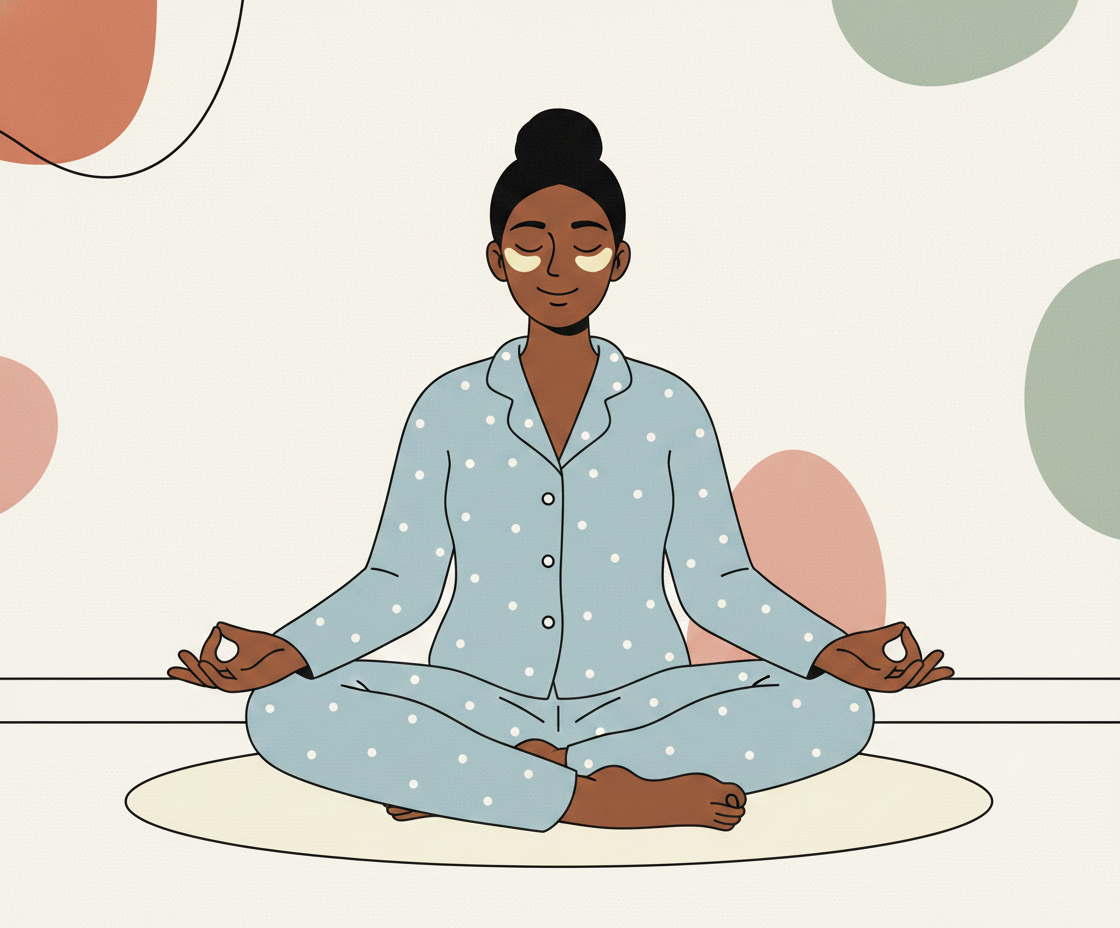
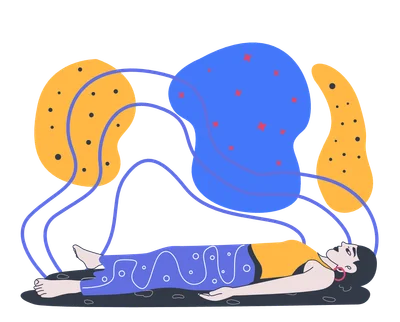
A few years ago a student of mine, a corporate lawyer who came to class still answering emails in her head, stayed after practice one evening. She'd been doing a simple breath count during Savasana, nothing fancy, just watching inhale and exhale. She said, quiet and a bit stunned, 'For about ten seconds there was no voice in my head narrating anything. Just the room.' That's it. No fireworks, no vision. But she kept coming back to that sentence for weeks, because she'd never experienced her own mind without its constant commentary track. That ten seconds is what Patanjali is actually pointing at in the Yoga Sutras. He wasn't writing a philosophy book. He was writing a manual for exactly that kind of moment.
When we talk about Patanjali, the light of self-knowledge, we're not reaching for a nice metaphor. We're pointing at something you can feel directly when the mind goes quiet enough, the way my student felt it, briefly and unmistakably. I've sat with students who spent years reading about consciousness and never once touched it directly. That's the gap Patanjali closes. His sutras are short, almost clinical, because he wasn't interested in poetry. He wanted results: a mind so still it stops distorting what's real.
Two thousand years later, we're still overstimulated, still confusing our thoughts for truth, still craving that same ten seconds of clarity my student stumbled into. Patanjali's map hasn't aged because the human mind he was describing hasn't changed much either.
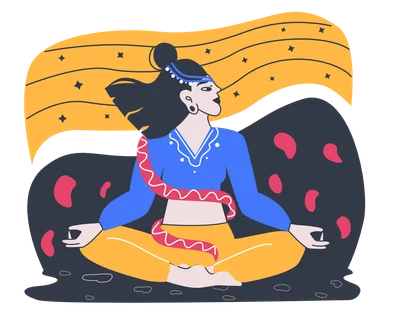
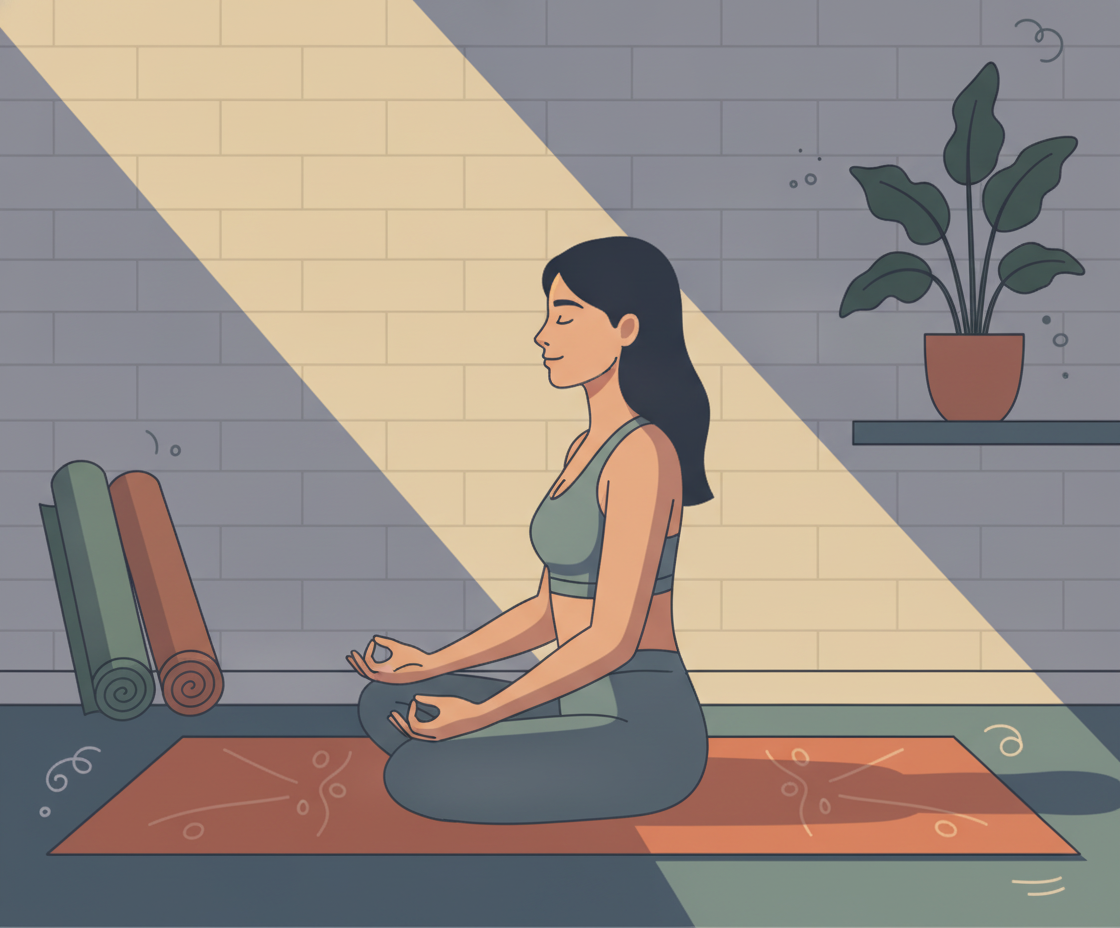
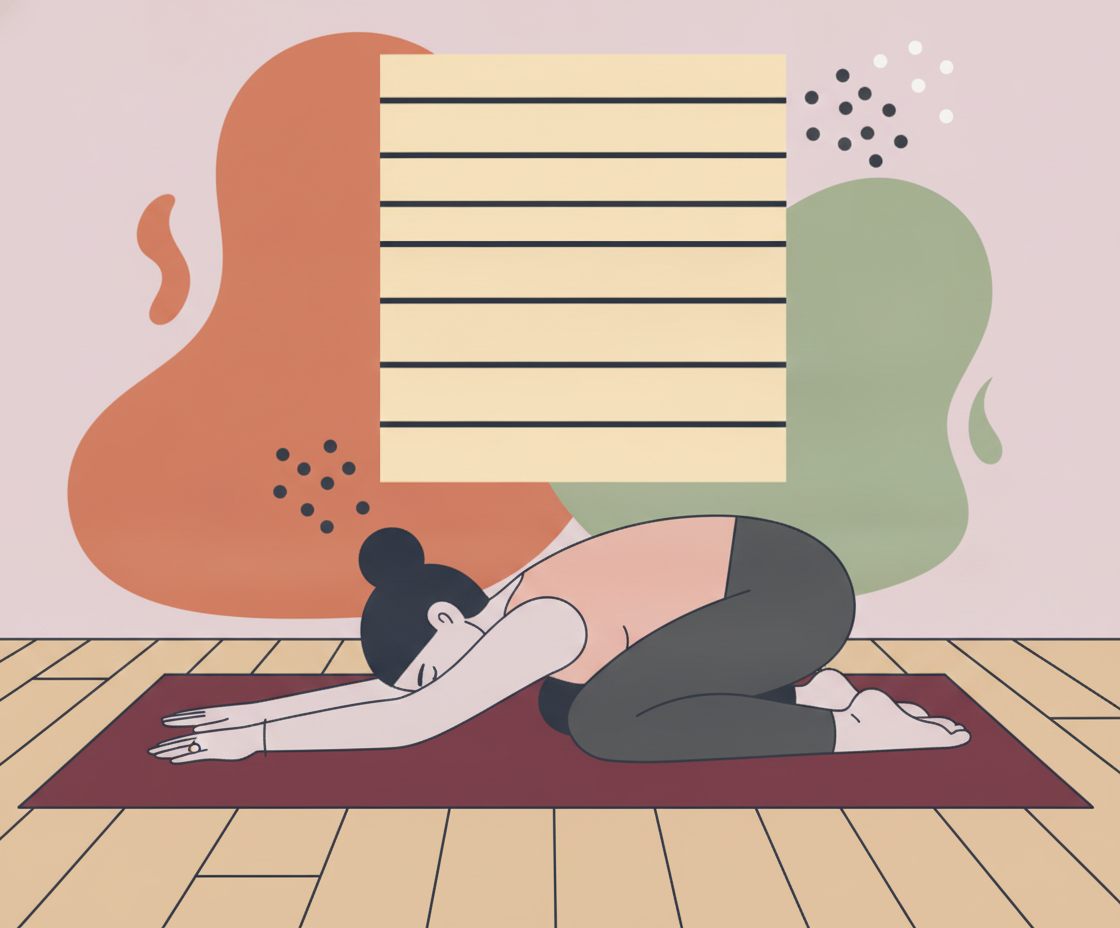
Die innere Illumination beginnt mit aufrichtiger Sitzhaltung und fokussiertem Bewusstsein
Patanjali and the Yoga Sutras: The Architecture of Self-Knowledge
Who Was Patanjali?
Honestly, we don't know that much about the man himself. No birthplace, no biography, just a name attached to one of the most precise psychological texts ever written. Some traditions place him a couple thousand years back, somewhere in the compilation of scattered yogic knowledge that had been passed down orally for generations. What matters more than his personal history is what he did: he took a chaotic mess of oral teachings, meditation techniques, and philosophical fragments and organized them into a single, coherent system. Patanjali didn't invent yoga. He compiled it, tested its logic, and gave it a spine.
The Four Chapters: A Map of Consciousness
The Patanjali Yoga Sutras are split into four chapters, called padas, and they're not random groupings. They build on each other like floors of a building. The first, Samadhi Pada, defines what yoga actually is and what meditative absorption feels like. The second, Sadhana Pada, gets practical: this is where Ashtanga Yoga Patanjali laid out, the eight limbs, shows up, giving you an actual method instead of vague inspiration.
The third chapter, Vibhuti Pada, explores the subtler powers that arise from deep concentration, and the fourth, Kaivalya Pada, deals with liberation itself, the final unhooking of awareness from illusion. Reading them in order, you notice something: this isn't scattered wisdom. It's yoga philosophy Patanjali built like an engineer builds a bridge, each section load-bearing for the next.
That's what makes self-knowledge yoga so different from just journaling your feelings or having a random flash of insight. Patanjali's structure suggests clarity isn't luck. It's sequential. You steady the body, then the breath, then the senses, then the mind, and only then does deeper seeing become possible. His genius was fusing philosophy, early psychology, and embodied practice into one working system, still functional, still honest, centuries later.
The Inner Light: Concentration as a Gateway to Self-Recognition
Yoga Sutra I-36 and the Luminous Path
One sutra I keep coming back to with students is I-36. Patanjali describes concentration on an inner light, vishoka jyotishmati, as a direct route to self-knowledge and higher consciousness. Not a metaphor you nod along to, but an actual technique. He's basically saying: give the mind one steady point of luminosity to rest on, and something in you that was scattered starts gathering itself back together. This is Patanjali philosophy at its most practical, not abstract theorizing but a tool you can pick up today.
This kind of inner illumination, the clarity of mind that turns study into real understanding, is exactly Saraswati's domain, and the mantra Om Aim Saraswatyai Namaha stands for wisdom, clarity, and the discipline to keep learning. As a daily reminder there is our Saraswati shirt, so you carry her with you at all times, even off the mat.
I usually introduce this to students already comfortable in Sukhasana, Easy Pose. Sitting cross-legged, spine tall but unforced, gives the nervous system a signal that it's safe to stop scanning the room and turn inward. Once that grounding is there, we can actually look for the light instead of just thinking about it. This is where selbsterkenntnis yoga, self-knowledge through yoga, stops being a phrase and starts being felt in the body.
Here's the distinction that trips people up: understanding the idea of inner light intellectually is easy. Experiencing it is a different animal entirely. Plenty of my students can explain the sutra beautifully in a workshop discussion and still never have touched it in meditation. Real practice within the patanjali yoga sutras framework asks you to stop visualizing light like a mental picture and instead let a felt sense of radiance arise on its own. You don't paint the light, you uncover it.
For deeper sits, Padmasana, Lotus Pose, is the classic seat for this work in raja yoga, the royal path within ashtanga yoga patanjali later systematized. The locked, self-contained shape settles restless energy fast, giving the mind fewer excuses to wander. What practitioners often describe afterward, a warm brightness behind the eyes, a settled clarity, lines up with what happens physiologically in deep meditation: slower brainwaves, quieted sympathetic activity, a nervous system finally off high alert. Patanjali named this centuries ago. Modern practice just keeps confirming he was onto something real.
Raja Yoga: Mastering the Mind to Illuminate the Self
Raja Yoga is often called the royal path, and once you understand what it actually asks of you, the name makes sense. This is Patanjali's full architecture for working with the mind directly, not tricking it or bypassing it, but training it the way you'd train any wild, powerful thing. The Yoga Sutras describe the mind's natural state as clear, like still water. What clouds it is conditioning: old reactions, stored fear, habits of grasping and avoiding. Raja Yoga according to Patanjali is essentially about mastering the mind through meditation as a tool for self-knowledge, and that mastery isn't about control in the corporate sense. It's about removing what's in the way.
The Eight Limbs as a Path to Mental Clarity
This is where the eight limbs of Ashtanga Yoga Patanjali laid out come in, and I've watched students misunderstand this order for years. The ethical foundations of Yama and Niyama come first because a mind wrestling with guilt or dishonesty can't sit still. Asana, the physical postures, comes next to settle the body enough that it stops interrupting you. Then Pranayama, breath control, works directly on the nervous system. None of these limbs are separate hobbies. They're sequential filters, each one clearing static so the next practice can go deeper. By the time you reach the internal limbs, your instrument is finally tuned.
Meditation as the Crown of Practice
Concentration, meditation, and absorption form the final stretch, and this is where self-knowledge in yoga stops being introspective and starts becoming something stranger. You're not analyzing your personality here. You're watching the mind's fluctuations settle until there's nothing left obscuring pure awareness, until the sense of a separate, personal self starts to dissolve into something more universal. Padmasana, the Lotus Pose, became the classic seat for this work for good reason. Its grounded, symmetrical shape keeps the body quiet enough for long sitting, which lets you actually explore that inner light instead of fighting your knees. I've sat with students in Padmasana who describe the same thing: a kind of spaciousness that isn't about thinking harder, it's about thinking less.
Chapter Two: Stabilizing the Inner Foundation for Awakening
Sadhana Pada and the Practice of Self-Transformation
Patanjali doesn't hand beginners the finish line. The second chapter, Sadhana Pada, is written for people who already have some inner stability, and a well known resource on the Yoga Sutras points out exactly this: this section speaks to practitioners who've built a foundation, guiding them toward genuine spiritual self-knowledge. You can't skip to the good part. The soil needs work before anything grows in it.
This is where Patanjali introduces Kriya Yoga, a trio of practices that sound simple but ask a lot of you. Tapas, the discipline that burns through laziness and avoidance, might look like getting on your mat at six in the morning even when the blanket is warm and the excuses are ready. It is the small, repeated friction that builds a different kind of strength. Svadhyaya, honest self study through reflection and text, can be as concrete as reading a few lines of the Bhagavad Gita each evening and asking yourself where your own resistance showed up that day, or simply journaling one honest sentence before bed about what you avoided. Ishvara pranidhana, the surrender of your ego's grip on outcomes, often starts small too. I ask students to dedicate one asana practice a week without checking their progress at all, no mirror, no comparing today to yesterday, just movement offered without a scorecard. None of these are about willpower alone. They're about slowly reshaping how you relate to yourself, which is really the whole project of yoga philosophy according to Patanjali.
Building Capacity Before Illumination
I tell my students this a lot: you can't meditate your way past unprocessed pain. Real self-knowledge in yoga requires a nervous system that can actually stay present with discomfort instead of dissociating from it. Trauma and old conditioning create grooves in the mind, habitual reactions that fire before awareness even shows up. Tapas and svadhyaya are how you interrupt that pattern, one honest look at a time, not through force but through steady, repeated exposure to what is uncomfortable.
Ashtanga yoga according to Patanjali isn't a shortcut to bliss, it's scaffolding. Ishvara pranidhana asks you to loosen your grip on control, which sounds lovely until you realize how much of your identity is built on controlling things. I've watched students resist this step the hardest, because surrender feels like losing yourself before you've found anything solid to stand on. But that's the sequence. Build capacity first, stabilize the nervous system, do the psychological groundwork, and only then does the transcendent stuff stop feeling like an escape and start feeling like an arrival.
Embodied Illumination: Meditation Poses and the Activation of Inner Vision
Here's the thing nobody tells you in a beginner class: your posture isn't just scaffolding for the meditation. It's part of the message. When Patanjali talks about self-knowledge in the Yoga Sutras, he's not describing a purely mental event that happens to occupy a body. The spine, the hips, the crown of the head, they're all instruments. Get them right and something in the nervous system relaxes into a very specific signal: we're not running from anything right now, we're here to look inward.
Sukhasana, Padmasana, and Sirsasana: Physical Anchors for Spiritual Unfolding
Sukhasana, Easy Pose, is where most people start, and honestly, most people never need to leave it. Sitting cross-legged with a straight spine grounds you in comfort and presence without demanding anything extra from the hips. In terms of yoga philosophy, Patanjali's whole approach to asana is built on sthira sukham asanam, steady and comfortable posture. Sukhasana is that principle in its plainest form.
Padmasana, Lotus Pose, asks more of the body but gives something specific back. It's the classic seat of Raja Yoga meditation because the folded legs create a physical seal, a kind of closed circuit that keeps energy from leaking outward and turns attention inward instead. I've had students describe the moment their knees finally settle as the moment their mind actually stopped negotiating with the pose and started sitting with itself.
Sirsasana, Headstand, works differently again, and it's worth slowing down here because the mechanism is more interesting than 'blood rushes to your head.' Inverting the body changes venous return: instead of gravity pulling fluid down toward the legs, it now assists flow back toward the heart and up through the carotid arteries toward the brain. Baroreceptors in the neck register the shift and the parasympathetic nervous system, the branch responsible for rest and digestion rather than fight or flight, gets a distinct nudge. Heart rate can settle, breath tends to lengthen on its own. In the traditional understanding this same reversal is read energetically rather than vascularly: prana, the vital breath or life force, normally flows downward and outward through daily activity, and inversion is thought to reverse that current, drawing it up through the central channel, sushumna nadi, toward the crown. Traditional texts locate the pineal gland here and call it the seat of what's often described as third eye vision, the capacity for insight rather than ordinary sight. I want to be honest about where the evidence stands: modern physiology confirms the circulatory and autonomic nervous system effects of inversion fairly well, but claims about the pineal gland and subtle energy remain part of yogic cosmology, not laboratory findings. Both descriptions, the vascular and the energetic, are pointing at the same lived event from different vocabularies. Sirsasana is a physically intense pose, not for everyone on any given day, but it points at something central to Patanjali's philosophy: that inner light isn't abstract, it has an axis, and that axis runs straight through the spine.
Stillness as a Prerequisite for Self-Recognition
None of these postures work as decoration. Stillness in the body is what convinces the nervous system it's safe enough to stop scanning for threats and start noticing subtler things, thought patterns, breath rhythms, the quiet space behind both. That's the real ground for self-knowledge in yoga: not a concept you understand, but a stillness you inhabit long enough for recognition to arise on its own.
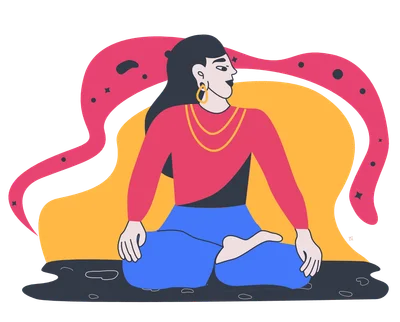
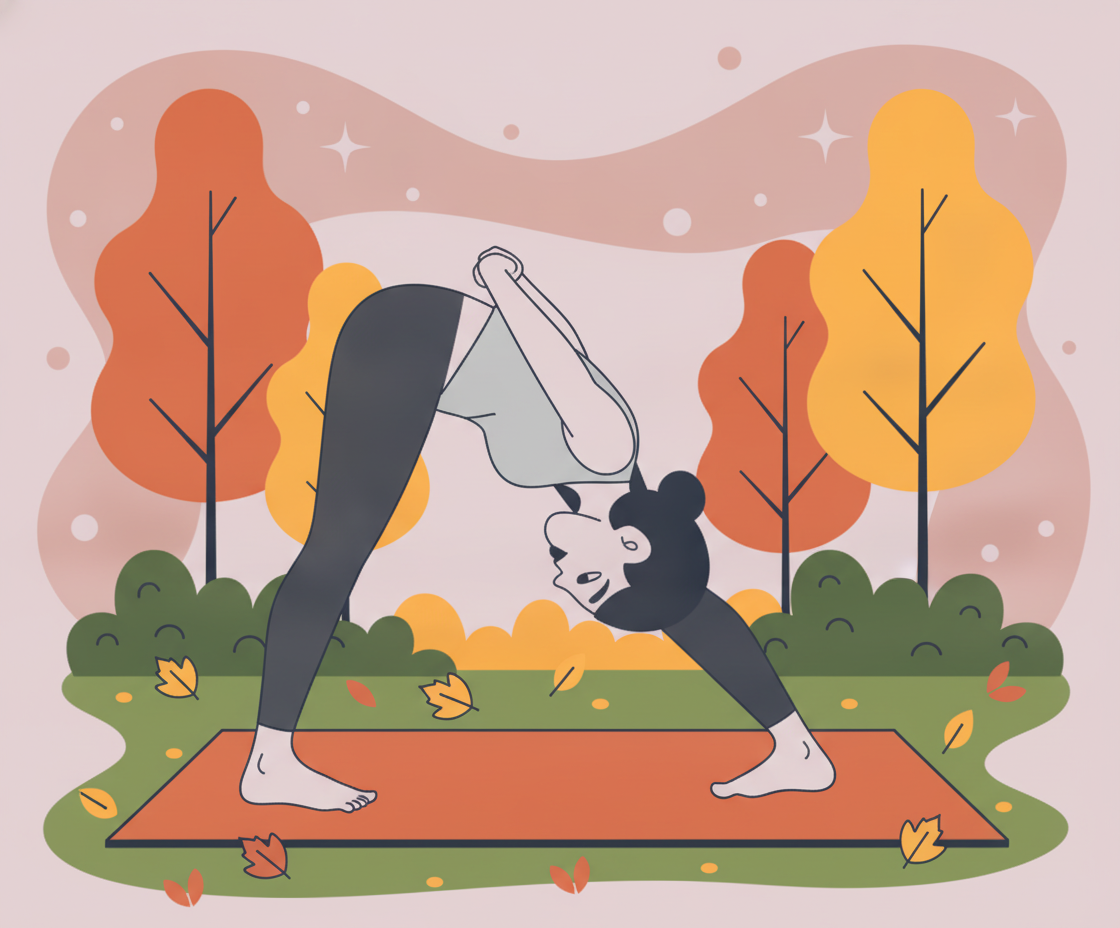
Vorbeugenhaltungen aktivieren die innere Vision durch achtsame Umkehr und Erdung
From Self-Knowledge to Liberation: The Fruit of Patanjali's Path
Kaivalya: The Final Freedom
Patanjali calls the destination of this path kaivalya, usually translated as absolute freedom or aloneness. It sounds distant, almost mystical, but strip away the Sanskrit and it's simpler than it seems: kaivalya is what remains when you stop mistaking your thoughts, moods, and roles for who you actually are. In Patanjali's philosophy, this isn't a place you travel to. It's what's already here once the mental noise settles enough for you to notice it.
This is the part students often miss when they first study the Yoga Sutras. Self-knowledge, in this system, isn't a prize waiting at the end of years of discipline. It's available right now, in this breath, underneath whatever story your mind is currently running. Liberation isn't earned like a certificate. It's uncovered, the way you'd clear leaves off a spring to find water that was flowing the whole time.
How to Begin Your Own Journey of Illumination
You don't need a mountain retreat to start. Sit for ten honest minutes a day and actually show up for them. Build an ethical foundation through the yamas and niyamas, yoga's ethical guidelines, letting conscious choices in ordinary moments become your practice ground. Read the Yoga Sutras directly rather than only secondhand summaries. Ashtanga yoga, Patanjali's eight-limbed path, gives you a full map, but you still have to walk it yourself, one limb at a time.
Find people walking a similar road. A teacher, a study group, even one honest friend who's also sitting with these questions makes the practice steadier and far less lonely. None of this requires anything exotic. Patanjali never asked for perfection, just sincerity and repetition over time.
Sutra 1.2 states it in four words: yogash chitta vritti nirodhah. Yoga is the settling of the fluctuations of the mind. Every technique in the text, every limb of Ashtanga, every hour on the mat, exists to serve that one line. Not to add something to you, not to make you calmer as a personality trait, but to still the churning so what's underneath can be seen clearly. That's the whole book, decoded. Everything else is method.
Sources & further links
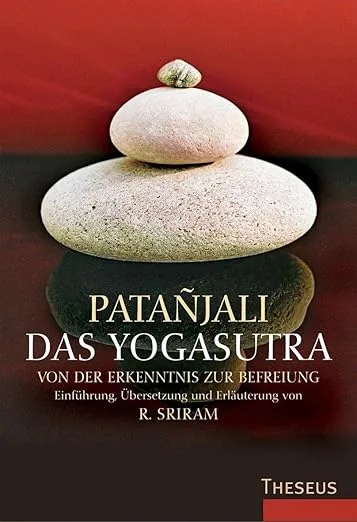
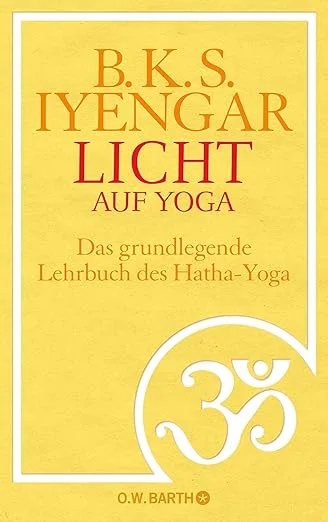
If you want to go deeper than any single article can take you, the next step is to sit with the Yoga Sutras themselves, ideally alongside a good commentary. I always tell my students the same thing: read a translation, then read a second one, because Patanjali's Sanskrit is so compressed that no single English rendering captures every layer. B.K.S. Iyengar's Light on the Yoga Sutras of Patanjali is the one I return to most often. Iyengar spent a lifetime in the body of the practice before he wrote about the mind of it, and that shows in how grounded his commentary feels, never abstract for its own sake.
For a different flavor, Barbara Stoler Miller's translation is worth having on your shelf. It reads more like literature than like a manual, which suits people who come to the Sutras through poetry or philosophy rather than through asana. Teachers like David Garrigues point students toward her work for exactly that reason, it slows you down and makes you sit with the language instead of rushing past it. Georg Feuerstein's translation is the one I hand to students who ask the harder philosophical questions, the ones about consciousness, purusha, and prakriti. His scholarly background gives the commentary a precision that some other editions lack, though it asks a bit more patience from the reader in return.
Practicing the teachings, not just reading them
Reading Patanjali is only half the work. The Sutras were never meant to stay on the page, they were meant to be lived through meditation, breath, and steady attention. If you want structured guidance for that, Ananda Meditation Retreats runs a retreat from July 30 to August 2, 2026, built specifically around Patanjali's Yoga Sutras and meditation practice. That kind of immersive setting can do something a book cannot: it gives you days in a row to actually sit with the mind's fluctuations Patanjali describes, rather than just reading about them between errands.
If your interest leans more academic, the Yoga Philosophy Institute offers courses taught by instructors with doctoral training in Patanjali's teachings. I recommend this route to students who want the historical and textual context fully unpacked, how the Sutras relate to Samkhya philosophy, how later commentators like Vyasa shaped our reading of them, and where scholars still disagree. None of these resources will hand you enlightenment on a plate, no book or course can do that. But they can give you sturdier ground to stand on as you build your own relationship with the practice.

 AsanaTotenstellungSavasanaZur Asana →