Asanaverse
yogasphere

The Secret of Slow Breathing: How Conscious Breathing Transforms Your Brain and Well-being

von Leila Nouri21. August 2026 12 Min.
The Secret of Slow Breathing: How Conscious Breathing Transforms Your Brain and Well-being

Right now, your breath is automatic. But when you slow it intentionally, you touch a lever most people never use. That's the secret of slow breathing. Not some mystical trick, but a mechanism sitting right under your nose, literally, that most people never touch on purpose.

I've watched students walk into class wired, jaw clenched, mind sprinting, and walk out twenty minutes later like a completely different human, just from slowing the breath down. For years I chalked this up to good vibes. Then I started reading the neuroscience, and it clicked: this isn't relaxation folklore. Slow, conscious breathing measurably shifts brain activity, recalibrates your nervous system, and changes how clearly you think and decide.
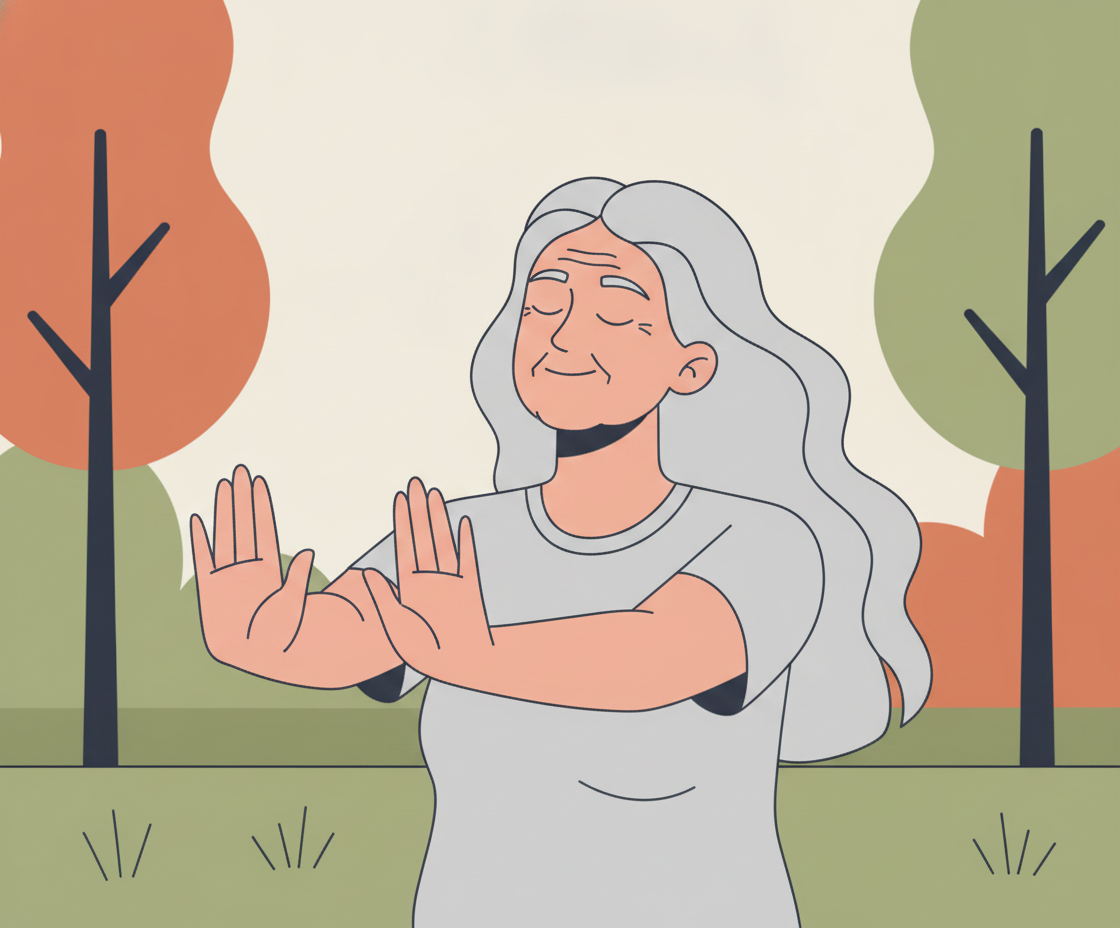
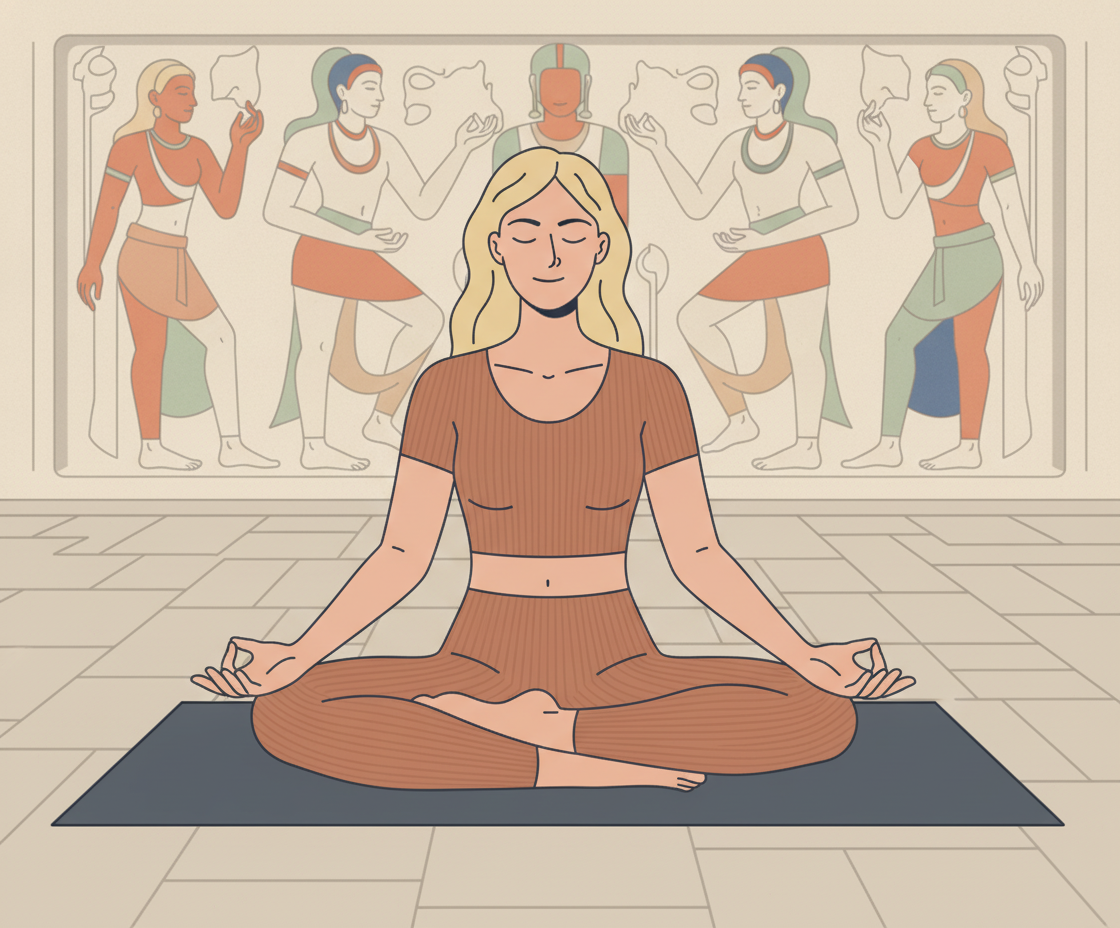
Illustration einer Person in aufrechter Sitzhaltung bei Atemübung, Atemlinien zart visualisiert
Bewusste Atmung verändert messbar deine neurologischen Prozesse

The yogis who developed Pranayama, the yogic control of breath, thousands of years ago never had brain scanners. But they were onto something science is only now catching up with.

Understanding Slow Breathing: The Bridge Between Ancient Wisdom and Modern Neuroscience

Here's the thing most people get wrong about slow breathing: it's not just about taking bigger breaths. Breathing slower means shifting the whole rhythm, and the mechanism that actually matters happens on the exhale. A proper slow breath cycle stretches the out breath longer than the in breath, sometimes twice as long. The extended exhale activates parasympathetic tone because it directly changes the pressure and stretch patterns your vagus nerve is constantly monitoring. During inhalation, your heart rate naturally speeds up a little. During exhalation, it slows down. Lengthen the exhale and you lengthen the window where that slowing dominates, which tips the whole system toward rest. Researchers at Yale School of Medicine have looked closely at exactly this mechanism, studying how slow, deep belly breathing stimulates the vagus nerve and triggers those calming signals throughout the body. That's the actual mechanism, not some side detail. It's the difference between breath work as a real practice and just gulping air dramatically in a yoga class.

Why the Exhale Runs the Show

Your nervous system reads breath rhythm like a weather report. Fast, shallow breathing tells your brain there's a tiger nearby, fire the sympathetic response, get ready to run. Slow, deep breathing with a long exhale tells your brain the opposite: nothing's chasing you, you can stand down. This isn't wishful thinking or mystical hand waving. A study on yoga breathing shows exactly this: slow and deepened breathing signals to the brain that the body is in a relaxed state, which activates parasympathetic processes, the branch of your nervous system responsible for rest, digestion, and recovery. A separate study published in Nature on deep and slow breathing, often abbreviated as DSB in the research, measured this directly and found clear reductions in physiological stress markers alongside increased vagus nerve activity when the breath was slowed and deepened. Your vagus nerve, running from brainstem to gut, picks up the slower rhythm and starts dialing down the stress hormones. I've watched this happen in class more times than I can count. Someone walks in wired, jaw tight, breath sitting high in the chest. Ten minutes of guided long exhales later, their shoulders have dropped an inch and their face has actually changed shape.

This connects two worlds that used to seem separate. Sleep researchers and stress physiologists studying slow breathing and health are essentially rediscovering what Pranayama practitioners mapped out through direct experience long before anyone had the language of the vagus nerve or heart rate variability. Deep breathing in yoga was never about looking peaceful. It was engineering, a deliberate technique to shift internal state through breath tempo and meditation. You can see this logic laid out almost clinically in the 4-7-8 breathing technique documented by the Cleveland Clinic: four seconds in, seven seconds holding, eight seconds out. The ratio isn't arbitrary. That long exhale is doing the real work, and research from the NIH, published through PMC, models exactly how this kind of airway vagal stimulation, extending the exhale phase to trigger relaxation signals, actually operates in the body.

That's why breath awareness sits at the center of nearly every contemplative tradition and every modern wellness protocol worth its salt. Whether you call it conscious breathing, slow breathing, or just breath work, you're tapping the same lever: the effect of slowed breathing on a nervous system that's constantly listening for cues about whether it's safe to relax.

How Slow Breathing Rewires Your Brain: The Neuroscience of Extended Exhalation

Here's where it gets genuinely interesting for the science nerds among you. This isn't just some vague calming effect you're chasing when you slow your breath down. A study published on PubMed actually tracked what happens in the brain during extended exhalation, and the findings go way beyond the usual stress relief narrative. Slow breathing changes how sensitive your brain is to reward, and it shifts your decision making toward choices that are more considered, less impulsive, less reactive.

Think about that for a second. Your exhale isn't just releasing air, it's literally recalibrating how your prefrontal cortex, the part of your brain handling planning and impulse control, weighs its options. When you extend the exhale through slow breathing, the vagus nerve, this long wandering nerve running from your brainstem down through your chest and gut, sends a signal upstream that essentially tells your nervous system the coast is clear. Heart rate drops. Alertness stays, but the panic edge softens.

I've watched this play out on the mat more times than I can count. Someone's mid pose, frustrated, breathing short and shallow, and the moment I cue a longer exhale, you can see their jaw unclench. That's not coincidence, that's the vagus nerve doing its quiet work, creating a feedback loop where breath informs brain state and brain state then shapes how you breathe next.

This is really the heart of slow breath meditation and why the effect of slowed breathing shows up not just in how calm you feel, but in how clearly you think under pressure. Your slow, deep breathing yoga practice isn't a detour from mental sharpness, it's building the actual neural conditions for it. You're training your prefrontal cortex to stay online when things get emotionally loud, instead of getting hijacked.
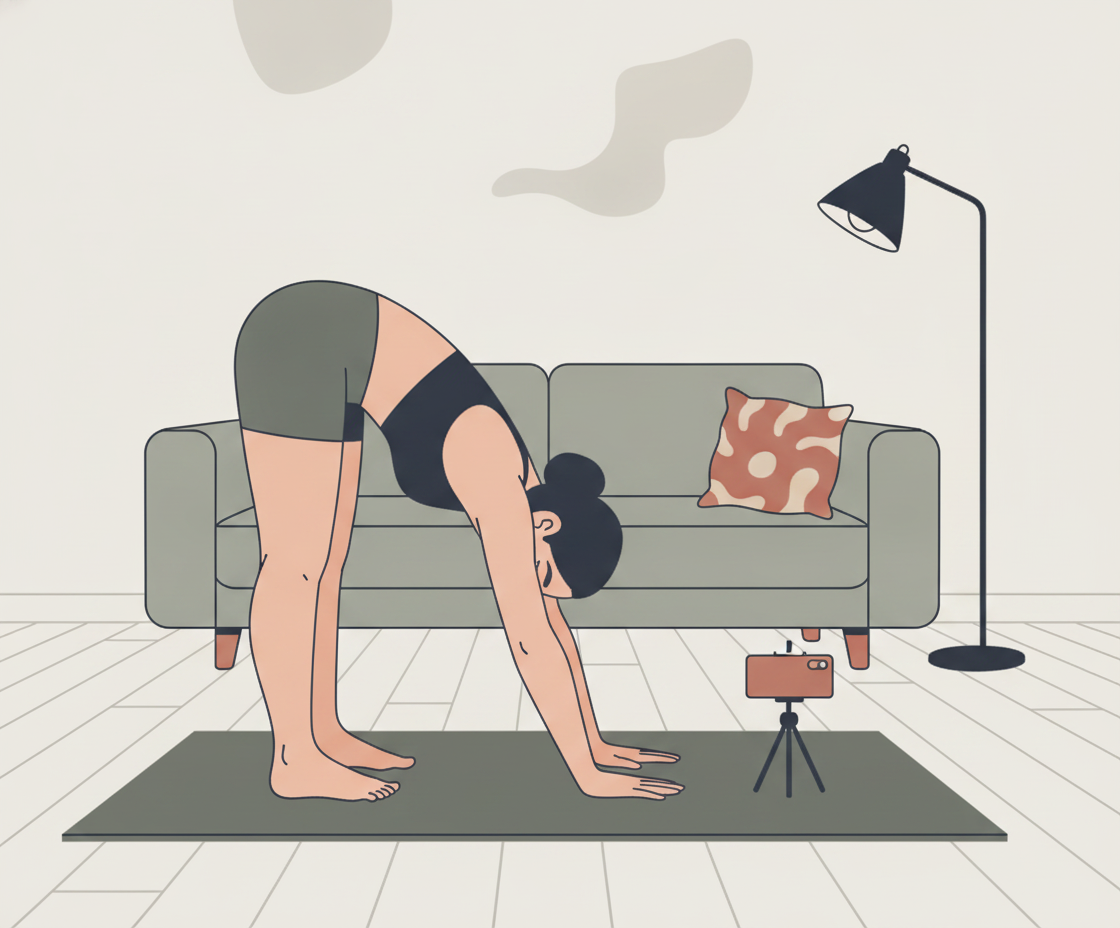
Illustration einer Person in Vorbeuge-Position mit leuchtenden Nervenbahnen im Körper, Neurowissenschaft visualisiert
Lange Ausatmungen aktivieren direkt dein parasympathisches Nervensystem

Pranayama and the Art of Conscious Breathing: Techniques to Transform Your Practice

What Is Pranayama and Why It Matters

Once you get why slow breathing rewires the brain, the obvious next question is how. That's where Pranayama comes in, the yogic science of breath control. Prana means life force, ayama means extension or regulation. So Pranayama isn't just breathing exercises, it's a deliberate technology for directing energy through the body using rhythm, ratio, and pause. It's philosophy and physiology fused into one practice.

In the yogic tradition, Pranayama is a central pillar of practice, using targeted breathing patterns to deliberately influence body, mind, and nervous system. That's not a metaphor. Change your breath ratio and you change your heart rate variability, your vagal tone, your whole internal weather system. I've watched students walk into class wired and walk out an hour later looking like different people, purely from breath work, slow breathing done with intention rather than force.
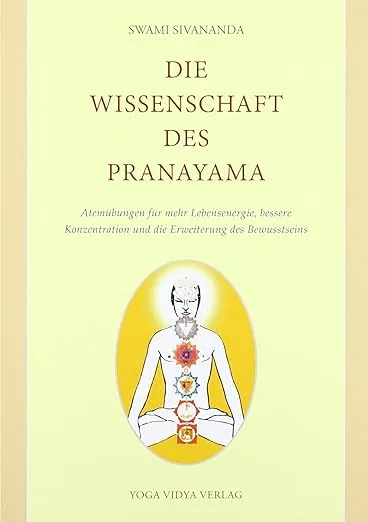
Die Wissenschaft des Pranayama

Die Wissenschaft des Pranayama

Auf Amazon shoppen

Foundational Pranayama Techniques for Beginners

Start with Nadi Shodhana, alternate nostril breathing. Close the right nostril with your thumb, inhale left, close left, exhale right, inhale right, exhale left. Keep it slow, no straining. This technique balances the nervous system beautifully and is a gentle entry into breath tempo meditation. Ujjayi, the soft ocean-sounding breath made by slightly constricting the throat, is another staple. It gives you an audible anchor, which makes wandering minds much easier to catch.

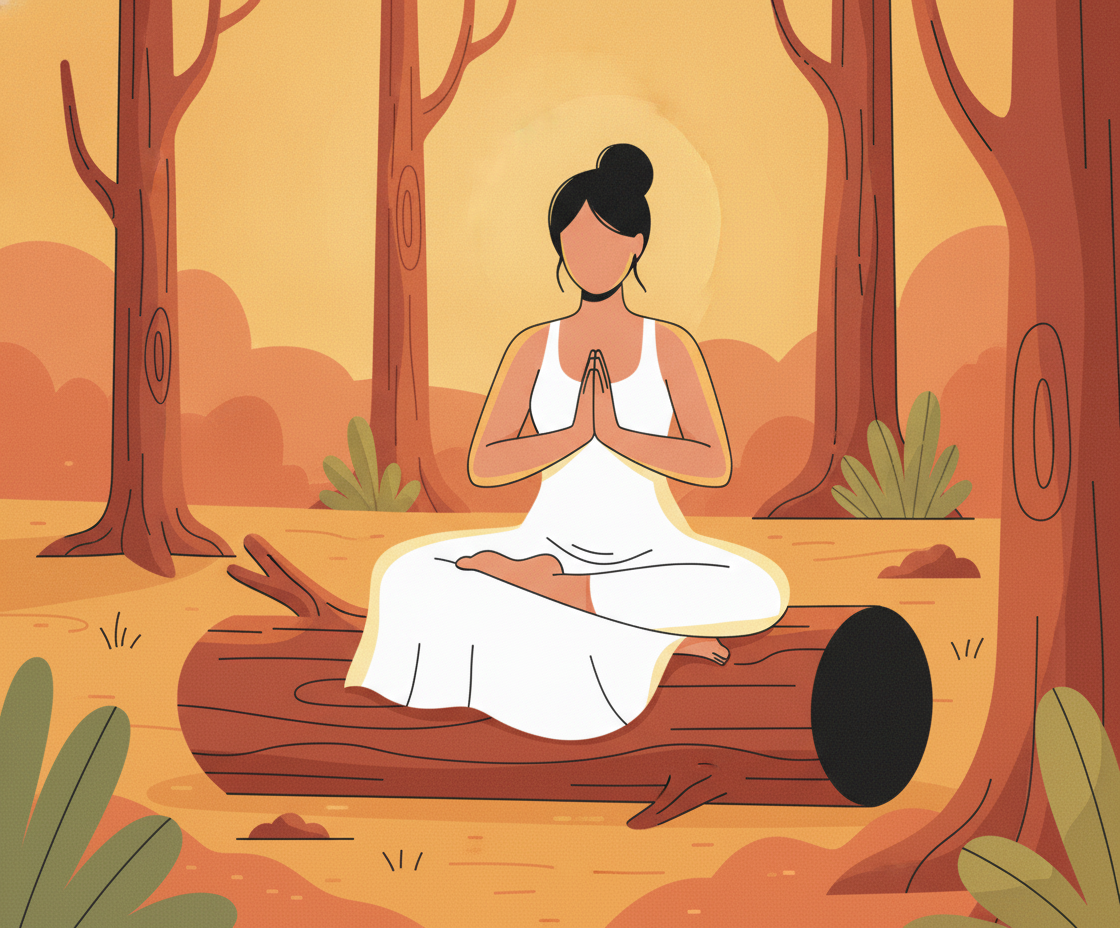
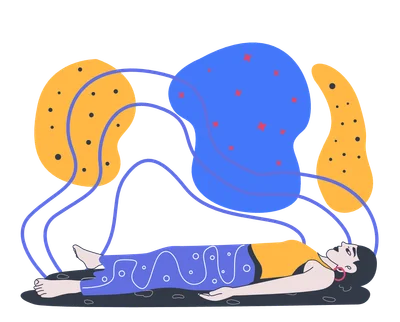
Extended exhale counting is the simplest and arguably most powerful. Inhale for four counts, exhale for six or eight. That longer exhale is what triggers the parasympathetic response, the actual mechanism behind slowed breathing's effect on the body. Practice these seated in Sukhasana, easy pose, which keeps the spine tall and breath unrestricted, the classic seat for meditation and controlled breathing work. Or lie in Savasana, corpse pose, where total physical release lets the breath deepen naturally without effort. Five minutes daily beats twenty minutes once a week. This is slow, cumulative work, not a sprint, and consistency is what actually rewires anything.'

TotenstellungAsanaTotenstellungSavasanaZur Asana →

The Psychology of Letting Go: How Slow Breathing Unlocks Inner Stillness

Here's something I noticed after years of teaching breath work, slow breathing isn't just a physiological trick. It's a rehearsal for letting go. Every extended exhale is a small practice in release, a chance to drop something you've been gripping without even realizing it. Your shoulders, your jaw, an old resentment, a worry that's been looping for hours. The exhale doesn't argue with any of it. It just asks you to soften and release, again and again.

This connects directly to aparigraha, the yogic principle of non-attachment. Aparigraha isn't about owning nothing. It's about not clutching, not grasping at outcomes, people, or identities like your life depends on it. Slow breathing gives you a physical rep for this. Each breath cycle becomes a tiny lesson: you can hold, and then you can release, and nothing falls apart.

Physiologically, this is where parasympathetic activation earns its keep. When your exhale lengthens, your nervous system gets a clear signal that you're safe. And when the body feels safe, the mind stops standing guard. That constant low hum of vigilance, the ego scanning for threats, judging, defending, finally has permission to rest.

That's when something interesting happens. You start watching your thoughts instead of getting yanked around by them. A thought arises, you notice it, and you don't have to react. This is the psychological gift underneath slow breathing gesundheit benefits: not just calmer nerves, but a wider gap between stimulus and response. Meditation traditions have pointed at this for centuries. The breath was always the door.

So when you sit down for atemtempo meditation practice, don't just count your breath. Notice what you're releasing on each exhale. That's where the real transformation quietly happens.

That release you feel on every long exhale, that quiet letting go, is the same stillness the mantra Om Namah Shivaya points to: surrender, transformation, and inner calm over clinging to what no longer serves you. Wear our Shiva shirt as a daily reminder, so you carry that calm with you long after you roll up the mat.

Om Namah Shivaya - The End of Illusion (BLACK)

Om Namah Shivaya - The End of Illusion (BLACK)

T-Shirt aus der Shiva-Kollektion. Mantra: Om Namah Shivaya. Transformation, Loslassen und Meditation — Wandel geschieht, wenn wir loslassen.

Jetzt ansehenPreis: 35

Integrating Slow Breathing Into Your Daily Life: Practical Integration Beyond the Yoga Mat

Here's the thing nobody tells you about breathwork: you don't need a mat, a quiet room, or twenty spare minutes. The secret of slow breathing is that it works in the messy middle of your actual life, in the elevator before a hard meeting, in the parking lot before you walk into a conflict you've been dreading. Two or three minutes of deliberate slow breathing can shift your entire nervous system state from braced to steady. That's not a mantra, that's your vagus nerve doing its job when you finally give it the signal.

I tell my students to stop chasing the perfect twenty minute practice and instead build tiny anchors into the day. Waking up, before you check your phone, take six slow breaths lying in bed. Before a difficult conversation, exhale twice as long as you inhale while your hand rests on the doorframe. Before sleep, this becomes the bridge between your racing to do list and actual rest. Consistency beats duration every single time. A rough two minutes done daily reshapes your baseline far more than one perfect session you do once a month.

Florensi Meditationsbank

Florensi Meditationsbank

Auf Amazon shoppenPreis: 45

Cues help. Tie slow breathing to something you already do: red lights, the kettle boiling, your phone lighting up with a notification. Set one reminder a day, not ten, so it doesn't become another task you resent. Some of my students put a small dot sticker on their laptop as a silent anchor.

Movement That Teaches the Breath

Illustration einer ruhigen Naturszene: aufgerollte Yogamatte auf Gras, morgens Licht, Atemzyklen in der Luft
Atemarbeit braucht keinen perfekten Ort – überall ist Raum für bewusste Atmung

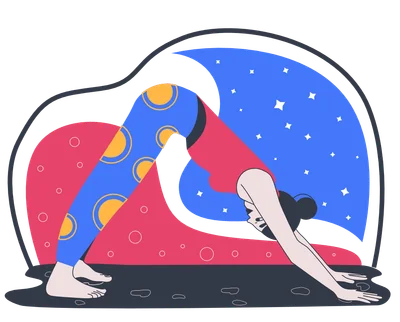
If sitting still feels impossible, move first. Downward-Facing Dog, Adhomukha Shvanasana, links movement with conscious breathing and helps deepen and slow your breathing rhythms naturally, since the gentle inversion and stretch through the spine make it almost impossible to breathe fast. Even thirty seconds in that shape resets the tempo. Do this often enough and slow breathing stops being a technique. It becomes how you meet stress, quietly, reliably, without needing anyone to notice.

Herabschauender HundAsanaHerabschauender HundAdhomukha ShvanasanaZur Asana →

Conclusion: Begin Your Journey Into the Rhythm of Conscious Breathing

Here's the thing nobody tells you about slow breathing: you're not learning something new. You're remembering something you already know how to do, before stress, screens, and shallow chest breathing rewired your default. The secret of slow breathing isn't a hidden technique locked away in some ancient text. It's sitting in your own ribcage right now, waiting for you to notice it.

So don't overthink your entry point. Start with extended exhale breathing daily: a simple four count inhale and six count exhale, five minutes a day. That single shift, making your exhale longer than your inhale, is the most reliable lever you have on your vagus nerve, the main highway of your parasympathetic nervous system. Research on slow, extended exhale breathing has shown measurable changes in vagal tone within about two weeks of consistent daily practice. You don't need an hour on the mat to get there. You need five honest minutes, repeated.

This is where breath work meets real life. Slow breathing for health isn't about perfecting a practice, it's about building a relationship with your own nervous system. Track it if that helps you stay consistent: same time each day, same count, maybe a quick note on how your shoulders and jaw feel afterward. Two weeks is a realistic checkpoint, not a finish line. Start small, stay consistent, and let the numbers and the felt sense confirm each other.

Sources & further links

Community

Deine Erfahrungen

Teile deine Erfahrungen mit der Community.

Kommentare werden vor der Veröffentlichung geprüft.