Balance Confidence and Steadiness
Yoga for Feeling Steadier on Your Feet
Nothing has happened. You have not fallen. But you take the stairs differently now, you put a hand out on uneven ground, and you have started noticing surfaces.
This guide is about that, and about an uncomfortable finding sitting in the middle of the research. What yoga improves and what it does not, why the order of a balance program matters more than its content, and a twelve-week program that starts with your feet.
Who this guide is for
Signs this guide was written for you
What causes Balance Confidence and Steadiness
Feeling steadier and being steadier are different things, and the gap between them is where people get hurt.
Safety
When to practise and when to get it looked at
How to practise so it works
The asanas
The yoga poses that matter for Balance Confidence and Steadiness
Feet and weight, the first four weeks

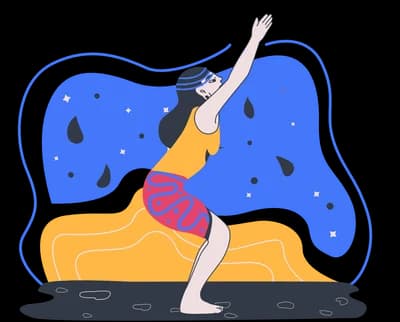
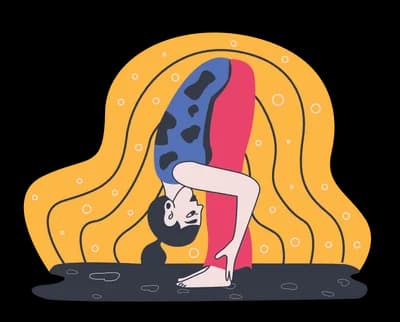
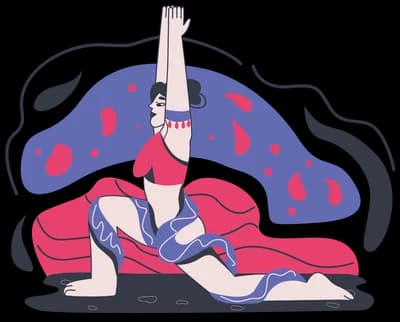
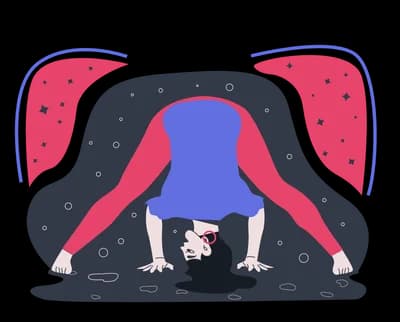
One leg, with a wall under your fingers

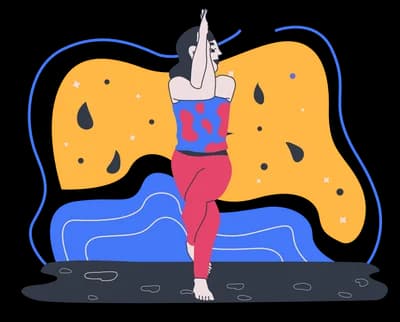
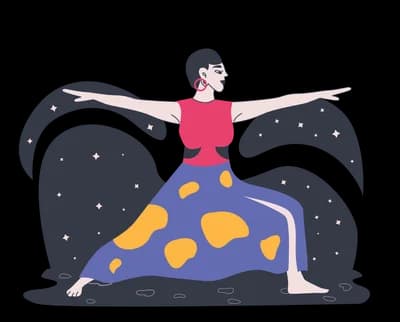
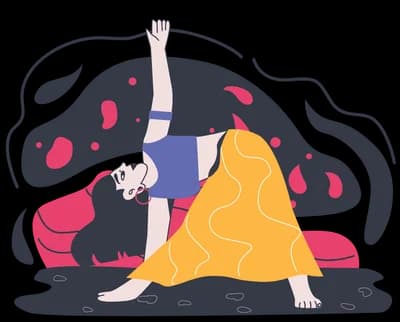
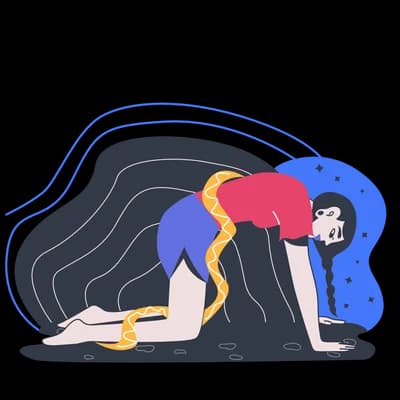
Moving between positions


For yoga teachers
Teaching a class for Balance Confidence and Steadiness
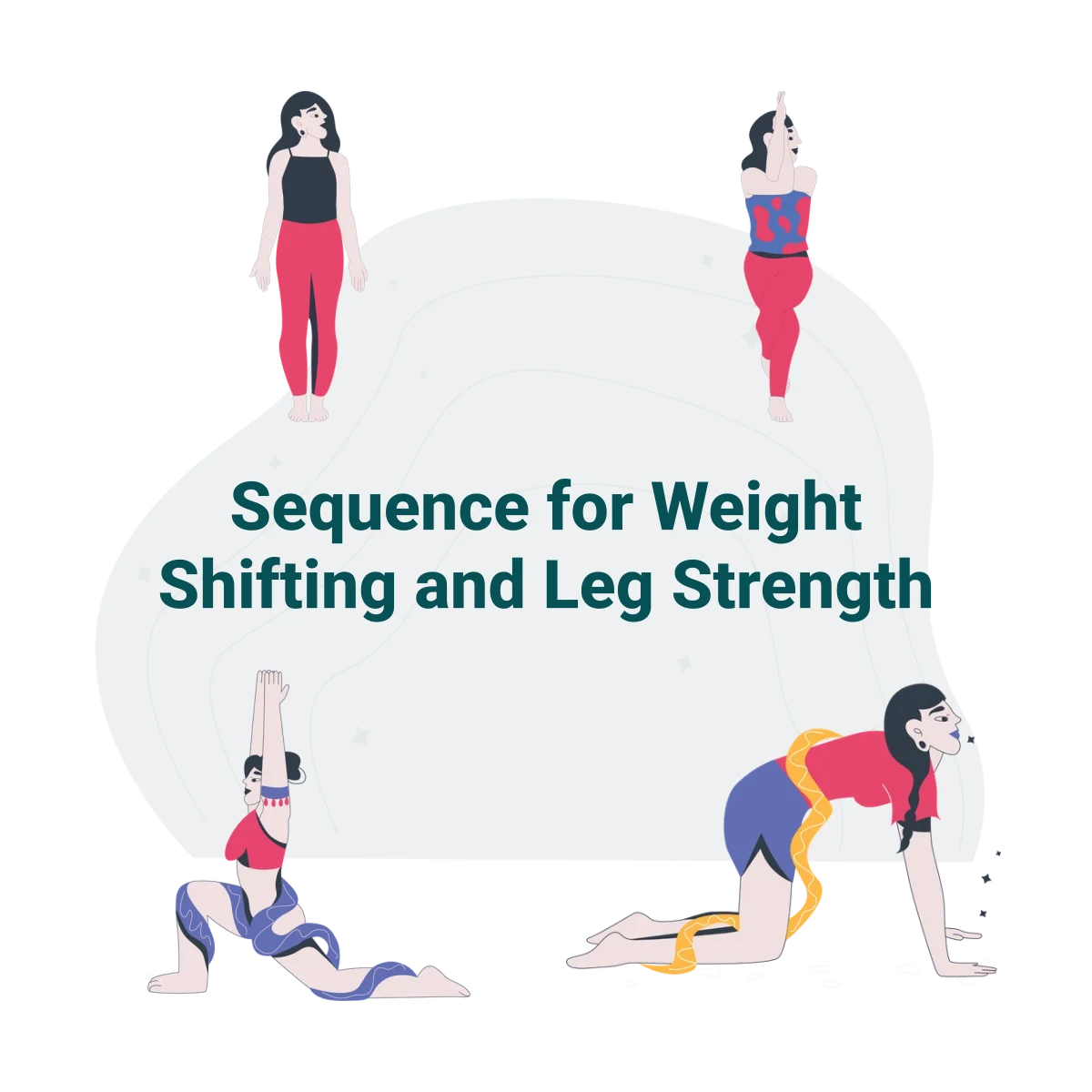
Hand made yoga sequences for Balance Confidence and Steadiness
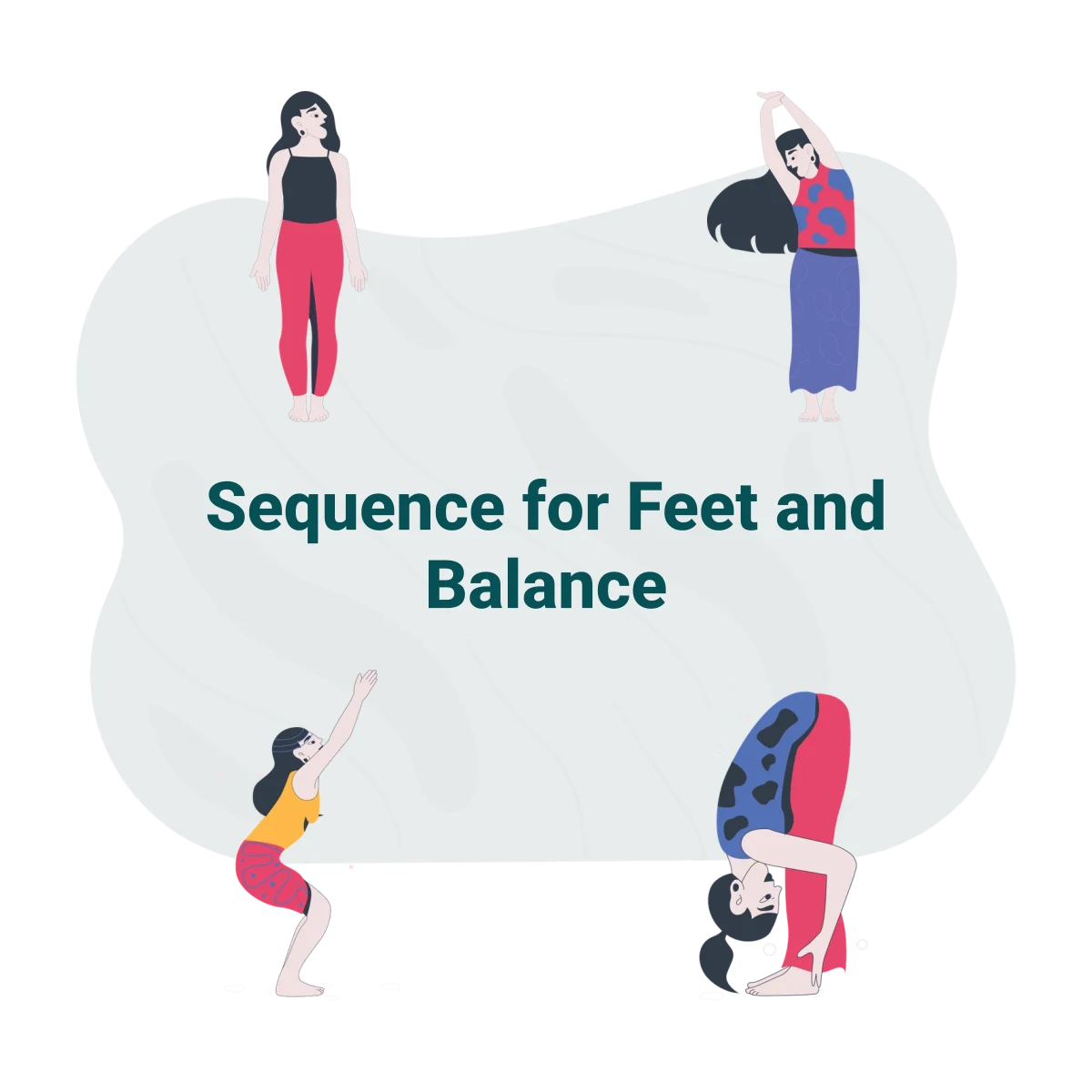
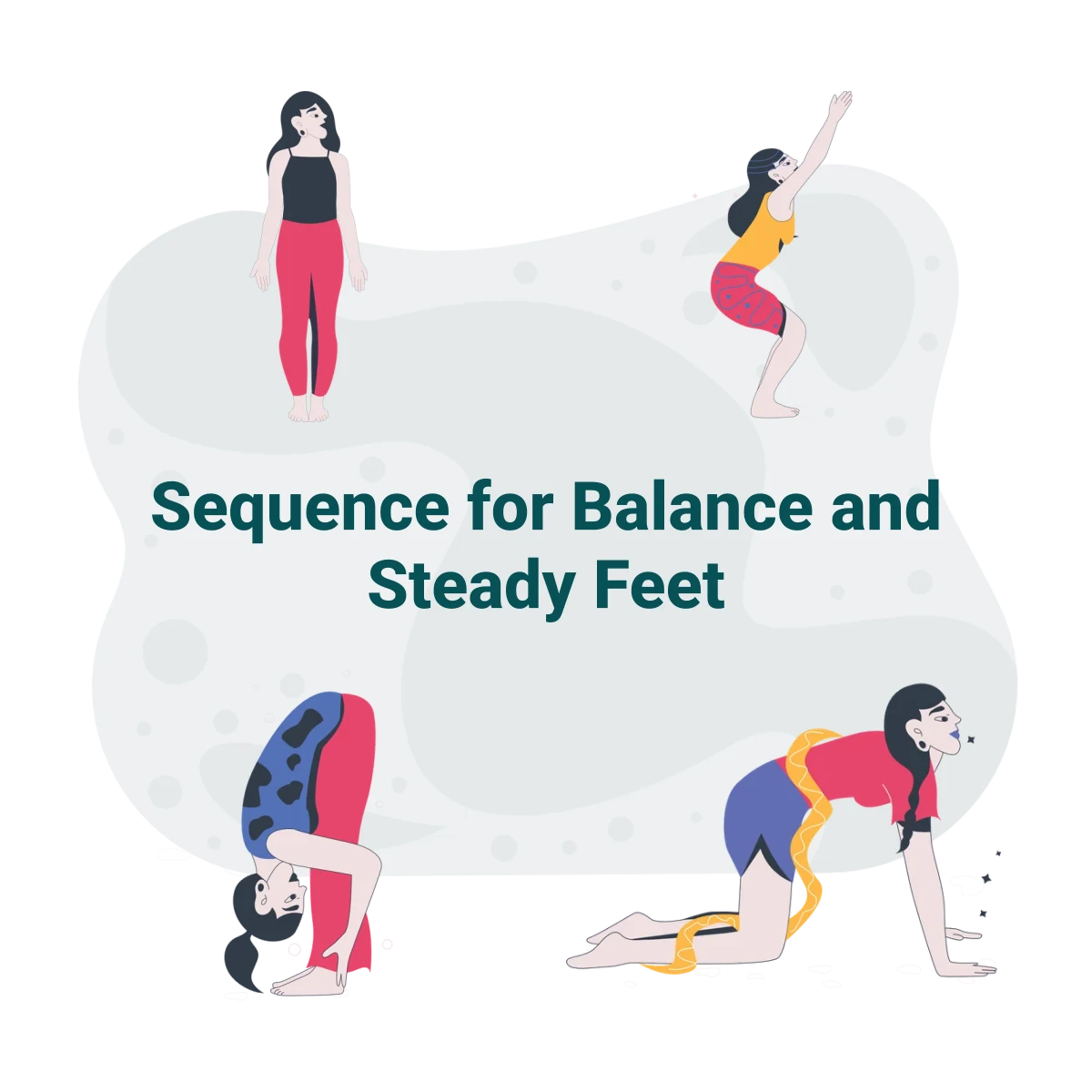
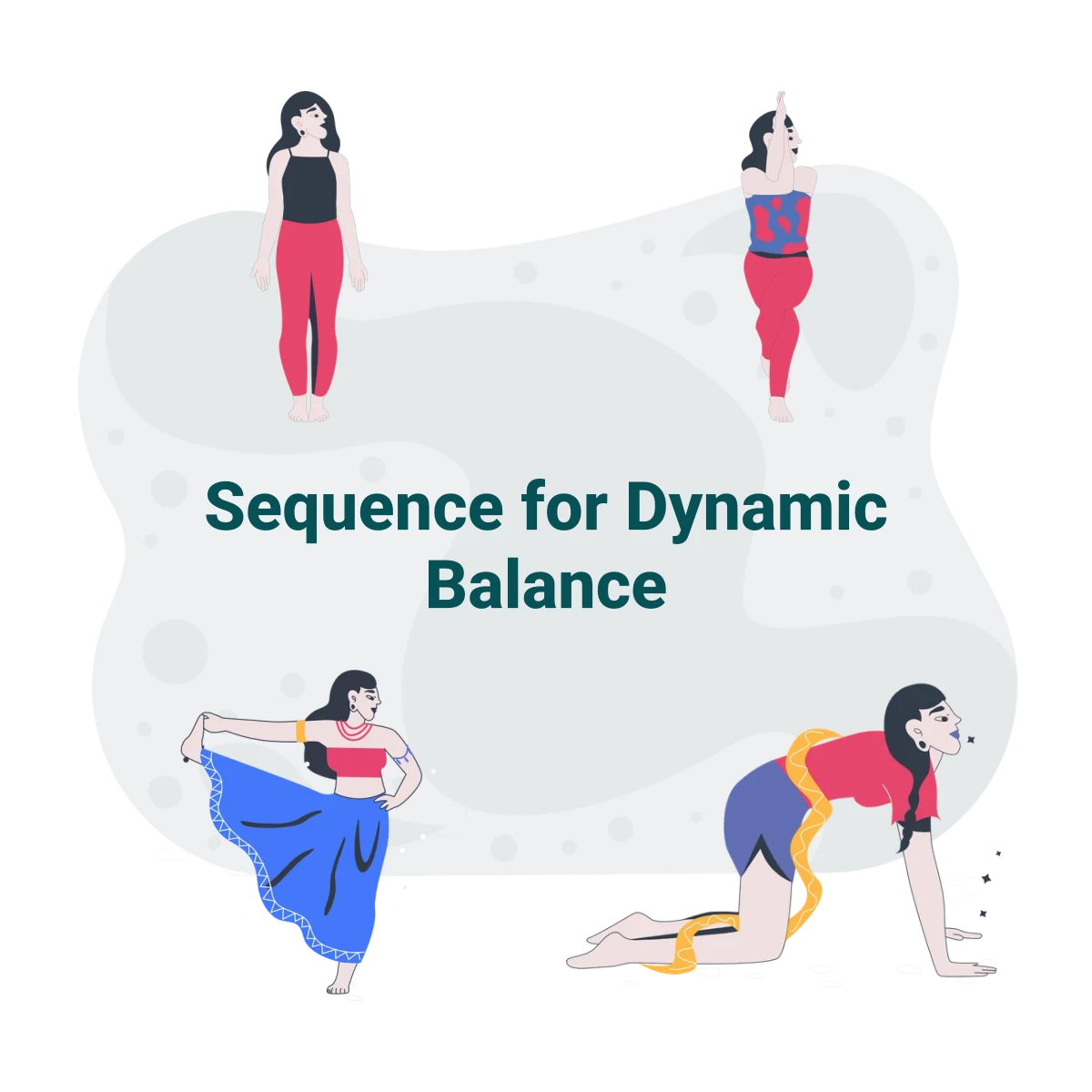
Full sequences you can teach or practise today
Build your own
Put together your own class for Balance Confidence and Steadiness
The sequence builder gives you all 108 asanas and lets you arrange them yourself. While you build, it watches the shape of the class: whether the intensity rises and falls the way a practice should, whether every strong pose gets its counterpose, and whether the order makes anatomical sense.
Save what you build, come back to it, and teach it. It is the fastest way to turn what you just read into a class of your own.
The research
What the studies actually found
This is the clearest case on the site of a gap between a surrogate measure and the thing people actually care about. Yoga improves balance test scores in older adults, modestly and repeatedly. It improves leg strength and the sit to stand test more convincingly than that. And when the same research group that produced the positive balance review went on to count real falls in 700 people over a full year, they found more falls in the yoga group rather than fewer, with the highest added risk in exactly the population this page is written for. For falls specifically, tai chi is the better evidenced practice, and this page says so.
Yoga-based exercise improves balance and mobility in people aged 60 and over: a systematic review and meta-analysis
Read the source →The effect of an Iyengar yoga-based exercise programme versus a seated yoga relaxation programme on falls in people aged 60 years and older (SAGE): a pragmatic, two-arm, parallel randomised controlled trial
Read the source →A 12-week Iyengar yoga program improved balance and mobility in older community-dwelling people: a pilot randomized controlled trial
Read the source →Tai Chi for fall prevention and balance improvement in older adults: a systematic review and meta-analysis of randomized controlled trials
Read the source →Effect of a 12-week yoga intervention on fear of falling and balance in older adults: a pilot study
Read the source →A systematic review of yoga for balance in a healthy population
Read the source →