Grounding & Centering
Grounding Yoga for When You Feel Like You're Not Quite Here
Some days the ground doesn't feel especially solid. Thoughts move fast, plans for tomorrow crowd out whatever's happening right now, and even standing still you feel a little bit like you could tip over. That's not really about balance. It's about attention living somewhere other than your feet.
In Ayurveda this is Vata territory, the element of air and space, the dosha in charge of movement and the one most easily thrown off by travel, screens, or too much thinking. The poses here work against that in a pretty literal way, wide bases, low centres of gravity, weight settling down through the feet or the hands instead of hovering.
This is Muladhara, the root centre, and Apana Vayu, the downward current that governs elimination and letting go. You don't need to buy into either idea for the poses to do what they do. Stand with your weight even across both feet and something in the nervous system just settles.
Who this guide is for
Signs this guide was written for you
The asanas
The yoga poses that matter for Grounding & Centering
Standing Balances — Root Through One Point

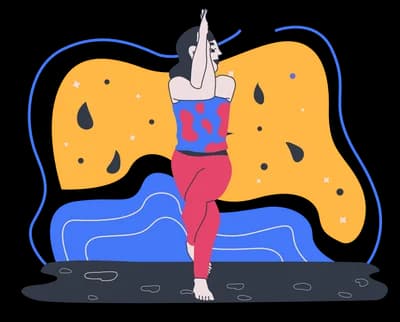
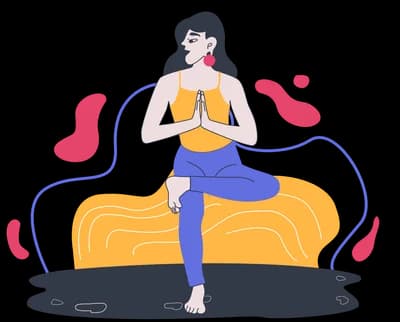
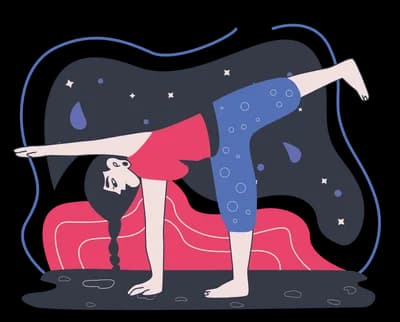
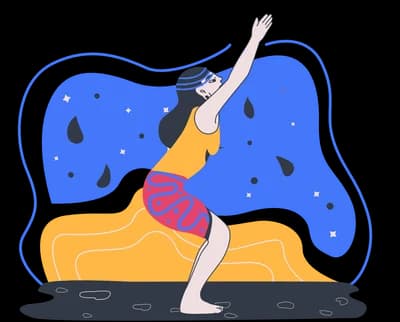
Standing Holds — Wide, Low, Stable
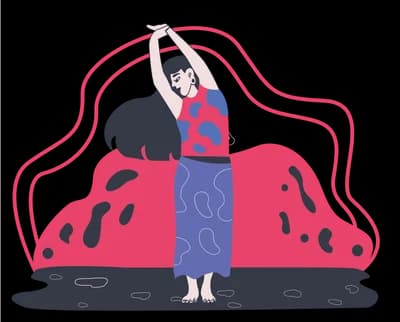

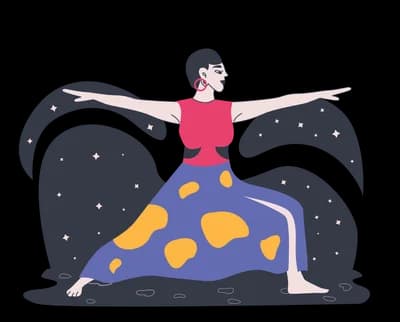
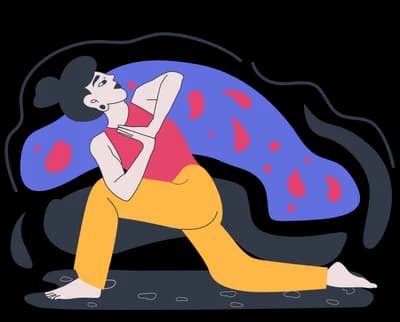
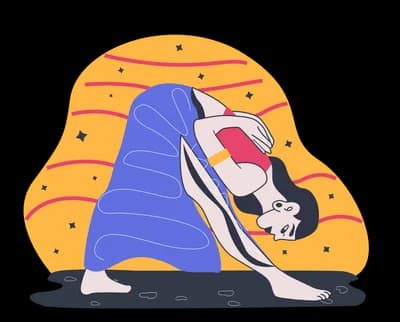
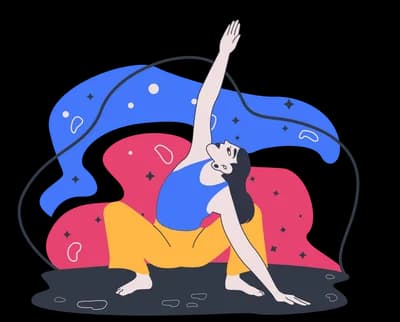
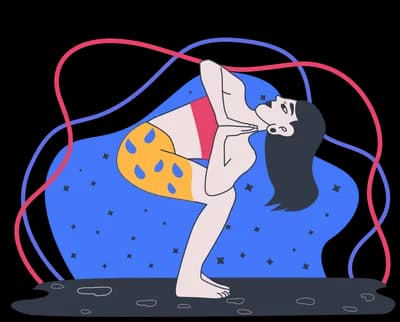

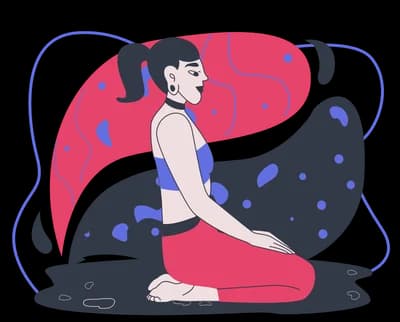
Kneeling and Seated — Settling In
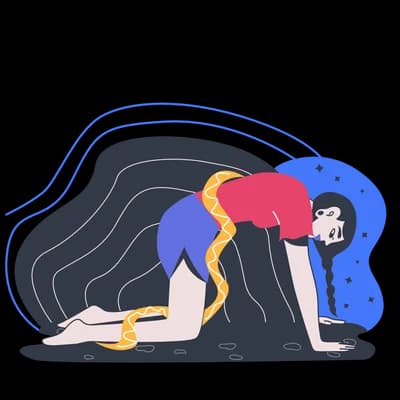





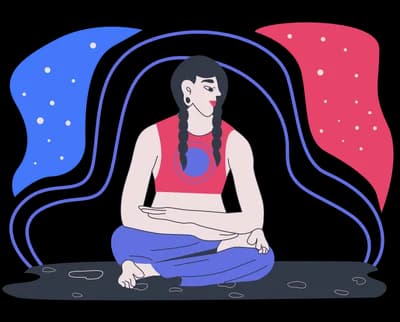

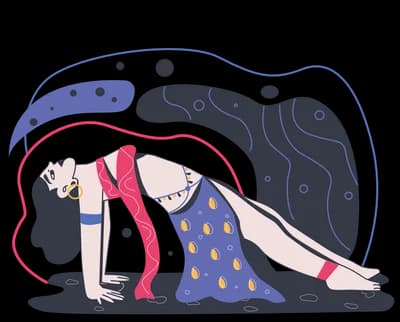
Arm Support — An Unexpected Kind of Grounding



Lying Down and Upside Down

A 20-Minute Grounding Sequence
Same idea as always. Not five random poses, there's a build to it: arrive low and steady, work up to the one balance that asks the most from your standing leg, then spread back out and finally lie down against the floor.
- 1
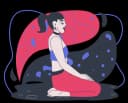 Thunderbolt Pose1 minute
Arrive. A kneeling seat with almost nothing to negotiate, just settling in.
- 2
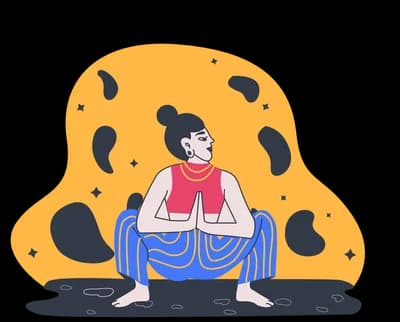
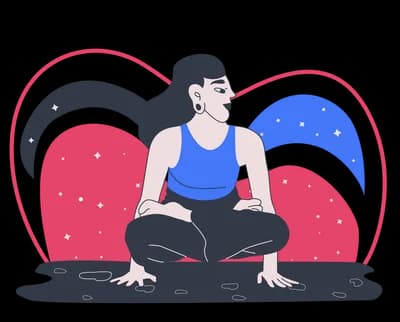
 Garland Pose8 breaths
Build. A low, wide squat, about as much contact with the ground as a standing pose allows.
- 4
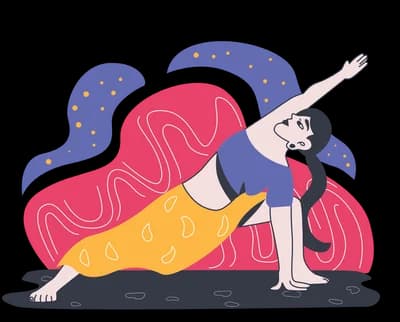
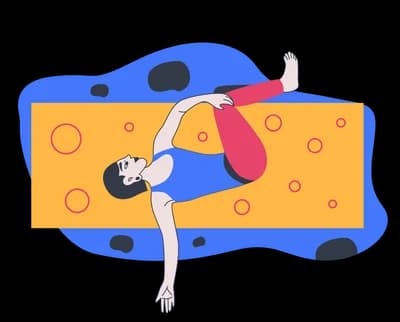
 Half Moon Pose6 breaths each side
Peak. The standing leg has to root harder here than anywhere else in the sequence.
- 5
 Butterfly Pose1 minute
Release. Sitting bones down, knees open, the lower body settling heavy again.
- 6
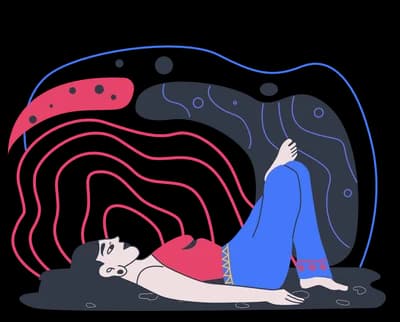
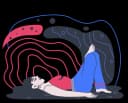 Reclining Pigeon Pose2 minutes each side
Close. Lying down, as much of the body touching the floor as possible.
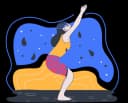
The practice moves from a low, wide base to the one point of contact in Half Moon Pose, then spreads back out and finally lies down flat against the floor. By the end there's no more balancing required, just as much of you touching the ground as possible.
For yoga teachers
Teaching a class for Grounding & Centering
Build your own
Put together your own class for Grounding & Centering
The sequence builder gives you all 108 asanas and lets you arrange them yourself. While you build, it watches the shape of the class: whether the intensity rises and falls the way a practice should, whether every strong pose gets its counterpose, and whether the order makes anatomical sense.
Save what you build, come back to it, and teach it. It is the fastest way to turn what you just read into a class of your own.