Courage & Willpower
Yoga for Courage in the Moment Right Before You Try
There's a specific, recognizable second before doing something you're afraid of, a job application, a difficult conversation, stepping onto a stage. The body usually knows before the mind fully admits it, a held breath, a tightened stomach, the urge to find a reason to wait until tomorrow. Courage isn't the absence of that feeling. It's doing the thing anyway, with the feeling still there.
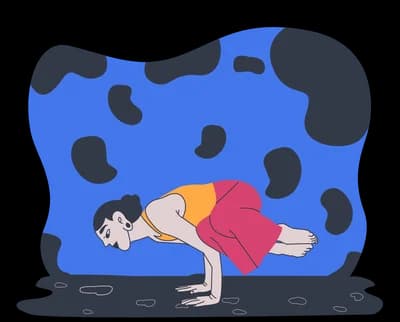
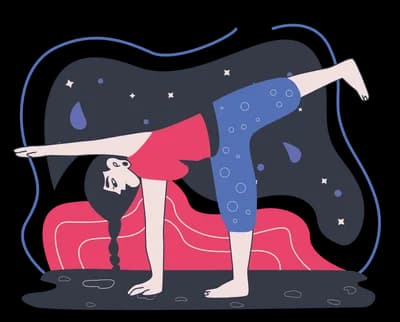
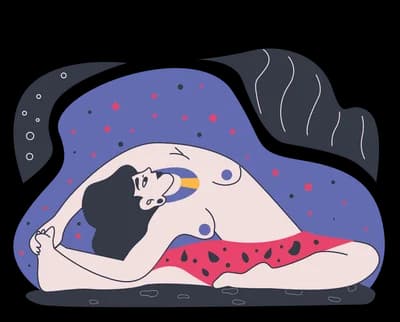
A lot of these poses recreate that exact moment on purpose, the instant before you commit to an arm balance, an inversion, a backbend that asks you to trust your own spine. There's a real, physical fear response in most of them, at least the first several times. Practising with that fear in a controlled setting, on a mat, with nothing actually at stake, is a strange but genuinely useful kind of rehearsal.
In the old system this sits at Manipura, the solar plexus, the same centre tied to willpower and personal drive. Courage and confidence overlap here, but they're not identical. Confidence is what you feel afterward. Courage is what gets you to try in the first place.
Who this guide is for
Signs this guide was written for you
The asanas
The yoga poses that matter for Courage & Willpower
The First Arm Balances



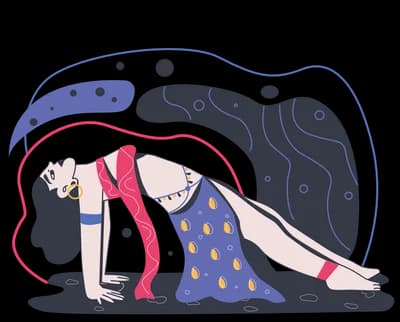
Arm Balances That Ask for More
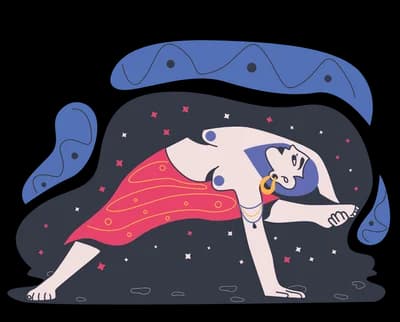
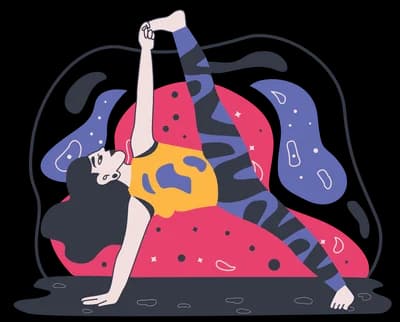
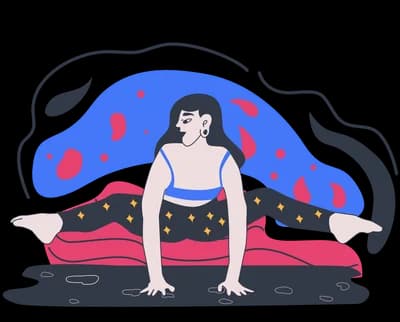

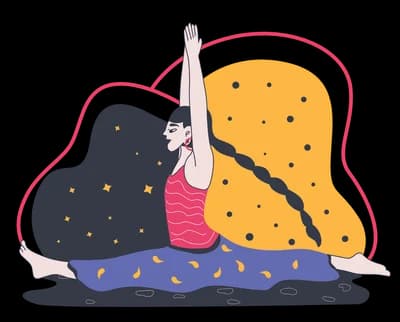
Standing — Facing Forward Without Flinching
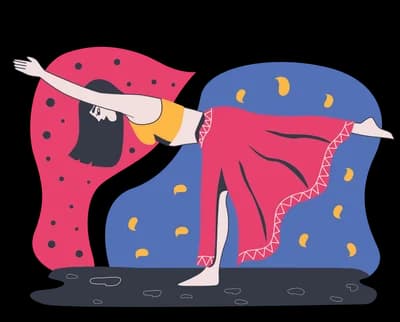
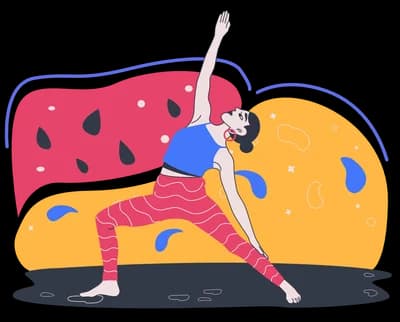
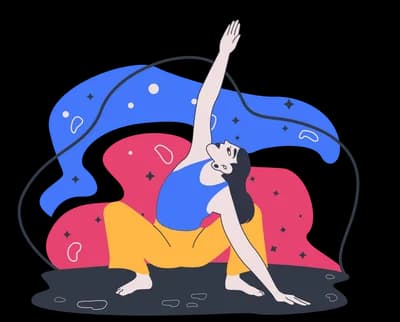
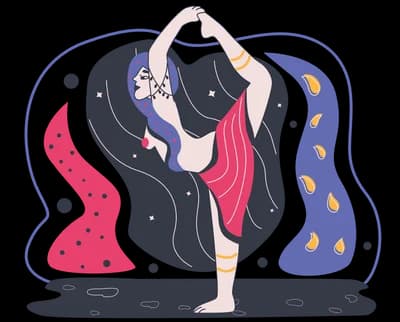
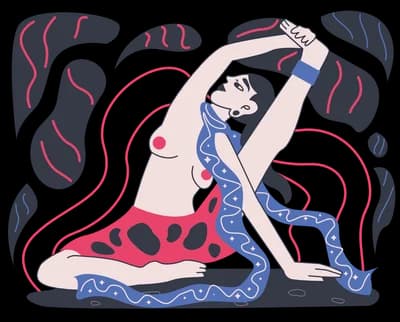
Backbends and Inversions — The Ones Everyone's Afraid Of


Seated and Kneeling — Quiet Courage

A 20-Minute Courage Sequence
Same idea as always. Not five random poses, there's a build to it: arrive, build through poses that ask for a bit more commitment each time, meet the pose most people remember being afraid of first, then let a backbend ask for a different kind of trust before resting.
- 1
 Thunderbolt Pose1 minute
Arrive. Sitting still with whatever the practice is going to ask of you today.
- 3
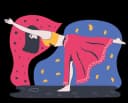 Warrior III5 breaths each side
Build. Balancing parallel to the floor, a disorienting shape held steady.
- 6
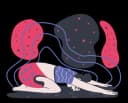 Child's Pose2 minutes
Close. Resting is not the opposite of courage, it's part of the same practice.

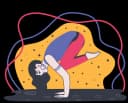
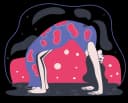
The practice moves toward Crow Pose deliberately, the pose most people remember being afraid of first, and then straight into a backbend that asks for a different kind of trust before resting. Courage built this way tends to generalize better than courage found in just one big moment.
For yoga teachers
Teaching a class for Courage & Willpower
Build your own
Put together your own class for Courage & Willpower
The sequence builder gives you all 108 asanas and lets you arrange them yourself. While you build, it watches the shape of the class: whether the intensity rises and falls the way a practice should, whether every strong pose gets its counterpose, and whether the order makes anatomical sense.
Save what you build, come back to it, and teach it. It is the fastest way to turn what you just read into a class of your own.