Resilience & Inner Strength
Yoga for Resilience and the Ability to Stay, Not Just to Try
Courage gets you into a hard pose. Resilience is what keeps you there once your arms start shaking and every instinct says to drop out. It's a quieter skill than courage, less about a single brave decision and more about tolerating discomfort for longer than feels comfortable, breath by breath.
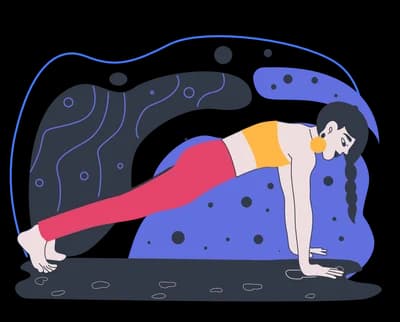
Most of these poses aren't especially demanding in the first few seconds. It's the tenth breath, the fifteenth, where the actual test starts. Plank Pose is simple to get into and genuinely hard to stay in, and that gap between entering and enduring is exactly what this page trains.
There's no single traditional centre this maps to cleanly, resilience shows up as much in the legs holding a lunge as in the arms holding a plank. The common thread is duration, not difficulty at the start.
Who this guide is for
Signs this guide was written for you
The asanas
The yoga poses that matter for Resilience & Inner Strength
Sustained Holds — Where Resilience Actually Gets Tested


Standing — Staying Steady Under Fatigue
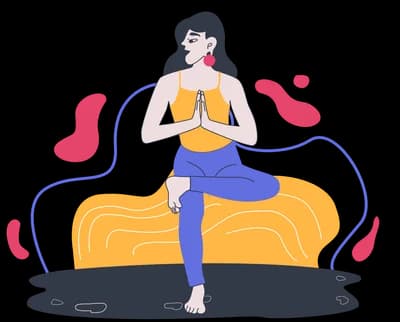
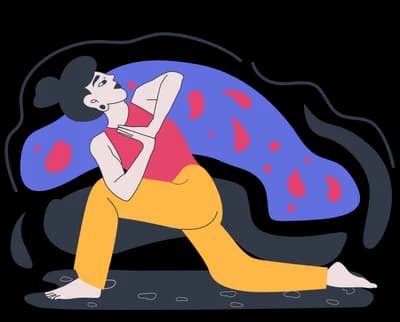


Seated, Supine and Inverted — Enduring Without Drama



A 20-Minute Resilience Sequence
Same idea as always. Not five random poses, there's a build to it: arrive, build through poses that ask for more sustained effort each time, meet a hold you have to genuinely stay inside of, then close back where you started.
- 2
 One-Legged Chair Pose8 breaths each side
Build. The burn building steadily, the temptation to ease off growing with it.
- 5
 Upward Extended Feet Pose8 rounds
Release. Each round asking the same question again, control or sloppiness.


Notice that the sequence returns to Staff Pose at both ends, the same shape, but it asks something different of you the second time, after the practice has already tested your ability to stay. Resilience shows up more clearly in that second sit than in the harder poses in between.
For yoga teachers
Teaching a class for Resilience & Inner Strength
Build your own
Put together your own class for Resilience & Inner Strength
The sequence builder gives you all 108 asanas and lets you arrange them yourself. While you build, it watches the shape of the class: whether the intensity rises and falls the way a practice should, whether every strong pose gets its counterpose, and whether the order makes anatomical sense.
Save what you build, come back to it, and teach it. It is the fastest way to turn what you just read into a class of your own.