Self-Confidence
Yoga for Self Confidence and the Posture You Default To When You Feel Small
Watch how someone stands when they feel unsure of themselves. Shoulders forward, chest caved slightly, taking up as little space as possible, almost apologizing with their body before they've said a word. Confidence isn't really a feeling you can talk yourself into. It shows up in the shoulders and the spine before it shows up anywhere else.
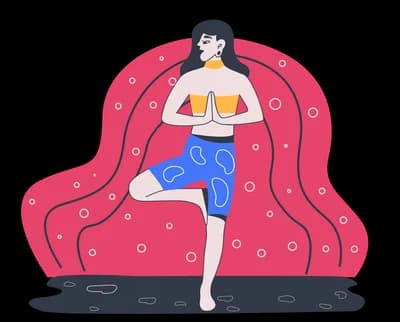
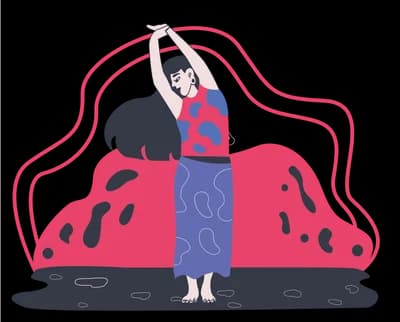
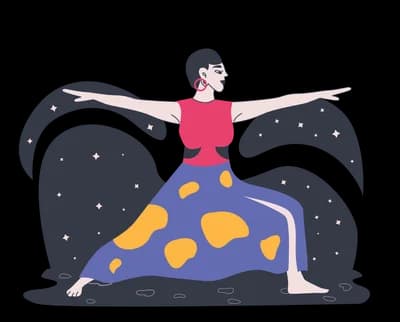
A lot of these poses do the opposite on purpose, chest lifted, arms wide, legs planted and taking up real space. Some of that is just physical, an open chest changes how you breathe. But there's a reason coaches talk about posture before something difficult. The body seems to lead the mind here more often than the other way around.
In the old system this sits at Manipura, the solar plexus, the seat of will and personal power. Physically, a lot of these poses ask the core and the legs to hold something demanding without flinching. That's not a metaphor either. Doing something hard and staying steady through it is most of what confidence actually is.
Who this guide is for
Signs this guide was written for you
The asanas
The yoga poses that matter for Self-Confidence
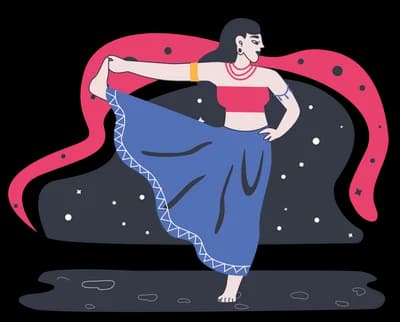
Standing Tall — Poses That Take Up Space

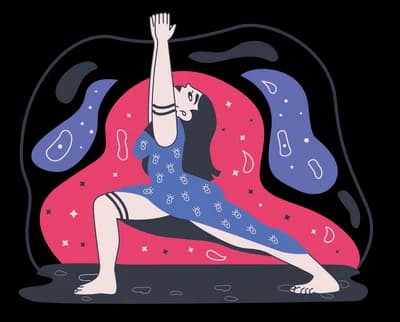
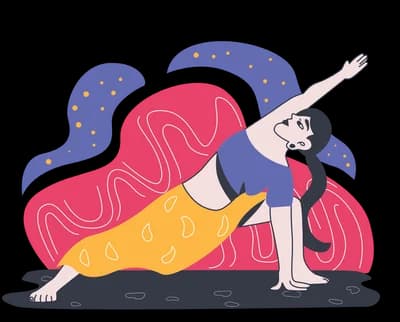
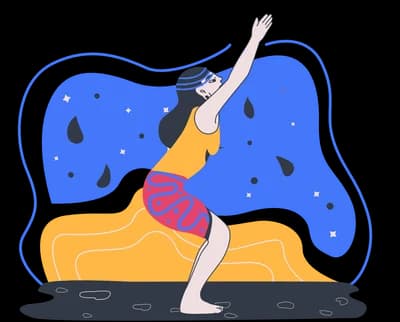
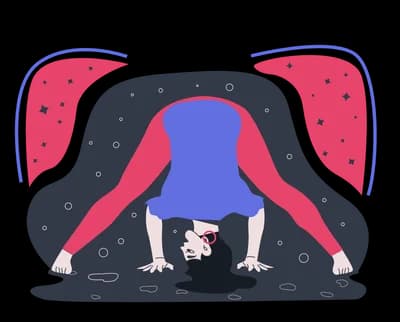
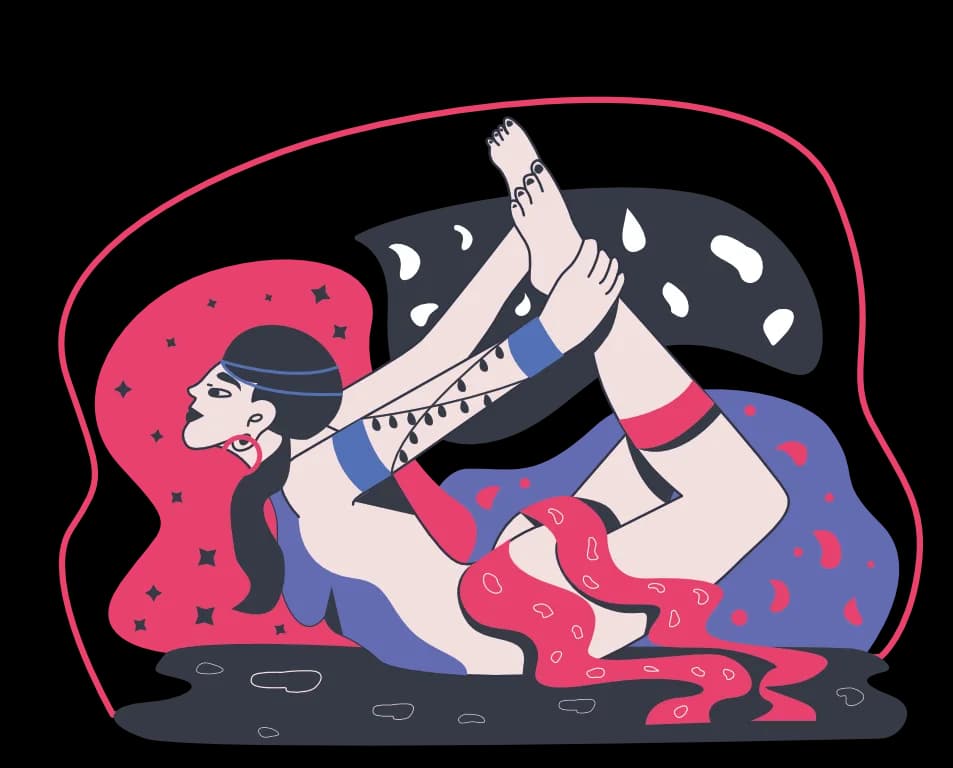
Backbends and Chest Openers





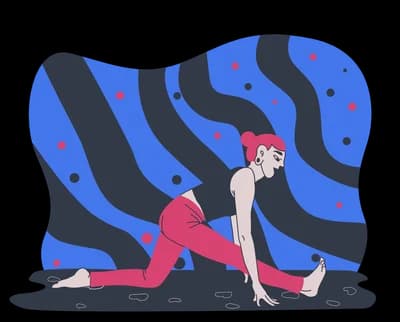
Kneeling — Holding a Shape You'd Rather Rush


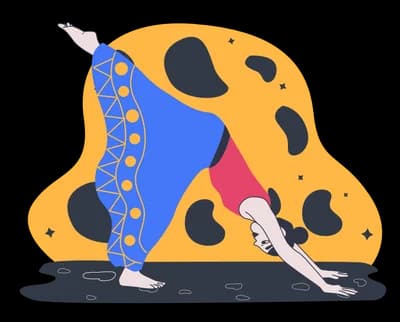
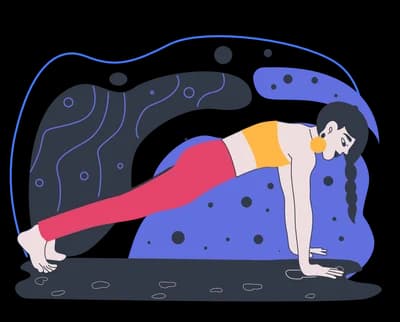
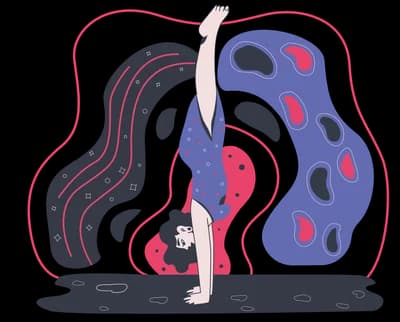
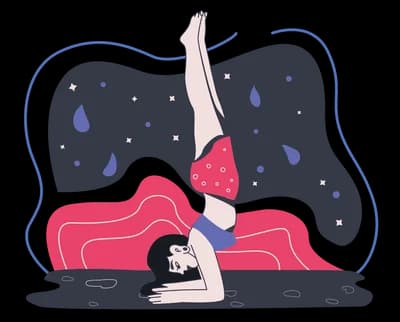
Arm Support and Inversions — Trusting Your Own Strength


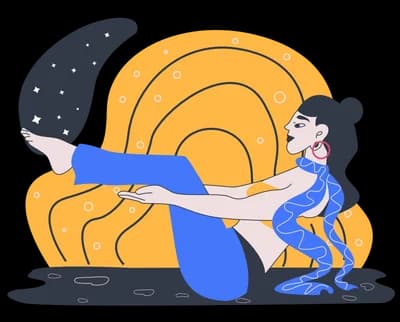
Seated and Supine — Quiet Confidence


A 20-Minute Confidence Sequence
Same idea as always. Not five random poses, there's a build to it: arrive upright, build through poses that open the body more with each step, meet the pose with the least to hide behind, then prove the same point again lying down.


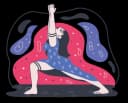
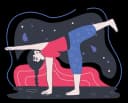


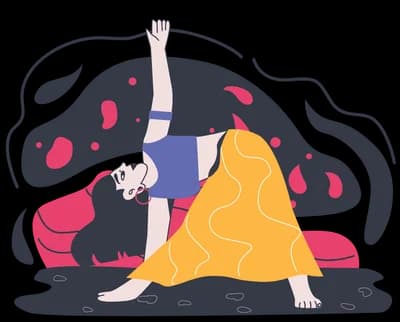
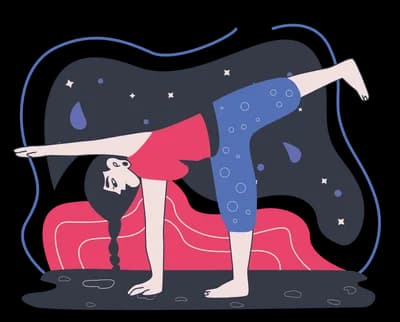
The practice builds toward the pose with the least to hide behind, Half Moon, arms and legs both extended into open space, and then proves the same point again in a different key, a backbend, then lying still with the chest still open. Confidence built this way tends to stick better than the kind you just decide to have.
For yoga teachers
Teaching a class for Self-Confidence
Build your own
Put together your own class for Self-Confidence
The sequence builder gives you all 108 asanas and lets you arrange them yourself. While you build, it watches the shape of the class: whether the intensity rises and falls the way a practice should, whether every strong pose gets its counterpose, and whether the order makes anatomical sense.
Save what you build, come back to it, and teach it. It is the fastest way to turn what you just read into a class of your own.