
Hip Opening
Hip Opening Yoga for the Place Where the Day Gets Stuck
Most of us sit for most of the day. In a chair, in a car, on a couch, hip flexors folded the same way for hours at a time. Then we wonder why the first few steps out of bed feel stiff, or why a deep squat feels impossible when it used to be nothing.
The hips are also where a lot of yoga teachers say people hold tension they're not aware of. I'm careful about that claim, plenty of it is just tight muscles from sitting. But I've watched enough people get quietly emotional in a long Pigeon Pose to think there's something to it, even if I can't fully explain what.
In the old system this is Svadhisthana territory, the sacral centre, tied to fluidity and emotional flow. Physically, most of these poses work through Apana Vayu, the downward, releasing current. You don't need either idea to feel the difference. A hip that opens just moves better.
Who this guide is for
Signs this guide was written for you
The asanas
The yoga poses that matter for Hip Opening
Seated Hip Openers



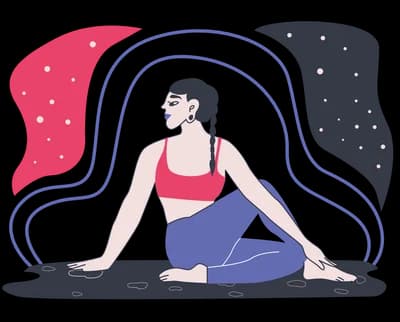







Standing Poses That Open the Hips


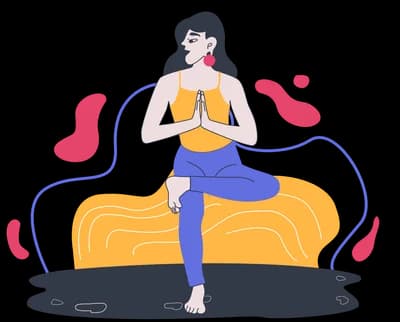





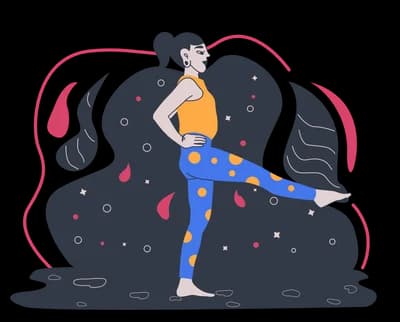
Lying Down — Gravity Doing the Work







Kneeling Openers




Arm Support and Inverted — Hips Doing Something Unexpected



A 20-Minute Hip-Opening Sequence
Same idea as always. Not five random poses, there's a build to it: arrive gently, work into the hips through active poses first, meet the deepest hold of the practice, then let it all settle before you finish lying down.
- 1
 Child's Pose1 minute
Arrive. A gentle kneeling opener that settles the breath before anything demanding starts.
- 2
 Garland Pose8 breaths
Build. An active squat, opening the hips through effort rather than just gravity.
- 3
 High Lunge5 breaths each side
Build. The lunge reaches the front hip specifically, the part a desk job shortens most.
- 4
 One-Legged King Pigeon8 breaths each side
Peak. The deepest hold of the practice, and the one worth being patient with.
- 5
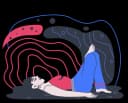 Reclining Pigeon Pose1 minute each side
Release. Lying down takes the effort out of it, letting the hip settle rather than work.

Notice how the practice moves from active to passive, standing poses that work the hips through effort, then floor poses that let gravity do it instead. Hips tend to respond better to that order than to force applied all at once.
For yoga teachers
Teaching a class for Hip Opening
Hand made yoga sequences for Hip Opening
Full sequences you can teach or practise today
Build your own
Put together your own class for Hip Opening
The sequence builder gives you all 108 asanas and lets you arrange them yourself. While you build, it watches the shape of the class: whether the intensity rises and falls the way a practice should, whether every strong pose gets its counterpose, and whether the order makes anatomical sense.
Save what you build, come back to it, and teach it. It is the fastest way to turn what you just read into a class of your own.